The right Mopar package could turn a workaday Dodge into the kind of car that made neighbors stare and insurance agents nervous. From graphics and gearing to wild paint and serious engine hardware, these factory and dealer kits quietly rewrote what a mid-priced American coupe or sedan could be.
That transformation is more than nostalgia. As Dodge leans into a new generation of Chargers and Challengers, the old formula of taking a solid platform and letting Mopar turn it into something unhinged is shaping how the brand talks about performance, heritage, and even electrification.
How Mopar turned basic Dodges into street legends
The classic template for a transformative Mopar package was simple: start with a mainstream Dodge, then stack the order sheet with performance hardware that engineers had already tested on the track. The 1971 Dodge Charger Super Bee is a textbook example. Built off the Charger coupe rather than a dedicated race car, it could be optioned with the 383 Magnum, 440 Six Pack, or the fearsome 426 Hemi, along with heavy-duty suspension, higher numerical axle ratios, and functional hood scoops that marked it as more than a grocery-getter. Period coverage of the 1971 Charger Super shows how thoroughly that package changed the car’s character.
Visual drama was part of the equation. Mopar understood that stripes, decals, and bright paint could sell horsepower before the engine ever fired. High-impact colors like Hemi Orange and Plum Crazy, combined with bumblebee stripes or billboard graphics, turned otherwise conservative B-bodies into rolling advertisements for speed. A later example, an orange Dodge fitted with a Mopar crate engine and wild striping, was notorious enough that the factory literature included a specific throttle warning, a reminder that these packages were not cosmetic fluff but serious performance upgrades. That car, highlighted as a Mopar orange monster, captured the old-school philosophy: take a familiar shell and make it borderline unruly.
Under the skin, the changes were just as dramatic. Mopar packages often bundled hotter camshafts, revised carburetion, and stronger driveline components with chassis tweaks like stiffer torsion bars and bigger drum or disc brakes. The idea was not simply straight-line speed but a cohesive setup that could survive dragstrip abuse and occasional street duty. Buyers effectively received a semi-homologated race car in dealer-warranted form, something that rival brands sometimes offered but rarely with Mopar’s mix of wild aesthetics and brutally honest performance.
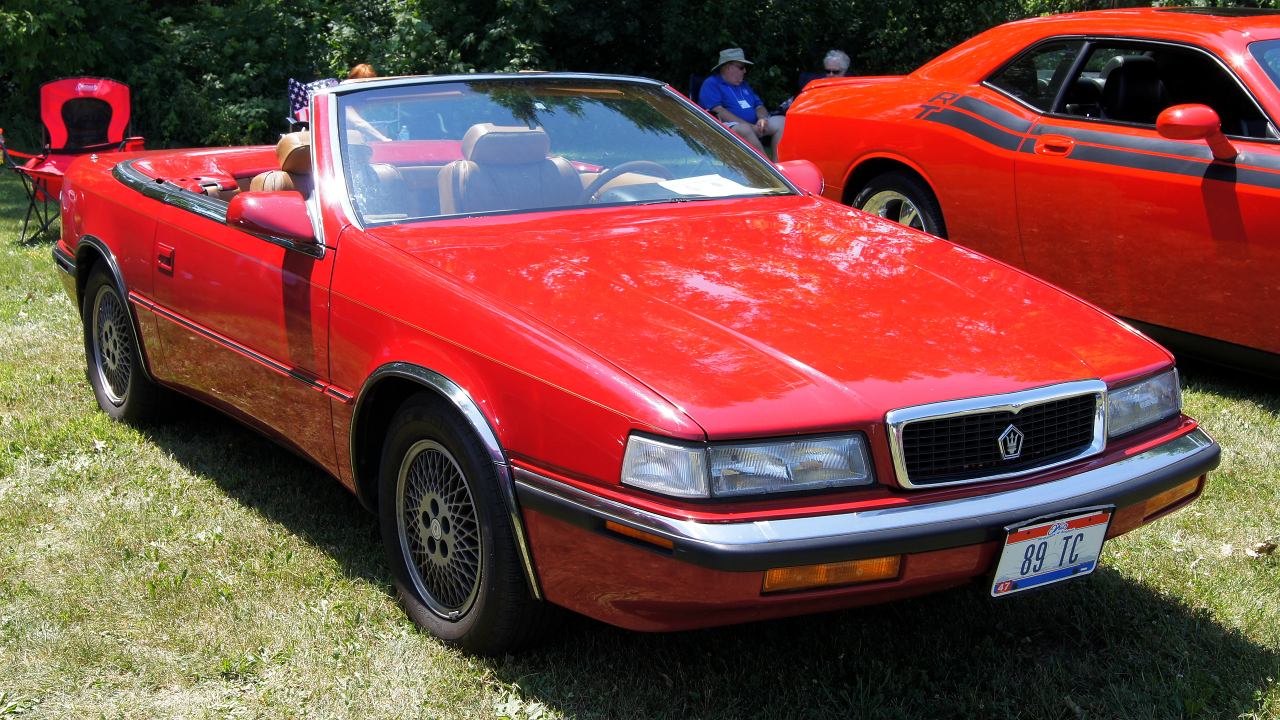
Not every experiment worked. Chrysler’s eagerness to spin variants out of existing platforms sometimes produced oddities that mixed premium styling cues with cost-cutting underneath. A critical look at how the company modified some otherwise competent cars into awkward trim specials, described as turning a great car into “glorious garbage,” shows the risk of chasing appearance packages without matching mechanical substance. One analysis of these missteps details how certain options piled chrome and vinyl on top of dated engineering, illustrating that not every Chrysler spin-off carried the same magic as the best Mopar performance kits.
The contrast between the revered Super Bee and those half-hearted derivatives underlines what made the strongest Mopar packages transformative. When the upgrades were engineered as a system, the car felt fundamentally different. When they were little more than stripes and badges, the result aged quickly and left enthusiasts cold.
Why the Mopar formula still resonates in the Charger’s new era
That old recipe of turning an ordinary Dodge into something special matters again because the brand is trying to pull the same trick in a far more complex era. The latest Charger, including the Sixpack Scat Pack variants, arrives as Dodge navigates stricter emissions rules, electrification, and a customer base that expects year-round usability from cars that still look and sound like muscle machines.
Modern Mopar packages now have to prove themselves not just on a summer cruise night but on snow-covered highways. A recent look at winter driving in the 2026 Dodge Charger Sixpack Scat Pack highlights that shift. Instead of simply adding more power, the factory package integrates all-wheel drive, sophisticated traction control, and drive modes that let a high-output engine share duty as a daily driver in cold climates. That is a direct descendant of the old philosophy: take a mainstream platform and give it capabilities that surprise people who still think “muscle car” means fair-weather toy.
Heritage plays a major role in how these new cars are positioned. Dodge leans heavily on names like Charger and Scat Pack, and Mopar continues to offer appearance and performance kits that echo the graphics and attitude of the early 1970s. Buyers can still order bold colors and retro-inspired striping, and they can still choose packages that upgrade brakes, suspension, and engine output in a bundled, warrantied way. The emotional throughline from a 1971 Super Bee to a 2026 Sixpack Scat Pack is clear: the car starts as a relatively practical coupe or sedan, then Mopar turns it into something that feels like a special occasion every time the starter engages.
The difference is that modern packages have to do more with less. Where a classic Super Bee could rely on cubic inches and relatively simple mechanical add-ons, the current Charger uses complex electronics, turbocharging, and hybrid or alternative-fuel strategies to hit performance targets while staying within regulatory limits. That complexity raises the stakes for Mopar-branded upgrades. An ill-considered appearance-only package risks feeling as hollow as some of Chrysler’s past misfires, while a well-executed performance kit can reinforce the brand’s claim that it still builds authentic muscle in a new technical era.
For enthusiasts and collectors, the historical Mopar packages also shape how older Dodges are valued and preserved. Cars that left the factory with a documented performance kit, from Super Bees to later Scat Packs, command a premium over base models that were modified in the aftermarket. That premium reflects a belief that when Mopar itself blessed a combination of parts, the result carried a level of engineering and cultural significance that backyard builds rarely match.
Where Mopar and Dodge can take the package idea next
Looking ahead, the concept of a Mopar package that transforms a standard Dodge into something extraordinary is likely to evolve rather than disappear. The next frontier is not just bigger power figures but smarter integration of software, drivetrains, and even subscription features that can change a car’s character long after it leaves the showroom.
One obvious path is factory-sanctioned performance software. As more Chargers and related models rely on drive-by-wire systems and complex engine management, Mopar can offer staged tunes that unlock additional power or track-focused behavior while keeping emissions compliance and warranty coverage intact. Instead of a hotter camshaft and a different carburetor, the future package might be an over-the-air calibration that sharpens throttle response, adjusts shift strategies, and tweaks torque distribution for specific driving conditions.
Chassis and appearance kits are unlikely to go away. Enthusiasts still respond to lowered stances, wider wheels, and aggressive aero pieces that visually separate a special model from the rental-fleet version. The key lesson from Chrysler’s earlier missteps is that these visual changes need to be backed by meaningful functional gains. If a future Charger variant wears throwback stripes inspired by a Super Bee or an orange monster with a throttle warning, buyers will expect brakes, tires, and suspension tuning that justify the attitude.
Electrification adds another twist. As Dodge introduces more hybrid or fully electric performance cars, Mopar has an opportunity to define what a “package” means when there is no traditional V8 to massage. That could involve higher-output electric motors, upgraded battery cooling, or track-oriented software modes that deliver short bursts of extra power. The emotional goal remains the same: take a standard configuration and turn it into something that feels rare, a bit unruly, and unmistakably Dodge.
More from Fast Lane Only
- Unboxing the WWII Jeep in a Crate
- 15 rare Chevys collectors are quietly buying
- 10 underrated V8s still worth hunting down
- Police notice this before you even roll window down
*Research for this article included AI assistance, with all final content reviewed by human editors