The muscle car era is often defined by iconic models that emerged in the mid-1960s, but long before the term was coined, certain vehicles hinted at the potential for high-performance cars. One such car, often overshadowed by its more famous successors, arrived years ahead of its time, showcasing the blend of power and style that would later define the muscle car segment.
The Early Roots of the Muscle Car Concept
The genesis of the muscle car phenomenon can be traced back to several pre-GTO vehicles that laid the groundwork for what was to come. Cars like the 1949 Oldsmobile Rocket 88, with its innovative overhead valve V8 engine, captured the imaginations of car enthusiasts and manufacturers alike. This shift in engineering not only promised more power but also set the stage for performance-centric vehicles that would soon dominate the roads. The 1955 Chevrolet Bel Air, with its blend of style and performance, showcased the growing demand for cars that were not just functional but also thrilling to drive.
Before the full-blown muscle car boom, the automotive market was evolving rapidly. Manufacturers experimented with powertrains and design elements that would eventually characterize muscle cars. The introduction of high-compression engines, dual exhausts, and sporty aesthetics became more commonplace, as automakers recognized the appeal of performance-based vehicles. The 1961 Dodge Dart, for example, hinted at the future with its powerful engine options, but it was not until the mid-60s that the market would fully embrace the muscle car ethos.
The Forgotten Pioneer: The 1962 Ford Fairlane 500
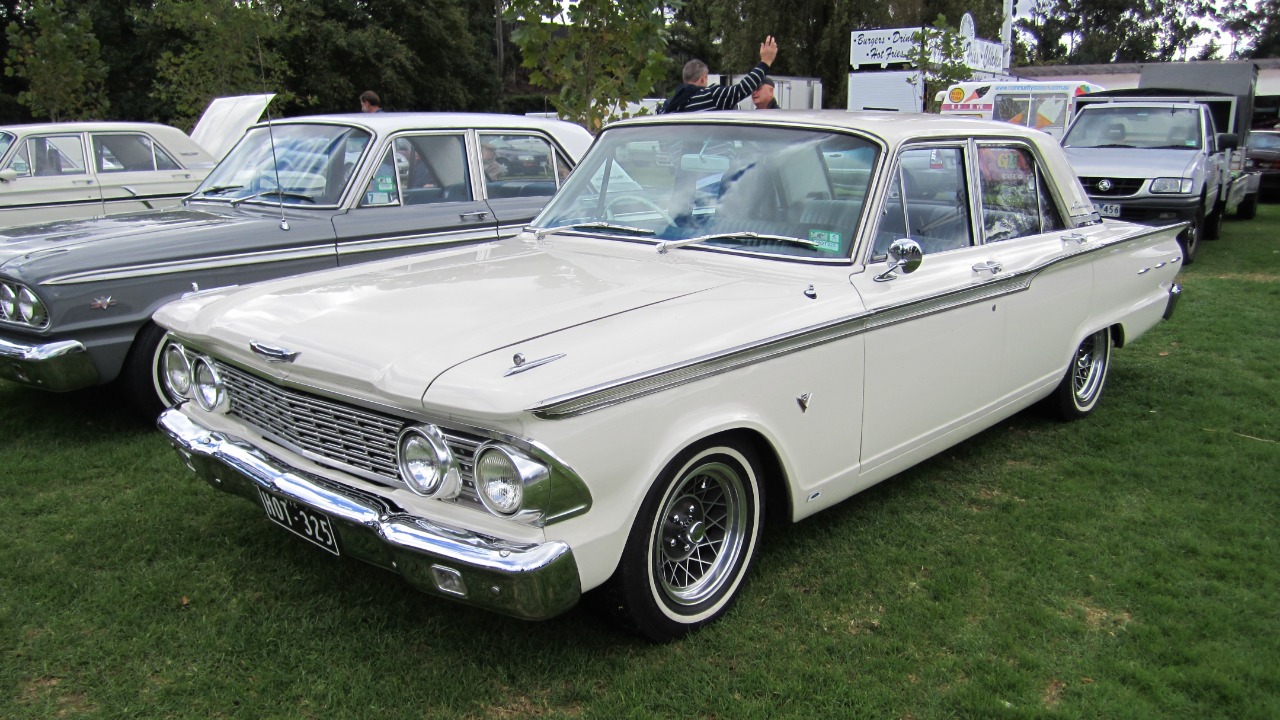
Among the early contenders for muscle car supremacy, the 1962 Ford Fairlane 500 stands out as a forgotten pioneer. Equipped with a 260 cubic inch V8 engine, the Fairlane 500 produced 164 horsepower, making it a formidable option for those seeking performance without sacrificing everyday usability. Its sleek, understated design featured a long hood and a short deck, which would later become a hallmark of muscle car aesthetics. However, despite its promising specifications and stylish appearance, the Fairlane 500 failed to gain the traction it rightly deserved in the marketplace.
When compared to its contemporaries, such as the Chevrolet Nova and Plymouth Valiant, the Fairlane 500 was ahead of its time in terms of design and engineering. While these competitors were capable cars, they lacked the Fairlane’s combination of style and performance. Unfortunately, the Fairlane’s reception was muted, perhaps due to the consumer focus on more established brands and models. The muscle car segment was still in its infancy, and the automotive landscape was not yet ready to fully embrace such a forward-thinking vehicle.
Market Readiness: Consumer Preferences in the 1960s
The cultural and economic landscape of the 1960s played a significant role in shaping consumer preferences for automobiles. The post-war prosperity and the rise of the youth market fostered a burgeoning car culture that increasingly favored performance-oriented vehicles. However, while there was a growing interest in speed and style, many consumers were still hesitant to invest in high-performance cars that came with higher insurance premiums and maintenance costs. This gap between innovation and market readiness left vehicles like the Fairlane 500 in a precarious position.
As the decade progressed, consumer expectations began to evolve. The arrival of the American muscle car was marked by a demand for affordable performance, with young drivers seeking cars that could provide both excitement and practicality. This shift in mindset was critical as it paved the way for the acceptance of more powerful vehicles. The emergence of the Pontiac GTO in 1964 marked a turning point, demonstrating that consumers were finally ready for muscle cars that combined speed, style, and affordability.
The GTO and the Shift in Muscle Car Popularity
The launch of the Pontiac GTO is often regarded as the defining moment that cemented the muscle car archetype in America. Introduced in 1964, the GTO combined a powerful 389 cubic inch V8 engine with a lightweight body, resulting in a car that was not only fast but also affordable. It revolutionized the automotive landscape, setting a new standard for performance vehicles and overshadowing earlier models like the Fairlane 500. The GTO’s success was a clear indication that the market was finally ready for high-performance cars, leading to an explosion of similar offerings from various manufacturers.
The GTO’s influence extended beyond its initial popularity; it redefined consumer perceptions of what a muscle car should be. Unlike the Fairlane 500, which was often seen as a competent but unremarkable option, the GTO became synonymous with power and performance. Its legacy paved the way for models like the Chevrolet Camaro and Ford Mustang, which would further entrench the muscle car’s status in American automotive culture. The GTO’s impact is still felt today, as it set the stage for an entire segment that captured the hearts of car enthusiasts and collectors alike.
The Legacy of Early Muscle Cars
While the Pontiac GTO may have taken center stage, the importance of early muscle cars like the Ford Fairlane 500 cannot be understated. These vehicles laid the groundwork for future performance offerings and highlighted the potential for blending power with aesthetics in a way that resonated with consumers. Today, collectors and automotive enthusiasts recognize the significance of these early models, often seeking them out for restoration and preservation.
The resurgence of interest in classic cars has led to a renewed appreciation for early muscle cars. Auctions and classic car shows frequently feature these forgotten pioneers, and their values are beginning to appreciate as collectors recognize their historical significance. The Fairlane 500, once overshadowed, is now being celebrated as an important player in the evolution of the muscle car segment. As the classic car market evolves, early muscle cars could become increasingly sought after, attracting a new generation of enthusiasts eager to own a piece of automotive history.
The Future of Classic Muscle Cars
The ongoing wealth transfer among generations is significantly impacting classic car ownership and market trends. As older collectors pass on their vehicles to younger generations, we are witnessing a shift in the types of cars that are being appreciated and sought after. Younger enthusiasts are beginning to show interest in models that were once considered less desirable, including early muscle cars like the Fairlane 500. This trend suggests that the market for these vehicles will only continue to grow as new collectors enter the fray.
Digital platforms and online communities are playing a crucial role in preserving the history and legacy of forgotten muscle cars. Websites dedicated to classic cars, such as Hagerty, provide valuable resources for collectors and enthusiasts seeking to learn more about early models. Additionally, social media groups and forums allow fans to connect, share stories, and discuss restoration projects. These platforms foster a sense of community that can help elevate the profile of early muscle cars, paving the way for increased recognition and value in the future.
More from Fast Lane Only
- Unboxing the WWII Jeep in a Crate
- 15 rare Chevys collectors are quietly buying
- 10 underrated V8s still worth hunting down
- Police notice this before you even roll window down
*Research for this article included AI assistance, with all final content reviewed by human editors.