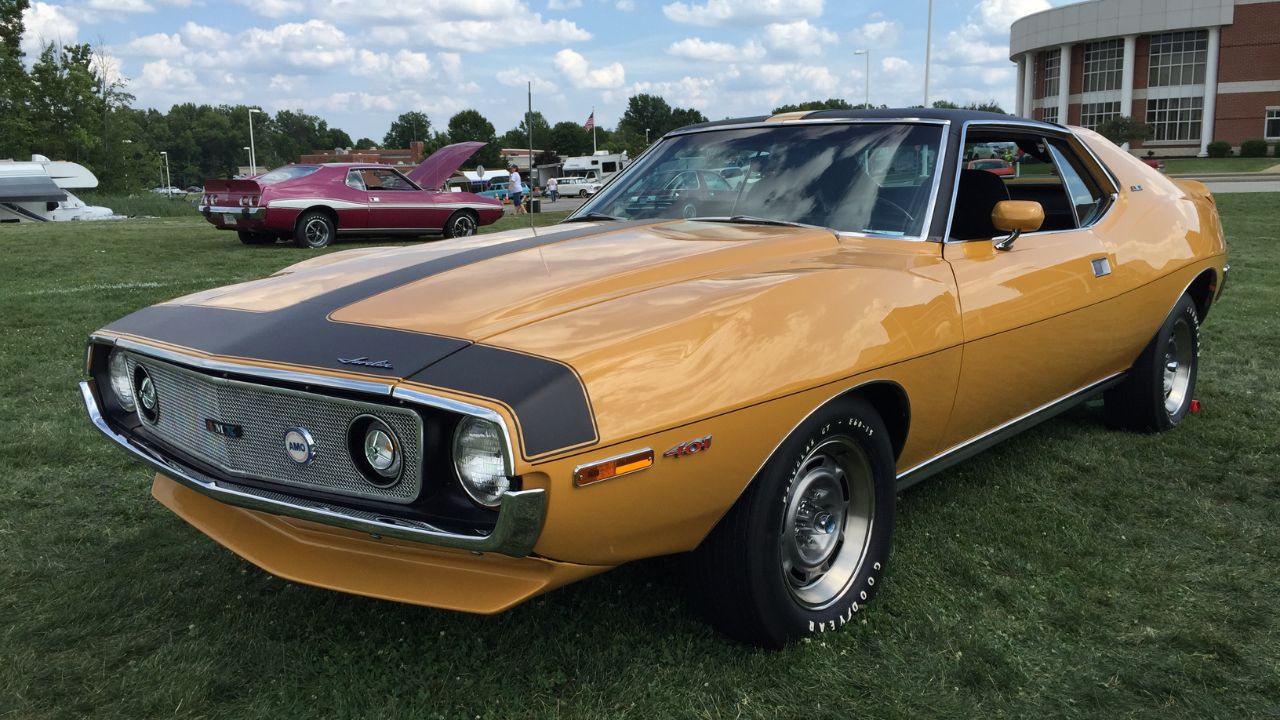
Muscle car history is crowded with loud legends, yet some of the most capable machines slipped through almost unnoticed. One particular model delivered the numbers, the track times, and the engineering to embarrass bigger-name rivals, but never quite claimed the spotlight its performance deserved. Its story shows how market timing, branding, and nostalgia can matter more than raw speed.
Among enthusiasts, this kind of “sleeper” legend is familiar: a car that does everything right on paper, outperforms the icons in the real world, then gets left out of the posters and auction headlines. Tracing how that happens says as much about car culture as it does about horsepower.
What happened
Every generation of American performance has produced at least one car that quietly outperformed the stars of its era. During the original muscle car boom of the late 1960s and early 1970s, buyers were drawn to big names and big badges, even when lesser-known trims or special packages delivered stronger numbers. The pattern repeated in the horsepower revival of the 2000s and 2010s: a model could post better acceleration and handling than its headline rivals, yet still trail in sales and cultural impact.
Enthusiast rankings of the best muscle machines tend to showcase the usual icons, but they also highlight a handful of cars that fans insist were better to drive than their reputations suggest. Lists of muscle cars enthusiasts trust usually mix famous badges with more obscure trims that never became household names. Those under-the-radar picks often share a few traits. They have strong factory power, well-sorted suspensions, and braking systems that can handle repeated abuse. They also tend to be tuned by engineers who were chasing lap times more than advertising slogans.
In practice, that meant some cars arrived with more balanced weight distribution, better gearing, or more advanced chassis tuning than the era’s headline drag-strip stars. On paper, the differences might look small. On a road course or a tight back road, they could be decisive. Yet the market did not always reward that nuance. Buyers often gravitated toward the nameplates that dominated magazine covers, television shows, and movie franchises, even if a quieter competitor posted better instrumented test results.
The same dynamic appears outside the car world. In food culture, for example, a handful of neighborhood sandwich shops in Nevada have earned reputations for quality that outstrips larger chains. A survey of Nevada sandwich shops highlights small operators that beat national brands on flavor and consistency, yet lack comparable marketing power. The parallel is clear. Performance alone does not guarantee fame, whether the product is a sub or a small-block V8.
Back in the performance-car market, the overlooked standouts often faced another challenge. Many arrived in periods of transition, when regulations, fuel prices, or shifting tastes made buyers cautious. A car that was ahead of its time in chassis sophistication or powertrain technology could feel out of step with what most shoppers thought a muscle car should be. Instead of a simple formula of displacement and straight-line speed, these underappreciated models emphasized grip, braking, and everyday drivability.
That tradeoff could be fatal to mainstream appeal. The broader market often treated muscle cars as weekend toys or nostalgia pieces, not as all-around performance tools. A car that excelled on a circuit or in real-world driving, but looked understated and carried a less famous badge, could easily be overshadowed by a louder, flashier rival that fit the stereotype more neatly.
Why it matters
The story of the muscle car that quietly outperformed bigger names but was overlooked matters because it exposes how performance is only one part of a car’s legacy. Brand equity, pop culture exposure, and timing can outweigh objective capability. For enthusiasts and collectors, that creates both opportunity and risk.
On the opportunity side, underappreciated performance cars often represent strong value. Because they never became poster icons, they can remain more affordable on the used market than their better-known peers, despite similar or better driving experiences. Buyers willing to look past name recognition and focus on specifications, test data, and engineering details can end up with cars that feel special behind the wheel yet do not carry the same price premium.
That is one reason enthusiast communities keep returning to those “if you know, you know” models. When owners compare real-world experiences, the conversation often shifts from badges to specifics: how a car turns in, how predictable it feels at the limit, how it survives track days without overheating. In those conversations, the quieter muscle car can finally get its due, because the metrics that matter are no longer filtered through marketing budgets.
There is also a cultural angle. The muscle car myth has long centered on straight-line acceleration and quarter-mile bragging rights. Over time, however, expectations have changed. Modern performance buyers want cars that can handle corners, stop repeatedly without fade, and cope with everyday traffic. The overlooked muscle car that was tuned for balance and precision, rather than pure drag-strip heroics, now looks closer to the modern ideal than some of the period’s celebrated icons.
That shift helps explain why certain once-ignored models are gaining fresh respect. Enthusiast rankings that spotlight cars owners “swear by” often give more weight to subjective feel and long-term satisfaction than period sales figures. Over years of ownership, small advantages in chassis tuning or ergonomics can matter more than the marketing story that initially sold the car. As a result, a model that underperformed in showrooms can outperform in owner loyalty and long-term reputation.
The overlooked status of such a car also reflects how media and pop culture shape automotive memory. A muscle car that never starred in a blockbuster film, never headlined a racing series, and never anchored a major ad campaign will struggle to lodge itself in public consciousness. Even if it beat better-known rivals in comparison tests, the absence of a narrative makes it easy to forget. Car culture often remembers stories more vividly than spec sheets.
For manufacturers, this history carries a lesson. Building a technically impressive muscle car is not enough. To secure a lasting legacy, the company must also craft a clear identity for the model, position it within a recognizable family, and sustain that identity across generations. When a car arrives as an outlier or a one-off, even strong performance may not be enough to anchor it in the brand’s long-term story.
There is a practical side for engineers as well. The most balanced or advanced setup on the test track might not align with what buyers expect from a muscle car. If the market is primed for loud exhausts, aggressive styling, and simple straight-line thrills, a more nuanced package can be a hard sell. The car that quietly outperforms may feel too subtle, too refined, or simply too different from the fantasy that buyers have in mind.
Collectors and investors should pay attention to these dynamics because they influence which cars become blue-chip classics and which stay under the radar. A model that was overlooked in period but has strong fundamentals can become a “discovery” years later, especially as younger enthusiasts reassess the era with fresh priorities. That process is already visible in the way online communities and specialist media elevate certain forgotten trims and performance packages into cult favorites.
At the same time, not every underrated car is destined for a dramatic value spike. Some will remain niche favorites, appreciated by a small circle of owners who value driving feel over auction headlines. The key distinction lies in how well the car’s strengths line up with long-term shifts in what enthusiasts want. When a once-overlooked muscle car happens to match the modern appetite for usable, well-rounded performance, its reputation can rise quickly.
What to watch next
The next chapter for the muscle car that quietly outperformed bigger names will be written in a market that is changing faster than at any point since the original muscle era. Electrification, tightening emissions rules, and shifting consumer preferences are reshaping the definition of performance. Against that backdrop, the legacy of an underrated gasoline-powered muscle car could move in several directions.
One factor to watch is how enthusiast media continues to reassess past models. As more writers and content creators focus on driving experience rather than nostalgia alone, they are likely to highlight cars that felt ahead of their time. Detailed retrospectives, owner interviews, and track tests of older performance models can elevate previously overlooked machines. When a respected test driver praises a forgotten muscle car’s balance or durability, it can spark renewed interest among younger enthusiasts who never saw the car new.
Another key trend is the growth of online communities dedicated to specific models. Owners who share technical knowledge, tuning tips, and parts sources can keep an underrated car viable long after factory support fades. That ecosystem makes ownership less intimidating and can draw in buyers who might otherwise avoid a low-volume or obscure model. Over time, a strong community can reshape perceptions, turning a once-forgotten car into a cult hero.
Regulatory and economic shifts will also play a role. As fuel costs fluctuate and cities tighten restrictions on older vehicles, some buyers may gravitate toward lighter, more efficient performance cars that still deliver character. An overlooked muscle car that combines relatively modest weight with strong power and decent efficiency could fit that niche better than heavier, thirstier icons. If parts remain available and maintenance is manageable, such a car can become a practical choice for enthusiasts who still want a traditional engine without excessive compromise.
On the other hand, the rise of electric performance threatens to reframe the entire conversation about speed. Modern electric cars can deliver instant torque and staggering acceleration that outstrips most classic muscle machines. In that context, the appeal of older performance cars will depend less on raw numbers and more on sensation: sound, mechanical feedback, and the involvement of shifting gears. The underrated muscle car that already excelled in driver engagement rather than headline acceleration may be well positioned in this new environment.
Collectors will be watching auction results and private sales closely. If prices for the most famous muscle cars continue to climb out of reach, attention may shift to second-tier models that offer similar enjoyment for less money. The overlooked performer, with its strong fundamentals and relatively low profile, could become a logical target. Early signs of that shift would include rising demand for well-preserved examples, increased interest from restoration shops, and more frequent appearances at major enthusiast events.
Manufacturers themselves may also revisit these forgotten heroes. Heritage marketing has become a powerful tool, and carmakers often mine their back catalogs for inspiration. A modern special edition that references an underappreciated muscle car, whether through styling cues or tuning philosophy, could prompt a broader reevaluation of the original. When a company publicly embraces a once-overlooked model as part of its performance lineage, it signals to enthusiasts that the car deserves a second look.
More from Fast Lane Only