The term “track ready” often conjures images of high-performance cars designed for speed and agility on racetracks. However, understanding what truly defines a track-ready vehicle involves more than just horsepower and aesthetic appeal. This article delves into the essential features and characteristics that make a performance car genuinely suitable for the track.
Understanding Track Readiness
The phrase “track ready” signifies a vehicle’s capability to perform at high levels on a racing circuit. It’s not merely about speed; it’s about a well-rounded set of attributes that ensure optimal performance and safety. A track-ready car is engineered to handle the demands of racing, from high-speed cornering to rapid acceleration and braking. This involves a comprehensive integration of power, handling, and safety features that together create a true performance machine.
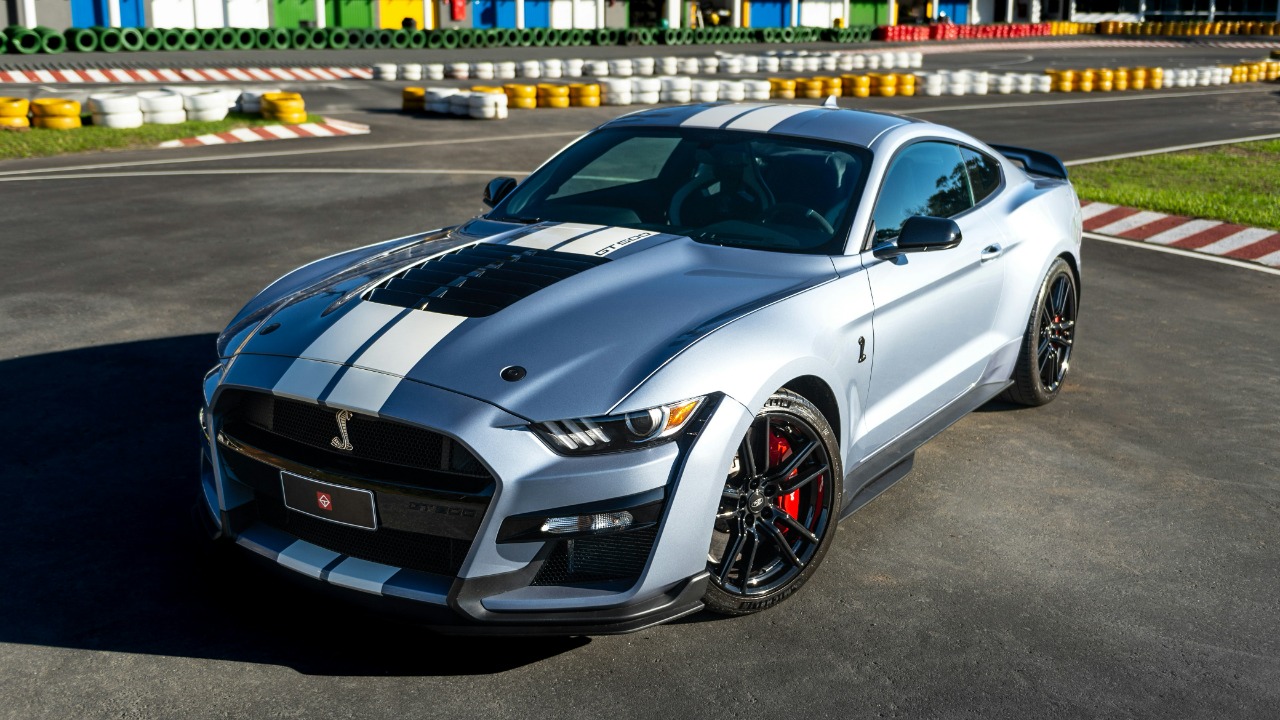
Unlike standard street cars, which are designed for comfort and daily usability, track-ready vehicles are stripped of unnecessary weight and equipped with performance-oriented features. For instance, while a typical sedan may prioritize fuel efficiency and passenger comfort, a track-ready car like the Ford Mustang Shelby GT500 focuses on delivering raw power and agility, with features tailored for racing. Additionally, many of these cars come from manufacturers with a rich racing heritage, such as Porsche or Ferrari, which imbues them with a level of performance engineering that street cars simply cannot match.
Key Performance Features
The heart of any performance car lies in its engine specifications. For a car to be truly track ready, it should boast substantial horsepower and torque, typically in the range of 400 to over 700 horsepower. For example, the 2023 Chevrolet Corvette Z06 offers a 5.5-liter V8 engine that produces 670 horsepower, allowing it to accelerate from 0 to 60 mph in just 2.6 seconds. The engine’s RPM range is also crucial; a broader RPM range allows for more versatility in power delivery, particularly during high-speed maneuvers.
Suspension systems are another critical component of track readiness. Adjustable components, such as coilovers, can allow drivers to fine-tune their car’s ride height and stiffness to suit specific track conditions. The Porsche 911 GT3, for instance, features a sophisticated suspension setup that can be adjusted for both street and track conditions, providing optimal handling and stability. When traversing the twists and turns of a racetrack, a well-tuned suspension ensures that the car maintains traction and control, which can be the difference between winning and losing.
Braking systems also play a pivotal role in track performance. High-performance brakes made from lightweight materials like carbon-ceramic are ideal for dissipating heat generated during aggressive driving. The BMW M4 Competition features an advanced braking system with large rotors and calipers designed for maximum stopping power, ensuring safety and confidence when approaching sharp corners at high speeds. Effective cooling mechanisms, such as ducting, further enhance brake performance by preventing fade during extended track sessions.
Weight and Aerodynamics
Weight reduction is vital for enhancing both performance and handling dynamics. A lighter vehicle accelerates faster and requires less energy to navigate corners. Manufacturers often utilize lightweight materials, such as aluminum and carbon fiber, to shed unnecessary pounds. For example, the Lamborghini Aventador S incorporates extensive carbon fiber elements, which contribute to its low weight while maintaining structural integrity and rigidity.
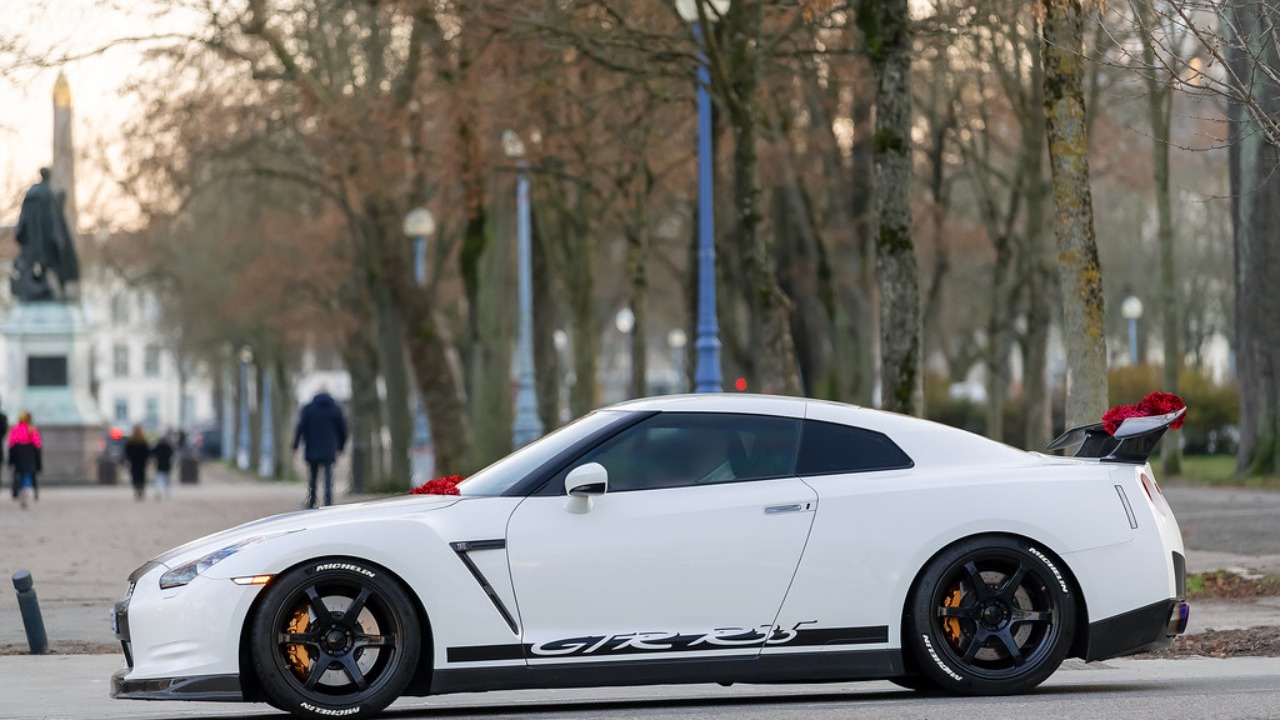
Aerodynamics are equally essential for track-ready cars. Features like spoilers and diffusers are not merely aesthetic; they serve to increase downforce, improving grip at high speeds. The Nissan GT-R is a prime example, with its active aerodynamics that adjust to optimize airflow and stability during track sessions. By enhancing downforce, manufacturers enable drivers to tackle corners with greater confidence and speed, a critical aspect of competitive racing.
Safety Considerations
Safety is paramount in any performance vehicle, but it takes on added significance in track-oriented cars. Essential safety features, such as roll cages, harnesses, and fire suppression systems, are crucial for protecting drivers in the event of an accident. The Ford Mustang Mach 1 is equipped with a robust safety structure designed for track use, providing peace of mind during high-speed runs.
Additionally, track-tested safety ratings and certifications can help buyers gauge a vehicle’s reliability in extreme conditions. Many manufacturers subject their cars to rigorous testing under the supervision of organizations like the National Highway Traffic Safety Administration (NHTSA) to ensure they meet safety standards. Driver aids, such as traction control and stability management systems, also contribute to safety without sacrificing performance. For instance, the Chevrolet Camaro offers advanced driver assistance features that enhance control and stability, making it easier for both seasoned racers and novices to navigate the track.
Cost vs. Value in Track-Ready Cars
When considering a track-ready vehicle, it’s essential to analyze the upfront costs compared to the long-term value it provides. While some models may come with a hefty price tag, such as the Ford Mustang Shelby GT500, which starts at around $70,000, the investment can pay off if you plan to participate in track days or competitive racing. The performance gains and durability of these vehicles often justify the initial expense.
Maintenance and upgrade costs are also factors to consider. Performance cars typically require more frequent servicing and specialized parts, which can add up over time. For instance, replacing brake pads with high-performance options or upgrading tires for track use can be costly. However, many enthusiasts find that the thrill of driving a capable performance car on the track makes these expenses worthwhile.
Lastly, resale value considerations should not be overlooked. Certain track-ready cars, especially those with a strong racing pedigree, tend to hold their value well. Models like the Porsche 911 GT3 often appreciate due to their desirability among collectors and enthusiasts. Understanding the market dynamics for performance vehicles can help buyers make informed decisions that align with their long-term goals.