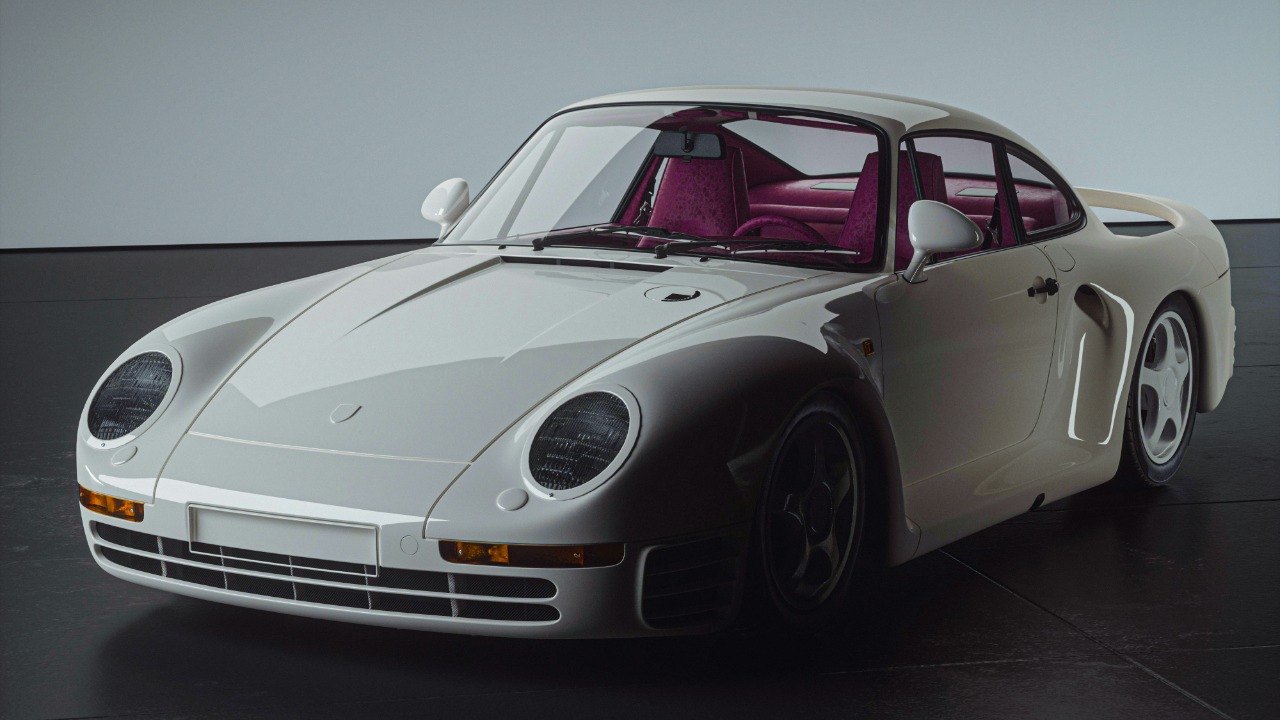
In the mid-1980s, a low, wide coupe from Stuttgart appeared to have skipped a decade of development and landed straight from the future. The Porsche 959 did more than chase top speed bragging rights, it rewrote the rulebook for how a supercar could accelerate, corner, and even survive a rally stage. I see its legacy less in any single statistic and more in the way it forced every rival to rethink what “fast” would mean in the computer age.
Four decades later, the car still feels like a manifesto on wheels, a rolling prototype that escaped the lab and quietly set the template for modern performance engineering. The 959’s blend of all-wheel drive, turbocharging, and electronic control did not just keep an aging sports-car formula alive, it pushed the entire supercar world toward a more sophisticated future.
The 959 as a future shock to the supercar world
When the 959 reached the road, it looked like an evolution of the familiar 911 silhouette, yet its technology made contemporary exotics feel almost analog. I view it as the moment when supercars stopped being only about displacement and drama and started to become rolling systems of integrated hardware and software. Underneath the familiar curves, the car was packed with sensors, computers, and materials that had more in common with aerospace projects than with traditional sports cars.
Porsche itself has described how the 959 was conceived as a car that “jetted in from the future,” a machine whose advanced all-wheel drive, aerodynamics, and electronics turned it into an engineering masterpiece rather than a mere evolution of an existing model. That ambition was not theoretical, it translated into a benchmark that other manufacturers had to chase, from traction systems to composite bodywork. The 959’s influence rippled outward as rivals realized that raw power alone would no longer be enough.
From aging 911 roots to a radical clean-sheet concept
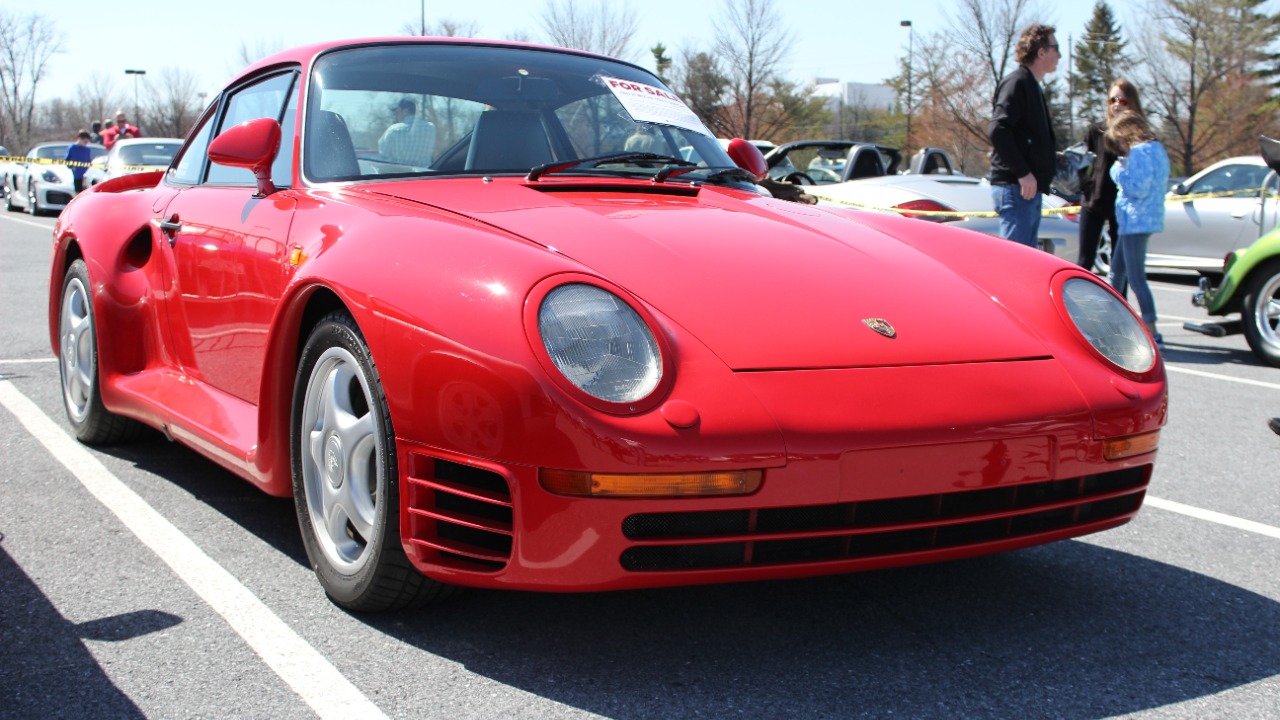
To understand why the 959 hit so hard, I start with the context inside Porsche at the time. The company’s core sports car, the 911, traced its basic design back to 1964, and by the time the 959 project took shape, the brand was wrestling with how to modernize that rear-engined icon without losing its identity. The 1974 930 Turbo had already shown how forced induction could transform the 911, but it also exposed the limits of simply adding power to an old layout.
Reporting on the car’s origins notes that the 959 emerged as a kind of genesis moment for Porsche, bridging the gap between the classic 911 and more advanced ideas that had been explored in the 928 m and other projects. Its development drew on lessons from the 930 Turbo while also acknowledging that the old recipe needed a fundamental rethink. In that sense, the 959 was both a tribute to the rear-engined lineage and a quiet admission that the future would demand far more sophistication than a simple power hike.
Engineering that dragged the industry into tomorrow
What set the 959 apart was not just a long spec sheet, it was the way those systems worked together to deliver performance that felt almost effortless. I see it as one of the first supercars where the computers were as important as the cylinders, constantly shuffling torque, managing boost, and smoothing out the rough edges of extreme speed. The result was a car that could be driven hard by ordinary enthusiasts, not only by racing drivers with lightning reflexes.
Contemporary analysis describes how the 959’s sophisticated drivetrain and chassis forced competitors to “pull their socks up and embrace the future,” a recognition that certain cars in history simply reset expectations. The Porsche 959 Basics included a complex all-wheel-drive system, advanced suspension, and extensive use of lightweight materials, all of which combined to create a level of stability and grip that other supercars of the era struggled to match. That integration of technologies became a blueprint for how high performance would be engineered in the late twentieth century and beyond.
Turbocharged power and the pursuit of usable speed
Under the rear bodywork, the 959’s engine embodied the car’s philosophy of controlled aggression. Rather than chasing a theatrical V12, Porsche opted for a compact flat-six with twin turbochargers, a layout that prioritized packaging efficiency and response. I read that choice as a statement that clever engineering could outdo brute force, especially when combined with intelligent boost management and all-wheel drive.
Detailed breakdowns of the powertrain highlight how this Brutal Twin setup, a turbo engine to reach 200 M and beyond, delivered not just headline numbers but repeatable, controllable acceleration. Under the 959’s rear deck, the twin-turbo flat-six drew heavily from earlier racing development work, translating motorsport lessons into a road car that could sustain extreme speeds without feeling fragile. That focus on usable, durable performance helped redefine what a supercar could be in daily driving, not only on a perfect stretch of autobahn.
Motorsport, rally stages, and a broader legacy
The 959’s story is not complete without its competition pedigree, which I see as proof that its technology was more than a marketing exercise. Built with Group B rallying in mind, the car had to survive brutal off-road stages as well as high-speed tarmac sections, a dual mission that demanded both toughness and finesse. That motorsport pressure cooker accelerated the development of systems that would later filter into more conventional performance cars.
Accounts of its racing program describe how the Porsche 959 became a triumph of engineering excellence and Motorsport dominance, with Origins and Ambitions rooted in proving that advanced electronics and all-wheel drive could win in the harshest conditions. That success did more than fill trophy cabinets, it convinced engineers and executives across the industry that sophisticated drivetrains and computer control were not liabilities in competition but decisive advantages. The ripple effect reached everything from later rally cars to high-performance road-going all-wheel-drive systems.
From cult classic to benchmark for modern hypercars
Today, the 959 occupies a rare space in the collector world, revered not only for its scarcity but for the way it anticipated the modern hypercar formula. I see it as a bridge between analog legends and the electronically managed titans that followed, a car that showed how software and sensors could enhance, rather than dilute, the driving experience. Its influence is visible in everything from active aerodynamics to adaptive suspension and torque-vectoring systems on current flagships.
Comprehensive retrospectives describe how the Porsche 959 left an indelible mark on the evolution of high performance, with The Ultimate Guide framing it as a technological marvel that redefined the supercar in the late twentieth century. That assessment is echoed by enthusiasts who argue that the 959 is One Of The Most Important Porsche Models Of All Times, a Technological Powerhouse and Collector favorite precisely because it previewed so many features that are now taken for granted.
Why the 959 still feels contemporary at 40
Four decades after its debut, the 959’s spec sheet still reads like that of a modern performance car, which is why I consider it less a classic and more an early prototype for the present. Its combination of turbocharged power, all-wheel drive, and electronic management anticipated the architecture of many current supercars and even some high-end SUVs. The fact that its technology does not feel quaint today is perhaps the strongest evidence of how far ahead of its time it really was.
Recent reflections on the anniversary of The Porsche 959 turning 40 describe how it is still the most advanced car ever built in spirit, arguing that the 1985 Porsche 959 pioneered systems that shaped every subsequent generation of performance cars. That perspective, captured in a look at how it proved that advanced electronics and all-wheel drive could coexist with supercar excitement, underlines why the model still commands such respect. For me, that enduring relevance is the clearest sign that the 959 did not just participate in its era, it quietly defined the one that followed.
How Porsche itself frames the 959’s influence
Perhaps the most telling endorsement of the 959’s importance comes from within Porsche. The company now presents the car as a turning point, a project that forced its own engineers to think beyond incremental updates and embrace a more holistic approach to performance. I read that internal narrative as a recognition that the 959 was not simply a halo model, it was a laboratory that reshaped the brand’s entire philosophy.
Official retrospectives explain how the 959’s innovations in aerodynamics, drivetrain control, and materials were later adopted by many other supercar manufacturers, with the car described as a catalyst that inspired a wave of advanced features across the segment. That framing aligns with the broader consensus that the 959 stands as a reference point whenever engineers and enthusiasts debate what it means for a car to be truly ahead of its time. In that sense, the Porsche 959 did not just make supercars rethink the future once, it continues to challenge them to keep up with the standard it set.