The Buick V8 engine, renowned for its impressive torque output, set a high standard in the automotive industry. With a legacy that spans decades, it has become a benchmark against which other engines are measured. Through advancements in engineering and design, the Buick V8 has reshaped expectations in performance, making it a favorite among enthusiasts and everyday drivers alike.
The Evolution of the Buick V8 Engine
The Buick V8 engine made its debut in 1953, representing a significant shift in automotive power. Initially, the engine featured a 322 cubic inch displacement, which provided a robust foundation for future developments. Over the years, Buick engineers focused on enhancing its design, leading to a series of innovations that would ultimately define the engine’s legacy. Key milestones included the introduction of aluminum components in the 1960s, which reduced weight and improved efficiency.
Comparing the Buick V8 to earlier Buick engines, such as the straight-eight, highlights the impressive advancements made in torque and horsepower. While the straight-eight engines produced respectable power, they struggled to match the low-end torque of the V8. The Buick V8’s ability to deliver power at lower RPMs made it an attractive option for both performance cars and heavy-duty vehicles.
Torque: What It Means in Performance
Torque is a critical metric in automotive performance, often misunderstood by casual drivers. Defined as the rotational force produced by an engine, torque influences acceleration, towing capacity, and overall driving experience. Higher torque allows for quicker starts and better performance in demanding conditions, such as towing or off-road driving. For instance, a vehicle with a torque output of 400 lb-ft will outperform one with 300 lb-ft in terms of acceleration from a standstill.
When comparing various engine types, the Buick V8 consistently showcases a competitive edge. For example, while many four-cylinder engines may offer higher horsepower, they often lack the torque necessary for real-world driving situations. The ability of the Buick V8 to deliver substantial torque across a wide RPM range has set it apart from competitors, making it a staple in the industry for decades.
Buick V8 Specifications and Features
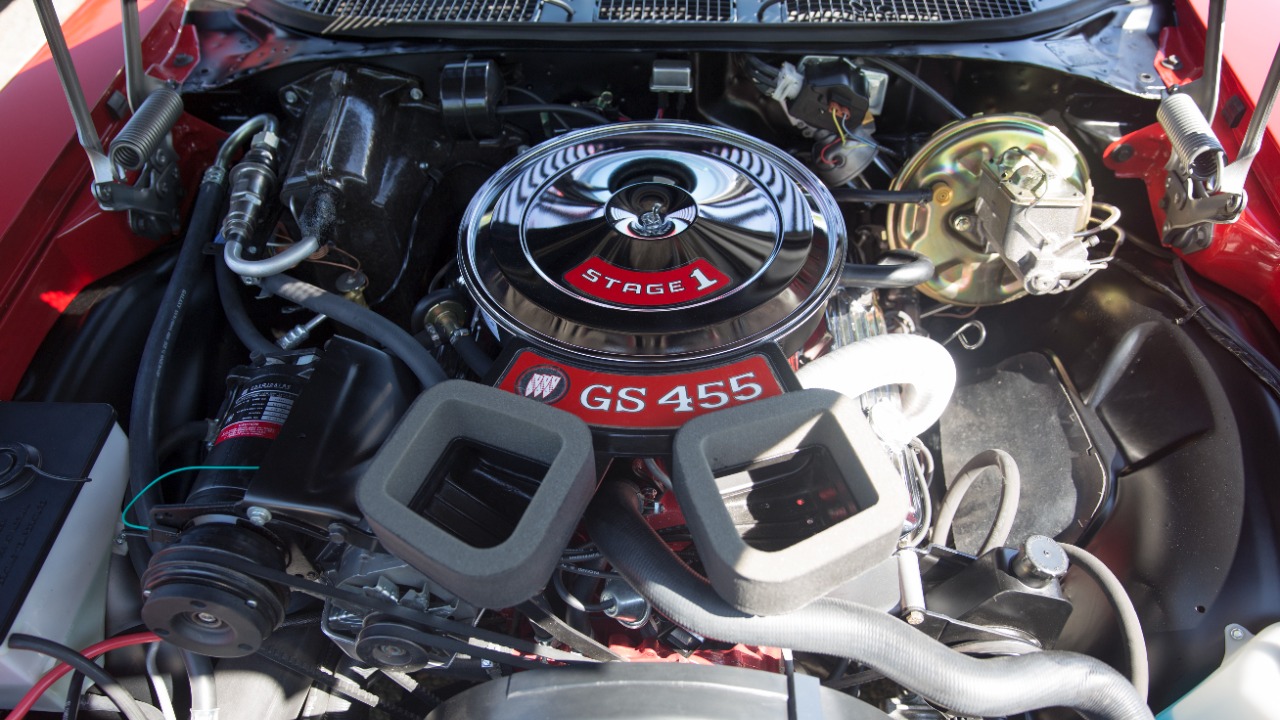
The Buick V8 comes with a range of specifications that underscore its performance prowess. Most notably, the engine has seen various displacements over the years, with the 455 cubic inch version, produced during the early 1970s, offering up to 510 lb-ft of torque. This impressive figure illustrates the engine’s capabilities and its appeal to performance enthusiasts.
Unique engineering features have also played a significant role in enhancing torque production. The camshaft design, for instance, has been optimized to improve airflow and combustion efficiency. Additionally, the intake manifold’s design has been fine-tuned to ensure a steady supply of air and fuel to the combustion chambers, further maximizing torque output. Innovative materials like lightweight aluminum have contributed to the overall durability and performance of the engine, ensuring that it remains a favorite among both collectors and contemporary drivers.
Comparative Analysis with Rival Brands
When examining the landscape of V8 engines, competition from brands like Ford, Chevrolet, and Chrysler cannot be overlooked. Each manufacturer has its own approach to torque production, but the Buick V8 often shines in real-world comparisons. For example, while the Chevrolet 454 engine boasts high horsepower figures, it frequently falls short in low-end torque, making the Buick V8 a more versatile option for various driving scenarios.
In driving tests, the Buick V8 has often outperformed its rivals in acceleration and towing scenarios. Case studies from automotive experts reveal that in towing tests, vehicles equipped with the Buick V8 consistently handled heavier loads with greater ease compared to their competitors. This capability has solidified the Buick V8’s reputation as a reliable powerhouse in the automotive community.
Impact on Automotive Culture and Market
The influence of the Buick V8 extends beyond technical specifications; it has significantly shaped consumer expectations for power and performance. In the 1960s and 70s, Buick’s marketing campaigns emphasized the engine’s torque capabilities, appealing to buyers seeking both performance and reliability. As a result, the Buick V8 became synonymous with American muscle and luxury, fostering a culture that celebrated high-performance vehicles.
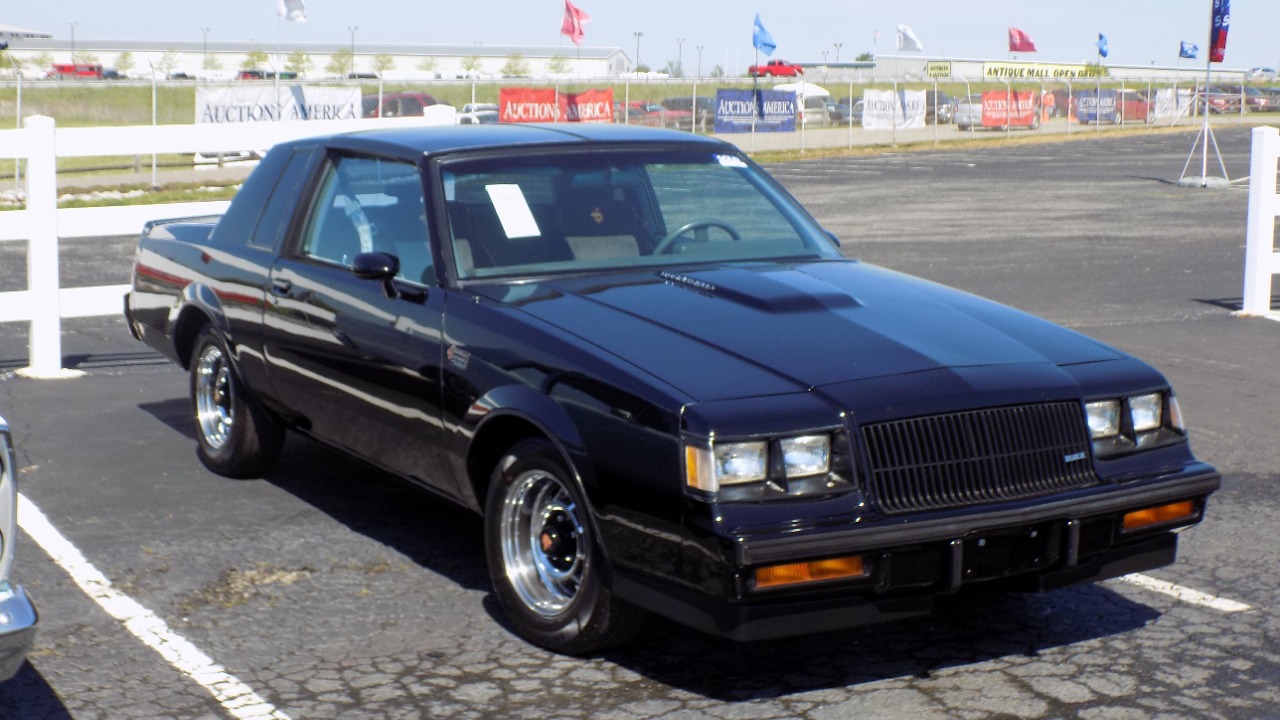
Iconic models like the Buick Riviera and Skylark have become symbols of this legacy, illustrating how the V8 engine can blend performance with style. These models not only showcased the torque capabilities of the Buick V8 but also demonstrated the brand’s commitment to engineering excellence. As enthusiasts restored and preserved these classic cars, they helped reinforce the Buick V8’s status in automotive history.
Technological Innovations and Engineering Advances
The development of the Buick V8 engine has been accompanied by key technological innovations that have enhanced its performance. Advances in fuel injection technology, for instance, have allowed for more precise fuel delivery, improving combustion efficiency and overall power output. Additionally, the integration of computer-aided design (CAD) tools has enabled engineers to optimize the engine’s components for weight and performance.
Research and automotive testing have played crucial roles in refining the Buick V8’s design. Extensive testing under various conditions has led to improvements in durability and efficiency, ensuring that the engine can withstand the rigors of everyday driving as well as high-performance applications. Collaborations with other sectors, such as aerospace engineering, have introduced new methods and materials that further enhance the engine’s capabilities.
Real-World Applications and Performance Reviews
Real-world applications of the Buick V8 engine consistently demonstrate its impressive performance. Automotive experts and enthusiasts have praised its ability to perform well in towing tests, often exceeding expectations. For instance, in a practical towing test with a 1970 Buick Electra 225, the V8 engine managed to pull a 5,000-pound trailer with remarkable ease, showcasing its torque capabilities in a real-world setting.
Performance reviews often highlight the Buick V8’s versatility across various driving conditions. Whether navigating city streets or tackling rugged terrain, the engine’s low-end torque provides a responsive driving experience. Enthusiasts have reported that the Buick V8 exhibits smooth acceleration and power delivery, making it an ideal choice for both casual cruising and spirited driving.
The Legacy of the Buick V8 Engine
The Buick V8 engine has left an indelible mark on modern engine design and performance standards. Its influence is evident in the evolution of engine technology, where many contemporary engines strive to replicate the torque characteristics that the Buick V8 made famous. The engine’s design principles have inspired subsequent models, both from Buick and other manufacturers, ensuring that its legacy endures.
As automotive technology continues to advance, the Buick V8 remains a relevant figure in today’s landscape. Its unique blend of power, torque, and reliability ensures that it will be remembered as a pioneering force in the world of performance engines. The nostalgia surrounding classic Buick V8 models fuels ongoing interest, and many enthusiasts actively seek to restore and preserve these iconic vehicles.
Future of V8 Engines in an Evolving Market
The automotive industry is undergoing a transformation, with a shift towards electric and hybrid vehicles impacting the future of traditional V8 engines. As manufacturers focus on sustainability and fuel efficiency, the demand for high-performance V8 engines may decline. However, many enthusiasts and collectors remain passionate about these engines, preserving their legacy even in a changing market.
Despite the growing popularity of alternative powertrains, there is a segment of consumers who continue to value the performance and driving experience offered by V8 engines. Predictions suggest that while the Buick V8 may evolve or be reimagined in future models, it will maintain a place in automotive culture as a symbol of power and performance. The ongoing relevance of the Buick V8 is evident in events like classic car shows, where it remains a favorite among enthusiasts and collectors alike.
More from Fast Lane Only