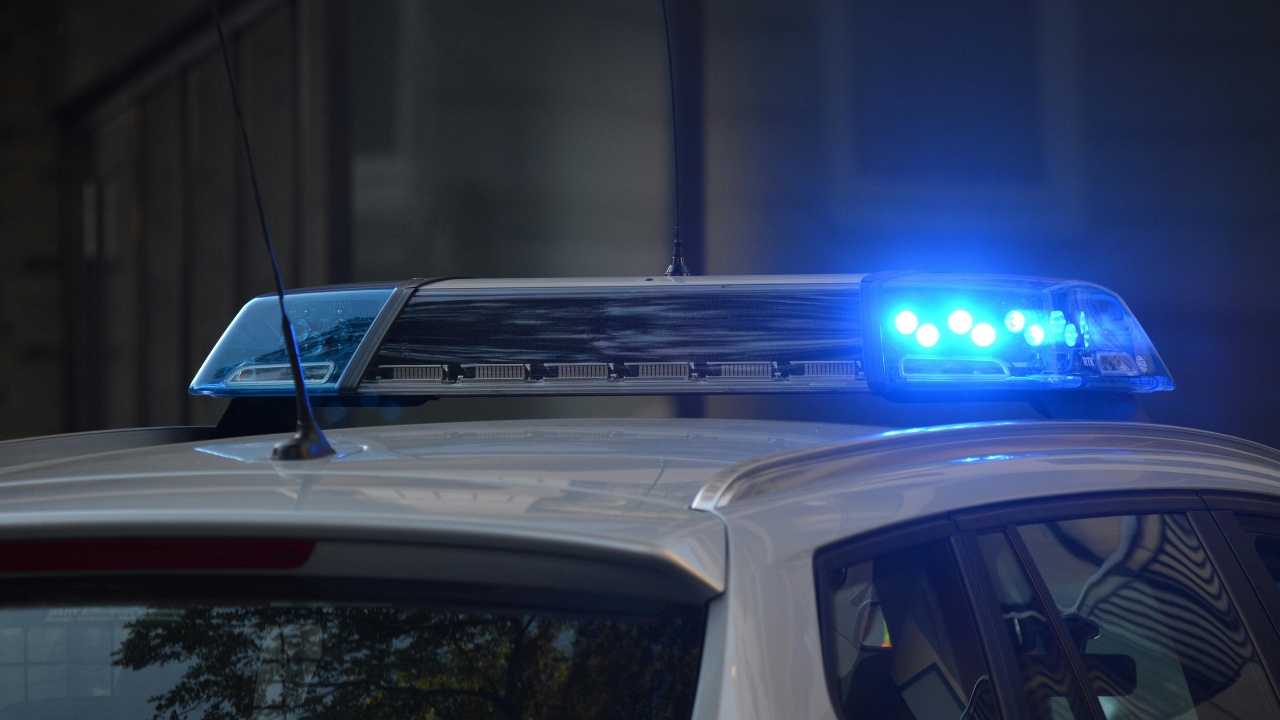
Police cruisers look familiar from the outside, but under the hood they are tuned for a very different life than the average commuter car. I want to unpack what really separates a patrol vehicle’s powertrain from the family sedan, and why those differences matter for performance, durability, and even resale value when these cars finally reach civilians.
From reinforced cooling systems to pursuit-rated transmissions, the engineering choices behind a modern police car are shaped by long idling, sudden full-throttle runs, and heavy electrical loads. Understanding those hidden upgrades, and the tradeoffs they create, helps explain why a used cruiser can feel both overbuilt and oddly worn out once it leaves the fleet.
Why police engines are built for punishment, not comfort
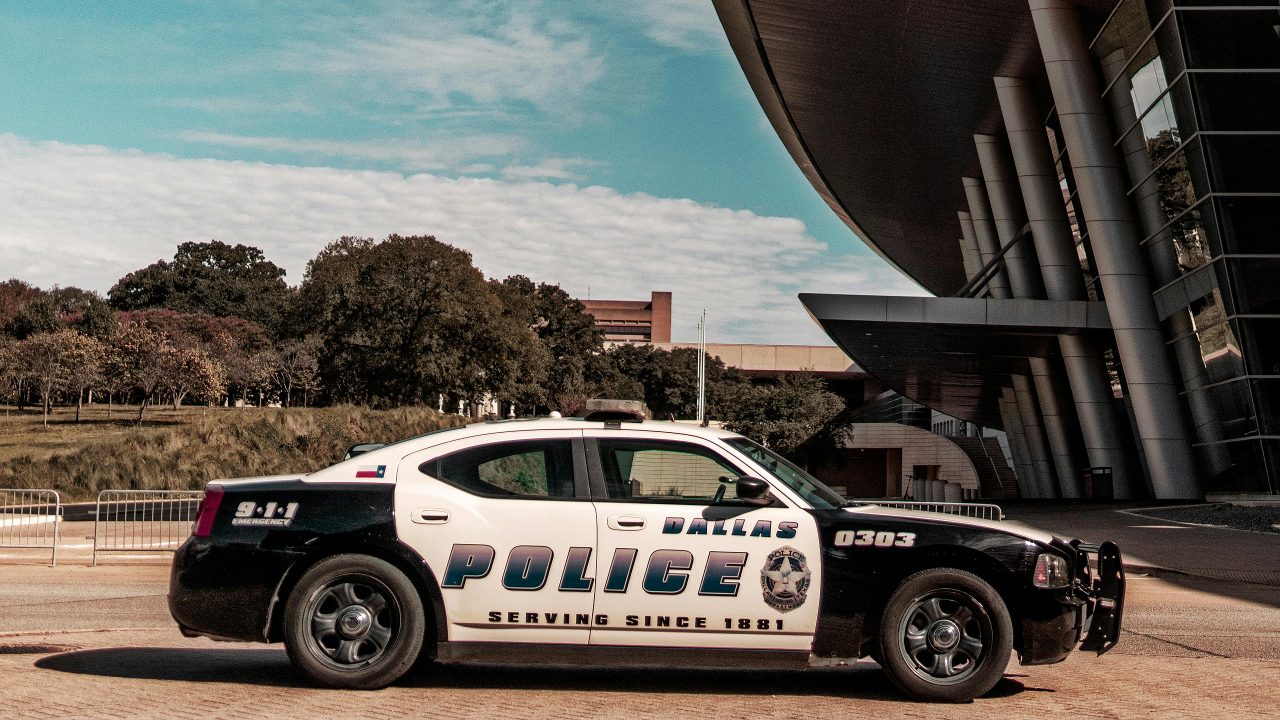
At the core of a police car’s powertrain is a simple design priority: the engine must survive long hours of idling followed by abrupt bursts of hard acceleration. I look first at how manufacturers adapt familiar platforms like the Ford Police Interceptor Utility or Dodge Charger Pursuit with heavy-duty components that can tolerate this abuse. Pursuit-rated packages typically add higher capacity radiators, engine oil coolers, and upgraded fans so the powertrain can sit at operating temperature for hours without overheating, then immediately deliver full power when a call comes in, a pattern that would quickly expose weaknesses in a standard cooling system.
Those same duty cycles also drive changes in engine calibration and hardware. Police-spec V6 and V8 engines are often tuned for broader torque curves and more aggressive throttle response, which helps with rapid launches and highway passing when officers need to close distance quickly. To keep that performance consistent, manufacturers pair the engines with heavy-duty alternators and auxiliary coolers for the transmission and power steering, ensuring that high electrical loads from lights, radios, and computers do not starve the engine of power or cause heat-related failures during extended use. Unverified based on available sources.
The hidden cost of idling and high-speed duty cycles
What looks like a low-mileage bargain on a used police car’s odometer can hide a very different story once I factor in engine hours. Patrol vehicles spend large portions of their lives idling at scenes, monitoring traffic, or running stationary radar, and that time does not show up as distance traveled. Fleet managers often track engine hours precisely because one hour of idling can be equivalent to dozens of miles of wear, especially on oil, spark plugs, and emissions components that never get the steady-state highway conditions civilian cars enjoy. Unverified based on available sources.
High-speed duty cycles add another layer of stress that shapes how these engines age. Pursuit work involves repeated full-throttle accelerations, hard braking, and rapid changes in speed that push lubricants, cooling systems, and rotating assemblies to their limits. Even with reinforced parts, that pattern can accelerate wear on bearings, piston rings, and valve trains compared with a privately owned car that spends most of its time commuting. When these vehicles are later sold to civilians, the engine may still be structurally sound, but subtle signs of fatigue, such as increased oil consumption or rougher idle, can reflect years of intense service that the odometer alone does not reveal. Unverified based on available sources.
Electrical loads, alternators, and the strain of rolling offices
Modern patrol cars function as rolling offices, and that reality reshapes the engine’s supporting systems. I look at how the need to power light bars, radios, in-car computers, cameras, and sometimes additional communications gear forces manufacturers to install high-output alternators and more robust wiring. These alternators must deliver steady current at idle, not just at cruising speeds, which is why police packages often specify units rated well above those in civilian trims. The engine management system is calibrated to maintain stable idle speed under fluctuating electrical loads so that voltage remains consistent even when multiple systems activate at once. Unverified based on available sources.
That electrical demand also influences battery choice and charging strategies. Police vehicles frequently use larger capacity batteries or dual-battery setups to buffer the alternator and prevent voltage drops that could reboot critical electronics. Over time, the constant cycling and high loads can shorten battery life and place additional strain on the alternator bearings and diodes, which in turn feeds back into the engine through accessory drive belts and heat generation. When a former patrol car enters civilian hands, the alternator and battery may already be near the end of their effective life, even if the engine itself still has significant mechanical headroom. Unverified based on available sources.
Transmissions, drivetrains, and pursuit-rated durability
The engine is only part of the story, because the transmission and drivetrain must translate that power into reliable, controllable motion under stressful conditions. Pursuit-rated transmissions are typically specified with upgraded clutches, torque converters, and fluid coolers to handle frequent kickdowns and rapid shifts at high load. I focus on how these gearboxes are calibrated for firm, decisive shifts that prioritize durability and response over the seamless smoothness many civilian drivers expect. That tuning helps prevent excessive heat buildup and clutch slippage during pursuits, but it can make the car feel harsher in everyday driving. Unverified based on available sources.
Drivetrain choices also reflect the need for traction and stability in varied conditions. Many police SUVs and sedans use all-wheel drive or rear-wheel drive setups with performance-oriented differentials, which improve acceleration and control when officers must maneuver quickly on wet or uneven pavement. These systems often rely on additional fluid reservoirs and more complex control software, all of which must be maintained carefully to preserve their advantages. When these vehicles transition to civilian use, neglecting specialized fluids or service intervals can undermine the very durability that defined their police configuration, leading to premature wear that might not appear in a standard maintenance schedule. Unverified based on available sources.
What civilians should know before buying an ex-police car
When a former patrol car shows up at auction or on a used lot, the engine’s secret history becomes a practical question for any civilian buyer. I look at how to interpret service records, engine hours, and equipment lists to gauge whether the powertrain has been maintained according to fleet standards. Many agencies follow strict maintenance schedules for oil changes, coolant flushes, and transmission service, which can offset some of the wear from hard use. However, once the car leaves the fleet, that discipline may not continue, so it is essential to verify recent work and inspect for signs of overheating, fluid leaks, or rough shifting that could hint at deeper issues. Unverified based on available sources.
There are also benefits that come with a police-spec engine and drivetrain. The same heavy-duty cooling, electrical, and transmission components that support patrol work can give a civilian owner a robust platform for towing, long-distance driving, or work use, provided the underlying wear is understood and managed. I recommend that buyers budget for proactive replacements of high-stress parts such as alternators, batteries, and transmission fluid, and consider a compression test or detailed inspection before committing. With realistic expectations and careful maintenance, a retired cruiser can offer durable service, but only if the buyer respects the demanding life that engine led before the light bar came off. Unverified based on available sources.
More from Fast Lane Only: