Before an officer ever walks up to your window or steps onto a sidewalk to talk with you, that officer is already reading you. Training pushes officers to scan for subtle movements, glances, and patterns in what you say and what you do not say, then decide whether a simple conversation is enough or whether safety tactics need to come first. When you understand those signals, you can better predict why an officer chooses a certain tone, a specific question, or even a quick command.
How officers “scan” you before they speak
You might think the encounter starts with “license and registration,” but for the officer it usually starts several seconds earlier. Modern problem-oriented policing teaches that officers begin with Scanning, a process where they look for and prioritize situations that can lead to crime or harm. As you step out of a store or sit in a parked car, they are already asking themselves whether what they see fits a problem pattern they have been briefed on.
That early scan shapes the first question you hear. If your behavior matches a known pattern around a high-crime intersection, you are more likely to hear specific, directed questions instead of small talk. When nothing about you or your surroundings fits a known risk, the officer may keep the tone casual and exploratory, using open questions to see whether anything feels off once you answer.
Traffic stops and the language of hand signals
On the road, officers often speak to you with their hands before they say a word. Traffic specialists from groups such as Traffic units in the PNP, the HPG, and the MMDA are trained to stand in the center of chaotic intersections and use standard gestures so drivers and pedestrians know when and where they can proceed. They rely on clear movements that cut through engine noise and honking.
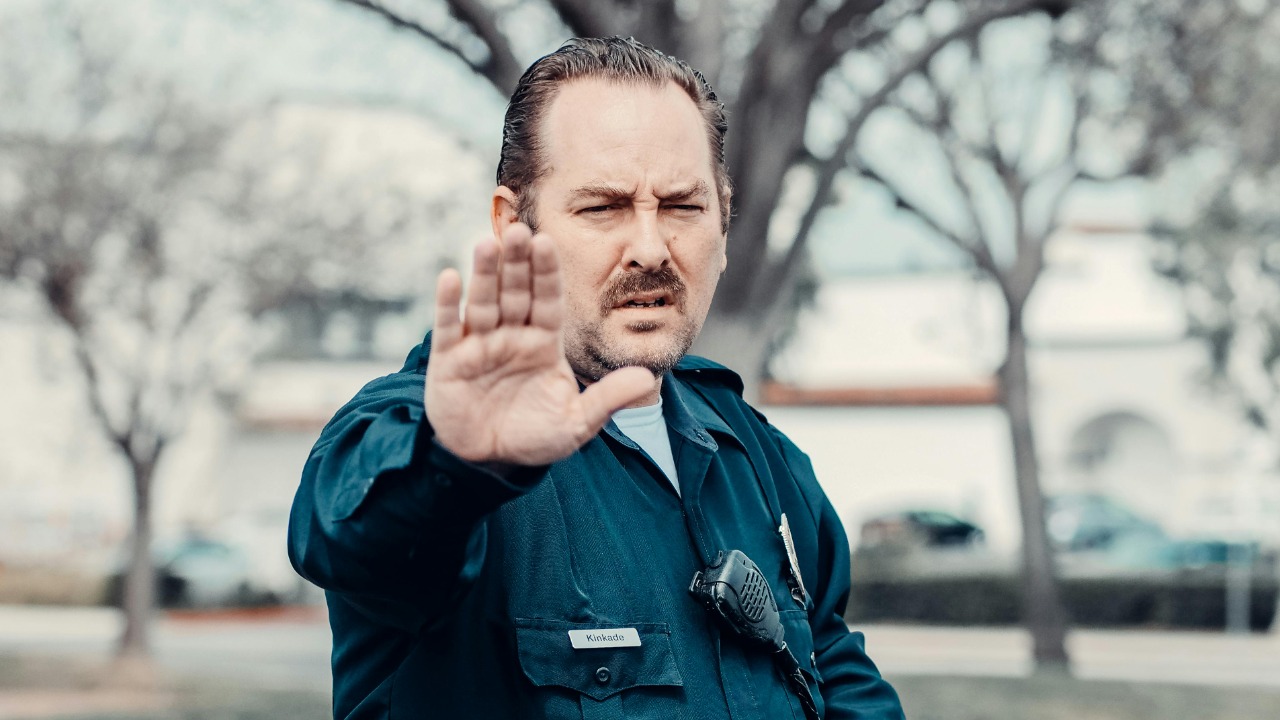
When you see an officer hold an arm out with the palm facing you, that is a universal stop sign. Training guides describe how you should respond to a signal to go straight on when an officer tells you to Hold your line, or how to Turn Left when they Indicate with an extended arm. Another explanation of traffic control notes that even though the classic extended arm with palm forward has never been written into statute, it is widely accepted as the official stop gesture for a vehicle proceeding through the.
Those signals are not suggestions. Training materials stress that when you see instructions like When Are Police Hand Signals Used or the word Always in that context, you are being told that failure to follow the gestures can be against the law. If you ignore them or respond slowly, you immediately change the way the officer reads you, and the next words you hear are far more likely to be sharp commands than gentle questions.
Pre-attack cues that change the conversation
Officers are also trained to look for physical tension that might hint at violence. Before a suspect runs, instructors point out that the person will almost always look where they plan to go. In one training description, that glance is described as rarely subtle and not casual scanning. It is a focused check of the escape route that tells the officer this person is thinking about flight, not cooperation.
Specialist trainers have mapped out at least ten non verbal signs that officers are told to recognize and interpret before an attack. In one set of materials tied to Calibre Press and the book Street Survival II, you see examples like a subject who suddenly stops talking in mid sentence, or a subject who suddenly starts talking more, agrees when they did not before, or disagrees when they did not before. The same guide notes that They may send others away from the area just before acting. When you show those shifts, an officer often moves from friendly questions to short, direct commands, because the signals suggest a fight is coming.
Body language training goes beyond violence. Some legal educators explain that Police are not trained to diagnose anxiety, but they are trained to interpret behavior. They highlight signs like Heavy breathing, shaking hands, and fast talking. You might just be nervous, but to the officer those are stress cues that need context. If your story and your surroundings explain the stress, the questions may soften. When nothing around you justifies that level of tension, the officer may ask more probing questions to find out what is wrong.
How officers read your words, silence, and lies
Once an officer starts talking with you, the way you answer can matter as much as what you say. Interview trainers describe how you can learn to watch non verbal cues during witness interviews, and officers receive similar guidance. In one instructional video that asks what non verbal cues police should look for during witness interviews, you see a focus on facial expressions, posture, and changes in tone that do not match the story being told. That same approach is used with suspects, especially when the officer suspects deception.
Legal commentary on interrogation explains that, However, law enforcement officers are trained to detect deception, and they use a variety of technique to decide whether someone is lying. Those techniques include comparing your current answers to what they already know, watching whether your body stiffens at certain topics, and noticing if your breathing or eye contact changes when a specific detail comes up. Guidance on lie detection through body language adds that Finally, you should always consider the context, because most of these signals are signs of stress and anxiety, not automatic proof of guilt. If you are in an interrogation room and feel intimidated, your body may show stress even when you tell the truth.
That is why you may hear an officer circle back to the same question more than once. They are not just hoping you slip. They are watching whether your signals stay consistent or whether your body reacts differently when the topic hits something you want to hide.
Radio codes and the quiet labels on your encounter
Even before you hear a knock on your car window, officers may already have labeled you over the radio. A 911 dispatcher described how their agency uses a code called signal 7 for an intoxicated individual, while noting that this could simply be what their units use. That comment, shared on a discussion thread about a body camera clip, shows how your behavior might be reduced to a short phrase before the officer reaches you. When you hear a reference to 911 on the radio, you may be listening to more than just a call number.
Some agencies still rely on classic 10 codes. A study guide explains that the 10 codes enable officers to relay critical information quickly and efficiently so that all units are aware of the situation and can coordinate their actions accordingly. Another overview notes that the 10 code system, developed in the mid twentieth century, assigns each number pair a specific message or status. In one list of Oregon scanner traffic, you see examples like 10 36 for Correct time and date, 10 50 for Accident (minor or major), 10 97 for Arrived at scene, and 10 99 for Wanted or stolen vehicle. When you hear those numbers, you are hearing a short summary of what officers think you are involved in.
Not every region still uses coded language. One officer responding to a question about different police codes explained that, in a lot of places including where they work, agencies have done away with the 10 codes and use plain English that everyone can understand. That shift, shared in a public answer on English radio traffic, means you are more likely to hear your situation described in clear words instead of numbers. Even then, the label the officer chooses shapes how backup units see you before they ever arrive.
More from Fast Lane Only