The Pontiac Safari performance wagons occupy a narrow but fascinating lane in American automotive history, blending family practicality with genuine muscle in a way few rivals attempted. From the mid‑1950s two‑door sport wagons to the later Bonneville‑based haulers, Pontiac treated the wagon not as a compromise but as another canvas for power and style. The story behind these rare machines traces changing tastes, ambitious engineering, and a brief moment when a station wagon could credibly double as a street racer.
Motorama dreams and the birth of the Safari
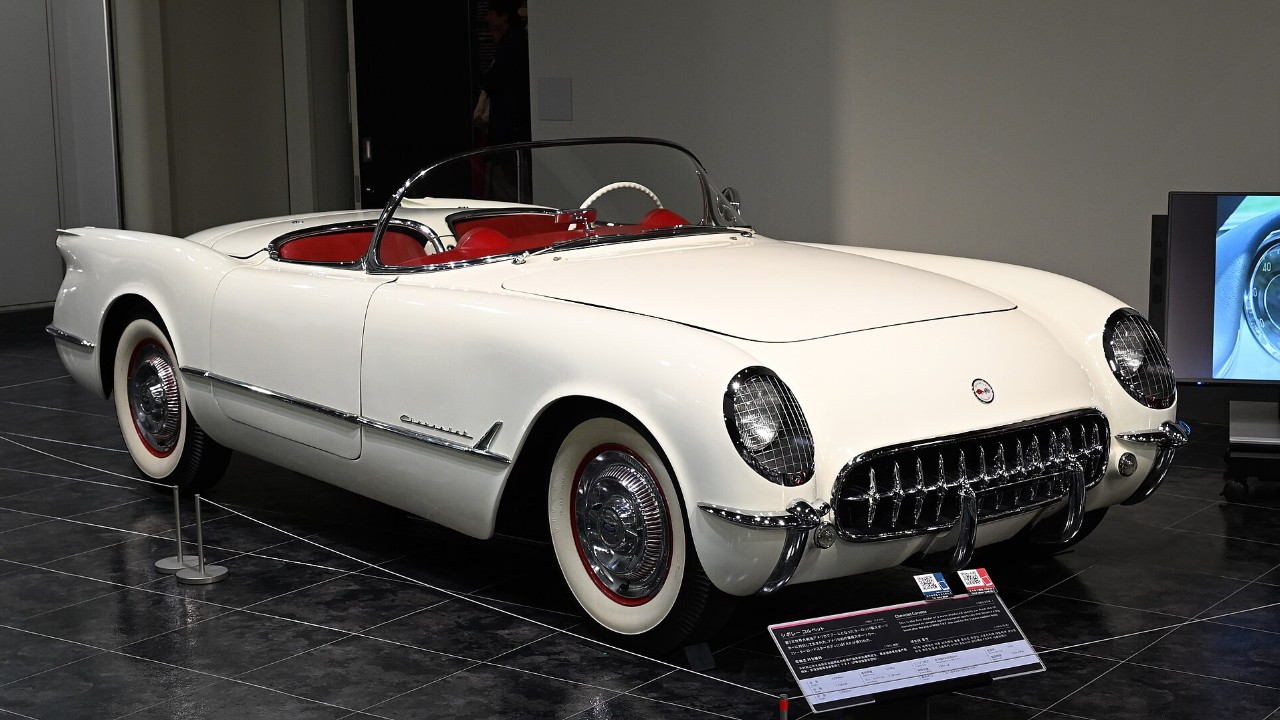
The origins of the Pontiac Safari are inseparable from General Motors’ show‑car theatrics in the mid‑1950s. The concept that set everything in motion was the Motorama Nomad, a sleek two‑door wagon that previewed how utility could be wrapped in sports‑car sheetmetal. Pontiac adapted that idea to its longer Chieftain chassis, which used a 122-in wheelbase, and created a divisional counterpart to the Chevrolet Nomad that was more than a simple badge swap. The first-generation Pontiac Safari was explicitly developed as a counterpart to the Chevrolet Nomad, but Pontiac’s designers and engineers stretched the proportions and upgraded the trim to position it as a more upscale, performance‑oriented wagon.
That positioning was reflected in both price and specification. Contemporary reporting notes that the Safari cost around $500 more than its Chevrolet sibling, a significant premium in the mid‑1950s, and that extra money bought more standard equipment, including a 287 cubic‑inch V8 and leather upholstery. The Safari’s Motorama‑inspired styling, with its dramatic roofline and brightwork, translated into limited production rather than mass‑market ubiquity. Motorama inspired Safaris accounted for just 9,094 examples, while the Chevy Nomad reached 20,092 units, a disparity that helps explain why the Pontiac variant is far rarer on today’s roads and in collections.
Two-door sport wagon, performance car in disguise
From the outset, Pontiac treated the Safari as a genuine performance wagon rather than a mere family hauler. The early two‑door models were available with the new 287 V8, and period descriptions emphasize that these wagons were as much sports cars as they were utility vehicles. In 1955, the 287-cubic-inch engine produced up to 180 horsepower, a figure that placed the Safari squarely in the upper tier of station wagons for output at the time. Combined with the stiffer chassis of the Chieftain and the lower, sportier roofline derived from the Motorama Nomad, the result was a car that could credibly keep pace with contemporary coupes while still carrying luggage and passengers.
The 1957 evolution of the Safari sharpened that dual personality. Built on the same basic platform as the Chevrolet Nomad, the Safari distinguished itself with Pontiac’s split grille, heavier chrome accents, and a more assertive stance. The 1957 Pontiac Safari Wagon was available with a variety of engine options, including a 270 horsepower V8 and a 285 horsepower V8, which pushed the wagon firmly into performance territory. Contemporary enthusiasts describe the 1957 Pontiac Safari Wagon as stylish and upscale, with its combination of power and design making it a standout among 1950s wagons. The fact that Pontiac offered such robust engines in a two‑door wagon underscores how seriously the division took the idea of a performance‑oriented family car.
Rarity, price premium, and the shadow of the Nomad
Despite its technical merits, the Safari never matched the Chevrolet Nomad in sales, a gap that has only amplified its mystique among collectors. As the premium counterpart to Chevrolet’s Nomad, the high‑end two‑door wagon commanded roughly a 20 percent price premium over its corporate cousin. That higher cost, combined with Pontiac’s more conservative brand image at the time, limited the Safari’s audience. While the Chevy Nomad moved 20,092 units, the Motorama inspired Safaris totaled just 9,094, a stark illustration of how the market favored the slightly more affordable and more widely promoted Chevrolet version.
Yet the very factors that constrained the Safari’s commercial success have made it especially coveted today. The Pontiac Safari shared many mechanical components with the Chevrolet Nomad, which helped General Motors spread development costs, but Pontiac’s wagon was wider and more lavishly trimmed. Enthusiast accounts emphasize that the Safari’s two‑tone paint schemes, extensive chrome, and upscale interiors set it apart from the Nomad in person, even if the basic silhouette was similar. The Pontiac Safari’s origins alongside the Chevrolet Nomad and the Motorama Nomad concept mean it lives in the same design conversation as some of GM’s most celebrated 1950s show cars, but its lower production numbers and higher original price have left it a rarer sight at auctions and shows.
From Safari to Bonneville: the muscle wagon idea matures
By the end of the 1950s, Pontiac began to apply the Safari name to larger, more luxurious wagons, and the performance theme followed. The 1959 Pontiac Bonneville Safari shocked Detroit by pairing a station wagon body with power and presence more commonly associated with Cadillac. Contemporary descriptions highlight its Cadillac-like aura and street racer power, which made it one of the most powerful wagons in America and placed it near the top of the price ladder at nearly $3,500. The Pontiac Bonneville Safari thus extended the original Safari idea into a new segment, one where full‑size wagons could deliver both family space and serious straight‑line performance.
The early 1960s pushed that concept even further. A one-of-one 1964 Pontiac Bonneville Safari, recently Rediscovered and rescued, has drawn attention for its rare Tri-Power engine and one-of-a-kind interior configuration. The Tri Power setup, with its trio of carburetors, was a hallmark of Pontiac’s performance push in the muscle‑car era, and its presence in a wagon underscores how the division blurred the line between practical transport and high performance. Enthusiasts point to this particular Bonneville Safari as a rolling reminder of the golden age of performance, when even a family wagon could be ordered with serious hardware if a buyer knew which boxes to tick.
The long fade of the performance wagon
As the decades progressed, the market that had briefly supported high‑powered wagons began to erode. By the late 1980s, demand for full-size station wagons had declined sharply, and Pontiac became the first GM division to retire the body style. The Safari name, once attached to glamorous two‑door sport wagons and muscular Bonneville‑based haulers, gradually disappeared from new‑car showrooms as minivans and sport‑utility vehicles took over the family‑car role. The shift reflected broader changes in American tastes, where buyers who once might have chosen a powerful wagon increasingly gravitated toward other forms of practical performance.
Yet the legacy of the Pontiac Safari performance wagons continues to resonate among enthusiasts and historians. The early two‑door Pontiac Safari, developed as a counterpart to the Chevrolet Nomad, demonstrated that a wagon could be engineered and marketed as a premium, performance‑oriented product. Later, the Pontiac Bonneville Safari and special Tri Power equipped examples showed that the muscle‑car ethos could be applied to family vehicles without sacrificing comfort or style. In an era when crossovers dominate, the story of the Safari stands as a reminder that practicality and performance once met in a very different silhouette, one that remains rare, distinctive, and deeply evocative of mid‑century American automotive ambition.
More from Fast Lane Only