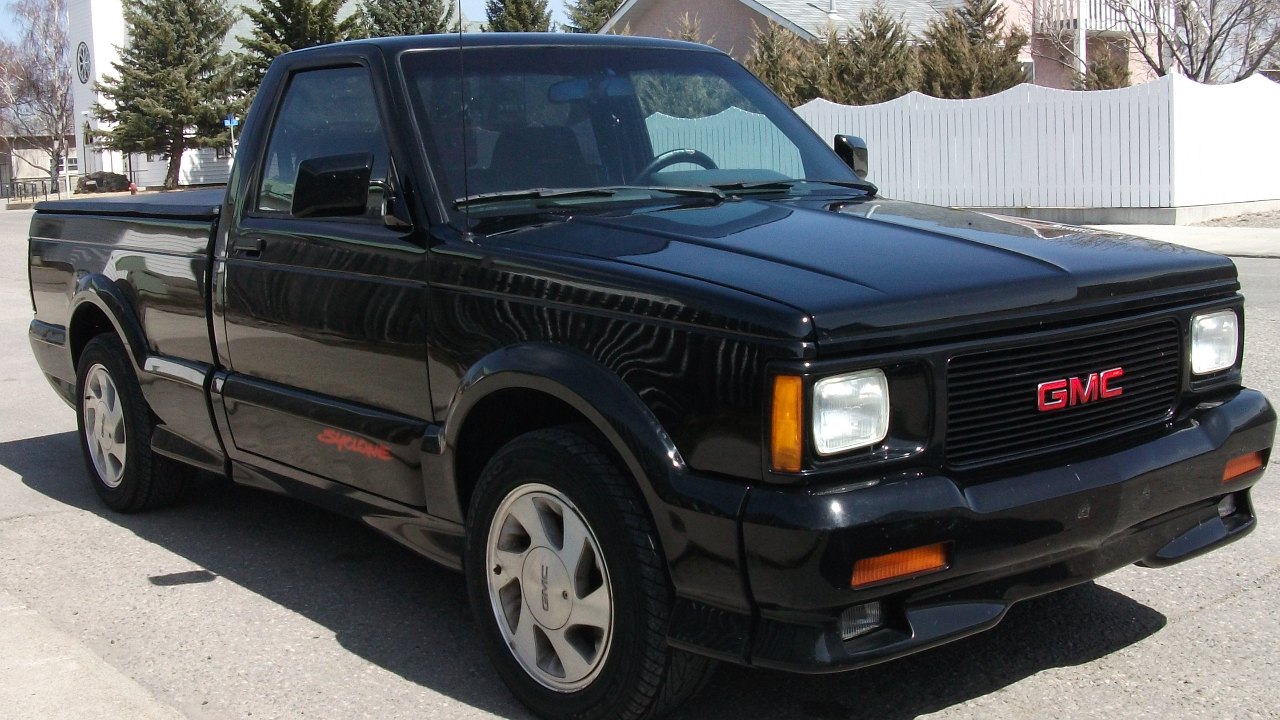
In the early 1990s, a compact GMC pickup quietly rewrote the performance rulebook. The GMC Syclone arrived as a short-bed work truck on paper, yet it accelerated with the ferocity of contemporary supercars and humbled respected sports machines in instrumented testing. Its brief production run and unlikely format only sharpened its legend, leaving a lasting mark on how automakers think about speed, utility, and image.
What shocked enthusiasts most was not simply that a truck could be quick, but that this one was objectively faster than some Ferraris and Corvettes of its era. By pairing a turbocharged V‑6 with all-wheel drive and drag-strip gearing, GMC created a factory sleeper that embarrassed traditional performance hierarchies and previewed the modern era of high-performance pickups and SUVs.
The unlikely recipe behind a supercar-slaying pickup
The Syclone’s core provocation was conceptual as much as mechanical: it took the humble compact pickup format and treated it like a sports car platform. Instead of chasing towing capacity or payload, GMC engineers prioritized acceleration, traction, and response, turning a regular Sonoma-based chassis into a street-focused weapon. Contemporary coverage described how the truck’s 4.3‑liter V‑6 received a turbocharger, intercooler, and internal upgrades that lifted output to a quoted 280-hp, a figure that placed it squarely in sports car territory at the time.
That power figure only told part of the story. Reports on the Syclone’s development note that the engine was tuned to deliver a thick plateau of torque, with some sources citing 280 horsepower and 350 lb-ft working through a fortified automatic transmission and full-time all-wheel drive. The combination meant that, from a standstill, the Syclone could deploy its power with minimal wheelspin, translating its 280 and 350 numbers into startling real-world thrust. Period testing recorded 0 to 60 m times as low as 4.3 seconds, a figure that would still be respectable for a modern sports coupe and was extraordinary for a boxy pickup in the early 1990s.
How a black GMC stunned Ferraris and Corvettes
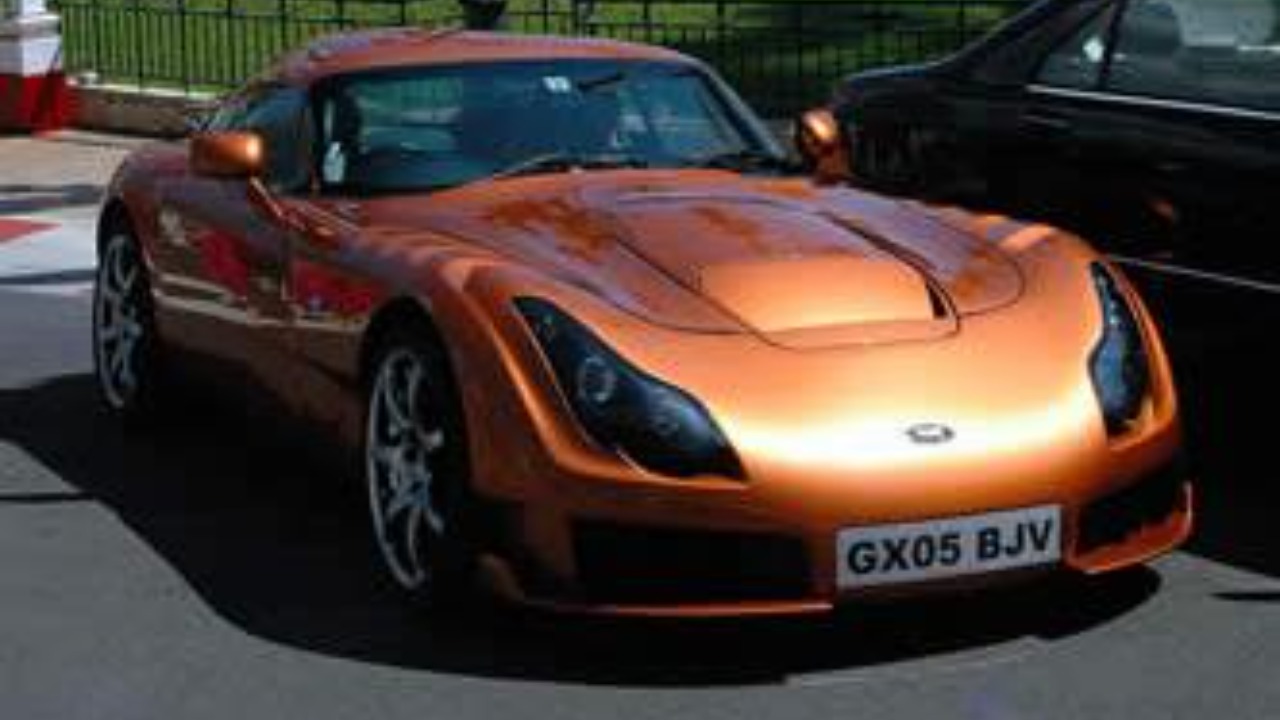
The Syclone’s reputation was cemented not in marketing copy but in comparison tests that pitted it directly against exotic machinery. One widely cited evaluation placed a production Syclone alongside a contemporary Ferrari, and the compact truck simply left the Italian car behind in a straight-line sprint. Coverage of that showdown recalls how the Ferrari, despite its pedigree, could not match the turbocharged pickup’s launch and short-distance acceleration, a result that helped put the Syclone on the cover of enthusiast magazines and into performance folklore.
Other reports underline that this was not a one-off fluke. Analyses of period data show the Syclone consistently out-accelerated some Ferraris and Corvettes of its day, with 0–60 m times in the low 4-second range and quarter-mile runs that matched or beat established sports cars. One retrospective described the 1991 GMC Syclone as a truck that “defied the laws of physics,” noting that the boxy compact pickup out-accelerated Ferraris in real-world testing. Another account of the same era emphasizes that Car and Driver put the truck on the cover alongside a Ferrari that was shamed by the 280-hp pickup, underscoring how seriously the performance world took this unlikely challenger.
Turbocharged acceleration that shocked the industry
What made the Syclone so disruptive was not just that it was quick, but how it delivered that speed. Contemporary technical breakdowns describe a drivetrain calibrated for brutal, repeatable launches, with the turbocharged V‑6 spooling quickly and the all-wheel-drive system clawing at the pavement. One analysis of the truck’s engineering notes that the Syclone’s drivetrain did more than generate headline numbers, it translated them into real-world acceleration that forced rivals to reconsider what a pickup could be. The phrase “Turbocharged Acceleration That Shocked The Industry” has been used to capture how its 0–60 m performance reset expectations for utility vehicles.
Enthusiast retrospectives often highlight that the Syclone’s 4.3‑second dash to 60 m was quicker than many contemporary sports coupes and even some halo cars. A detailed comparison table in one report lists the Syclone alongside traditional performance benchmarks under headers like Vehicle, Engine, Horsepower, and 0–60 mph, showing that the truck’s metrics stacked up favorably against respected nameplates. Period testing revealed numbers that, as one writer put it, would have seemed ridiculous to even think about for a pickup only a few years earlier. The result was a vehicle that did not just nibble at the edges of sports car performance, it barged straight into the conversation and demanded to be taken seriously.
Why the market did not understand it
For all its performance heroics, the Syclone struggled to find a broad audience, and later analyses have been blunt about why. One detailed breakdown, framed under the idea of “Why The Market Didn’t Understand It,” argues that buyers in the early 1990s were not prepared for a compact truck that sacrificed traditional utility for speed. The Syclone’s lowered ride height, limited payload, and single-cab layout meant it was less practical than a standard pickup, yet its badge and body style did not carry the prestige of a European sports car. That left it in a strange middle ground, admired by enthusiasts but puzzling to mainstream truck shoppers.
Social media retrospectives echo this sentiment. A widely shared post notes that in 1991, GMC did something nobody asked for and nobody was ready for when it took a compact pickup, dropped in a turbocharged V‑6, and created a street-focused missile. Commenters point out that while Ford later offered several versions of its “Lightning” performance trucks, none of them could touch the Syclone’s early 1990s acceleration. Yet at the time, many buyers still saw pickups primarily as work tools, and the idea of paying a premium for a low-slung, all-wheel-drive drag-strip special from GMC confused more people than it converted.
The Syclone’s legacy in today’s performance truck era
Although the Syclone’s production run was short, its influence can be traced through the modern landscape of high-performance trucks and SUVs. Later analyses argue that the Syclone helped pave the way for performance trucks by proving there was at least a niche audience for utility vehicles that could run with sports cars. One detailed retrospective titled “How the GMC Syclone Paved The Way For Performance Trucks” notes that the truck’s ability to do 0–60 mph in 4.3 seconds forced engineers and marketers to reconsider what buyers might accept from a pickup, even if the broader market took years to catch up.
Enthusiast tributes reinforce this view. A reflective piece that opens with “Okay, I’ll admit it. I just flat-out dig the1991 GMC Syclone” concedes that the truck was not remotely practical, an odd statement for a pickup, but argues that its very impracticality made it a cult icon. Another analysis describes The GMC Syclone as the quirkiest, raddest pickup to come out of America, noting that it could embarrass supercars on the street and drag strip. Later coverage of the used market observes that the Syclone was faster than a Ferrari and is now finally affordable enough for dedicated fans, suggesting that its once-misunderstood formula has matured into a cherished piece of performance history.
More from Fast Lane Only