The automotive industry is often seen as a competitive landscape, with manufacturers vying for dominance. However, history showcases numerous unexpected collaborations between automakers that defy the norms of rivalry. These unique partnerships have led to innovative vehicles and groundbreaking advancements, leaving a lasting impact on the industry.
The Ford and Ferrari Partnership That Never Was

The story of Ford and Ferrari is one of ambition and rivalry. In the early 1960s, Ford sought to purchase Ferrari, aiming to bolster its presence in the high-performance sports car market. Negotiations were intense, with Ford eager to acquire the Italian marque known for its racing prowess. However, the deal fell through at the last moment when Enzo Ferrari backed out, unwilling to relinquish control over his racing team. This rejection sparked a fierce rivalry, pushing Ford to challenge Ferrari’s dominance at the prestigious 24 Hours of Le Mans.
In response to Ferrari’s stronghold on Le Mans, Ford developed the GT40, a car that would become legendary in its own right. The GT40 was a direct result of the failed acquisition, designed specifically to dethrone Ferrari on the racetrack. Ford’s determination paid off when the GT40 secured a historic victory at Le Mans in 1966, ending Ferrari’s winning streak. This triumph not only marked a significant achievement for Ford but also set the stage for future innovations in automotive design and engineering.
The impact of the failed Ford-Ferrari partnership extended beyond the racetrack. It influenced both companies’ strategies and designs for years to come. Ford’s success with the GT40 demonstrated the potential of American engineering in the world of high-performance cars, while Ferrari continued to refine its approach to racing and production vehicles. The rivalry ultimately pushed both automakers to new heights, shaping their identities and legacies in the automotive world.
BMW and Toyota: A Meeting of Minds
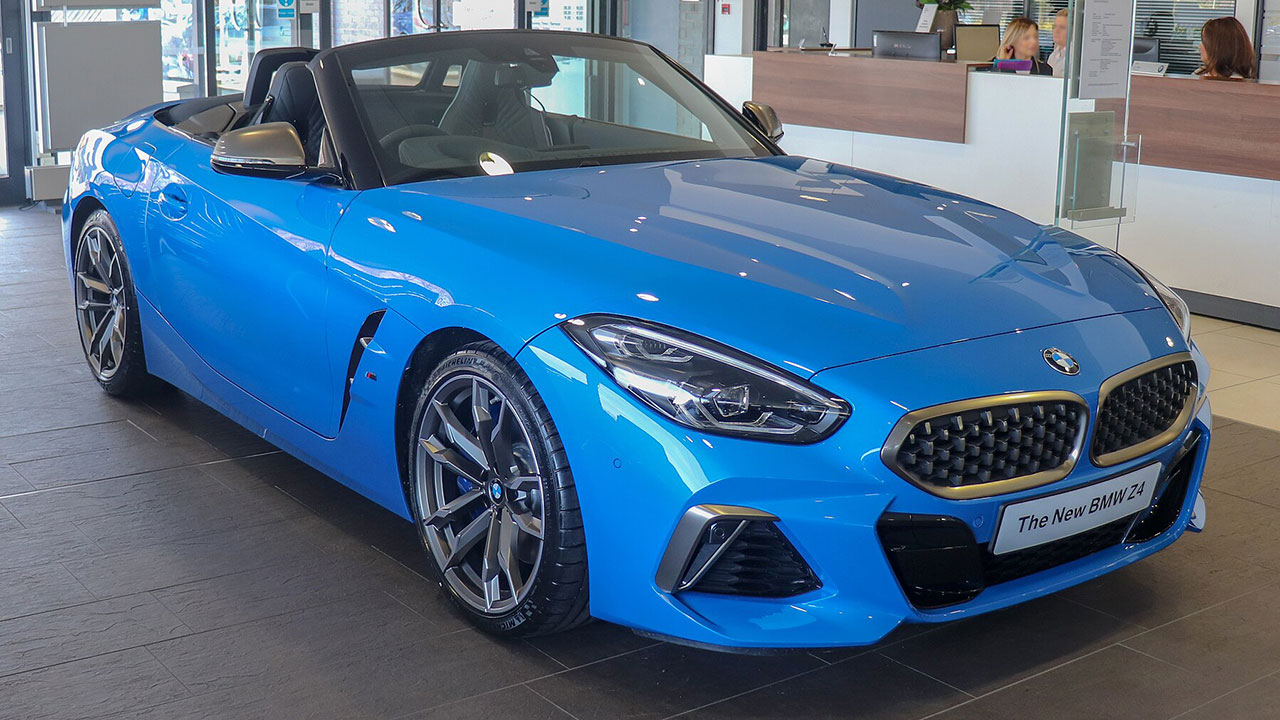
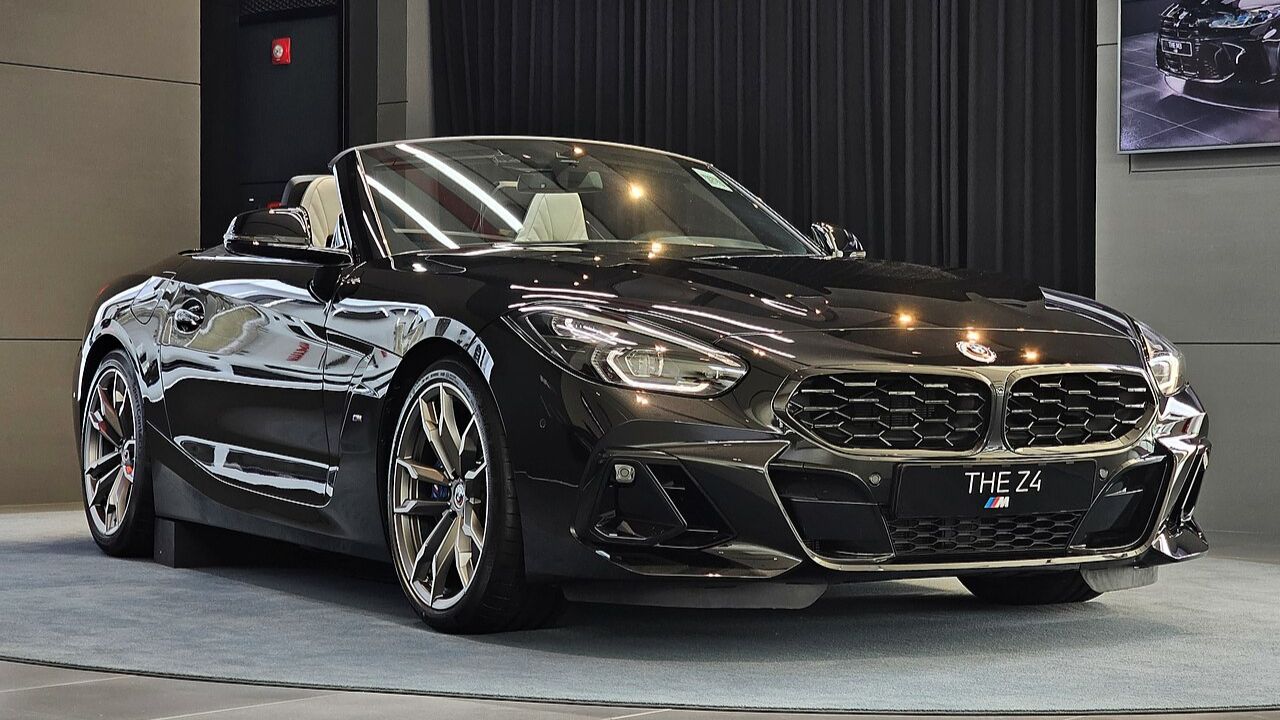
In a surprising move, BMW and Toyota joined forces in the early 2010s to collaborate on a range of projects, including the development of sports cars and advanced technologies. This partnership resulted in the creation of the BMW Z4 and Toyota Supra, two vehicles that share a common platform yet maintain distinct brand identities. The collaboration allowed both companies to leverage each other’s strengths, combining BMW’s expertise in performance engineering with Toyota’s prowess in reliability and efficiency.
Beyond the development of these iconic sports cars, the BMW-Toyota partnership extended into the realm of hybrid and hydrogen technologies. Both companies recognized the importance of sustainable mobility and sought to pool their resources to advance these technologies. By sharing research and development efforts, BMW and Toyota aimed to accelerate the adoption of eco-friendly vehicles, setting a precedent for future collaborations in the industry.
The strategic alignment between BMW and Toyota was driven by mutual benefits and shared goals. Both automakers sought to enhance their competitive edge in a rapidly evolving market, where innovation and sustainability are key. This collaboration not only resulted in successful vehicle launches but also paved the way for ongoing cooperation in areas such as battery technology and autonomous driving systems. The partnership exemplifies how two industry giants can come together to achieve common objectives while maintaining their unique brand identities.
Daimler and Renault-Nissan Alliance
The alliance between Daimler and the Renault-Nissan group is a testament to the power of cross-shareholding agreements in the automotive industry. Established in 2010, this partnership was built on a foundation of financial ties, with each company holding a stake in the other. This arrangement facilitated a range of collaborative projects, from shared vehicle platforms to joint engine development, allowing the partners to optimize resources and reduce costs.
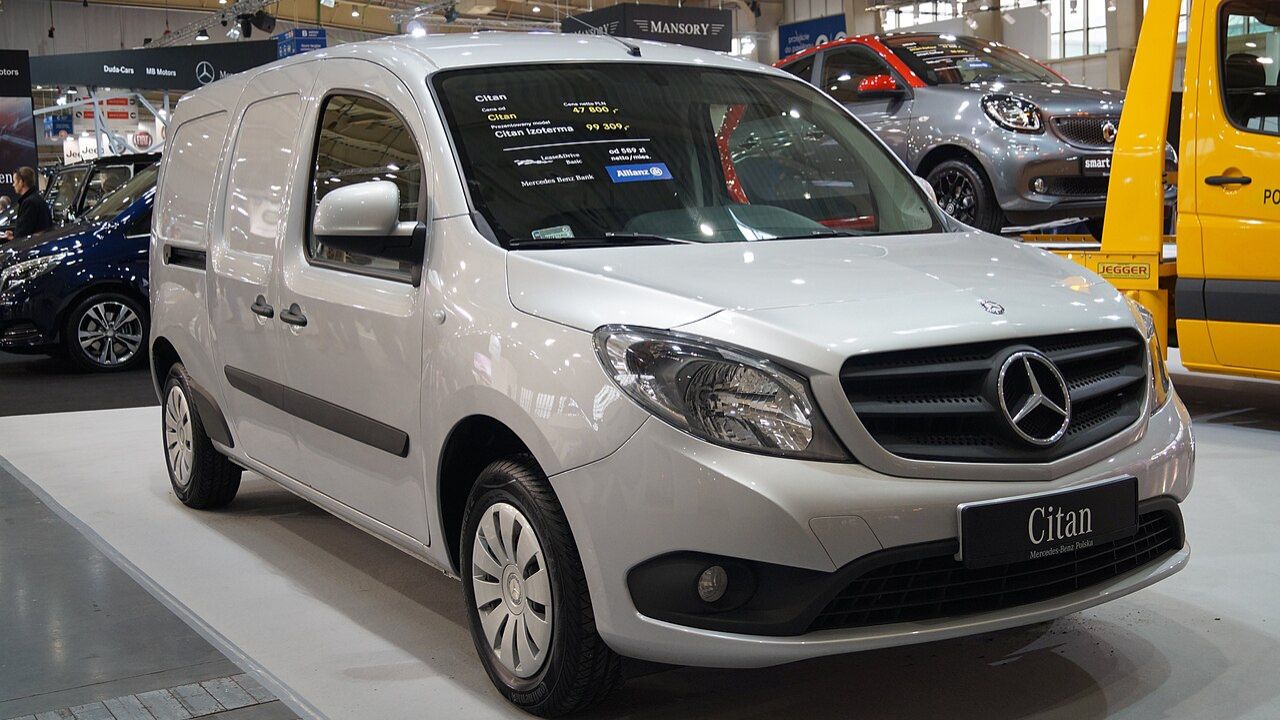
One of the key outcomes of the Daimler and Renault-Nissan alliance was the development of shared platforms and engines, which led to the production of various models across the brands. For instance, the Mercedes-Benz Citan was based on the Renault Kangoo, while the Infiniti Q30 utilized components from the Mercedes A-Class. These collaborations enabled the companies to expand their product offerings and reach new markets without incurring significant development expenses.
Looking to the future, the Daimler and Renault-Nissan alliance faces both opportunities and challenges. While the partnership has delivered tangible benefits in terms of cost savings and product diversification, it also requires careful management to ensure alignment of strategic goals. As the automotive landscape continues to evolve, the alliance will need to adapt to changing market demands and technological advancements, ensuring that both partners remain competitive in a dynamic industry.
Tesla and Mercedes-Benz: Electric Beginnings

The collaboration between Tesla and Mercedes-Benz marked a significant moment in the evolution of electric vehicles. In 2009, Mercedes-Benz acquired a stake in Tesla, recognizing the potential of the fledgling electric car company. This investment paved the way for a partnership that would see the development of the electric B-Class, a vehicle that combined Tesla’s cutting-edge battery technology with Mercedes-Benz’s renowned engineering prowess.
The knowledge exchange between Tesla and Mercedes-Benz was instrumental in accelerating the development of electric vehicle technology. Tesla benefited from Mercedes-Benz’s expertise in vehicle manufacturing and quality control, while Mercedes-Benz gained access to Tesla’s innovative battery systems. This collaboration not only resulted in the successful launch of the electric B-Class but also contributed to the broader acceptance and adoption of electric vehicles in the market.
Despite the initial success, the paths of Tesla and Mercedes-Benz eventually diverged. As Tesla grew and established itself as a leader in the electric vehicle market, Mercedes-Benz decided to sell its stake in the company. This separation allowed both automakers to pursue their own strategies and objectives, with Tesla focusing on expanding its product lineup and Mercedes-Benz developing its EQ line of electric vehicles. The collaboration, though short-lived, had a lasting impact on the industry, highlighting the potential of partnerships in driving technological advancements.
Subaru and Toyota: A Symbiotic Relationship
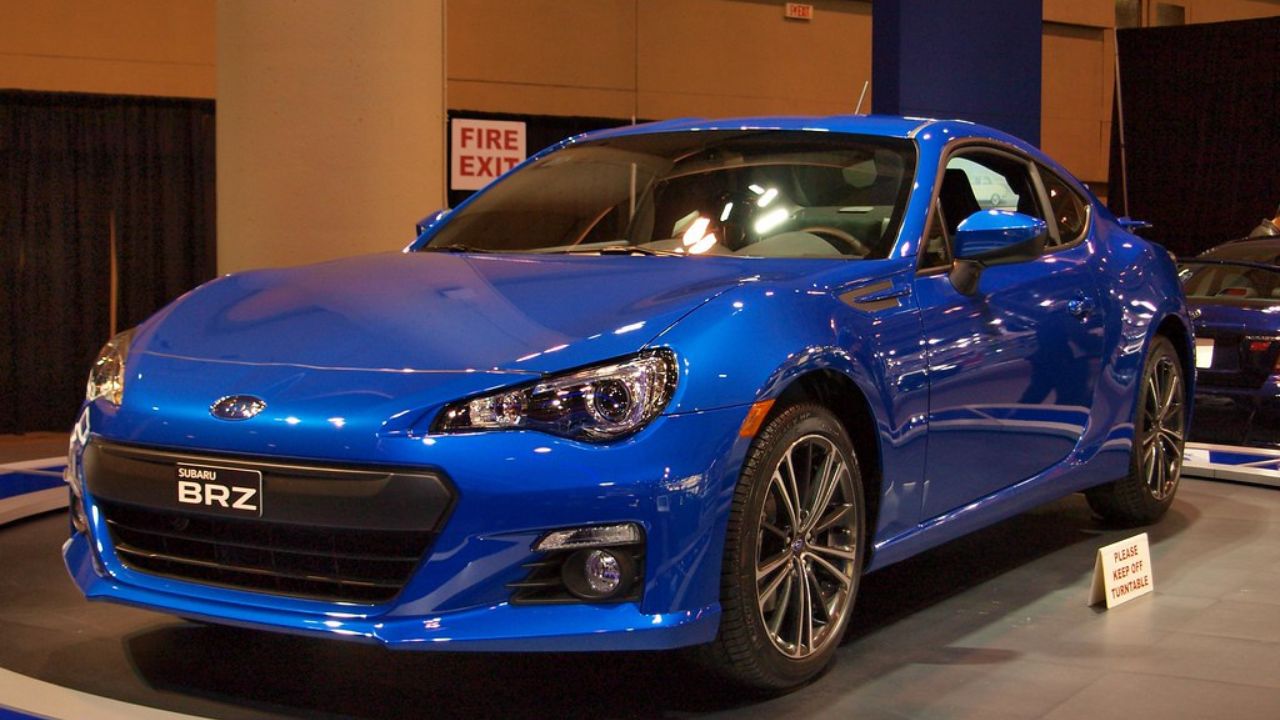
The partnership between Subaru and Toyota is a prime example of how two automakers can work together to create vehicles that embody the strengths of both brands. This collaboration led to the development of the Subaru BRZ and Toyota 86, two sports cars that share a common platform yet maintain distinct characteristics. By combining Subaru’s expertise in all-wheel-drive systems with Toyota’s proficiency in lightweight engineering, the partnership produced vehicles that appealed to driving enthusiasts around the world.
Beyond the co-development of sports cars, Subaru and Toyota have also collaborated on hybrid technology, aiming to expand their eco-friendly offerings. This partnership has allowed both companies to leverage each other’s strengths in hybrid systems, resulting in vehicles that deliver impressive fuel efficiency and reduced emissions. By sharing resources and knowledge, Subaru and Toyota have been able to enhance their competitive positions in the growing market for environmentally conscious vehicles.
The mutual benefits of the Subaru-Toyota partnership extend beyond product development. By working together, both companies have strengthened their market positions and expanded their global reach. The collaboration has enabled Subaru to access Toyota’s extensive distribution network, while Toyota has benefited from Subaru’s expertise in niche markets. This symbiotic relationship demonstrates the potential of strategic partnerships in the automotive industry, where collaboration can lead to shared success and innovation.
Like Fast Lane Only’s content? Be sure to follow us.
Here’s more from us:
*Created with AI assistance and editor review.