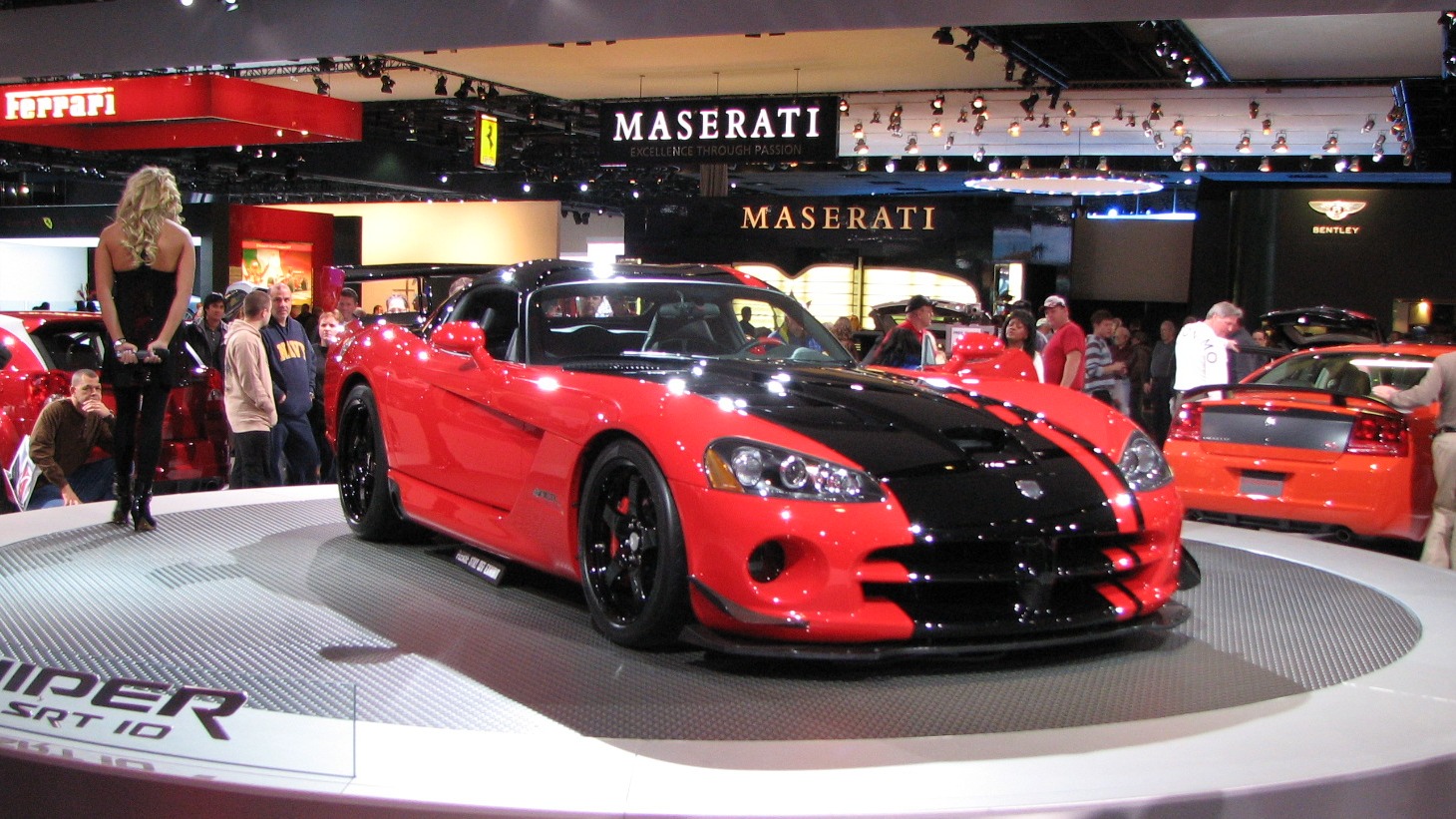
When the original Dodge Viper debuted in the early 1990s, it looked unlike almost anything else on American roads. Its massive V10 engine, aggressive styling, and minimalist philosophy made it feel closer to a race car than a traditional sports car. Among its many unusual features was the complete absence of exterior door handles. While the design added to the Viper’s dramatic appearance, it was actually the result of a practical engineering compromise rather than a styling gimmick.
Dodge Focused on Performance Above Everything Else
The Viper was conceived as a modern interpretation of classic American roadsters—powerful, lightweight, and free from unnecessary luxuries. Engineers intentionally avoided adding equipment that increased weight or distracted from the driving experience.
Early Vipers lacked many features that buyers expected from expensive sports cars. There were no exterior door handles, no conventional side windows, no airbags, and even no fixed roof on the original RT/10 roadster. Every decision reflected the goal of keeping the car as simple and performance-oriented as possible.
Rather than competing with refined grand touring cars, the Viper was designed to deliver an uncompromising driving experience.
Its minimalist character became one of its defining traits.
Side-Exit Exhausts Changed the Door Design
The absence of exterior door handles was not simply a styling decision. One of the Viper’s most distinctive engineering features was its side-exit exhaust system, with large pipes running beneath the doors before exiting just ahead of the rear wheels.
Because of the packaging required for these exhausts and the shape of the body, fitting conventional exterior handles became more complicated. Designers instead opted for a hidden release mechanism located beneath the edge of the door, allowing owners to open it without a traditional handle visible on the outside.
The solution helped preserve the Viper’s clean body lines while accommodating the unique layout of the exhaust system.
It was an example of engineering priorities influencing exterior design.
Buyers Accepted the Unusual Design
Although the hidden door release took some getting used to, most Viper buyers viewed it as part of the car’s unique personality. Owners accepted that entering and exiting the car required slightly more effort, just as they accepted the hot side sills, low seating position, and demanding driving dynamics.
The absence of visible door handles reinforced the Viper’s image as a machine that prioritized excitement over convenience. It felt different from virtually every other production car, giving owners the sense that they were driving something truly special.
For many enthusiasts, these quirks became part of the Viper’s lasting appeal rather than drawbacks to be eliminated.
Its compromises helped define its character.
A Reminder of a Different Era
As the Viper evolved, later models introduced more comfort and safety features, making the car easier to live with while preserving its unmistakable identity. However, the earliest RT/10 remains the purest expression of the original concept—a high-performance sports car built with few concessions to everyday practicality.
Today, collectors admire the first-generation Viper not only for its enormous V10 and dramatic styling but also for details like its hidden door releases, which reflect an era when bold engineering decisions often took precedence over convenience.
Looking back, the strange compromise behind the original Dodge Viper having no exterior door handles was a product of its uncompromising design philosophy. By allowing engineering needs and performance goals to shape the car’s appearance, Dodge created one of the most distinctive sports cars of the modern era, complete with features that enthusiasts still celebrate decades later.
More from Fast Lane Only
- Unboxing the WWII Jeep in a Crate
- 15 rare Chevys collectors are quietly buying
- 10 underrated V8s still worth hunting down
- Police notice this before you even roll window down
*Research for this article included AI assistance, with all final content reviewed by human editors