The world of motorsport has long been intertwined with the automotive industry, giving rise to a fascinating phenomenon: factory race cars designed for public sale. I have always been captivated by how these high-performance vehicles emerged from the racing circuits into the hands of everyday drivers. Let’s delve into the strange history behind these remarkable machines, exploring their origins, evolution, and the impact they have had on both racing and consumer culture.
Origins of Factory Race Cars
The roots of factory race cars can be traced back to the early 20th century when automobile racing began to gain popularity. In those formative years, racing was a playground for manufacturers to showcase their engineering prowess. Companies like Mercedes and Fiat were among the first to recognize that success on the racetrack could translate into credibility in the marketplace. Not only did they engage in racing to prove their cars’ abilities, but they also sought to adapt the technologies developed for competition into vehicles that consumers could buy.
One of the earliest models that blurred the lines between race cars and consumer vehicles was the 1914 Mercedes-Benz Grand Prix car. While primarily designed for racing, its design principles and engineering innovations trickled down to consumer models. As manufacturers began to see the marketing potential of selling “race-ready” vehicles to the public, we started to see the emergence of models like the Ford Model T Speedster in the 1920s, which allowed everyday drivers to experience a taste of racing performance.
The Evolution of Performance Standards
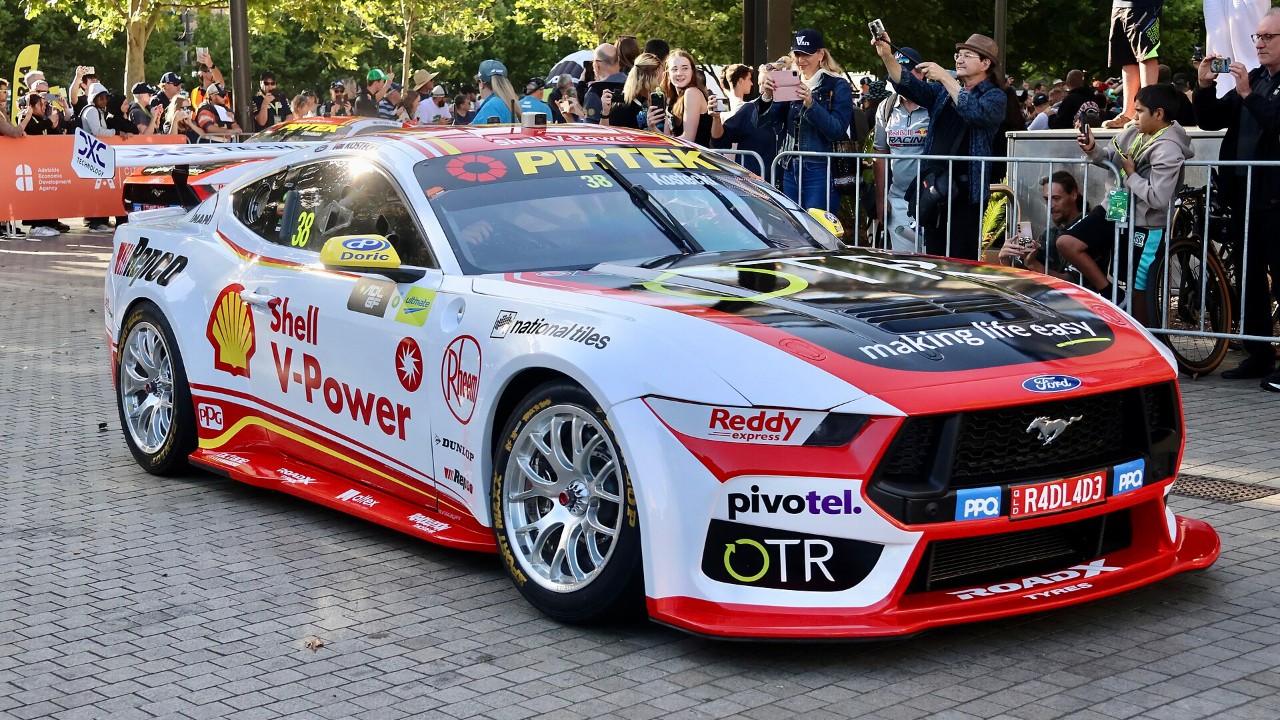
As the world of motorsport evolved, so too did the regulations governing it. The introduction of stricter racing regulations in the 1960s compelled manufacturers to create cars that met specific performance standards while remaining street-legal. This shift was driven by consumer demand for speed and performance; drivers wanted vehicles that not only looked sporty but also delivered exhilarating driving experiences. The Ford Mustang, launched in 1964, is a prime example of this shift. With its high-performance variants like the Shelby GT350, the Mustang captured the hearts of car enthusiasts and set a new benchmark for factory-built performance cars.
Another iconic model that exemplified this evolution was the Chevrolet Camaro, which debuted in 1966 as a direct competitor to the Mustang. The Camaro offered various engine options and performance packages, allowing consumers to choose a car that best suited their racing aspirations. The era of muscle cars in the late ’60s and early ’70s marked a significant moment in automotive history, demonstrating how consumer preferences could directly influence the design and manufacturing of factory race cars.
Case Studies of Iconic Factory Race Cars
Dodge’s little-known street-legal drag car, the Dart Swinger 340, is a fascinating case in the history of factory race cars. Introduced in 1970, this model was designed specifically for drag racing enthusiasts. With its lightweight body and powerful engine, it appealed to a niche market that craved speed and performance. Despite its short production run, the Dart Swinger 340 left a significant mark on automotive history, showcasing how manufacturers could cater to serious racers while still producing consumer-friendly vehicles. For more details on this unique car, you can check out this link.
Another prime example is the Porsche 911, which has maintained its status as both a race car and a road car since its debut in 1964. The 911 was built with motorsport in mind, yet it became one of the most beloved sports cars for everyday driving. Its design has evolved with technology, yet it retains the essence of a racing pedigree. The dual-purpose nature of the 911 has made it a benchmark for performance-oriented vehicles, inspiring countless other manufacturers to adopt similar philosophies. The legacy of the Porsche 911 illustrates how factory race cars can transcend their original purpose and become icons of automotive culture.
Lastly, Ford’s involvement with the GT40 in the 1960s remains a pivotal chapter in the history of factory race cars. Developed to compete against Ferrari in endurance racing, the GT40 secured its place in motorsport history by winning the 24 Hours of Le Mans four times in a row from 1966 to 1969. Ford later released a street version that allowed enthusiasts to experience the thrill of driving a car with such a storied racing background. The GT40’s legacy continues to influence modern supercars, showcasing how racing technology can shape consumer vehicles.
The Role of Marketing and Consumer Culture
The marketing strategies employed by manufacturers to promote factory race cars have been instrumental in their success. By capitalizing on the allure of racing heritage, companies have been able to create a strong emotional connection with their target audience. The notion of owning a car with a legitimate racing background not only enhances the vehicle’s appeal but also significantly impacts sales. For instance, campaigns highlighting the performance capabilities of models like the Chevrolet Corvette or the Nissan GT-R have successfully drawn in consumers who aspire to the thrill of racing.
This marketing focus has fostered a subculture of enthusiasts dedicated to factory race cars. Car clubs, online forums, and social media groups have sprung up around these vehicles, where fans share knowledge, organize events, and celebrate the performance capabilities of their cars. The rise of events like the SVRA Vintage Race showcases the passion surrounding factory race cars and their racing heritage. It’s a testament to how deeply embedded these vehicles are in our culture.
The Future of Factory Race Cars
As we look to the future, current trends in automotive design are increasingly influenced by advancements in racing technology. Performance metrics are evolving, and manufacturers are integrating cutting-edge technology to enhance both speed and efficiency. The rise of electric and hybrid technologies is reshaping the landscape of factory race cars. Manufacturers like Tesla are already venturing into high-performance electric vehicles, blurring the lines between traditional racing and modern innovations.
Predictions for the future of factory race cars suggest a continued evolution driven by changing consumer preferences and environmental regulations. As sustainability becomes a priority, manufacturers will likely focus on producing cars that not only satisfy performance enthusiasts but also align with eco-friendly practices. The future may see a new breed of factory race cars that harness the power of electric motors while retaining the exhilarating performance characteristics that drivers crave.
In this dynamic automotive landscape, the legacy of factory race cars will continue to influence the design and marketing of high-performance vehicles. As we embrace new technologies and evolving consumer desires, the strange history behind these factory race cars will be a guiding force for their future evolution.
More from Fast Lane Only
- Unboxing the WWII Jeep in a Crate
- 15 rare Chevys collectors are quietly buying
- 10 underrated V8s still worth hunting down
- Police notice this before you even roll window down
*Research for this article included AI assistance, with all final content reviewed by human editors.