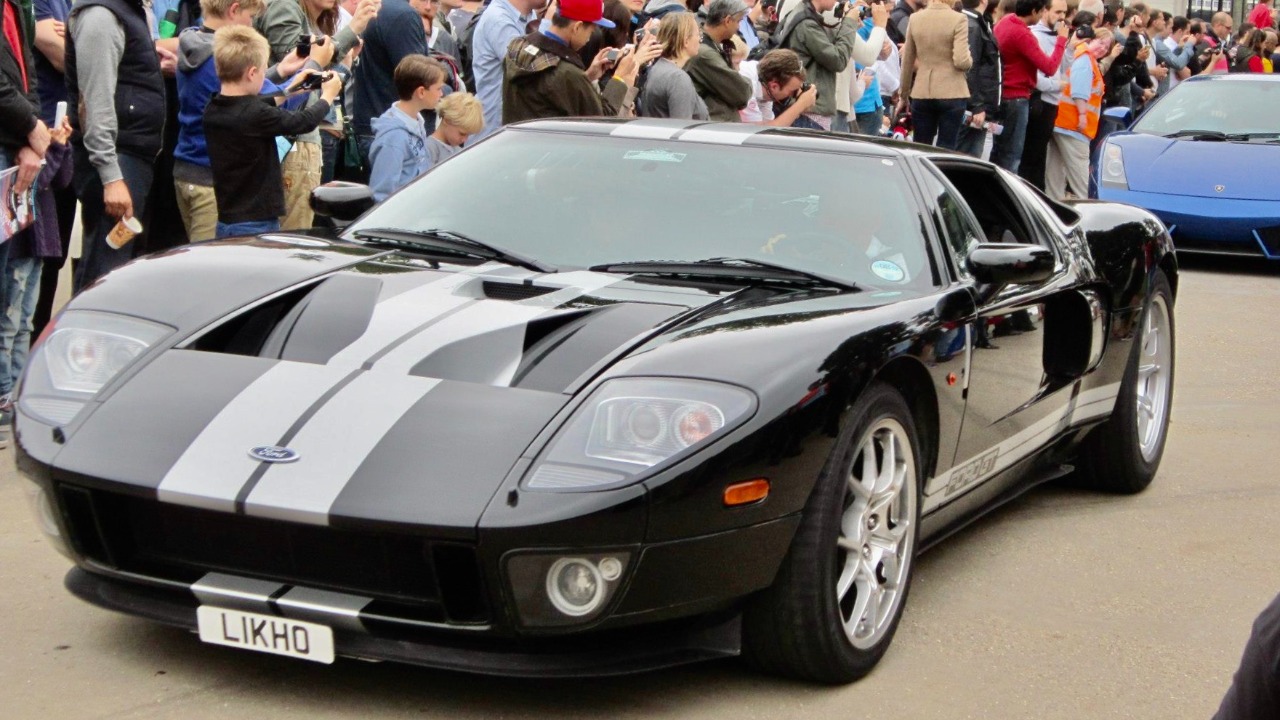
The 2005 Ford GT represents a remarkable blend of nostalgia and modern engineering, capturing the spirit of its legendary predecessors while facing daunting expectations from fans and critics alike. This article delves into the fascinating story behind the Ford GT, exploring its origins, design challenges, and the high bar set for its performance.
The Legacy of the Ford GT
The original Ford GT40, introduced in the 1960s, is celebrated as one of the most iconic race cars in history. Designed to compete against Ferrari, the GT40 achieved a stunning victory at the 24 Hours of Le Mans in 1966, finishing first, second, and third. This remarkable feat not only solidified the GT40’s status in motorsport history but also left an indelible mark on American automotive culture. Its sleek lines, powerful V8 engine, and racing pedigree made it a symbol of speed and innovation.
The cultural impact of the GT40 was profound. It embodied the spirit of American ingenuity and competition, inspiring a generation of automotive enthusiasts. However, this legacy also set unrealistic expectations for its modern counterpart, the 2005 Ford GT. With such a storied history, the new model was burdened with the challenge of living up to its predecessor’s legendary status while navigating the complexities of contemporary performance standards.
The Concept and Development Process
The motivation behind reviving the Ford GT brand in the early 2000s stemmed from a desire to reconnect with the brand’s racing heritage and capitalize on the growing interest in high-performance vehicles. Ford’s management recognized the potential to reignite passion in the automotive community and create a modern supercar that would honor the original GT40’s legacy. Key players in this ambitious project included J Mays, Ford’s Chief Creative Officer, and a talented team of engineers and designers who understood the importance of marrying classic aesthetics with cutting-edge technology.
However, the development process was not without its challenges. The team faced budget constraints and time limitations, pushing them to innovate under pressure. The project was initially intended to be a limited-production vehicle, but as excitement grew, Ford decided to expand production numbers. This shift added additional complexity in terms of manufacturing and quality control, ultimately leading to a race against the clock to deliver a car that met both performance expectations and the high standards set by the company.
Design Inspirations and Innovations
The design of the 2005 Ford GT was heavily influenced by the original GT40, with its iconic silhouette and aggressive stance. The design team paid homage to the classic model by incorporating elements such as the distinctive round headlights and the signature racing stripes. However, they also faced the challenge of integrating modern engineering principles and safety standards, which resulted in a blend of heritage design and contemporary aesthetics. The aerodynamic properties of the new model were improved, showcasing a level of sophistication that was essential for performance.
Technological advancements played a crucial role in the development of the 2005 Ford GT. The car featured a supercharged 5.4-liter V8 engine, capable of producing an impressive 550 horsepower. This powertrain was complemented by a six-speed manual transmission, which provided an exhilarating driving experience reminiscent of classic muscle cars. The integration of lightweight materials such as aluminum and carbon fiber further enhanced the vehicle’s performance capabilities, ensuring that it could compete with other supercars in its class.
Performance Expectations and Marketing Hype
Ford’s marketing strategy for the GT was ambitious, aiming to create a buzz that would reignite interest in the brand and its performance lineage. The company leveraged both traditional advertising and digital platforms to build anticipation, showcasing the car’s heritage while emphasizing its modern capabilities. Auto shows played a pivotal role in this strategy, with the GT making memorable debuts at events such as the 2002 North American International Auto Show, where it was met with overwhelming enthusiasm from fans and journalists alike.
High performance benchmarks were set by the automotive community, with many expecting the 2005 Ford GT to deliver thrilling speed and handling that rivaled its competitors. Enthusiasts speculated about its capabilities, with discussions often centering around its potential to outperform rivals like the Ferrari F430 and the Lamborghini Gallardo. This created a pressure cooker environment where the car’s performance metrics became a significant point of focus, with the media fueling the hype surrounding its launch.
Reception at Launch
Upon its unveiling, the 2005 Ford GT received a mixed but generally positive reception from automotive journalists and enthusiasts. Critics praised its stunning design and homage to the GT40, while also highlighting its powerful performance metrics. However, some noted concerns regarding its usability as a daily driver, pointing out that the car’s focus on performance came at the expense of comfort and practicality. The initial reviews highlighted the excitement surrounding the GT, but they also hinted at the challenges that lay ahead for Ford.
In comparison to competitors in the supercar segment, the Ford GT held its own but also faced scrutiny regarding its price point and positioning. At a starting price of around $150,000, it was positioned as an attainable supercar, but some critics argued that it needed to outperform its more expensive rivals to justify that cost. Early performance reviews showcased its impressive acceleration and handling, but they also indicated that there were areas for improvement, particularly in terms of ride quality and interior comfort.
The Reality of Performance vs. Expectations
Breaking down the performance metrics of the 2005 Ford GT reveals a vehicle that, while impressive, did not entirely meet the lofty expectations set prior to its release. The supercharged V8 engine delivered exhilarating speed, with a 0-60 mph time of approximately 3.5 seconds, placing it firmly in the realm of high-performance cars. However, some early adopters reported issues related to reliability, particularly concerning transmission and electrical components, which detracted from the overall ownership experience.
The impact of racing heritage on public perception and expectations was significant. Many fans expected the Ford GT to embody the same raw, unfiltered driving experience as the original GT40, but modern regulations and engineering advancements necessitated a different approach. While the GT was undoubtedly fast and powerful, it also had to cater to a broader audience, which sometimes diluted the visceral thrill that enthusiasts craved. This led to disappointment among some purists who felt that the car had strayed too far from its roots.
The Ford GT in Popular Culture
The Ford GT quickly carved out a niche in popular culture, appearing in various films, video games, and television shows that showcased its iconic status. Notable appearances include its role in the 2006 film “Ford v Ferrari,” which reignited interest in the brand’s racing history and further solidified its place in automotive lore. Video games like “Gran Turismo” and “Forza Motorsport” also featured the GT, allowing players to experience its performance and design in a virtual setting.
Car culture and enthusiast communities played a crucial role in shaping the GT’s legacy. Forums and social media groups dedicated to the Ford GT fostered discussions about performance upgrades, maintenance tips, and ownership experiences. This grassroots enthusiasm contributed to the car’s status as a symbol of American automotive prowess, as owners took pride in being part of a unique legacy that bridged the gap between past and present.
The Aftermath and Legacy of the 2005 Ford GT
In terms of sales figures and production numbers, the 2005 Ford GT fell short of initial projections, with around 4,038 units produced between 2004 and 2006. While this was a respectable number, it was lower than what Ford had anticipated, partially due to the economic downturn and the niche market for supercars. Nevertheless, the impact on Ford’s brand was significant, reinvigorating interest in performance vehicles and setting the stage for future models like the Ford GT (2017) and the Mustang Shelby GT350.
The long-term influence of the 2005 Ford GT on subsequent supercars cannot be understated. It demonstrated the importance of balancing heritage with modern technology and performance, serving as a blueprint for other manufacturers looking to revive classic models. The GT’s racing pedigree and design philosophy have inspired a new generation of automotive enthusiasts, ensuring that the spirit of the original GT40 lives on in the world of high-performance cars.
Lessons Learned from the Ford GT Experience
Insights gained by Ford from the development and launch of the GT are invaluable. The project underscored the necessity of setting realistic expectations in automotive design and marketing, particularly when reviving a storied legacy. The pressures of meeting fan expectations can lead to compromises that impact the overall product, and understanding this dynamic is crucial for manufacturers moving forward.
The experience also highlighted the importance of balancing heritage with innovation in the auto industry. While honoring a brand’s history is essential, it must be done in a way that resonates with modern consumers. As the automotive landscape continues to evolve, manufacturers must navigate the delicate line between nostalgia and innovation to create vehicles that appeal to both enthusiasts and the broader market. Ultimately, the 2005 Ford GT serves as a reminder of the challenges and triumphs that come with reviving an automotive legend.
More from Fast Lane Only