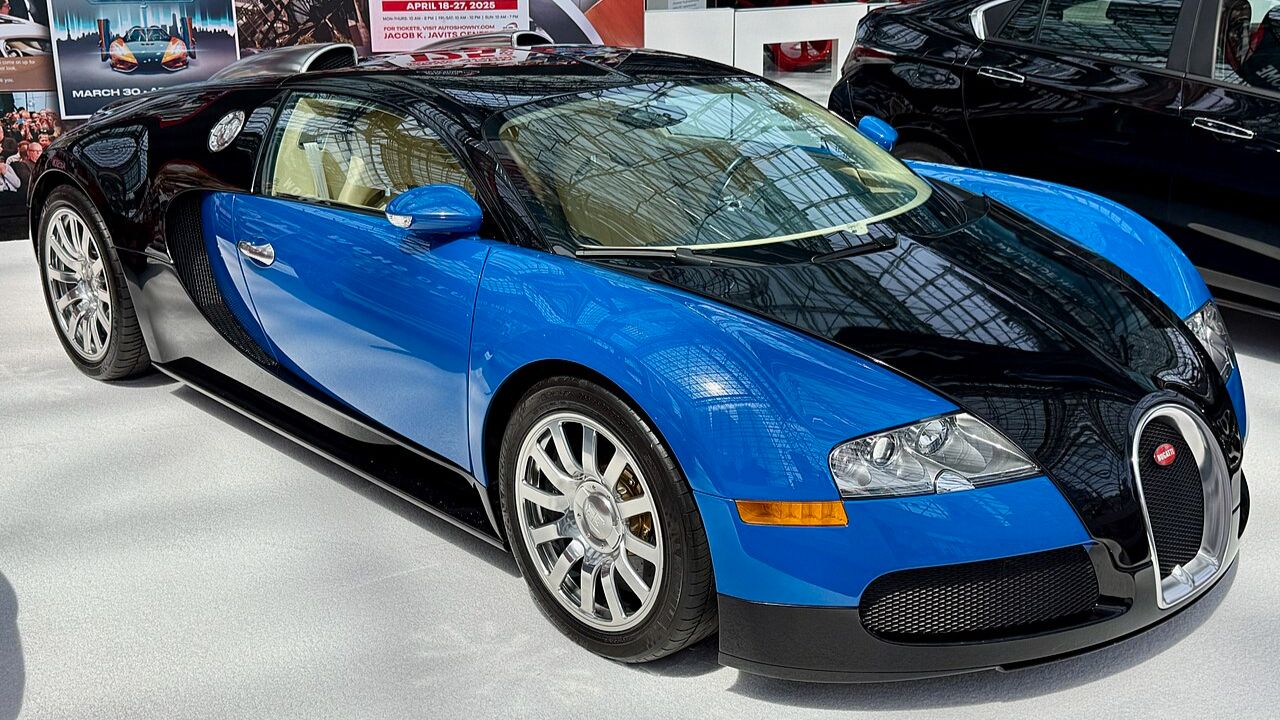
The 2006 Bugatti Veyron was a groundbreaking vehicle that redefined automotive performance, combining luxury with unparalleled speed. Its engineering and design set new standards, making it a landmark in the history of supercars.
Revolutionary Engineering
The heart of the Bugatti Veyron is its quad-turbocharged W16 engine, a mechanical marvel that delivers an astonishing 1,001 horsepower. This engine configuration, which combines two V8 engines into a single unit, is not only powerful but also remarkably efficient for its size. The design allows for a seamless power delivery, enabling the Veyron to accelerate from 0 to 60 mph in just 2.5 seconds. This groundbreaking engineering feat has set a new standard in automotive design, showcasing the potential of modern engineering.
To complement the extraordinary power of the W16 engine, Bugatti utilized advanced materials such as carbon fiber and aluminum in the car’s construction. These materials help reduce weight while maintaining structural integrity, essential for achieving high speeds. The use of carbon fiber not only makes the car lighter but also enhances its aerodynamics, allowing for a more streamlined design. Additionally, the Veyron features an advanced aerodynamics package, including an adjustable rear wing, which optimizes downforce and stability at high speeds, further pushing the boundaries of automotive performance.
Unprecedented Performance Metrics
The Bugatti Veyron shattered records with its top speed of 253 mph, a milestone that left its competitors in the dust. This extraordinary capability was made possible by a combination of its powerful engine and cutting-edge aerodynamics. The Veyron’s ability to reach 60 mph in just 2.5 seconds is a testament to its engineering excellence, making it one of the fastest production cars ever made. Prior to the Veyron, the performance benchmarks were set by vehicles like the McLaren F1, which had a top speed of 240 mph. The Veyron not only surpassed this record but also redefined what performance could mean for supercars.
To validate these impressive performance metrics, Bugatti conducted extensive testing under controlled conditions. The testing process involved multiple runs on specialized tracks, ensuring that the Veyron could not only achieve these speeds but also maintain stability and control. The rigorous validation process was crucial in establishing the Veyron’s credibility as a legitimate contender in the supercar arena, and it solidified its reputation among enthusiasts and collectors alike.
Luxury and Comfort Redefined
While the Veyron is renowned for its performance, it also redefines luxury in the automotive world. Stepping inside the cabin reveals a meticulously crafted interior adorned with high-quality materials such as leather, aluminum, and carbon fiber accents. Each detail is designed with precision, ensuring that both aesthetics and function are prioritized. The spaciousness of the interior, combined with comfortable seating, creates an inviting atmosphere that belies the car’s raw performance capabilities.
Furthermore, the Veyron integrates cutting-edge technology, including an advanced infotainment system that enhances the driving experience. Drivers can enjoy features such as a premium sound system, navigation, and connectivity options, all while surrounded by the opulence that Bugatti is known for. This blend of comfort and technology allows the Veyron to offer a driving experience that is as enjoyable on a casual cruise as it is exhilarating on the racetrack, proving that high performance and luxury can coexist harmoniously.
Legacy of the Veyron in Automotive Culture
The impact of the Bugatti Veyron on automotive culture cannot be overstated. It quickly became a symbol of automotive excellence, captivating car enthusiasts and collectors around the world. The Veyron’s status as a cultural icon is evident not only in car shows and exhibitions but also in popular media. Its appearances in films and video games have cemented its legendary status, making it a dream car for many. The Veyron has inspired a multitude of discussions about automotive engineering and performance, often being referenced in the context of the pinnacle of supercars.
The Veyron’s influence has also extended to the development of subsequent hypercars. Manufacturers such as Koenigsegg and McLaren have sought to outdo Bugatti’s masterpiece, resulting in vehicles that continue to push the envelope of performance and technology. The Veyron’s legacy is evident in the advancements seen in modern supercars, where performance metrics are regularly challenged and redefined. As a benchmark, the Veyron has instigated a new era in automotive design, where the pursuit of speed and luxury has become a common goal among manufacturers.
Challenges in Production and Development
The journey to bring the Bugatti Veyron to market was fraught with challenges. The complexities of developing such a high-performance vehicle required innovative engineering solutions and meticulous planning. The engineering hurdles included not only the design of the powerful engine but also the integration of sophisticated cooling systems and aerodynamics to ensure stability at extreme speeds. These challenges necessitated extensive research and collaboration among engineers, designers, and manufacturers, pushing the boundaries of what was achievable in automotive technology.
Production limitations further complicated the Veyron’s development. The high-performance requirements demanded a level of craftsmanship that was difficult to achieve at scale. Each car was hand-built, which not only slowed production but also significantly increased costs. Bugatti faced considerable financial risk in creating the Veyron, investing heavily in both development and production while striving to maintain the quality and performance that the brand is known for. This commitment to excellence ultimately paid off, as the Veyron set new standards for supercars and solidified Bugatti’s reputation as a leader in luxury automotive engineering.
Technological Innovations Introduced
The Bugatti Veyron introduced several groundbreaking technologies that have since become standard in the supercar segment. One of its most significant innovations was the dual-clutch transmission, which allows for lightning-fast gear shifts without interrupting the power delivery. This technology enhances the driving experience, providing seamless acceleration and responsiveness that is crucial for high-performance driving. Additionally, the Veyron’s all-wheel-drive system plays a vital role in maintaining traction and control, especially at high speeds, providing drivers with confidence and stability on the road.
Tire technology also saw significant advancements with the Veyron. Bugatti collaborated with tire manufacturers to develop specialized tires that could handle the extreme speeds and performance demands of the vehicle. These tires not only offer superior grip but also have to withstand the intense heat generated during high-speed runs. The role of computer simulations and extensive testing in the design process ensured that every component of the Veyron was optimized for performance, making it a pioneering model in automotive engineering.
Market Reception and Impact on the Supercar Industry
Upon its release, the Bugatti Veyron garnered significant attention in the automotive world. Its initial market reception was overwhelmingly positive, with enthusiasts and collectors eager to get their hands on one of the fastest cars ever produced. The Veyron’s price tag, which exceeded $1 million, set a new benchmark for exclusivity in the supercar segment. While many questioned whether such a high price was justified, the performance and technological advancements of the Veyron quickly silenced critics, establishing it as a worthy investment.
The competitive landscape of the supercar market shifted dramatically following the introduction of the Veyron. Rivals were forced to respond to Bugatti’s groundbreaking performance, resulting in a new wave of hypercars aiming to capture the same audience. Manufacturers such as Ferrari, Lamborghini, and McLaren began to innovate more aggressively in pursuit of performance benchmarks set by the Veyron. This competitive spirit has led to a renaissance in the supercar industry, where the quest for speed and luxury continues to drive innovation.
Environmental Considerations and Sustainability Challenges
As the automotive industry increasingly focuses on sustainability, the Bugatti Veyron faces scrutiny regarding its environmental impact. Producing high-performance supercars like the Veyron raises questions about emissions and resource consumption. Bugatti has made efforts to balance performance with environmental considerations, implementing technologies that aim to reduce the car’s carbon footprint while maintaining its incredible power. The challenge lies in finding a middle ground where performance and sustainability can coexist without compromising the essence of what makes a supercar thrilling.
Looking ahead, the future of hypercars will likely involve a greater emphasis on sustainability. The automotive industry is evolving, and manufacturers are exploring hybrid and electric technologies to meet stricter emissions regulations. As the Veyron’s legacy continues to influence the design of modern supercars, it will be interesting to see how future models adapt to the growing demand for environmentally friendly performance vehicles. The evolution of the hypercar segment will undoubtedly reflect the changing landscape of automotive engineering, where sustainability becomes increasingly prioritized.
More from Fast Lane Only