Across the country, drivers are learning that the most expensive tickets often come from the most ordinary moments: a sudden speed drop, a dangling air freshener, a window tint that looks a shade too dark. Police say these stops are about safety, but the patterns reveal a set of everyday traps that reliably generate citations and, in some towns, a steady stream of revenue. I set out to map the most common of these pressure points and how they are changing as lawmakers and courts push for more transparency on the side of the road.
From small municipalities that lean heavily on fines to big states rewriting the rules on traffic stops, the same themes keep surfacing: low-level violations, aggressive enforcement, and drivers who often do not realize how vulnerable they are until the blue lights flash behind them.
Where the speed limit suddenly drops
Ask defense lawyers where drivers get nailed most often and they point first to the places where the speed limit plunges with little warning. In and around Richmond, attorneys describe classic setups where a highway limit falls quickly as it approaches a town line or a stretch with a history of crashes, and officers wait just beyond the new sign to clock anyone who has not slowed in time. One Richmond practitioner notes that There are different kinds of these speed traps, including zones built around a documented history of high speed issues, which gives police a ready-made safety rationale for heavy enforcement.
Local governments have powerful incentives to keep those zones active. In Colorado, the tiny town of Morrison became a national example of how a jurisdiction can lean on traffic fines, with one investigation finding that a large share of the town’s budget came from tickets written on a short stretch of road. A 9NEWS poll, conducted Tuesday in that case, showed that a majority of viewers admitted they had been pulled over in one of these “ticket trap” corridors, underscoring how routine the practice had become, and that same reporting highlighted how the town depended on a significant percentage of revenue based on tickets, a pattern detailed in the poll and revenue analysis.
When traffic enforcement becomes a funding stream
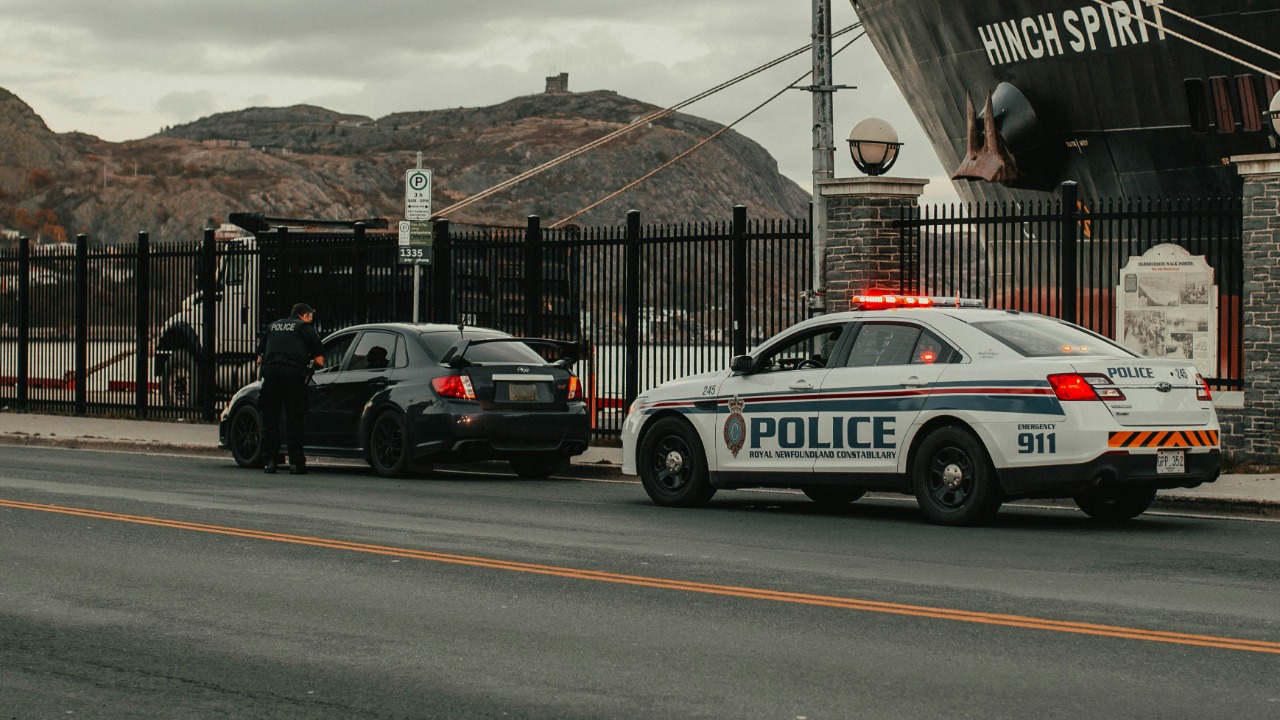
Once you zoom out from a single town, the financial logic of aggressive ticketing becomes even clearer. In parts of Georgia, small municipalities have been documented collecting such a large share of their budgets from speeding fines that critics accuse them of “policing for profit.” One detailed review of these communities noted that what one person calls a speed trap, another calls traffic enforcement, and that Of course, one person’s speed trap is another person’s safety measure, but it also quoted Police departments defending the practice as necessary while residents questioned whether officers were really focused on safety or simply padding city coffers.
That tension is not limited to the South. Around the country, lawyers who handle traffic cases say they see the same pattern: small towns with limited tax bases using fines to fill gaps, and drivers who feel like they are being treated as rolling ATMs. The broader data on citations supports that sense of ubiquity, with one legal analysis of Most Common Traffic Violations noting that with millions of people driving the country’s roadways every day, it is easy to see why so many traffic tickets are issued and that at any given moment some driver somewhere is violating a traffic law, a reality that gives officers enormous discretion and that is captured in the phrase Most Common Traffic Violations With millions of drivers on the road.
Pretext stops, pine trees and the rearview mirror trap
Some of the most controversial ticket traps do not involve speed at all, but tiny equipment or visibility violations that give officers a legal reason to pull a car over. In many states, hanging anything from the rearview mirror, from a graduation tassel to a Little Trees air freshener, can be treated as an obstruction of the driver’s view. Defense attorneys warn that these rules are tailor-made for pretext stops, where an officer uses a minor infraction as a doorway to investigate something more serious, and one detailed guide on this issue bluntly asks, Can The Police Pull You Over For a Pine Tree Air Freshener, before explaining that Many states allow police to stop drivers for hanging objects and that an officer who was really interested in a different crime might still be able to justify the stop by pointing to a Can The Police Pull You Over For Pine Tree Air Freshener Many style violation.
Auto experts echo that warning from a safety angle, not just a legal one. A shop-level explainer titled 3 Reasons Not to Hang Anything from Your Rearview Mirror points out that even a small charm can block a pedestrian or cyclist from view at the worst possible moment, and notes that some states have moved to ban the practice outright. That piece, which is framed around Aug 22, 2024 and the idea of Reasons Not to Hang Anything from Your Rearview Mirror, stresses that hanging an object from your mirror can be both a distraction and a ticket magnet, and that drivers who want to avoid unnecessary stops should treat the mirror as a no-clutter zone, a point captured in the warning about Hanging an object from your mirror.
Window tint, “probable cause” and the California crackdown
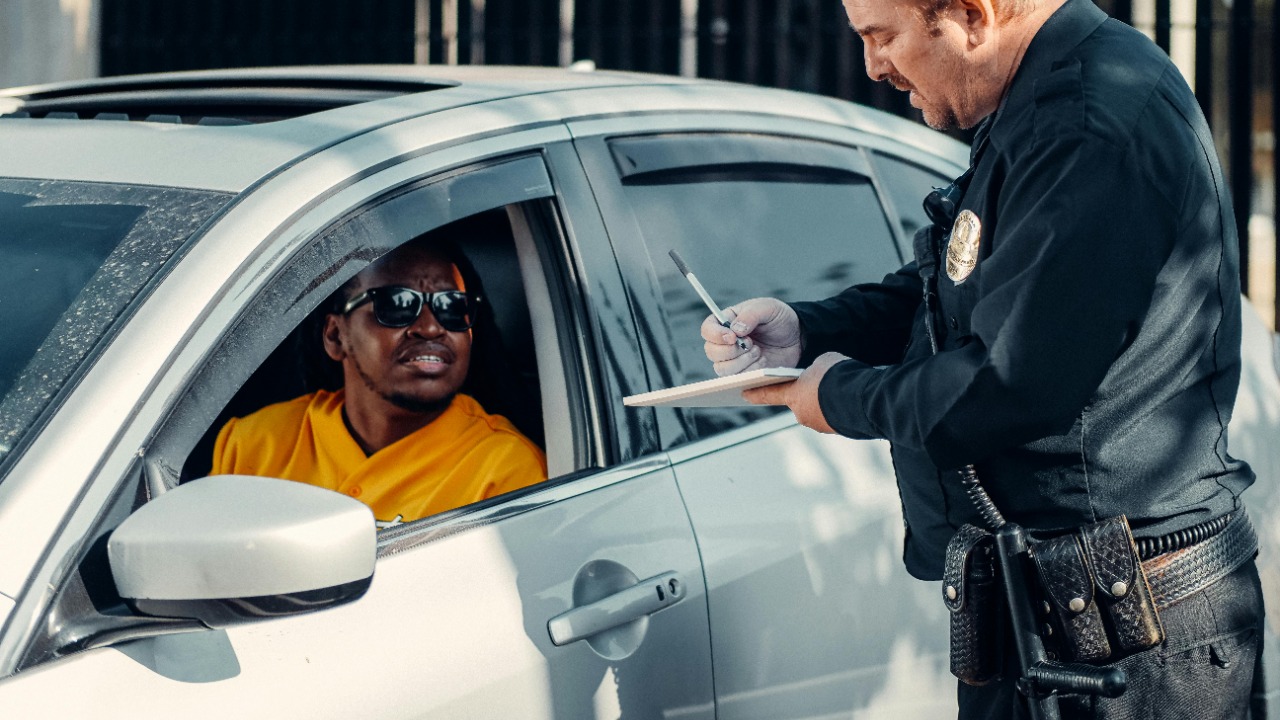
Window tint is another favorite trigger for traffic stops, in part because it is so easy to spot and so hard for drivers to judge precisely. Lawyers who defend these cases say officers regularly use alleged tint violations as a basis to pull a car over, then escalate the encounter if they see or smell something else. One legal explainer on this tactic walks through how Probable cause works in the traffic context, noting that Probable cause refers to a reasonable suspicion that a crime may have been committed or that evidence of a crime is present, and that Police officers regularly conduct traffic stops based solely on an alleged window tint violation.
California has become a key testing ground for how far that discretion should go. Starting next year, state law will require officers to tell drivers exactly why they are being stopped at the outset of the encounter, a change that civil rights advocates hope will curb some of the most subjective pretextual stops. Reporting on the new rules notes that Dec was a turning point in the debate and that But the changes to what officers must say could lead to fewer of what are known as pretextual stops, potentially narrowing racial disparities in who gets pulled over and forcing departments to be more explicit about their priorities, a shift described in detail in the analysis of how But the changes may alter who police pull over.
At the same time, California is tightening the technical rules around tint itself. A detailed 2025 guide titled California Tint Law 2025: Legal Window Tint Rules and Guide spells out What Is the Legal Window Tint in California for Front Si and makes clear that Jul 10, 2025 is the reference point for the latest standards, explaining that yes, you can be pulled over for tint that is too dark and that officers can issue a fix-it ticket, formally a correctable violation, if your glass does not meet the specified light transmission levels, a framework laid out in the section on California Tint Law Legal Window Tint Rules and Guide What Is the Legal Window Tint California for Front Si.
The everyday violations officers watch for
Even outside of these hot-button issues, the same handful of infractions show up again and again in ticket data. Analyses of the most common reasons drivers get pulled over in California, for example, highlight speeding, rolling through stop signs, failing to signal lane changes, and distracted driving as top priorities for departments all over the state. One guide aimed at motorists spells out that the most common reasons that police officers pull over drivers are tied to these basic rules of the road, and that the best way to limit the possibility of fines and tickets for the most common traffic infractions is simply to avoid getting into situations where officers feel compelled to act, a point underscored in its breakdown of the most common reasons for stops.
Nationally, the pattern looks similar. A broader legal overview notes that Traffic violations are an unavoidable part of driving, often turning an ordinary day behind the wheel into a frustrating and expensive lesson, and walks through how everything from tailgating to improper lane changes can trigger a stop. That same resource, framed around helping drivers gain a deeper understanding of the most common traffic violation, emphasizes that education is the best defense, urging motorists to learn the rules in detail so they are less likely to make the mistake of breaking a rule or two, advice captured in its discussion of how Traffic violations are an unavoidable part of life behind the wheel.