Every driver knows the dread of seeing red and blue lights in the rearview mirror, but what happens next is far less predictable. Sometimes you drive away with a costly citation, other times you leave with nothing more than a stern lecture. The difference between a warning and a ticket is not random, and understanding how officers make that call can change how you handle your next traffic stop.
From department policies to your own behavior at the window, a web of factors shapes that decision. I am looking at how formal rules, on-the-spot judgment, and even small human details like honesty and stress all feed into the moment an officer decides whether you will pay or just be told to slow down.
Policy, accountability and the limits of “it’s up to the cop”
Most drivers assume the outcome of a traffic stop depends entirely on the mood of the person in uniform, but the reality starts with policy. Agencies spell out when officers must write a citation and when they can exercise judgment, especially for minor violations. In one department manual, section 7.5 states that Non hazardous violations may be resolved with a verbal warning or written citation at the officer’s discretion, while more serious conduct is treated far less flexibly. That same document ties these choices to accreditation standards, citing CALEA section 61.1 as the benchmark for how traffic enforcement should be handled.
Formal guidance is not just paperwork, it is a shield and a leash. Research on traffic enforcement notes that Officers are held accountable for every ticket they write, and that most agencies require vehicle stops to be backed by clear reasons and documented outcomes. That accountability pushes officers to think about whether a written citation is truly necessary to correct the behavior, or whether a warning will satisfy both policy and safety. When I look at those rules, it is clear that “it is up to the cop” is only half true, because the decision is framed by written expectations that can later be reviewed by supervisors, courts, or internal affairs.
Discretion on the roadside: how judgment fills the gaps
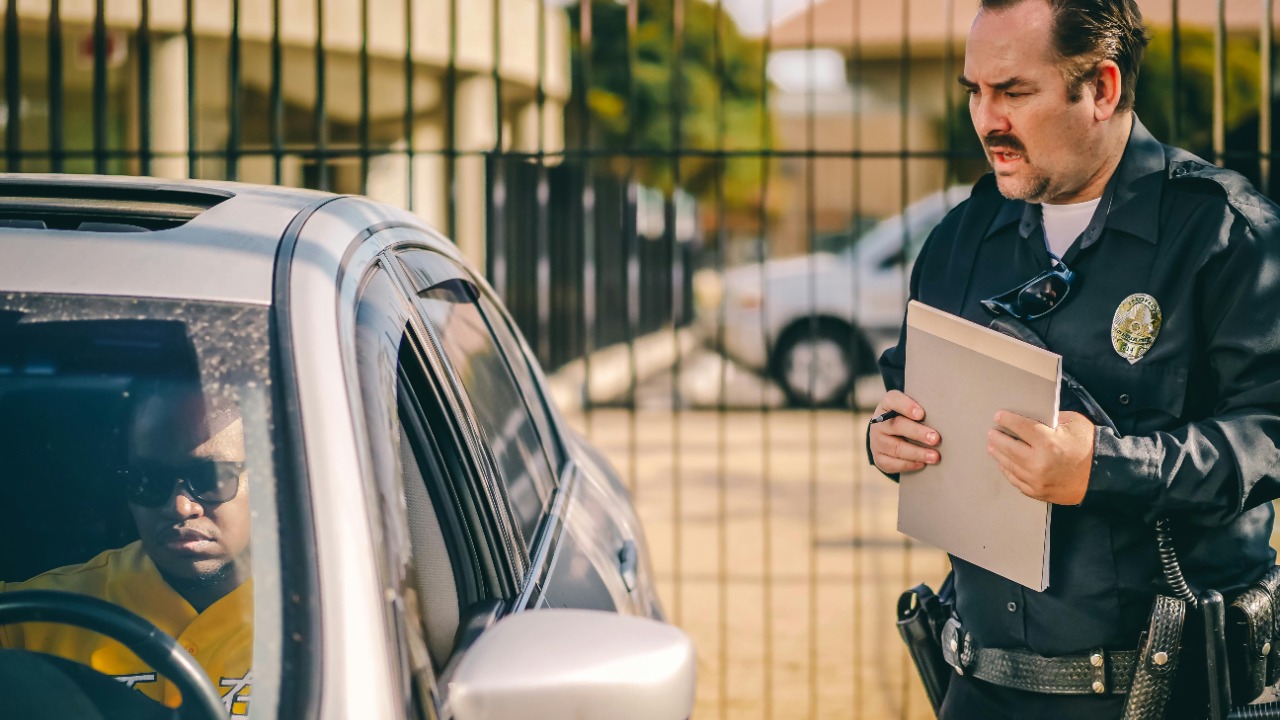
Within those policy boundaries, the real-world choice between a warning and a ticket comes down to discretion. Academic work on policing notes that decision making is shaped by a complex mix of law, training, and situational judgment, and that officers constantly weigh competing priorities in the field. One guide to criminal justice explains that 5.2 outlines how Factors that shape Police choices range from department culture to community expectations. On a traffic stop, that means the same violation can be treated differently depending on context, even when the law is identical.
Officers themselves describe this as a constant balancing act. One veteran traffic cop wrote that many patrol officers insist they “do not give warnings” because they see strict enforcement as part of their identity, yet he admits that in practice they still weigh circumstances before deciding whether to write. In his account, shared with other practitioners, he frames the warning versus ticket choice as a question of what will actually change behavior, and he jokes that anyone who claims to have never cut a break is not being honest with colleagues. That candid reflection, captured in a discussion of Mar traffic enforcement, shows how much of this decision lives in the gray area between the statute book and the side of the road.
Your behavior, your record and the story you tell
From the driver’s side of the window, the most immediate influence is how you act and what your record looks like once the officer runs your license. Officers routinely describe a clean history as a major reason to lean toward a warning, especially for lower level violations like rolling a stop sign in an empty neighborhood or drifting a few miles per hour over the limit. One Nevada-focused explainer notes that Police in Nevada consider factors such as whether the driver has prior citations, how far over the limit they were traveling, and whether they failed to signal in low traffic situations when deciding if a warning is enough.
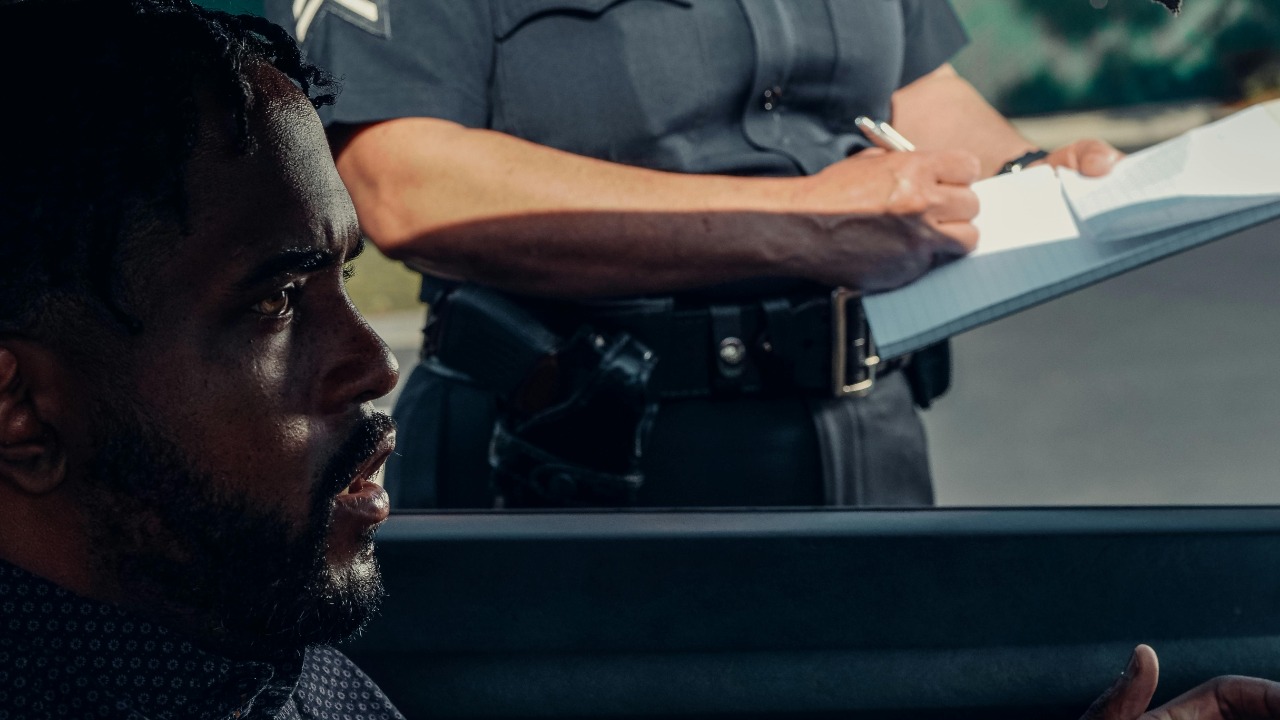
Behavior in the moment matters just as much as what is on file. Guidance for drivers emphasizes that cooperation, keeping your hands visible, and answering basic questions calmly can all tilt the outcome toward leniency, especially when the underlying infraction is minor. A Spanish language resource aimed at motorists explains that Getting stopped for common infractions like going 10 mph over the limit or missing a turn signal often ends in a warning if the driver is respectful and the officer sees no signs of impairment or dishonesty. When I compare these accounts, a pattern emerges: officers are more willing to use discretion in your favor when your driving history and your demeanor both suggest the mistake is an exception, not a habit.
What officers say they look for when choosing a warning
Behind the badge, officers have their own mental checklists for when a warning feels appropriate. One former patrol officer, Kent Ng, has publicly described specific scenarios where he chose not to write a ticket, including drivers who immediately admitted fault, people rushing to medical appointments, and Senior citizens who made minor errors without endangering others. In his account, titled “When I Let a Driver Off With a Warning and Why,” he stresses that he still documented the stop and that safety remained the priority, but he saw no benefit in adding financial punishment when a firm warning clearly got the message across.
Those anecdotes line up with broader research on officer discretion. Studies of traffic enforcement highlight that officers are more likely to issue warnings when the violation is technical rather than reckless, when the driver quickly corrects the behavior, and when there are mitigating circumstances like confusing signage or sudden weather changes. In practice, that can mean a driver in a 2018 Honda Civic who drifts slightly over the line in heavy rain might get a warning, while someone weaving through lanes at high speed in a 2024 Dodge Charger is far more likely to leave with a citation. When I listen to officers like Kent Ng and compare their stories with policy documents, it is clear that the warning is not a favor so much as a tool, used when they believe education will work better than a fine.
Why some stops almost always end in a ticket
There are, however, situations where the odds of a warning drop sharply. Departments often treat certain violations as inherently hazardous, which narrows the room for discretion. Policy manuals distinguish between minor and serious conduct, and the same document that allows warnings for Non hazardous issues also implies that dangerous behavior like aggressive speeding or running red lights should be met with formal enforcement. Research on traffic stops notes that agencies expect officers to justify any decision that deviates from these norms, which means a warning for a high risk violation can be harder to defend than a ticket if something later goes wrong.
Officer accounts echo that logic. Practitioners describe a clear line between technical mistakes and conduct that could easily cause a crash, and they often mention that they feel morally and professionally obligated to write tickets when someone’s driving puts others at obvious risk. In the Nevada guidance, for example, the discussion of Cop Not Give a Ticket scenarios is paired with a reminder that higher speeds and clear disregard for signals are far less likely to be forgiven. When I put those pieces together, the pattern is blunt: if your behavior looks like it could seriously injure someone, the officer’s discretion narrows and the ticket becomes the default.
How drivers can read the moment and respond wisely
Knowing how officers think does not guarantee a warning, but it can help you avoid making things worse. I have seen that the most consistent advice from both policy and practice is simple: do not argue on the roadside, do not lie, and do not reach for documents until you are asked. Those small choices make it easier for the officer to see you as a cooperative driver who made a mistake rather than a potential threat. When the stop is for something relatively minor, that impression can be the difference between a written citation and a verbal reminder to slow down.
It also helps to understand that the officer is juggling more than just your behavior. Their decision is shaped by department rules, the need to justify their actions later, and the broader web of influences described in the factors influencing police decision making. When I look at that full picture, the takeaway for drivers is not to chase some magic phrase that guarantees a warning, but to recognize that every choice you make, from how fast you were going to how you speak at the window, feeds into a structured but very human judgment call about whether you will leave with a ticket or just a story to tell.