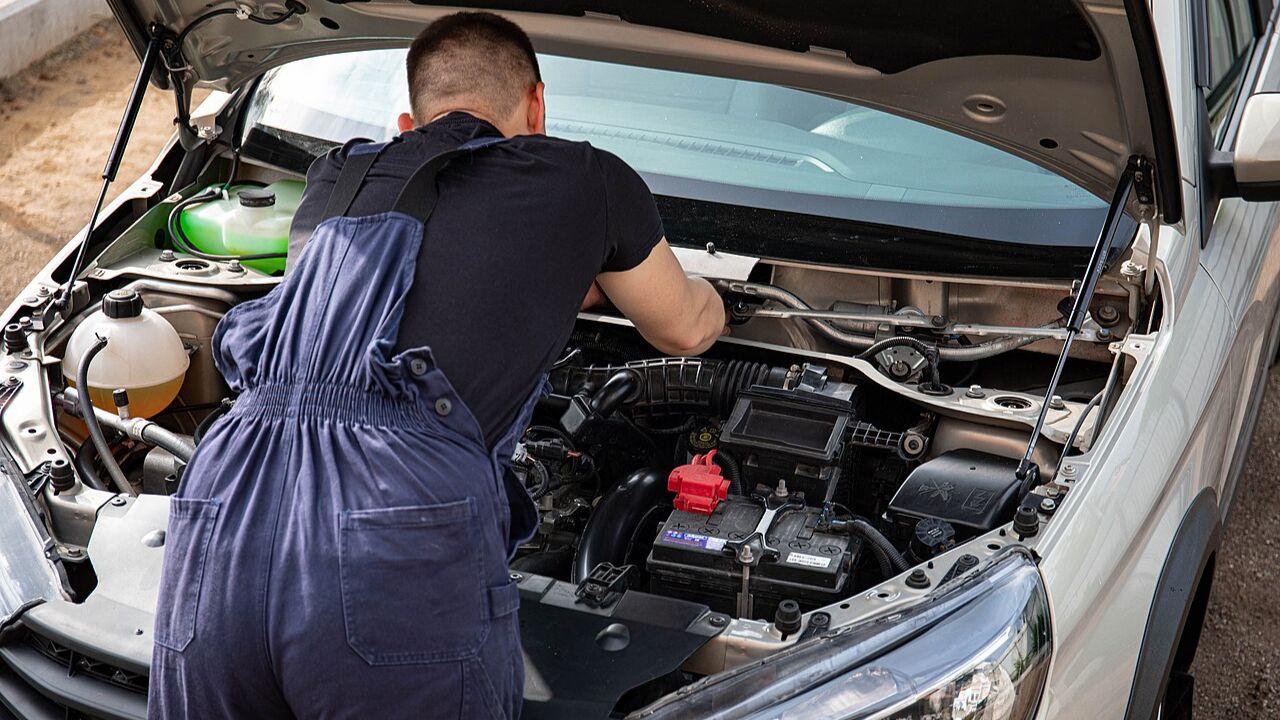
Many drivers aspire to keep their vehicles running for as long as possible, but high-mileage engines come with their own set of challenges. Understanding the intricacies of engine wear and maintenance is crucial for car owners, especially those with elevated mileage.
Understanding Engine Wear Over Time
Engine wear is an inevitable process that occurs as vehicles accumulate mileage. Every time you start your car, various components, such as pistons, rings, and bearings, undergo friction and heat generation. Over time, this leads to a gradual degradation of performance. Factors like driving conditions, the type of oil used, and even the quality of fuel can influence the rate of wear. For instance, frequent short trips can be more detrimental than longer highway drives, as the engine doesn’t reach its optimal operating temperature, leading to incomplete combustion and increased deposits.
In addition to driving habits, regular maintenance practices play a significant role in determining the longevity of an engine. Neglecting routine oil changes, for example, can lead to sludge buildup, which hampers lubrication and contributes to accelerated wear. The age and design of the engine also matter; older engines may have more wear-prone materials, while newer models often incorporate advanced technology to mitigate wear. Understanding these factors helps in planning an appropriate maintenance strategy, ensuring your high-mileage engine remains in optimal condition for as long as possible.
Signs of a High-Mileage Engine
As engines age, specific signs indicate they may be experiencing distress. One of the most common symptoms is increased oil consumption. If you find yourself frequently topping off the oil level, it may signal that your engine is burning oil or leaking it. Unusual noises, such as knocking or ticking sounds, can also indicate internal issues that require immediate attention. These noises often stem from wear in critical components, such as the timing belt or valve train.
To properly assess engine health, utilizing diagnostic tools can be beneficial. For instance, an OBD-II scanner can provide valuable insights into engine performance by reading trouble codes. Additionally, a compression test can reveal the condition of the cylinders and whether they maintain adequate pressure. Knowing how to interpret these results can empower drivers to make informed decisions about when to seek repairs or adjustments, potentially saving them from significant costs down the line. Resources like Quora can offer anecdotal insights into these symptoms from fellow drivers.
The Role of Maintenance in Longevity
Regular maintenance is the cornerstone of keeping high-mileage engines running smoothly. One of the most essential practices is adhering to a strict oil change schedule. High-mileage vehicles often benefit from oil specifically formulated for older engines, which can help reduce oil consumption and prevent leaks. Additionally, routine fluid checks—including transmission fluid, coolant, and brake fluid—are critical for maintaining overall engine health. Ignoring these checks can lead to catastrophic failures, resulting in costly repairs that could have been avoided with preventative measures.
Neglecting maintenance can have a cascading effect on engine performance. For example, dirty air filters can restrict airflow, causing the engine to work harder and leading to increased fuel consumption. Similarly, worn spark plugs can result in poor combustion, further stressing engine components. The financial implications of ignoring routine maintenance are significant; investing in small maintenance tasks can prevent major repairs, saving thousands in the long run. The importance of being proactive cannot be overstated, especially for those who wish to maximize their vehicle’s lifespan.
Common Misconceptions About High-Mileage Engines
One prevalent myth is that high mileage automatically signifies impending engine failure. While it’s true that many engines experience wear over time, not all high-mileage vehicles are doomed to fail. Some engines, like those found in older Toyota and Honda models, are known for their reliability even after surpassing 200,000 miles. Proper maintenance and a gentle driving style can enable these engines to continue performing admirably despite their age. Understanding that high mileage does not equate to imminent failure can change how we perceive aging vehicles.
Moreover, advancements in automotive engineering have led to significant improvements in engine durability. Many newer engines are designed with better materials and technology that enhance their longevity. For instance, direct fuel injection and turbocharging, when implemented correctly, can improve performance without compromising engine life. Engaging in discussions on platforms like Reddit can provide additional insights into the durability of high-mileage engines, helping to dispel common misconceptions.
Cost Implications of High-Mileage Engines
When considering the financial aspects of high-mileage engines, it’s essential to evaluate the potential costs of repairs against the cost of regular maintenance. For example, a major engine overhaul can easily run into thousands of dollars, while routine maintenance tasks such as oil changes and filter replacements are relatively inexpensive. Failing to address small issues early can lead to much larger expenditures later. For instance, ignoring a small oil leak could lead to engine overheating, resulting in catastrophic damage and the need for a complete engine replacement.
The key to managing costs is recognizing the early signs of engine trouble and acting promptly. By staying vigilant and keeping up with maintenance, I can avoid financial pitfalls that many drivers encounter. A well-maintained high-mileage engine can continue to provide reliable service, making it a more economical choice than investing in a new vehicle. Understanding the long-term financial implications allows drivers to make informed decisions about their vehicle’s care and management.
Best Practices for High-Mileage Engine Care
Adopting best practices for high-mileage engine care can significantly extend the lifespan of your vehicle. One crucial recommendation is to stick to a maintenance schedule that includes frequent oil changes—ideally every 3,000 to 5,000 miles, depending on the type of oil used. Additionally, incorporating high-mileage oil can help condition engine seals and reduce leakage. It’s also advisable to regularly inspect and replace fuel filters, air filters, and spark plugs, as these components can impact overall engine performance if neglected.
Another effective strategy is to maintain a consistent driving pattern. Avoiding aggressive acceleration and hard braking can reduce stress on the engine, contributing to a longer lifespan. Engaging in preventative measures, such as using fuel additives designed for high-mileage vehicles, can also improve combustion efficiency and reduce deposits. For those seeking to enhance their vehicle’s performance further, exploring newer engine technologies and practices is essential. Innovations in engine design are continually emerging, as seen in the upcoming electric vehicles and hybrids detailed by sources like Consumer Reports. These advancements may offer alternative solutions for those concerned about high-mileage engines.
When to Consider Engine Replacement
Knowing when to replace an engine rather than opting for repairs can be a significant decision for drivers. Key indicators that suggest it may be time for replacement include severe engine knocking, persistent overheating despite repairs, and consistently high oil consumption. If repairs become frequent and costly, it may be more prudent to invest in a new engine or even consider purchasing a new vehicle altogether. In many cases, the cost-benefit analysis leans towards replacement when repair costs exceed a certain percentage of the vehicle’s value.
Evaluating the overall condition of the vehicle is also essential when making this decision. For instance, if the body and frame are in excellent shape but the engine is failing, replacing the engine could be worthwhile, especially for beloved classic cars. On the other hand, if the vehicle has significant rust or other issues, it may be time to consider a more reliable option. Understanding both the emotional attachment to a vehicle and the financial implications can guide drivers in making the best choice for their circumstances.
The Future of High-Mileage Vehicles
The future of high-mileage vehicles is evolving rapidly, driven by advancements in technology and changing consumer preferences. Innovations in engine technology have resulted in more durable and efficient engines, capable of withstanding higher mileage without significant degradation. For example, manufacturers are increasingly adopting materials like aluminum and advanced polymers, which offer better durability and weight savings compared to traditional materials.
Additionally, the rise of electric vehicles and hybrids presents new opportunities for drivers concerned about high mileage. These vehicles typically have fewer moving parts and require less maintenance than traditional combustion engines, potentially providing a more reliable option for those looking to extend their vehicle’s life. As the market evolves, it will be exciting to see how these advancements influence vehicle ownership and maintenance strategies. Keeping an eye on trends in automotive technology can help drivers make informed decisions about their current and future vehicles, ensuring they remain equipped to handle high-mileage challenges.
Real-Life Experiences from Drivers
Hearing from fellow drivers who have navigated the challenges of high-mileage engines can provide valuable insights. Many enthusiasts share their experiences on forums and social media, offering a wealth of knowledge on what works and what doesn’t. For instance, one driver of a 2005 Honda Accord with over 250,000 miles swears by regular maintenance and emphasizes the importance of using high-quality oil. This driver reports that their vehicle still runs smoothly, highlighting that with care, high-mileage engines can continue to perform admirably.
Another driver, who owns a 2001 Ford F-150, shares similar sentiments. After experiencing a series of minor repairs, they decided to invest in a complete tune-up, which significantly improved the engine’s performance. Their experience illustrates the importance of not overlooking small issues, as they can lead to more significant problems if left unaddressed. Engaging with automotive communities, whether on platforms like Reddit or dedicated car forums, allows drivers to share their stories and learn from each other’s experiences, creating a supportive network for those managing high-mileage vehicles.
More from Fast Lane Only