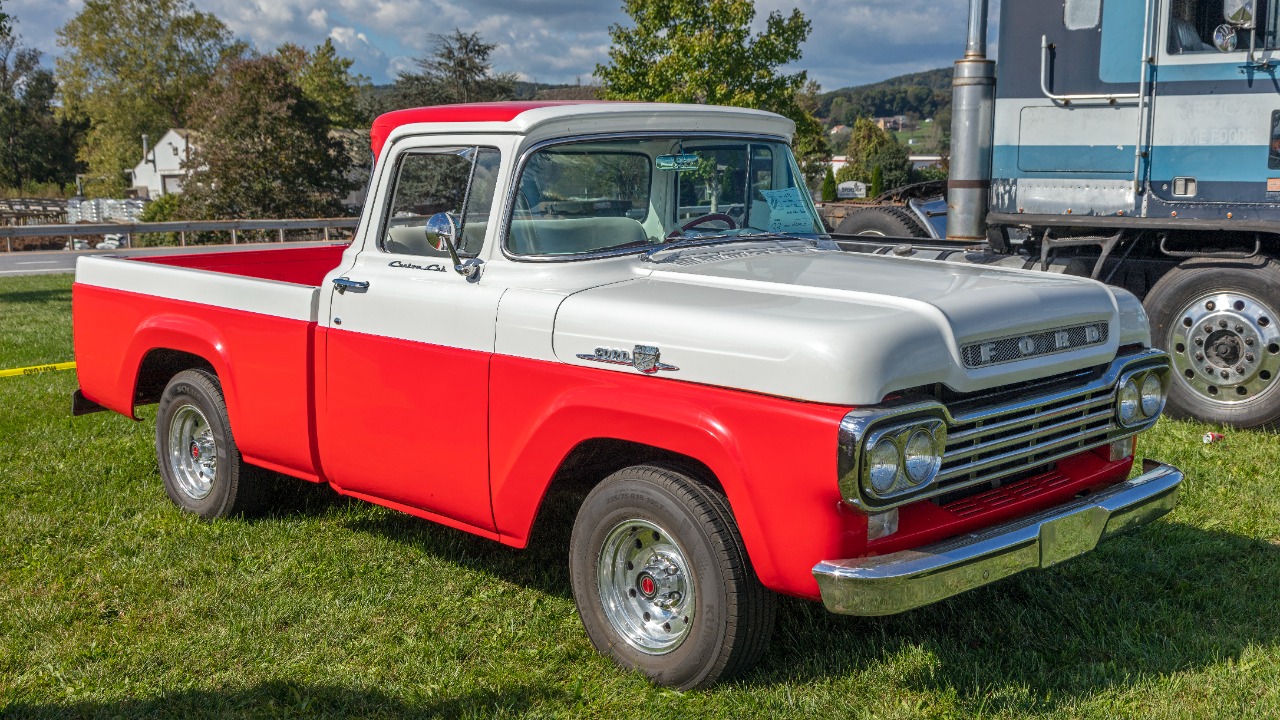
In a world dominated by high-tech, modern trucks boasting an array of advanced features, one classic model stands out for its unmatched reliability and simplicity. The Ford F-100, particularly the models produced between 1953 and 1979, continues to excel in areas that contemporary models still struggle to replicate. From its robust design to its enduring legacy among enthusiasts, this vintage truck has earned a special place in automotive history.
The Classic Truck: A Brief Overview
The Ford F-100, first introduced in 1953, quickly established itself as a staple in the American automotive landscape. It featured a straightforward yet effective design that appealed to both farmers and urban drivers alike. With its iconic styling, the F-100 came equipped with a range of powerful engines, including the famous 292 cubic inch V8, which provided impressive torque for towing and hauling. The truck’s emphasis on functionality and durability made it a favorite among working-class Americans.
Historically, the F-100 represents a shift in truck design, moving from utilitarian models to vehicles that embraced both form and function. Its impact on truck design can be seen in modern pickups that borrow styling cues and functional elements from this classic model. The Ford F-100 not only set the standard for future trucks but also created a loyal following that persists to this day.
Simplicity and Reliability
One of the most significant advantages of the Ford F-100 is its simple mechanical design. Unlike modern trucks, which are often packed with complex electronics and advanced systems, the F-100 features a straightforward layout that makes it easy to understand and repair. This simplicity translates to lower maintenance costs and a more hands-on experience for owners. Many F-100 enthusiasts take pride in being able to perform their own repairs and modifications, a skill that is often lost with contemporary vehicles.
Real-world testimonials from F-100 owners highlight the truck’s reliability. Many have driven their classic models for decades without major issues. One owner recounts how their 1965 F-100, which has been passed down through generations, has never left them stranded, even after countless road trips and heavy use. This kind of reliability is hard to find in today’s market, where vehicles are often designed with planned obsolescence in mind.
Fuel Efficiency: A Surprising Advantage
When discussing fuel efficiency, the Ford F-100 might not be the first vehicle that comes to mind. However, an analysis reveals that certain models, especially those equipped with smaller engines, can achieve surprisingly good fuel economy. For instance, the 1977 F-100 with a 300 cubic inch inline-six engine offers fuel consumption rates that can rival some modern trucks, particularly in city driving scenarios. According to the U.S. News, the simplicity in design and the lightweight build of these older trucks contribute to their surprisingly good fuel efficiency.
The factors contributing to the F-100’s fuel efficiency include its lack of heavy electronic systems and the aerodynamic shape that was ahead of its time. Unlike modern trucks with large engines and complex drive-train systems, the F-100’s straightforward engineering allows for less energy loss, ultimately resulting in better mileage. This makes it a viable option for those looking for both reliability and economy.
Nostalgia and Aesthetic Appeal
The timeless design of the Ford F-100 has made it a beloved classic among enthusiasts. Its sleek lines, distinctive grille, and overall rugged appearance evoke a sense of nostalgia that resonates with many. For collectors, the F-100 represents not just a vehicle, but a connection to a bygone era of American automotive history. The aesthetic appeal of these trucks often leads to passionate restoration projects, with owners investing significant time and resources to bring their F-100s back to their original glory.
Emotional connections to the F-100 are often highlighted in discussions among enthusiasts. For many, these trucks symbolize freedom, adventure, and hard work. They are reminders of simpler times, where the open road was an invitation rather than a chore. This cultural significance only adds to the allure of the F-100, making it a prize for collectors and a cherished possession for those who own one. The community surrounding these classic trucks is vibrant, with numerous events, shows, and online platforms dedicated to celebrating the F-100 and its legacy. This shared passion fosters a sense of belonging and camaraderie among owners.
Customization and Modification Potential
The ease of modifying classic trucks like the Ford F-100 is another appealing aspect for enthusiasts. Its straightforward design and abundant aftermarket support make it an ideal candidate for customization. Popular modifications include upgraded suspensions, engine swaps, and aesthetic enhancements such as custom paint jobs and interior upgrades. The F-100’s versatility allows owners to tailor their trucks to their specific needs and preferences, whether for daily driving or show purposes.
Numerous success stories abound in the F-100 community, showcasing remarkable restorations and unique custom builds. One notable example is a 1966 F-100 that was transformed into a show-stopping classic with a modern LS engine swap and a custom suspension system. This truck not only turns heads at car shows but also performs exceptionally well on the road. These kinds of transformations highlight the potential of classic trucks to adapt to modern tastes while still retaining their original charm.
Community and Support Networks
The Ford F-100 owner community is expansive and passionate. Across the United States and beyond, there are numerous clubs, forums, and online groups dedicated to preserving and celebrating these classic trucks. Resources like the F-100 Forum provide valuable information on maintenance, restoration tips, and troubleshooting advice. These platforms foster a sense of belonging and provide a wealth of knowledge for both new and seasoned owners.
Shared experiences and knowledge are invaluable for maintaining classic vehicles. Owners often exchange stories about their journeys with their F-100s, sharing tips on restoring specific parts or finding rare components. This network of support is crucial for those who may face challenges in their restoration projects or simply seek advice on how to keep their trucks running smoothly. The camaraderie found in this community is one of the many reasons why the legacy of the F-100 continues to thrive.
Cost of Ownership
When considering the cost of ownership for the Ford F-100, it is essential to evaluate various factors, including insurance, maintenance, and fuel expenses. Generally, classic trucks like the F-100 can be less expensive to insure compared to modern vehicles, especially if they are used primarily for leisure rather than daily commuting. Moreover, many insurance companies offer specialized classic car policies that cater to the unique needs of vintage vehicle owners.
Maintenance costs can also be lower for classic trucks, given their simpler mechanical systems and the availability of aftermarket parts. While modern trucks may require expensive diagnostic equipment and specialized knowledge for repairs, the F-100’s straightforward design allows many owners to perform their own maintenance, reducing labor costs. According to recent market trends, classic trucks, including the F-100, have seen a steady increase in value, making them not only a passion project but also a potential investment.
Performance in Diverse Conditions
The Ford F-100 has proven its mettle in various terrains and weather conditions. Its rugged construction and powerful engine options allow it to tackle off-road challenges that many modern trucks often struggle with. Owners often share stories of their F-100s navigating muddy trails, steep inclines, and even snow-covered roads, showcasing the truck’s versatility and dependability. This adaptability is a significant reason why these classic trucks remain popular among outdoor enthusiasts and those who appreciate a vehicle that can handle diverse environments.
Comparatively, while modern trucks boast advanced technology and features designed for off-road performance, many enthusiasts argue that the F-100’s raw power and durability provide a more authentic driving experience. The truck’s ability to handle tough conditions without the need for complex electronic aids highlights the advantages of its simpler engineering. This combination of performance and reliability has solidified the F-100’s reputation as a classic that can still hold its own against contemporary models.
The Future of Classic Trucks in a Modern World
As automotive technology continues to evolve, the future of classic trucks like the Ford F-100 remains bright. Trends in classic truck restoration and preservation are fostering a renewed interest among younger generations. Many enthusiasts are drawn to the charm and character of these vintage vehicles, often opting for restoration projects over modern, mass-produced alternatives.
Modern technology also plays a role in the classic truck space. Many owners are integrating contemporary components into their restorations, such as updated brakes, suspension systems, and even fuel-efficient engines, which enhance the driving experience while maintaining the classic aesthetic. This blending of old and new ensures that the F-100 and similar classic trucks remain relevant in today’s automotive landscape. As long as there are enthusiasts passionate about preserving their legacy, the Ford F-100 will continue to thrive, standing as a testament to the enduring appeal of classic trucks in a fast-paced modern world.
More from Fast Lane Only