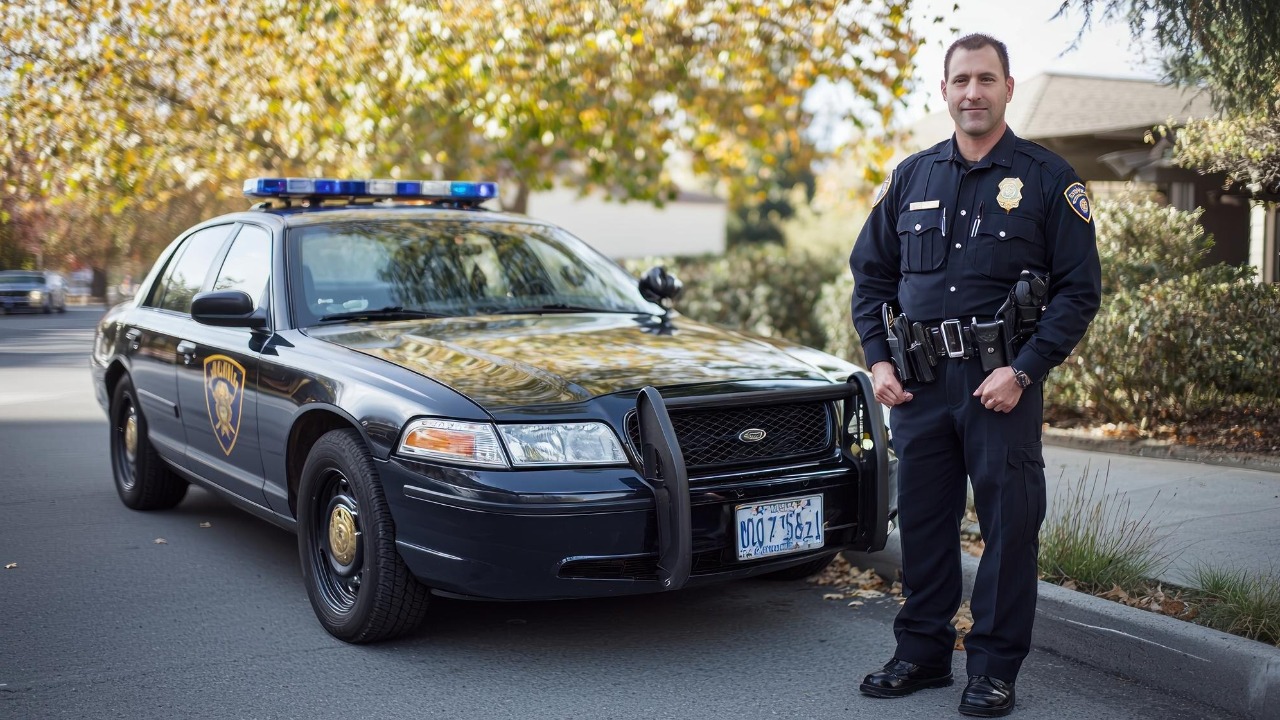
Police vehicles are a common sight on our roads, but their specialized design and functionality provide unique insights into reliability that many civilian drivers might not consider. By examining the specific features and performance of these vehicles, we can glean valuable lessons that can help inform our own choices when selecting and maintaining a personal vehicle.
The Purpose Behind Police Vehicles
One of the primary distinctions of police vehicles is their engineering for durability. Unlike most civilian cars designed primarily for comfort and aesthetics, police vehicles are purpose-built to withstand rigorous use and harsh conditions. This durability is paramount, as officers often face demanding situations that require their vehicles to perform consistently without failure. For instance, the Ford Explorer Police Interceptor is reinforced with heavy-duty components, making it capable of handling everything from high-speed pursuits to rough terrains.
Furthermore, police vehicles are equipped with specialized tools and technology that cater to emergency responses. This includes integrated communication systems, advanced navigation, and even surveillance equipment. The necessity for these features stems from the unpredictable nature of police work, where reliability can be a matter of life and death. Understanding how these vehicles are built specifically for their roles can help civilian drivers appreciate the importance of functionality over mere aesthetics.
Performance Under Pressure
When it comes to performance, police vehicles are engineered with high-speed capabilities to facilitate rapid responses. Models like the Dodge Charger Pursuit are equipped with powerful engines that allow for quick acceleration, essential during high-speed chases. This aspect of performance underscores the importance of engine quality, handling, and overall vehicle dynamics, which might be overlooked by civilian drivers focused on fuel efficiency or luxury features.
Another critical feature in police vehicles is their enhanced braking systems. During high-speed pursuits, the ability to stop quickly and safely is vital. Vehicles like the Chevrolet Tahoe Police Pursuit Vehicle come equipped with advanced braking technologies that ensure stopping power remains consistent, even under extreme conditions. This focus on reliability in braking systems is something that civilian drivers should prioritize, as it can significantly impact safety on the road.
Maintenance and Longevity
Maintenance is a key factor contributing to the longevity and reliability of police vehicles. Most police fleets adhere to stringent maintenance schedules, often performing regular inspections and servicing that far exceed those typical for civilian vehicles. For example, police departments might conduct oil changes and tire rotations every few thousand miles, ensuring that each vehicle remains in peak condition. This proactive maintenance approach can serve as a model for civilian drivers, who might consider adopting more rigorous maintenance practices to extend the life of their own vehicles.
Additionally, police vehicles are built using durable parts and materials designed to withstand the wear and tear of frequent use. Heavy-duty components such as reinforced suspensions and high-strength frames are standard in police models. For instance, the Ford F-150 Police Responder utilizes a specially designed chassis that can endure the demands of police work. Civilian drivers can learn from this by choosing vehicles that prioritize durability and reliability in their construction.
Safety Features and Technology
Safety is paramount in police work, and police vehicles are often equipped with advanced safety systems that go beyond those commonly found in civilian cars. Features such as collision avoidance systems, stability control, and enhanced visibility technologies are prioritized in these vehicles. For example, the use of automatic emergency braking systems in the latest police models significantly enhances their ability to prevent accidents during high-stress situations. Civilian drivers should take note of these safety technologies, as they can greatly improve vehicle reliability and occupant safety.
Moreover, police vehicles often integrate sophisticated surveillance and communication tools, enabling officers to report incidents in real-time and access vital information quickly. These technologies not only enhance police effectiveness but also highlight the importance of reliable communication systems within vehicles. Civilian drivers can benefit from similar technologies, such as advanced infotainment systems that allow for hands-free communication, which is crucial for safe driving.
Fuel Efficiency and Sustainability
In recent years, a number of police departments have begun to adopt hybrid and electric vehicles, reflecting a broader trend toward fuel efficiency and sustainability. Vehicles like the Ford Police Interceptor Utility Hybrid showcase how police fleets are evolving to meet environmental standards while maintaining performance. This shift not only reduces emissions but also offers significant cost savings in fuel expenses over time.
The long-term cost-effectiveness of utilizing efficient vehicles is a lesson that civilian drivers can take to heart. By considering hybrid or electric models, drivers can enjoy lower operating costs and contribute to a more sustainable future. The growing availability of these options means that civilian drivers can find reliable and economical choices, similar to those used by law enforcement agencies.
Real-World Testing and Feedback
Police departments often engage in real-world testing of vehicles, providing invaluable feedback to manufacturers about performance and reliability. This feedback loop helps manufacturers improve their designs, ensuring that new models meet the demands of police work. For instance, extensive field testing has led to enhancements in the durability and functionality of vehicles like the Chevrolet Caprice PPV. Civilian drivers can leverage this data when considering their own vehicle purchases, as they can benefit from the insights gained through rigorous testing and evaluation.
Research has shown that police vehicles perform exceptionally well over time, often outpacing civilian vehicles in terms of reliability and maintenance needs. Studies published in journals like the Journal of Criminal Justice highlight how these vehicles are designed to endure the rigors of daily use. By examining these studies, civilian drivers can make informed decisions based on proven reliability metrics, ensuring that their vehicle choices are based on solid data rather than trends or marketing claims.
The Future of Police Vehicles and Reliability Trends
The future of police vehicles is being shaped by emerging technologies, including artificial intelligence and autonomous features. These innovations promise to enhance vehicle reliability significantly, providing capabilities that were previously unimaginable. For instance, AI-driven systems could optimize vehicle performance in real-time, adjusting for factors such as load and road conditions. Civilian drivers should keep an eye on these developments, as they may soon find similar technologies available in consumer vehicles.
Additionally, data-driven decision-making is becoming increasingly important in fleet management for police departments. The use of data analytics allows departments to monitor vehicle performance closely, enabling timely maintenance and reducing downtime. Civilian drivers can adopt similar practices by utilizing apps and systems that track vehicle health and performance, ensuring they stay ahead of potential issues. By embracing a data-informed approach, both police and civilian drivers can enhance the reliability and longevity of their vehicles.
More from Fast Lane Only