Self-driving cars have been a subject of fascination and debate for years, and as we approach 2025, the landscape of autonomous vehicles continues to evolve. The rapid advancements in technology and the ongoing discussions around their implications for society make self-driving cars a pivotal topic. As we delve into this transformative era, understanding the current state of self-driving technology, societal perceptions, and the challenges ahead is essential.
The Current State of Self-Driving Technology

Technological Advancements
The world of self-driving cars is experiencing remarkable technological advancements that are pushing the boundaries of what was once thought possible. Cutting-edge developments in artificial intelligence and sensor technology are at the forefront, allowing vehicles to interpret and respond to their surroundings with increasing precision. These innovations are critical for the safe and efficient operation of autonomous vehicles, enabling them to navigate complex environments and make real-time decisions.
Market Leaders and Innovators
Several major companies and startups are spearheading the self-driving revolution. Industry giants like Tesla, Waymo, and General Motors are leading the charge with substantial investments in research and development. At the same time, nimble startups are contributing to the ecosystem by introducing novel ideas and technologies that enhance the capabilities of autonomous vehicles. This dynamic landscape is fostering healthy competition and collaboration, driving the industry forward at an unprecedented pace.
Regulatory Landscape
The regulatory environment plays a crucial role in shaping the future of self-driving cars. In 2025, governments worldwide are grappling with the complex task of establishing comprehensive guidelines that ensure safety while promoting innovation. Some regions have embraced autonomous vehicles, implementing laws that facilitate testing and deployment, while others remain cautious, prioritizing stringent regulations to address potential risks.
Societal Implications and Public Perception

Public Trust and Fear
Despite technological progress, public perception of self-driving cars remains mixed. A recent survey by AAA reveals that a significant portion of the population still harbors concerns about the safety and reliability of autonomous vehicles. Fear of relinquishing control and skepticism about the technology’s ability to handle unexpected situations are common themes that continue to shape public opinion.
Impact on Employment
The rise of self-driving cars has profound implications for employment, particularly in the transportation and logistics sectors. As autonomous vehicles become more prevalent, traditional driving jobs may experience displacement, prompting a need for workforce retraining and adaptation. However, the emergence of new roles related to the maintenance, management, and oversight of self-driving technology presents opportunities for economic growth and job creation.
Safety and Ethical Considerations
The integration of self-driving cars into society raises complex ethical questions. Ensuring the safety of passengers and pedestrians is paramount, and developers must address scenarios where autonomous vehicles must make split-second decisions. These ethical dilemmas and safety concerns underscore the need for transparent and accountable technological solutions.
Challenges Facing the Adoption of Self-Driving Cars

Technical Limitations
Despite significant progress, technical challenges persist in the development of self-driving cars. Issues related to sensor accuracy, software reliability, and environmental adaptability remain hurdles that need to be overcome. Engineers and researchers are continually working to refine these technologies to ensure seamless and safe operation under various conditions.
Infrastructure Needs
To support the widespread adoption of autonomous vehicles, substantial upgrades to existing infrastructure are required. Smart roads equipped with advanced communication systems, updated traffic management protocols, and dedicated lanes for self-driving cars are essential components of a future-ready transportation network. These infrastructure improvements will facilitate smoother integration and enhance the overall efficiency of autonomous vehicles.
Legal and Insurance Issues
The introduction of self-driving cars introduces complex questions regarding liability and insurance. As vehicles assume greater control over driving tasks, determining accountability in the event of accidents or malfunctions becomes challenging. Legal frameworks and insurance models must evolve to address these complexities, providing clarity and protection for all stakeholders involved.
Economic Impact and Market Trends

Cost Considerations and Affordability
The cost of self-driving technology remains a significant factor influencing market penetration. While the initial investment in autonomous vehicles may be high, advancements in manufacturing processes and economies of scale are expected to reduce costs over time. This trend will likely make self-driving cars more accessible to a broader audience, driving increased adoption.
Investment and Economic Benefits
The self-driving car industry presents a wealth of economic opportunities. Investments in research, development, and infrastructure have the potential to stimulate economic growth and create jobs. The ripple effect of these investments extends to related industries, including technology, telecommunications, and urban planning, fostering a vibrant ecosystem of innovation.
Future Market Predictions
Projections suggest that the self-driving car market will experience substantial growth in the coming years. According to market statistics, the industry is poised to expand rapidly, driven by technological advancements, consumer demand, and supportive regulatory environments. As we look toward the future, the potential for autonomous vehicles to reshape transportation and urban landscapes is immense.
The Road Ahead: Opportunities and the Future of Mobility
Innovative Mobility Solutions
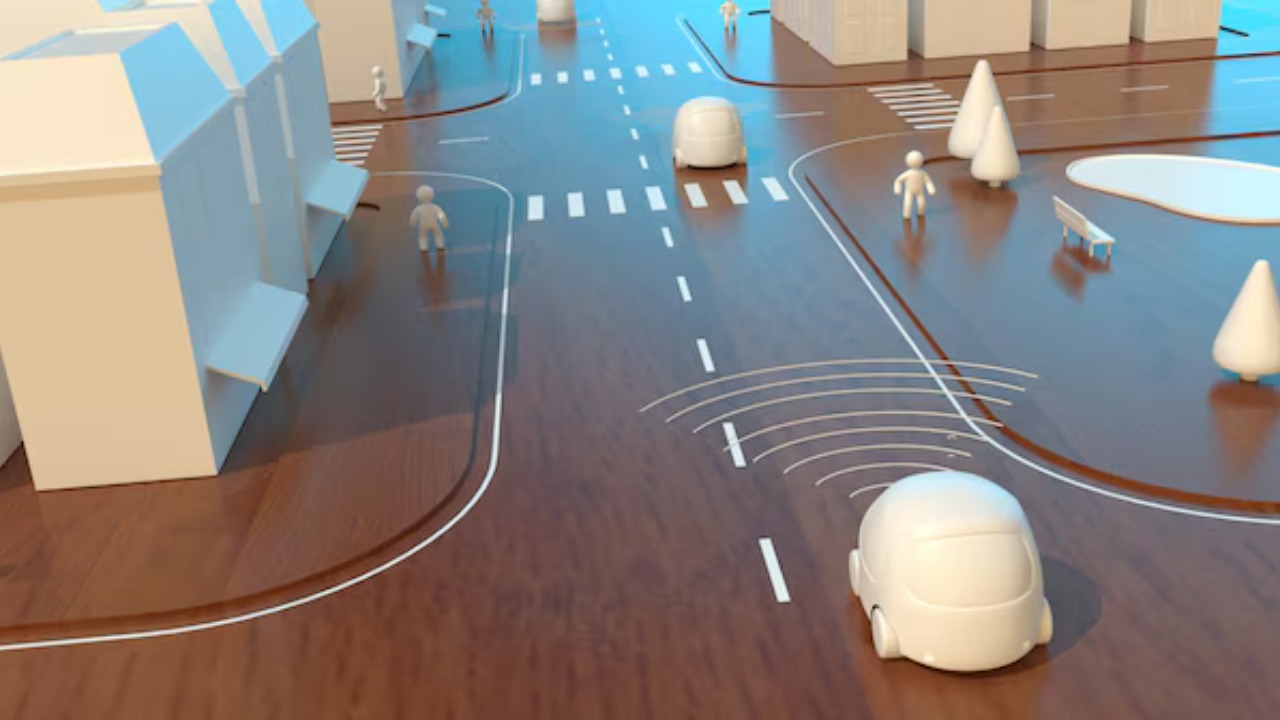
Self-driving cars hold the promise of revolutionizing urban mobility. By reducing traffic congestion and optimizing route planning, autonomous vehicles can enhance the efficiency of transportation systems. This transformation is expected to lead to reduced commute times, improved accessibility, and a more sustainable approach to urban living.
Environmental Impact
The potential for self-driving cars to contribute to greener transportation solutions is significant. By optimizing driving patterns and reducing idling time, these vehicles can lower emissions and promote environmental sustainability. The integration of electric and hybrid technologies further amplifies the potential for self-driving cars to play a pivotal role in reducing the carbon footprint of transportation.
Vision for 2030 and Beyond
As we look beyond 2025, the future of self-driving cars is filled with possibilities. By 2030, autonomous vehicles could become an integral part of daily life, transforming the way we travel and interact with our surroundings. The broader implications for society, including enhanced mobility for the elderly and disabled, improved road safety, and economic growth, paint a promising picture of the future of transportation.