Twin-turbo engines have quietly become the default language of modern performance, reshaping everything from compact sports cars to hybrid supercars. By pairing two turbochargers with smaller, more efficient engines, engineers are chasing a blend of power, response, and economy that old-school big displacement simply could not deliver. I see the current moment as a turning point, where twin-turbo setups are no longer exotic hardware but the backbone of how fast cars are engineered.
That shift is not just about headline horsepower. It is about how power arrives, how manageable it feels in daily driving, and how it fits into a world that demands lower emissions without giving up speed. The twin-turbo era is redefining what performance means, trading brute force for carefully managed boost, clever packaging, and, increasingly, electrified support.
How twin turbos changed the rules of power and efficiency
At its core, a turbocharger is a simple idea: use exhaust gas to spin a turbine that compresses incoming air, cram more oxygen into the cylinders, and unlock more power from the same displacement. A detailed explainer on twin-turbo engines notes that exhaust-driven turbines pull in outside air for combustion, and because the turbine is spun by waste energy, the engine gains power without the parasitic drag of belt-driven superchargers Since the. When engineers double up on this concept with two turbochargers, they can tailor how and when boost arrives, smoothing out the delivery that once made early turbo cars feel peaky and unpredictable.
That flexibility is why twin-turbo layouts have become so central to modern performance engineering. A technical overview of What Does Twin Turbo Do explains that using two turbochargers to compress the intake mixture allows smaller engines to produce significantly more power while still improving fuel efficiency. Instead of relying on a single large turbo that takes time to spool, two smaller units can respond faster, which reduces lag and keeps the engine in its sweet spot more of the time. The same source highlights that this approach has “revolutionized modern car engineering,” because it lets manufacturers meet stricter efficiency targets without abandoning the performance that defines their brands.
From my perspective, the real breakthrough is how twin-turbo systems let engineers tune the character of an engine. A reference on Twin turbo layouts notes that the two chargers can be matching or different sizes, which opens up several strategies. Parallel systems split the exhaust and intake flow evenly between two identical turbos, ideal for V6 and V8 engines where each bank can feed its own turbine. Sequential systems pair a small turbo for low rpm response with a larger unit for high rpm power, blending the best of both worlds. That modularity is why twin-turbo hardware now underpins everything from high-output diesels to compact gasoline engines that punch far above their weight.
From drag strips to daily commutes: why two turbos beat one big engine
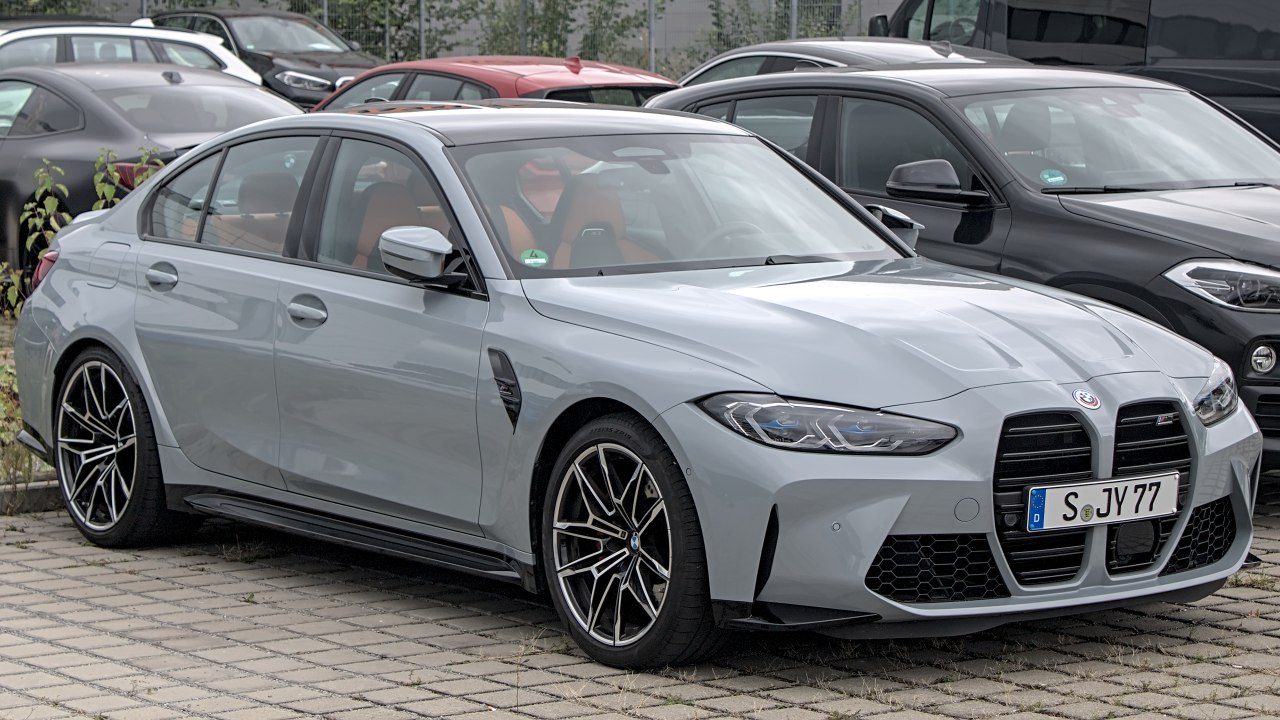
On the street, the appeal of twin-turbo setups is not theoretical. A guide titled Types of Twin Turbos points out that two smaller turbos allow downsized engines to match or exceed the output of older, larger powerplants, while often delivering more consistent performance. Gone are the days of massive Roots-style blowers poking through hoods, trading subtlety and efficiency for spectacle, a contrast that piece captures with its reference to Gone and Roots. In their place are compact, efficient engines that can cruise quietly at low load, then surge forward when both turbos are fully on song.
That dual personality is central to the broader trend of downsized, turbocharged engines. An analysis of whether smaller boosted engines are better than naturally aspirated ones notes that compressed air is fed into the cylinders through the exhaust port, increasing power through forced induction while allowing the same vehicles to use smaller engines than before Oct. In practice, that means a twin-turbo 3.0 liter V6 can rival or surpass the output of an older 5.0 liter V8, yet return better fuel economy in everyday driving. A separate technical breakdown of Benefits and Limitations reinforces that, noting that twin-turbo systems can improve fuel efficiency despite their higher output, provided the engine is tuned and cooled correctly to avoid component damage.
From a driver’s seat perspective, the payoff is how these systems feel in real traffic. A consumer-focused explainer that asks Is the Twin Turbo Worth the Upgrade explains that twin-turbo engines use two smaller turbos instead of one large unit, which helps the engine build boost more quickly and makes city driving feel more dynamic. The same piece notes that many twin-turbo systems increase both horsepower and torque, so passing maneuvers and highway merges demand less effort from the driver Twin. In my view, that blend of responsiveness and efficiency is exactly why two turbos have become the default answer for automakers trying to satisfy both regulators and enthusiasts.
The next chapter: twin turbos meet electrification
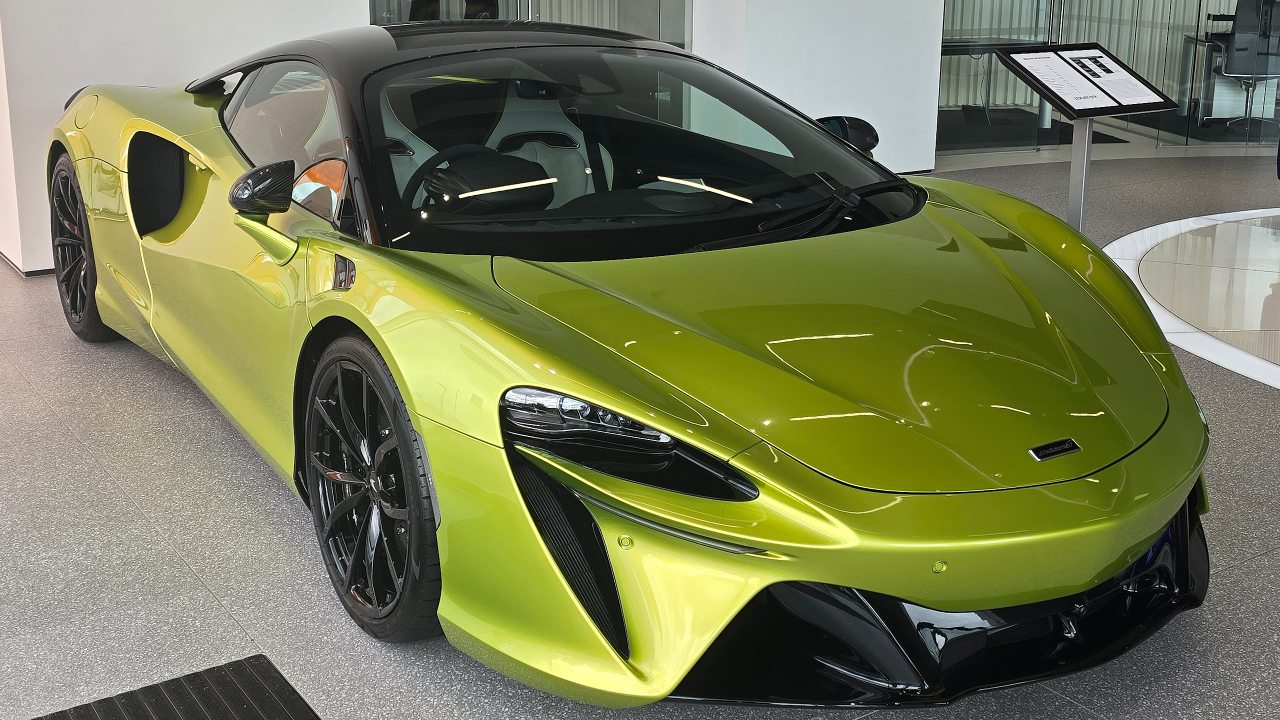
The twin-turbo story is not ending with internal combustion alone. It is evolving into a partnership with electrification, where electric motors fill in the gaps that even the best turbo systems cannot fully erase. A showcase of the McLaren Artura describes how this hybrid supercar brings together a compact twin-turbo V6 with an electric motor to redefine what a hybrid can be, emphasizing that “electrified doesn’t mean compromised” and positioning the car as Hybrid performance redefined. The same material invites drivers to Discover the Artura in Houston, underscoring that this is not a concept but a production car built around a twin-turbo heart.
What stands out to me is how naturally twin-turbo hardware fits into this new performance template. The Artura’s compact, high output engine leaves physical and thermal room for batteries and an electric motor, something that would be far harder with a bulky naturally aspirated V8. That same logic is likely to guide future performance cars, where twin-turbo engines provide dense, controllable power while electric assistance covers low rpm response and short bursts of extra torque. In that sense, the twin-turbo era is not just redefining modern performance on its own, it is setting the stage for a generation of hybrid and electrified machines that treat boost, batteries, and software as parts of a single, integrated powertrain.