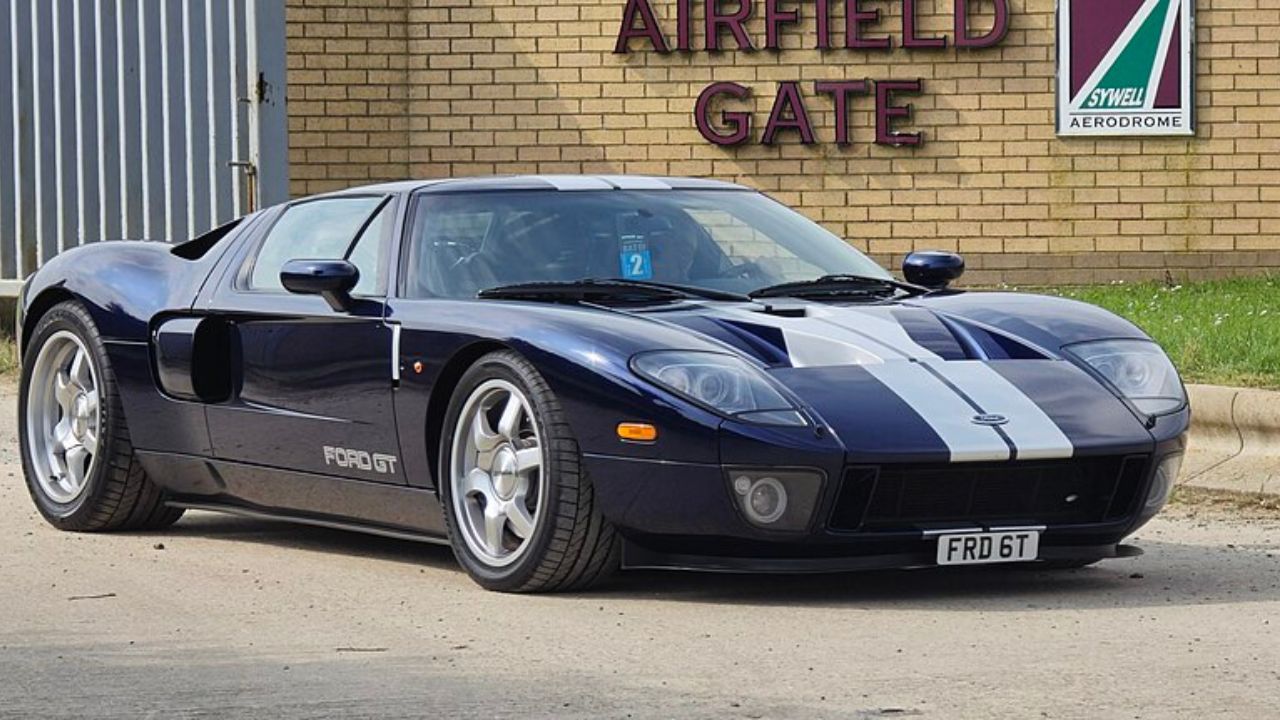
The 2005 Ford GT arrived as a retro-styled supercar that looked like a pure tribute to the Le Mans legend, yet the production car was shaped by a long list of compromises. Federal crash rules, cost ceilings, and everyday usability targets pulled the program in directions the 1960s GT40 never faced. The result was a car that balanced heritage and modern reality in ways that still shape how collectors and manufacturers think about halo models.
The design and engineering tradeoffs that reshaped the modern GT
From the start, the Ford GT was not a clean-sheet race car but a road‑legal homage that had to meet contemporary regulations. The original GT40 sat extremely low and used a racing monocoque, while the 2005 car adopted an aluminum spaceframe that could pass modern crash tests and support production tooling. That structure gave the GT a stiffer, safer platform yet required a taller roofline and slightly stretched proportions compared with the 1960s cars.
Packaging around a supercharged 5.4‑liter V8 also forced compromises. The engine, adapted from Ford’s truck and Mustang programs, provided huge torque and reliability but was physically large. Engineers had to widen the body and adjust the rear overhang to accommodate the intake and intercooler layout, which in turn influenced suspension geometry and rear visibility. A more compact bespoke V8 or V10 might have allowed a sleeker tail, but the program relied on existing components to keep costs under control.
The cabin reflected the same push and pull between purity and practicality. The design team recreated the iconic round gauges and toggle‑style switches, yet they also had to integrate airbags, modern HVAC, and power accessories. The signature “grommet” seats mimicked the GT40’s perforated buckets, but they were reengineered with contemporary foam and structure to meet safety standards. That blend of old‑school aesthetics and modern hardware defined the car’s character, even if it meant a driving position and ergonomics that felt more like a road car than a race prototype.
Aerodynamics brought another layer of compromise. The exterior closely followed the GT40’s silhouette, but engineers discovered that the original shape produced lift at high speed and did not satisfy stability requirements. Subtle changes to the front splitter, rear diffuser, and underbody airflow were added to generate downforce without spoiling the retro look. The fixed rear wing and clean roofline were styling wins, yet they left some performance on the table compared with more aggressive contemporary supercars that embraced visible aero devices.
How production realities and options turned compromise into a collectible formula
The most unusual aspect of the 2005 Ford GT is how its compromises, once seen as constraints, now help drive its value in the collector market. The car was built in limited numbers, and the mix of hand‑finished details with mass‑production components created a sweet spot between exotic and usable. That balance is evident in highly preserved examples such as a 3‑mile 2005 GT that surfaced with every major option, including the painted racing stripes and forged wheels.
Those options were themselves a product of compromise between cost and image. Ford offered the GT in a relatively narrow palette of colors and packages, which simplified manufacturing and supplier contracts, yet it allowed buyers to layer on stripes, lightweight wheels, and upgraded audio. The car could be ordered as a purist’s machine with minimal extras or as a fully optioned showpiece. Collectors now tend to favor cars that were specified with the complete set of factory upgrades, a reflection of how the market rewards that curated middle ground between restraint and excess.
Mechanically, the decision to use a supercharged modular V8 and a Ricardo six‑speed manual gearbox created a powertrain that was both approachable and durable. The engine’s roots in higher‑volume Ford products meant that service parts and expertise were more accessible than for many European exotics of the same era. That practicality was not accidental. Engineers knew the car had to be driven and maintained by owners who might also have F‑150s and Mustangs in their garages, and they oriented the hardware accordingly. The result is a supercar that can handle regular use without the fragile reputation that often shadows low‑volume halo cars.
Yet the GT was not cheap to build. The aluminum spaceframe, composite body panels, and labor‑intensive assembly process pushed costs up, which forced Ford to keep production relatively short and volumes modest. That limited run, combined with the car’s usability, now underpins its status as a blue‑chip collectible. The same compromises that constrained the business case two decades ago now help explain why low‑mileage cars trade hands for prices far above their original window stickers.
Why the GT’s development story resonates with car culture today
The 2005 Ford GT arrived during a wave of retro‑inspired models, but it stands out because it captured the emotional core of the GT40 while accepting that a modern supercar must answer to regulators, accountants, and daily‑driver expectations. That balance feels especially relevant as current performance cars confront even tighter emissions and safety rules. Manufacturers that want to celebrate heritage now study the GT as an example of how to combine nostalgia with present‑day engineering discipline.
For enthusiasts, the car represents a rare alignment of analog driving feel and modern reliability. Hydraulic steering, a manual gearbox, and a relatively unfiltered exhaust note connect the driver to the mechanical experience in ways that many newer, electronics‑laden supercars do not. At the same time, the GT’s crash structure, braking performance, and build quality reflect lessons from decades of mainstream production. That mix of rawness and refinement traces directly to the compromises that shaped the program.
The GT also reframed how American manufacturers could approach the supercar segment. Instead of chasing European rivals with a clean‑sheet, high‑risk project, Ford used its existing engine families, supplier relationships, and manufacturing know‑how to deliver a car that felt special without abandoning corporate realities. That approach has influenced later projects that seek to leverage shared platforms and components while still delivering halo‑level performance and design.
In the collector community, the car’s backstory fuels its mystique. Buyers are not just purchasing performance numbers or a famous badge. They are buying into a narrative about a company that revisited one of its greatest racing triumphs under the constraints of modern mass production. The tension between the GT’s wild appearance and its relatively rational engineering choices gives it a depth that many nostalgia projects lack.
How the GT’s legacy shapes future performance projects
The compromise‑driven formula behind the 2005 Ford GT continues to influence how automakers think about limited‑run flagships. As electrification and hybrid systems become unavoidable, engineers face new packaging and weight challenges that echo the GT’s struggles with its supercharged V8 and safety hardware. Future performance cars will likely repeat the pattern: a visually dramatic tribute to heritage layered over a carefully managed mix of shared components and bespoke engineering.
For Ford, the lessons from the 2005 program informed later halo efforts, including subsequent GT models that moved further toward motorsport technology while still acknowledging production constraints. The company learned that scarcity, authentic design cues, and a clear connection to brand history could justify higher prices and lower volumes. That insight is now common across the industry, from track‑focused special editions to ultra‑limited hypercars that borrow engines and electronics from more ordinary siblings.
Collectors and enthusiasts can expect the 2005 GT to remain a reference point as the market evaluates new performance icons. Cars that manage to balance regulatory compliance, practical ownership, and emotional storytelling are likely to age well, just as the GT has. Low‑mileage, well‑optioned examples will continue to draw attention, not only for their rarity and condition but also for what they represent about a specific moment when analog performance met modern constraint.
More from Fast Lane Only
- Unboxing the WWII Jeep in a Crate
- 15 rare Chevys collectors are quietly buying
- 10 underrated V8s still worth hunting down
- Police notice this before you even roll window down
*Research for this article included AI assistance, with all final content reviewed by human editors