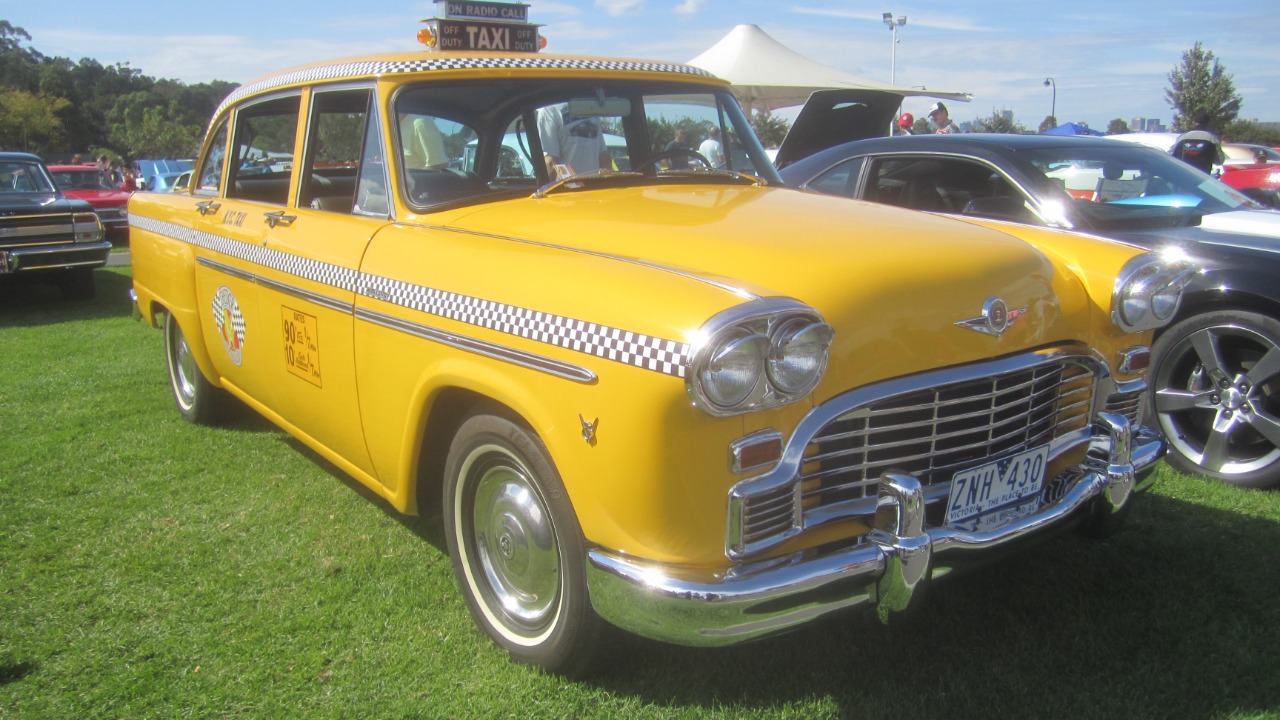
The Checker Marathon was never designed to be flashy or fashionable. Instead, it prioritized durability, simplicity, and practicality above everything else. Those qualities made it an unlikely automotive legend, transforming it into the taxi that came to symbolize American cities for decades, even as more modern competitors came and went.
Built to Last Instead of Following Trends
When the Checker Marathon debuted in the early 1960s, most automakers redesigned their vehicles every few years to keep up with changing consumer tastes. Checker took a very different approach. Rather than chasing annual styling trends, the company focused on refining a proven design that could withstand years of demanding commercial service.
Taxi companies appreciated this philosophy because appearance mattered far less than reliability and operating costs. A Marathon could remain in service for hundreds of thousands of miles with proper maintenance, making it a sound financial investment for fleet operators.
Its body-on-frame construction and heavy-duty suspension allowed the car to endure rough city streets, constant stop-and-go traffic, and nearly continuous daily operation. While competitors often retired after several years of hard use, many Marathons continued working far longer.
This emphasis on longevity helped establish the Marathon as one of the toughest commercial vehicles of its era.
Designed Around the Needs of Taxi Drivers
The Checker Marathon earned its reputation by making everyday taxi work easier. Its spacious cabin offered generous legroom for passengers, while its tall roofline allowed riders to enter and exit comfortably. Large rear doors also simplified loading luggage and accommodating customers of all ages.
Drivers benefited from a practical layout designed for long hours behind the wheel. The vehicle’s straightforward mechanical components made repairs relatively simple, reducing downtime and helping fleets keep more cars on the road.
The roomy trunk provided ample space for suitcases, shopping bags, and airport passengers carrying multiple pieces of luggage. Combined with its robust suspension, the Marathon handled heavy loads without sacrificing durability.
These practical features made the car especially attractive to taxi companies operating in busy urban environments where efficiency directly affected profitability.
A Familiar Sight in America’s Biggest Cities
Although Checker never matched the production numbers of Detroit’s largest manufacturers, its Marathon became closely associated with taxi service, particularly in cities such as New York and Chicago. Rows of Checkers waiting outside airports, hotels, and train stations became a familiar part of the American urban landscape.
The car’s distinctive shape also made it instantly recognizable. Its upright proportions, large grille, and roomy passenger compartment stood apart from the sleeker sedans that surrounded it. Even people who had never ridden in one often recognized it immediately as a taxi.
Hollywood further strengthened that image by featuring Checker taxis in countless films and television shows. Whether appearing in romantic comedies, crime dramas, or action movies, the Marathon became visual shorthand for bustling American city life.
As a result, its cultural impact extended far beyond the number of vehicles actually produced.
Its Legacy Continues Long After Production Ended
Checker continued producing the Marathon with relatively modest changes for more than two decades, proving that dependable engineering could outlast constantly changing styling trends. Eventually, tougher safety regulations and increasing competition from mass-produced sedans made continued production economically difficult, and the final Marathon rolled off the assembly line in 1982.
Even after production ended, many Checkers remained in taxi service for years thanks to their remarkable durability. Some operators rebuilt engines and drivetrains multiple times rather than replacing the vehicles entirely, reflecting the confidence they had in the platform.
Today, surviving Checker Marathons are prized by collectors, museums, and film studios that value their unmistakable connection to American transportation history. Their instantly recognizable silhouette continues to evoke memories of bustling downtown streets and classic yellow cabs.
Looking back, the Checker Marathon became a taxi icon not because it was the fastest, most luxurious, or most technologically advanced vehicle of its time. It earned that status through reliability, practicality, and an unmatched ability to perform one demanding job year after year, making it one of the most enduring commercial vehicles in automotive history.
More from Fast Lane Only
- Unboxing the WWII Jeep in a Crate
- 15 rare Chevys collectors are quietly buying
- 10 underrated V8s still worth hunting down
- Police notice this before you even roll window down
*Research for this article included AI assistance, with all final content reviewed by human editors