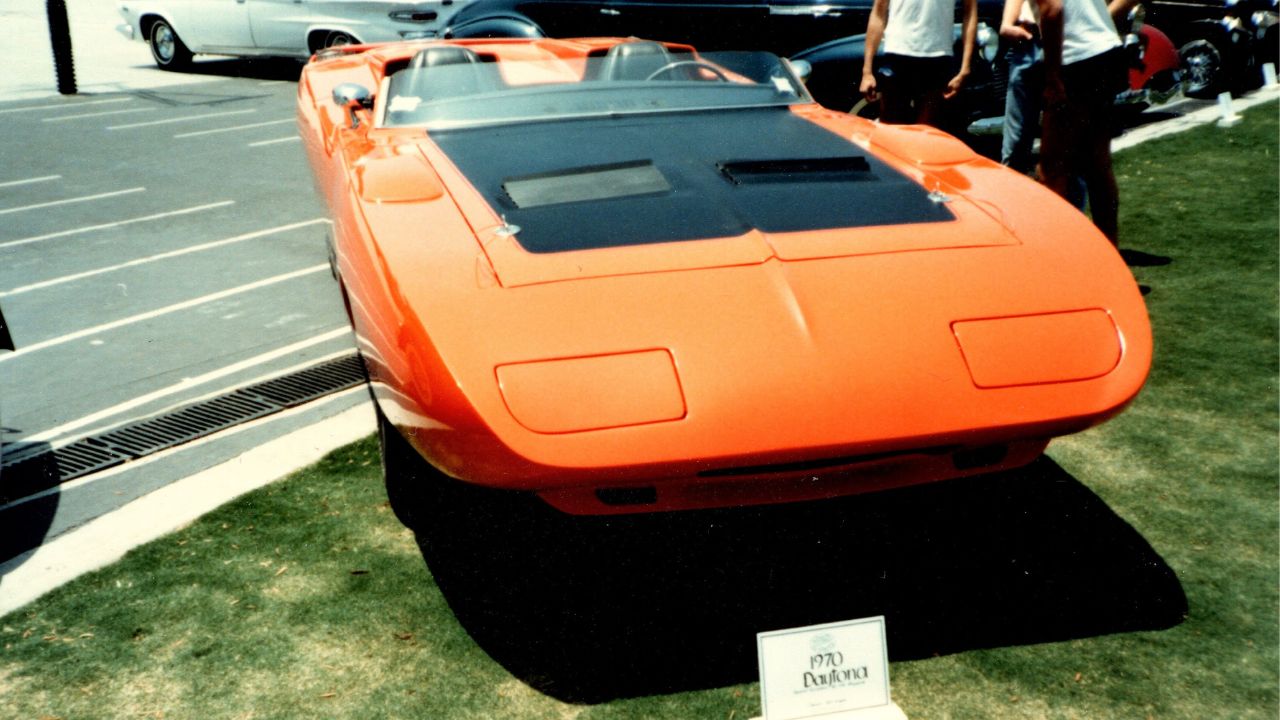
The Dodge Super Charger concept, a powerful and innovative automotive design, was poised to make waves in the muscle car segment. However, its cancellation left enthusiasts and industry insiders puzzled. This article delves into the unusual story behind this intriguing vehicle that never saw the light of day.
The Origins of the Dodge Super Charger Concept
The legacy of the Dodge Charger is rich and storied, dating back to its introduction in the late 1960s. The Charger has become a symbol of American muscle, evolving through various generations to adapt to changing automotive trends. As a result, the Super Charger concept was not just a new model; it was a continuation of a legacy that celebrated power and performance. The genesis of the Super Charger can be traced back to Dodge’s desire to revitalize its brand image, especially in a time when muscle cars were experiencing a resurgence in popularity.
Behind the creation of the Super Charger was a team of passionate designers and engineers, led by notable figures within the automotive industry. Inspired by the classic lines of the original Charger and the performance of modern vehicles, the team envisioned a car that would not only honor its predecessors but also push the boundaries of automotive design and technology. The initial reception was overwhelmingly positive, with critics praising its bold aesthetics and innovative features, generating excitement even before its official unveiling at various auto shows.
Technical Innovations and Features
At the heart of the Dodge Super Charger concept was an advanced HEMI engine, engineered to deliver impressive horsepower and torque figures that would have placed it among the top performers in the muscle car segment. It was anticipated that this engine would not only provide thrilling acceleration but also incorporate improvements in fuel efficiency, making it more appealing to the modern driver. This balance of power and efficiency was a key selling point that many fans were eager to see come to fruition.
In addition to its powerful engine, the Super Charger featured a range of unique aesthetic elements, including aggressive front fascia designs, sculpted body lines, and a distinctive rear end that set it apart from its competitors. The design was a modern interpretation of classic muscle car cues, complete with aerodynamic enhancements that hinted at its performance capabilities. Furthermore, the concept was to include cutting-edge technology, such as advanced infotainment systems and driver-assist features, which would place it firmly in the 21st century.
The Cancellation Decision
Despite the initial buzz surrounding the Super Charger, a series of factors ultimately led to its cancellation. Economic considerations played a significant role, as the automotive industry was facing uncertain market conditions. The shift towards electric vehicles and the increasing emphasis on fuel efficiency were causing many manufacturers to rethink their strategies. Dodge, recognizing this trend, had to allocate resources toward developing electric alternatives rather than investing in the Super Charger.
Internal debates at Dodge revealed a divide among executives and engineers regarding the concept’s future. Some advocated for its development, arguing that the muscle car market still had room for high-performance vehicles. However, others cautioned against the risks associated with launching a traditional muscle car in an evolving marketplace. The decision was further complicated by rival manufacturers’ offerings, which were increasingly focusing on hybrid and electric technologies, prompting Dodge to reconsider its approach to performance vehicles. The cancellation decision, while disappointing, was ultimately seen as a pragmatic response to a rapidly changing automotive landscape.
The Impact on the Dodge Brand and Muscle Car Community
The cancellation of the Super Charger concept had significant implications for the Dodge brand. As one of the key players in the performance car market, Dodge found itself at a crossroads. The decision highlighted the brand’s struggle to balance its rich heritage of muscle cars with the pressing need to adapt to new consumer demands. For many enthusiasts, the cancellation felt like a missed opportunity to reinvigorate the brand’s image and connect with a new generation of car lovers.
Community reactions to the news were mixed, with many fans expressing disappointment over the Super Charger’s demise. Automotive journalists and collectors alike lamented what could have been, seeing the vehicle as a symbol of Dodge’s commitment to performance and innovation. Social media platforms, such as Instagram and Facebook, were flooded with discussions, showcasing a passionate community that yearned for the revival of classic muscle car values in contemporary designs. This sentiment underscores the enduring legacy of muscle cars in American culture, where the Super Charger could have played a pivotal role.
What Could Have Been: Speculative Future of the Super Charger
Had the Super Charger reached production, it could have set new performance benchmarks within its class. Many automotive experts speculate that it would have rivaled established models like the Ford Mustang and Chevrolet Camaro, potentially surpassing their performance metrics. With its advanced HEMI engine and innovative features, the Super Charger might have redefined expectations for muscle cars, bringing a blend of nostalgia and modernity to the segment.
Looking ahead, it’s intriguing to think about how future iterations of the Super Charger might evolve should Dodge choose to revisit this concept. With advancements in electric vehicle technology, it’s possible that a next-generation Super Charger could incorporate hybrid systems, merging the traditional muscle car experience with sustainable energy solutions. Such a shift would not only cater to changing consumer preferences but could also position Dodge as a leader in the reimagined muscle car landscape.
Moreover, the cancellation of the Super Charger has already influenced Dodge’s current lineup. The brand has pivoted towards models that integrate performance with modern technology, as seen in recent iterations of the Dodge Challenger and Charger. The lessons learned from the Super Charger concept may serve as a guiding principle as Dodge continues to navigate the complexities of the automotive industry.
Conclusion: Lessons Learned from the Super Charger Concept
The story of the Dodge Super Charger concept serves as a poignant reminder of the challenges and opportunities that define automotive design. It highlights the delicate balance between innovation and consumer demand, as well as the importance of adapting to a rapidly changing market. As the muscle car segment continues to evolve, the legacy of concepts like the Super Charger will endure, reminding us of the passion and creativity that fuel the automotive industry.
The cancellation of the Super Charger has not extinguished the allure of muscle cars; rather, it reinforces their significance in car culture. As enthusiasts continue to celebrate the rich history of performance vehicles, the hope remains that manufacturers like Dodge will find ways to honor that legacy while embracing the future. The road ahead for Dodge and the muscle car segment is filled with potential, and the lessons learned from the Super Charger will undoubtedly shape the journey.
More from Fast Lane Only
- Unboxing the WWII Jeep in a Crate
- 15 rare Chevys collectors are quietly buying
- 10 underrated V8s still worth hunting down
- Police notice this before you even roll window down
*Research for this article included AI assistance, with all final content reviewed by human editors.