The legacy of World War II engineering is evident in the design and performance of modern muscle cars. From aerodynamic shapes to advanced materials, the innovations developed during the war continue to shape the automotive industry today. Discover how wartime technology has been adapted to power and perfect the high-performance vehicles we admire on the roads today.
Aerodynamic Innovations: Streamlining for Speed
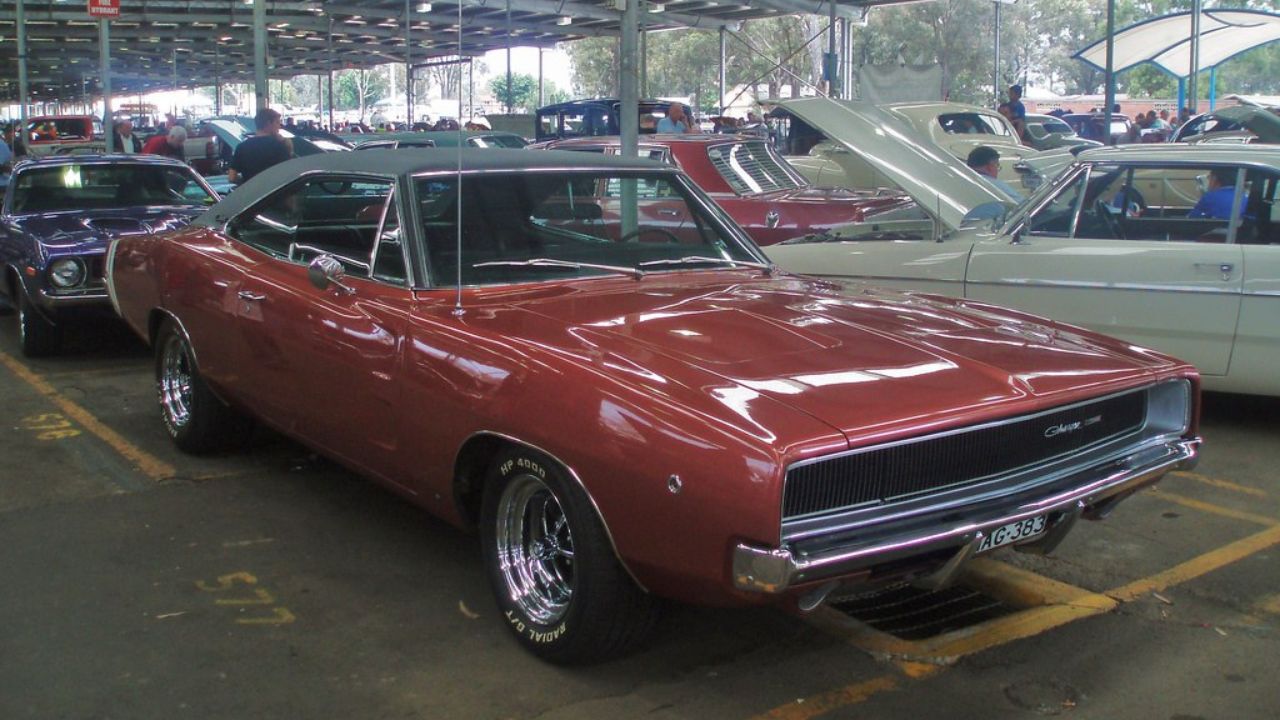
During WWII, military aircraft engineers prioritized aerodynamic efficiency to enhance speed and fuel economy. This focus on streamlining has directly influenced the design of modern muscle cars, which often feature sleek, wind-tunnel-tested exteriors. The 1968 Dodge Charger, for example, borrowed heavily from these principles, with its iconic fastback design helping to reduce drag and increase top speed.
Today’s automakers continue to refine these aerodynamic features, using computer simulations and real-world testing to achieve optimal performance. The principles of aerodynamics developed during the war have become a cornerstone of automotive design, allowing cars to perform better while using less fuel.
Turbocharging Techniques: From Fighter Planes to Fast Cars

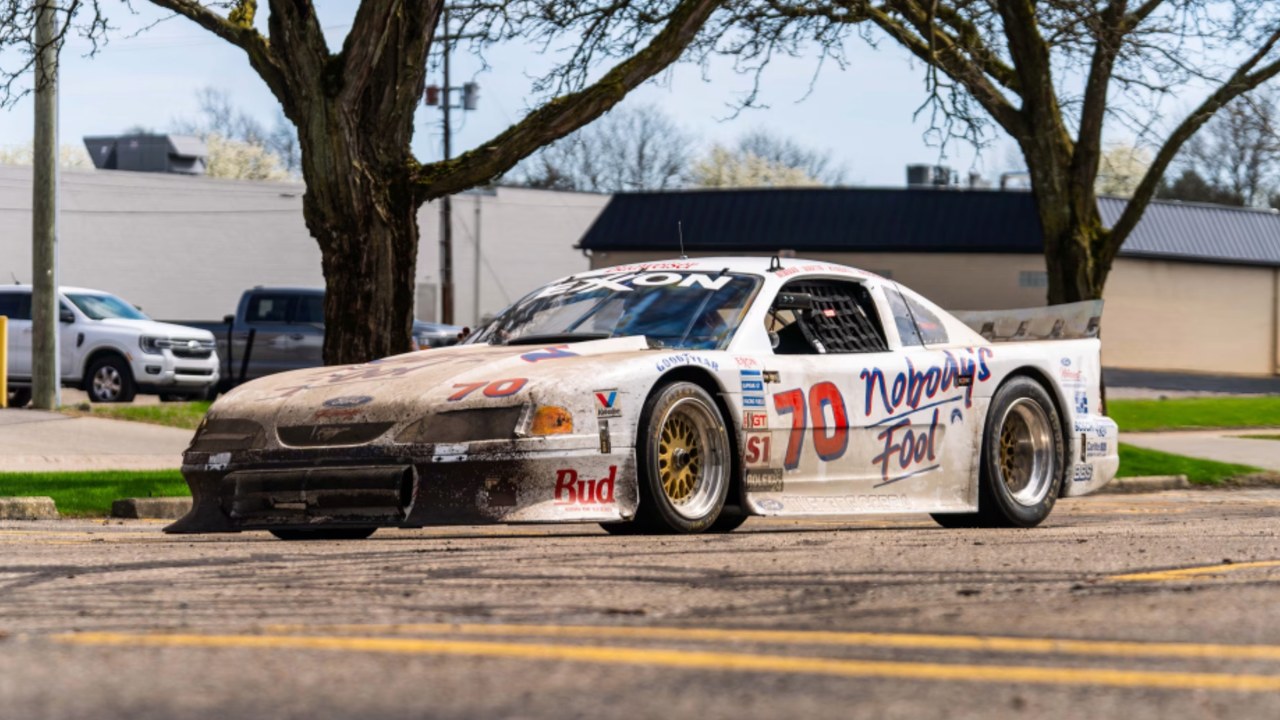
Turbocharging technology, initially developed to boost aircraft engine performance at high altitudes, has become a staple in modern automotive engineering. By compressing more air into the engine’s cylinders, turbochargers increase power output without significantly increasing engine size. This technique was first adapted for cars in the 1960s and has since become a defining feature of high-performance vehicles like the Ford Mustang EcoBoost.
The application of turbocharging in muscle cars allows for improved performance and fuel efficiency, making them more versatile for both everyday driving and racing. This technology has its roots in the innovative engineering solutions demanded by wartime aviation.
Precision Engineering: The Importance of Machining
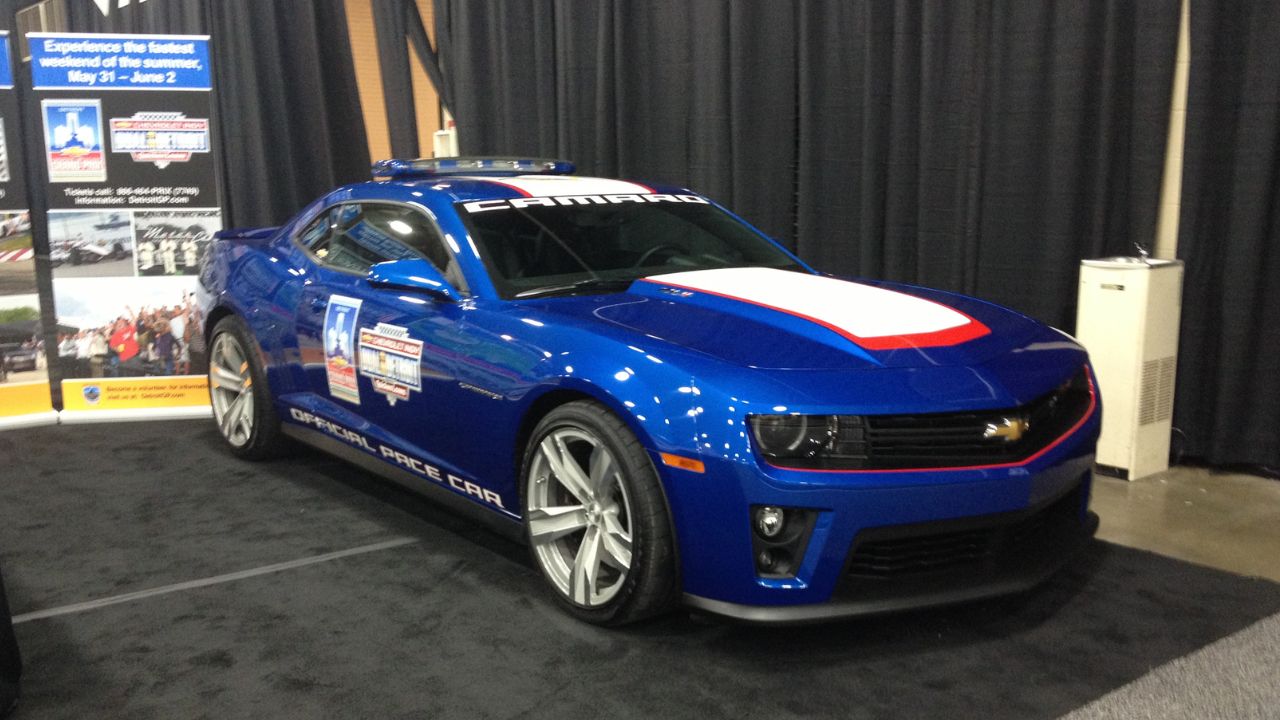
World War II necessitated advancements in machining and precision engineering, which have carried over into the automotive industry. The need for highly accurate parts in military aircraft led to the development of precision machining techniques that are now standard in car manufacturing. This ensures that every component of a muscle car fits together perfectly, reducing the risk of mechanical failure and enhancing overall performance.
Modern muscle cars benefit from these precision engineering advancements, allowing for tighter tolerances and improved reliability. The meticulous attention to detail in machining processes is a direct result of the stringent demands of wartime manufacturing.
Lightweight Materials: The Use of Aluminum and Alloys

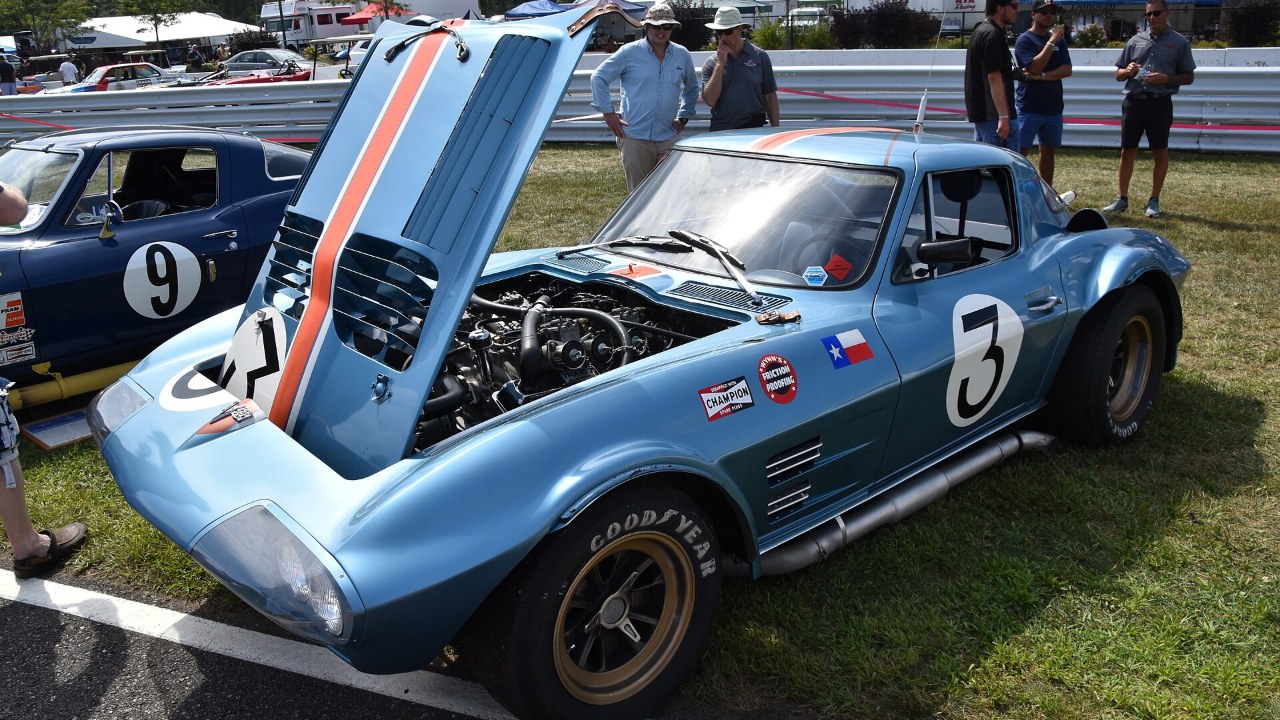
During the war, the need for lightweight yet strong materials led to the development and widespread use of aluminum and various alloys. These materials were crucial for aircraft construction and have since been adopted in the automotive industry to improve fuel efficiency and performance. Muscle cars like the Chevrolet Corvette have extensively used aluminum to reduce weight and increase speed.
Today, the use of lightweight materials is a key factor in enhancing the agility and efficiency of muscle cars, allowing them to achieve higher speeds while maintaining structural integrity. This innovation is a testament to the ongoing influence of WWII engineering.
Suspension Systems: Borrowed from Military Vehicles

Military vehicles required robust suspension systems to handle rough terrain, and these systems have influenced the design of modern muscle cars. The development of independent suspension systems during the war improved vehicle stability and ride comfort, features that are now standard in high-performance cars.
Muscle cars like the Ford Mustang incorporate advanced suspension technologies to deliver a smoother ride and better handling. These systems trace their origins back to the rugged demands of wartime vehicles, showcasing the enduring impact of military engineering on consumer automobiles.
Radar and Electronics: The Evolution of Vehicle Sensors
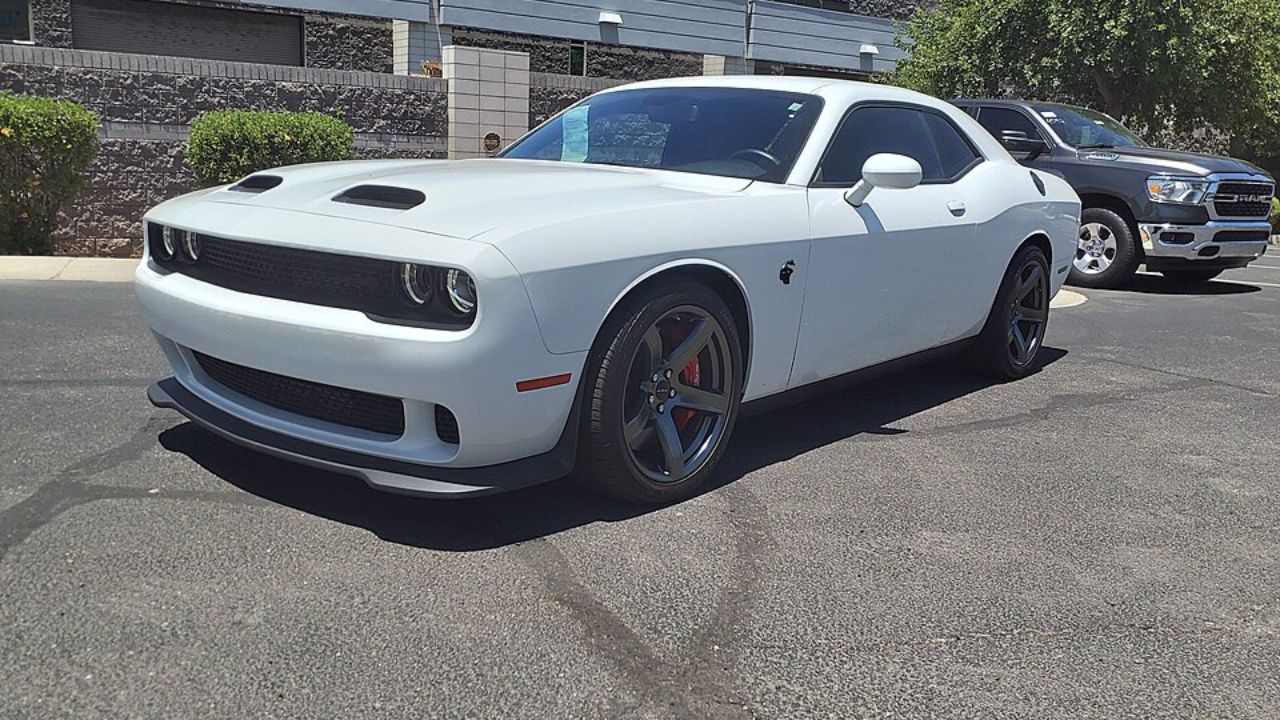
Radar technology, developed for military purposes during WWII, laid the groundwork for the sophisticated electronics and sensor systems found in today’s cars. These technologies enhance safety and performance by providing real-time data on vehicle speed, position, and surroundings.
Modern muscle cars utilize advanced electronics to optimize performance and safety features, such as adaptive cruise control and collision avoidance systems. The evolution of these systems highlights the pivotal role that wartime innovations have played in shaping the future of automotive technology.
Assembly Line Mastery: Mass Production of High-Performance Vehicles

The mass production techniques refined during WWII enabled the rapid assembly of military vehicles and equipment. These methods have since been adapted to the automotive industry, allowing for the efficient production of high-performance muscle cars. The 1940s marked a significant era in automotive history as manufacturers learned to scale up production without sacrificing quality.
Today’s assembly lines, equipped with state-of-the-art technology, continue to produce muscle cars that deliver both power and precision. The legacy of wartime production techniques ensures that these vehicles meet the high standards expected by enthusiasts and everyday drivers alike.
Like Fast Lane Only’s content? Be sure to follow us.
Here’s more from us:
*Created with AI assistance and editor review.