The 1974 Bricklin SV-1 was a car ahead of its time, emphasizing safety in an era when it wasn’t the focus for most automakers. Designed by Malcolm Bricklin, this car was packed with features intended to protect its occupants. However, these innovations came with trade-offs that ultimately limited its appeal and production. Let’s delve into the reasons why the Bricklin SV-1 was considered “too safe for its own good.”
Unique Gullwing Doors
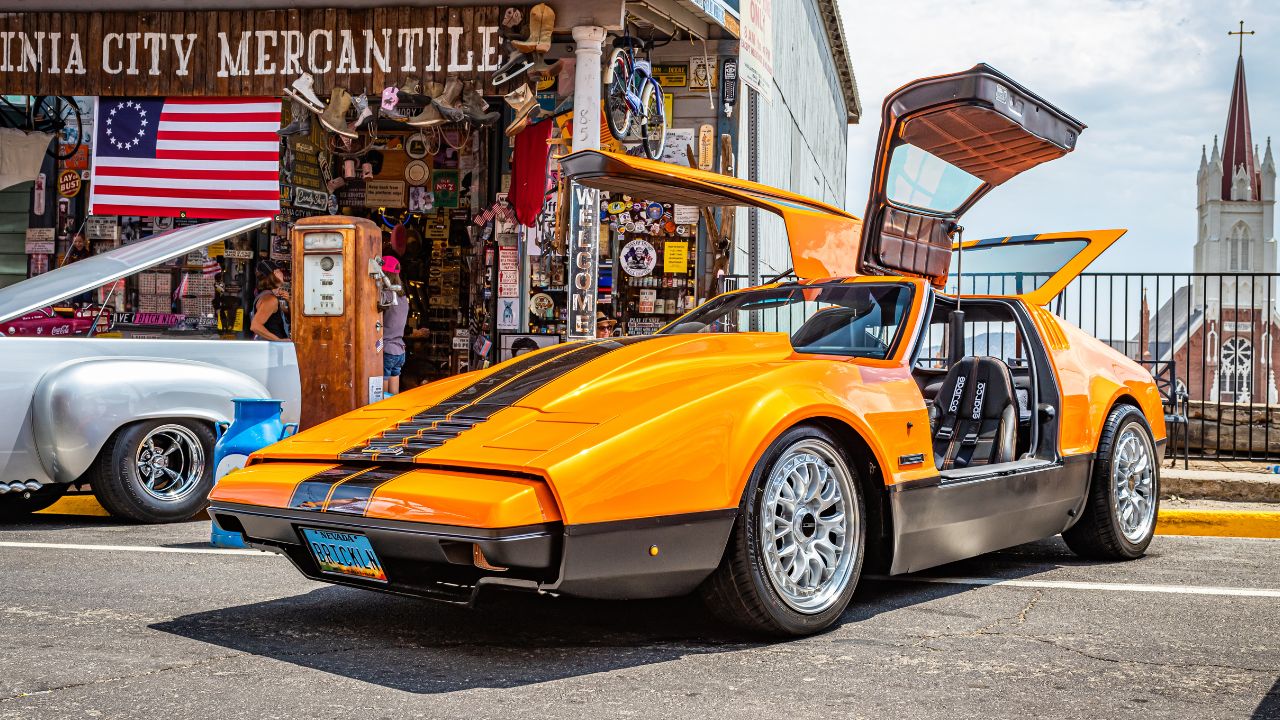
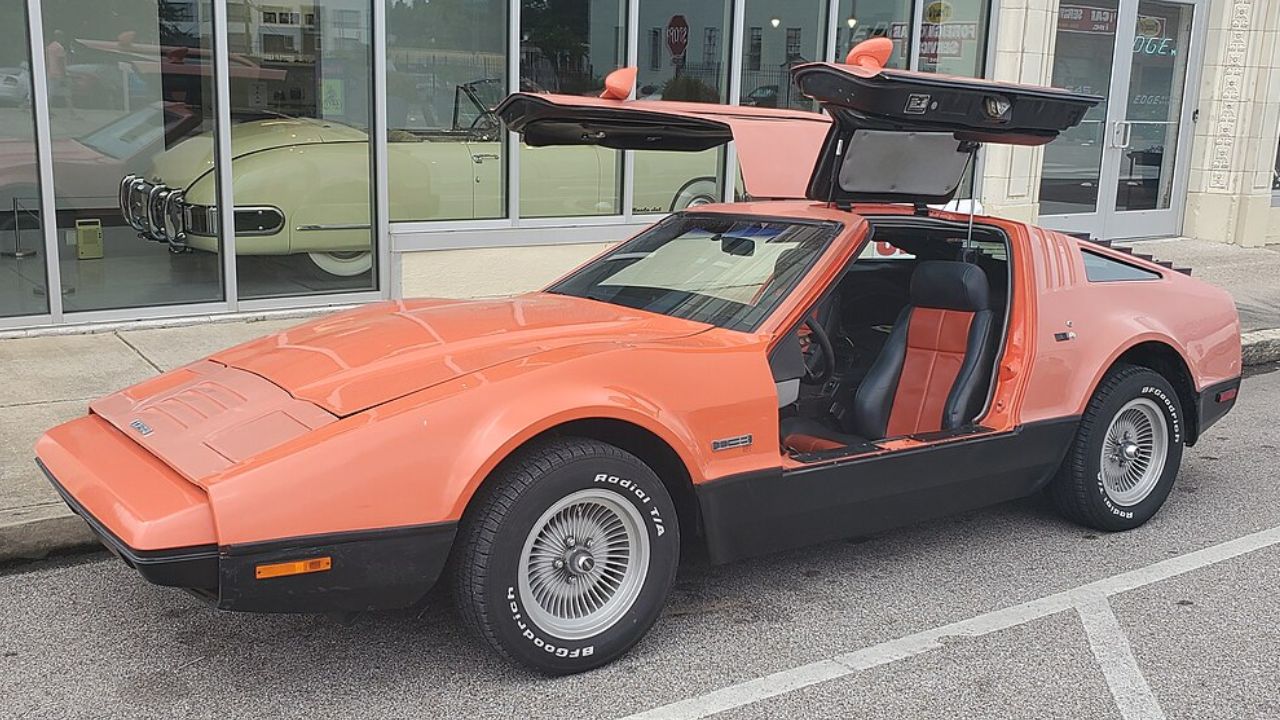
One of the most striking features of the Bricklin SV-1 was its gullwing doors. These doors were not only visually striking but also designed to offer additional protection in side-impact collisions. The doors were powered by hydraulics, allowing for easier access and exit, a feature uncommon at the time.
While the gullwing doors added a futuristic flair, they also presented some practical challenges. The hydraulic system was complex and prone to malfunction, leading to maintenance headaches for owners. This design decision, while innovative, sometimes overshadowed the car’s everyday usability.
Innovative Safety Features
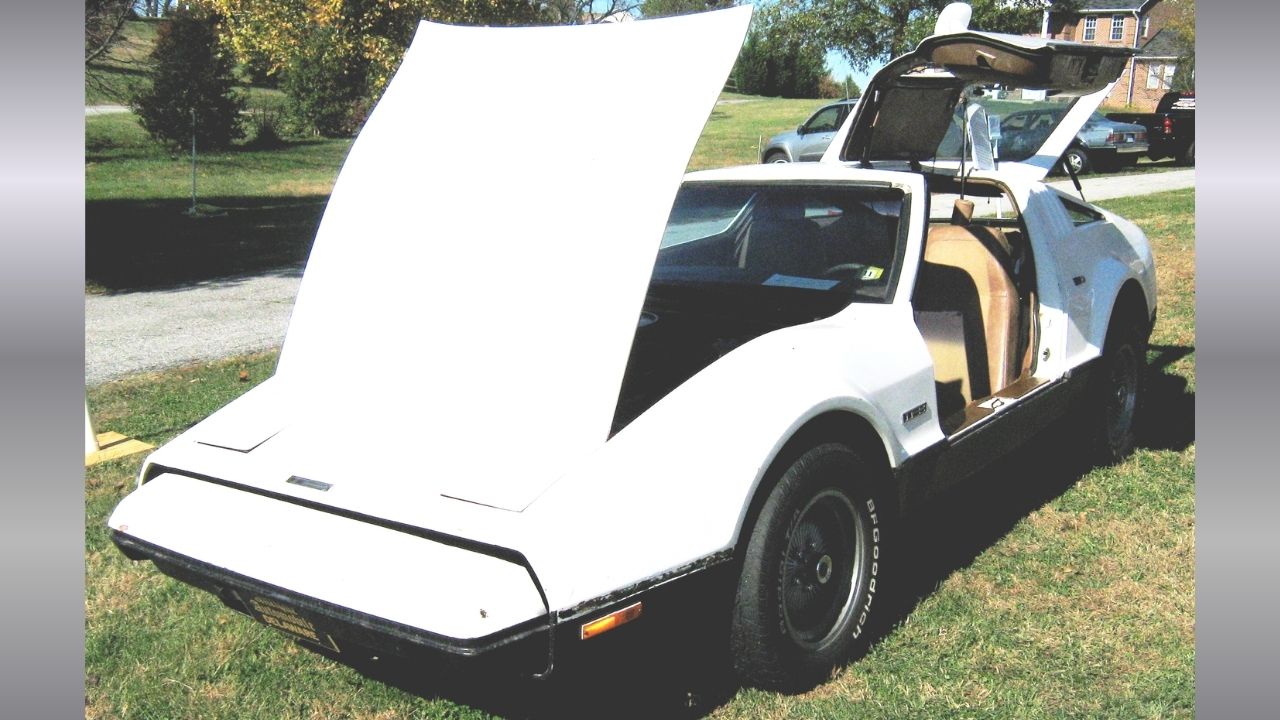
The Bricklin SV-1 was built with safety as its primary focus. Its name, SV-1, stands for “Safety Vehicle One,” a testament to its pioneering approach. The car boasted features like energy-absorbing bumpers and a rigid passenger cell designed to minimize injuries during collisions. At a time when seatbelts were not even mandatory in many jurisdictions, the Bricklin set a new standard for safety.
These features were part of Malcolm Bricklin’s vision to create a car that prioritized passengers’ well-being. This approach was revolutionary for the 1970s, which saw few manufacturers emphasize safety.
Built-in Roll Cage
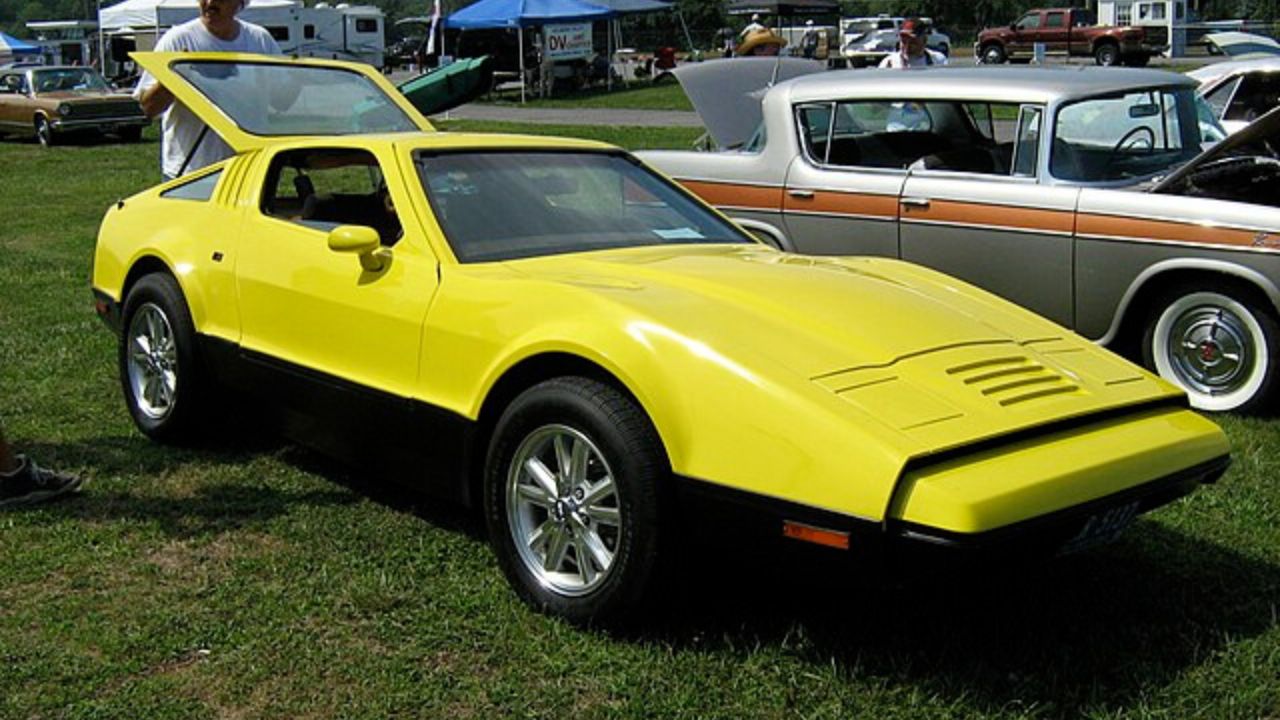
Incorporating a built-in roll cage was another forward-thinking safety feature of the Bricklin SV-1. The roll cage was integrated into the car’s chassis to provide added protection in rollover accidents. This feature was unheard of in most production cars of the 1970s, highlighting the car’s commitment to safety.
The inclusion of a roll cage made the car structurally robust but also added weight, affecting overall performance. This trade-off was one of the factors that contributed to the car’s mixed reception among sports car enthusiasts.
Impact-Absorbing Bumpers
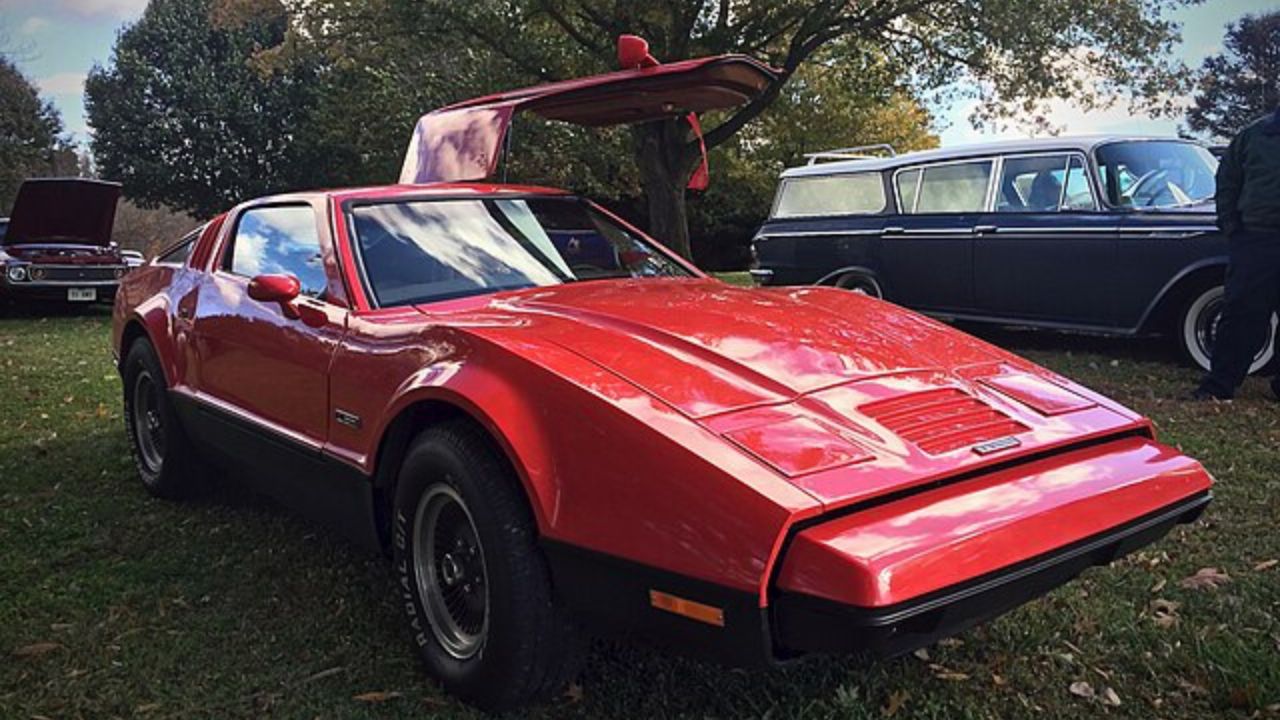
The SV-1 was equipped with large, impact-absorbing bumpers designed to withstand low-speed collisions without damage. These bumpers were constructed to absorb impact energy, reducing the risk of injury to occupants and damage to the car.
Despite their effectiveness, the bulky design of the bumpers was not everyone’s cup of tea. The aesthetic appeal of the car suffered, as the bumpers disrupted the sleek lines typical of sports cars. This compromise between safety and style was another reason the SV-1 struggled to find its niche.
Overshadowed Performance Capabilities
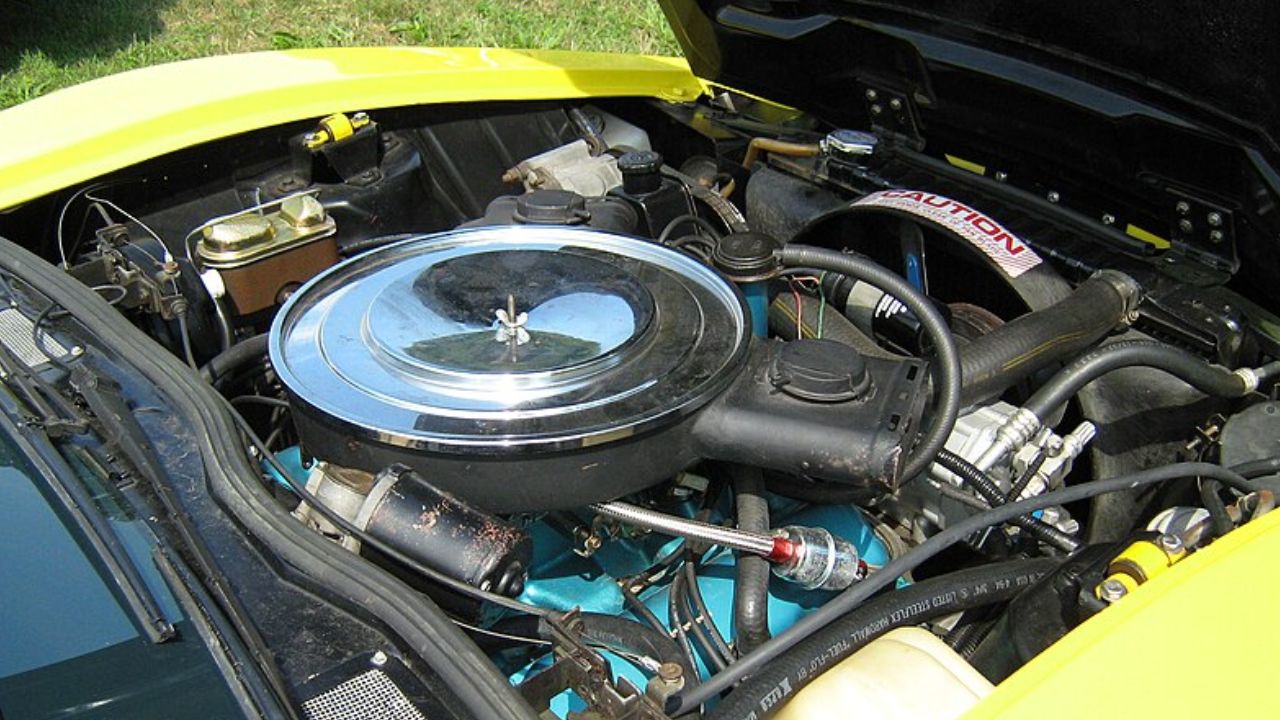
While the Bricklin SV-1 was a pioneer in safety, its performance capabilities left much to be desired. The car was powered by an AMC 360 V8 engine, which, despite its size, offered moderate performance. The extra weight from the safety features further hampered acceleration and handling.
For car enthusiasts seeking speed and agility, the SV-1’s safety-first design meant sacrificing some of the driving excitement associated with sports cars. This was particularly evident when compared to other performance-focused cars of its era.
Limited Production Challenges
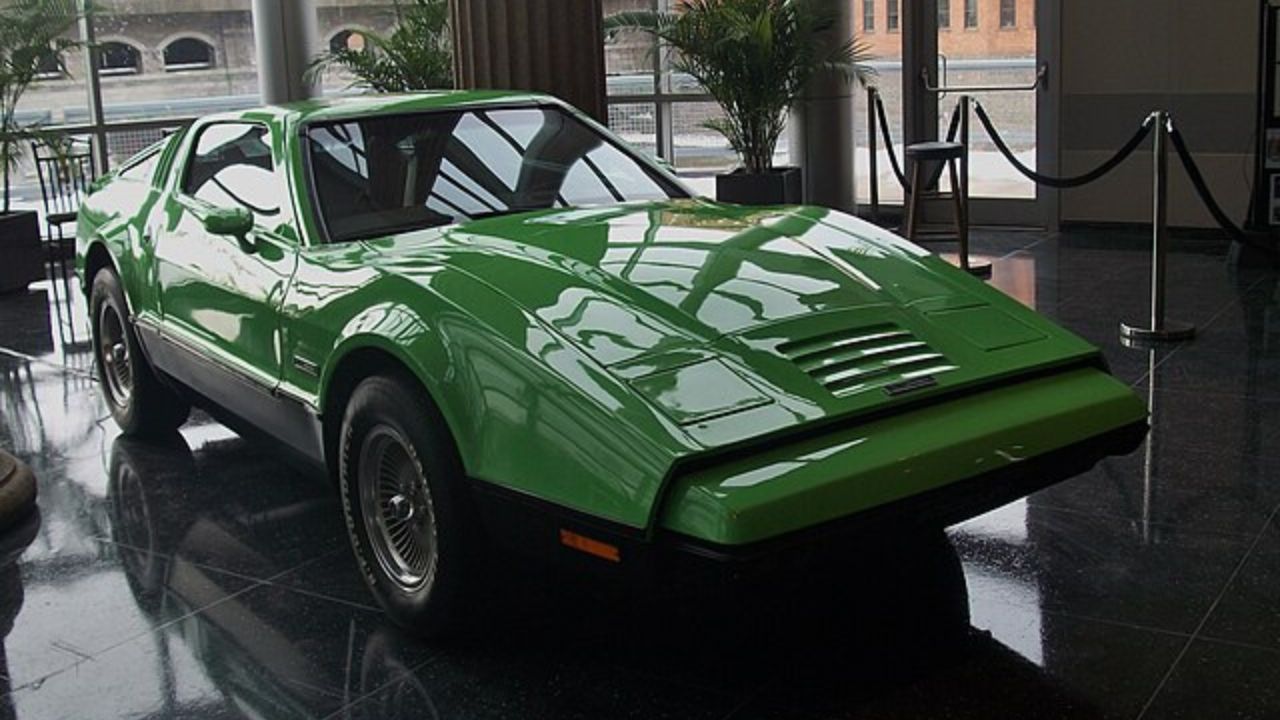
The Bricklin SV-1 faced numerous production challenges that limited its success. Manufacturing issues and financial constraints led to a limited production run, with only around 2,900 units produced between 1974 and 1976. These challenges were exacerbated by the complex engineering required for its safety features.
Production delays and cost overruns further hindered the car’s market performance. The limited availability and high price point made it difficult for the SV-1 to compete with more established brands.
Design Over Practicality
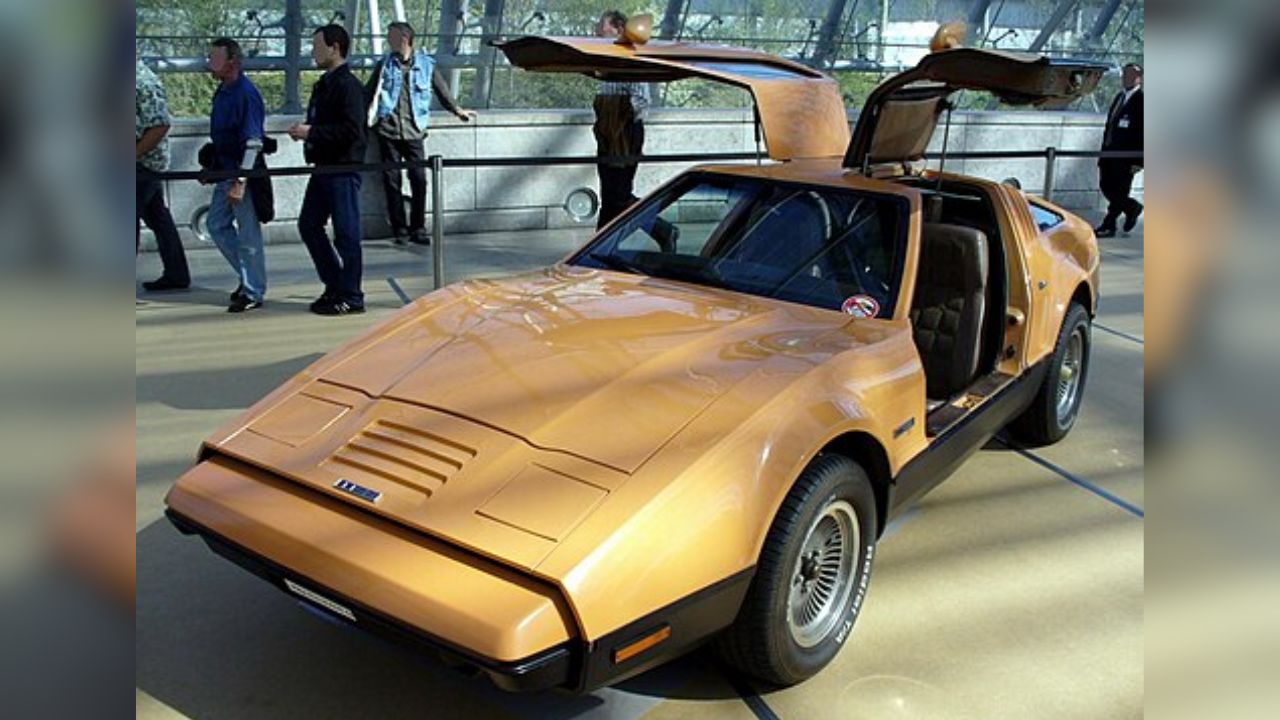
The Bricklin SV-1’s design prioritized safety and aesthetics over practicality, which presented challenges for everyday use. The gullwing doors and impact-absorbing bumpers, while innovative, added complexity and weight to the vehicle, affecting fuel efficiency and ease of maintenance.
Owners often found themselves dealing with mechanical issues, particularly with the door hydraulics. This focus on design over practical usability limited the car’s appeal to a broader audience, ultimately affecting its commercial success.
Legacy and Collectibility
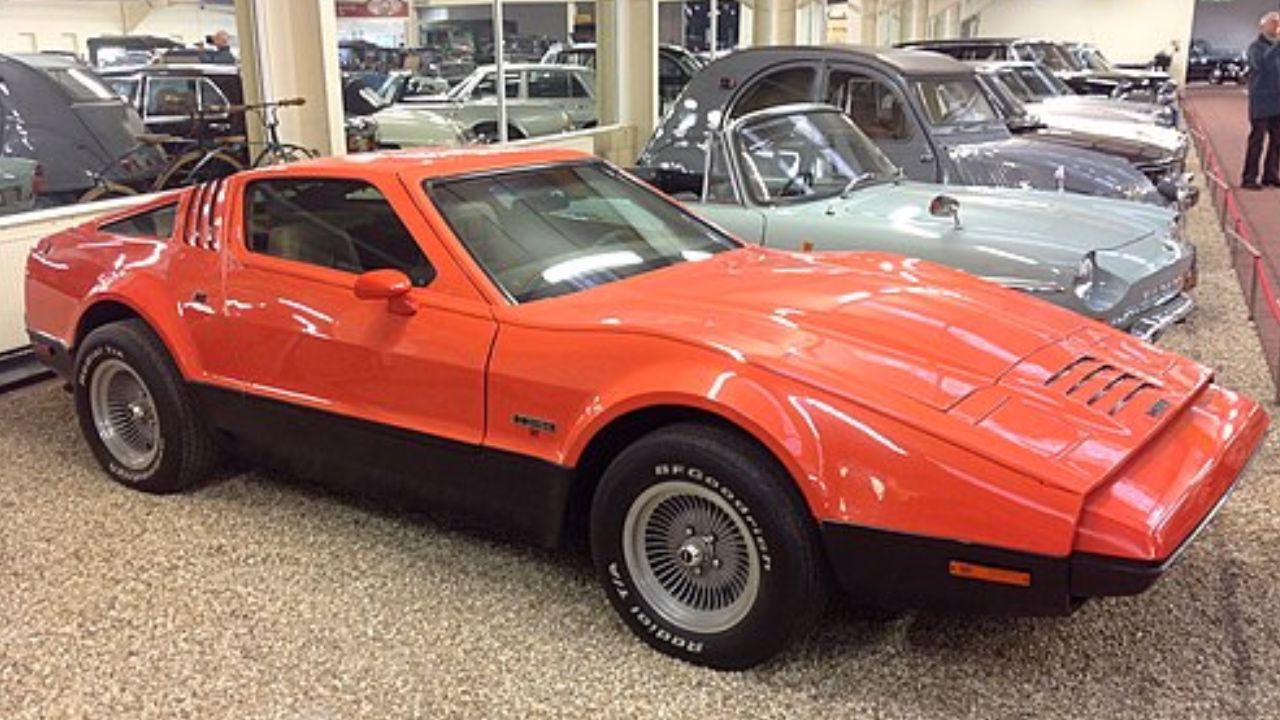
Despite its commercial struggles, the Bricklin SV-1 has left a lasting legacy as a bold experiment in automotive safety. Today, the car is considered a collector’s item, with enthusiasts appreciating its unique design and historical significance. Its scarcity and distinctive features make it a sought-after model among collectors.
The SV-1’s contribution to automotive safety has not been forgotten, and its legacy continues to influence modern car design.
Like Fast Lane Only’s content? Be sure to follow us.
Here’s more from us:
*Created with AI assistance and editor review.