The Buick Riviera, often overshadowed by its contemporaries, remains one of the most misunderstood classic cars. Despite its striking design and advanced engineering, it has not received the recognition it deserves among classic car enthusiasts.
Historical Context
The Buick Riviera was introduced in 1963, entering the American automotive landscape as a bold statement of luxury and performance. At the time, the Riviera was a fresh departure from the traditional designs that dominated the market. It was conceived during an era when American car buyers were beginning to seek out more than just utility in their vehicles; they craved style and a sense of identity. The Riviera, with its elegant lines and luxurious features, was positioned to meet this growing demand.
Market conditions in the 1960s played a significant role in shaping the Riviera’s design and reception. The post-war economic boom had led to an increase in disposable income, and consumers were eager to spend on luxury items, including automobiles. The Riviera was designed to appeal to this demographic, blending performance with an upscale aesthetic. Key figures behind its creation included chief designer Bill Mitchell, who envisioned a car that captured the essence of American luxury while incorporating cutting-edge technology. His team focused on creating a vehicle that would stand out in a crowded field of competitors, such as the Ford Thunderbird and the Cadillac Eldorado.
Design and Engineering Innovations
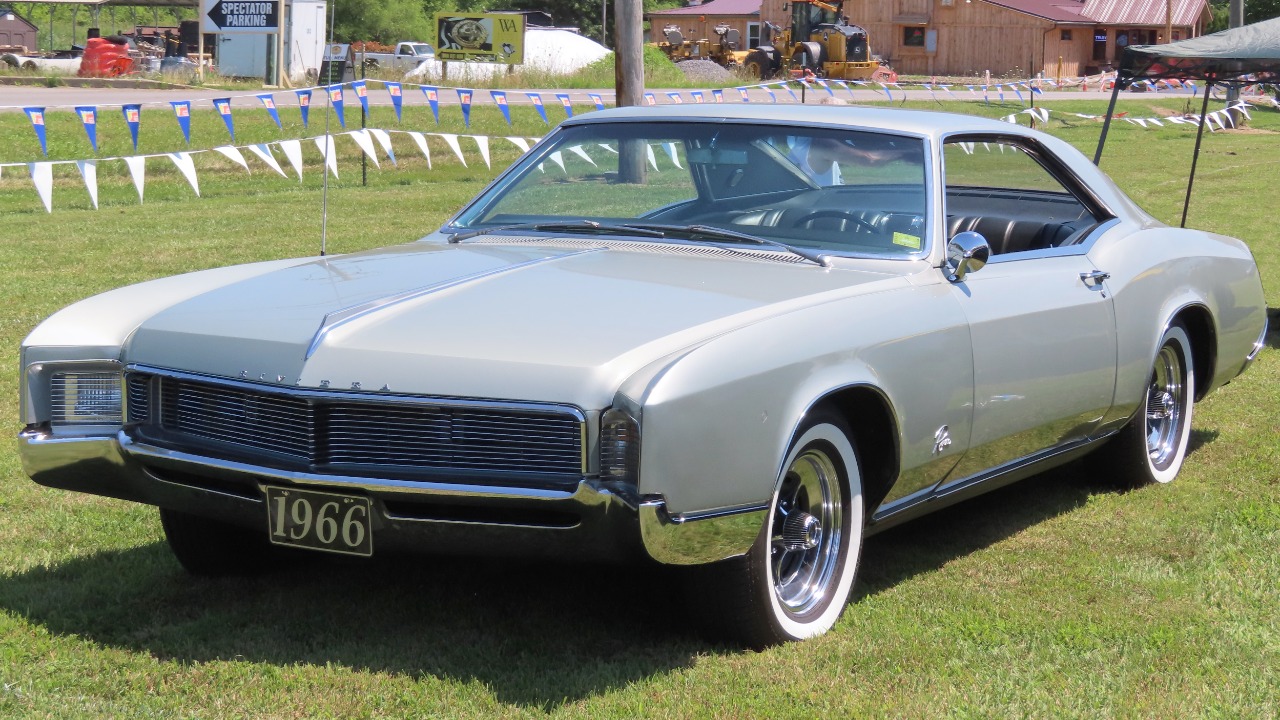
The Buick Riviera is notable for its unique design elements, which set it apart from other cars of its time. Its sleek silhouette, characterized by a long hood and short rear deck, is complemented by a distinctive grille that conveys both elegance and aggression. The Riviera’s design is a testament to the creative vision of its designers, who sought to create a car that was not only beautiful but also aerodynamically efficient.
One of the most significant engineering innovations introduced with the Riviera was its “floating” body structure, which allowed for a more rigid frame without adding unnecessary weight. This groundbreaking design feature contributed to the car’s smooth ride and handling characteristics. When compared to contemporaneous models like the Chevrolet Corvette or the Pontiac GTO, the Riviera’s design was remarkably forward-thinking, emphasizing not just performance but also comfort and luxury for the driver and passengers alike.
Performance and Driving Experience
The Buick Riviera offered a range of engine options throughout its production run, from the original 325-horsepower 7.0L V8 to the later, more powerful 455-cubic-inch V8, which produced 360 horsepower. These engines provided the Riviera with impressive acceleration and top-end speed, making it a formidable contender in the performance car community. However, misconceptions about the Riviera’s performance capabilities persist, often overshadowed by its more aggressive counterparts.
Many owners have shared personal anecdotes about their driving experiences, highlighting the Riviera’s remarkable comfort and handling. The car’s suspension system was designed to provide a smooth ride, even on rough roads, while its spacious interior ensured that long drives were enjoyable. I remember my first experience behind the wheel of a 1971 Riviera; the way it glided over bumps made me appreciate the engineering that went into its design. Despite its luxurious demeanor, the Riviera can hold its own when it comes to spirited driving, though it is often mistakenly viewed as merely a cruiser.
Cultural Significance and Popularity
The Buick Riviera has made appearances in various aspects of popular culture, from films to music, further cementing its status as a classic. In the 1980 film “The Secret of My Success,” the Riviera serves as a symbol of success and ambition. In music, its sleek profile has been referenced in songs that celebrate the allure of classic cars. These cultural nods have contributed to a loyal fan base that appreciates the Riviera not just for its engineering but also for its representation of a bygone era of American automotive history.
Despite its cultural significance, the Riviera’s popularity has fluctuated over the decades. The rise of muscle cars in the 1970s and 1980s shifted consumer preferences, and the Riviera, with its focus on luxury, was sometimes overlooked by collectors. However, a dedicated community of enthusiasts has consistently championed the Riviera, recognizing its unique blend of style and performance. Online forums and clubs, such as the AACA, have become vital resources for those looking to share their passion for this misunderstood classic.
Current Market and Collectibility
As of now, the market value of the Buick Riviera varies widely, depending largely on the model year and condition of the vehicle. While classic cars such as the Ford Mustang or the Chevrolet Camaro often command higher prices, the Riviera remains relatively affordable. This disparity can lead to misconceptions about its worth; many assume that a car with such a unique design must be valued similarly to its more popular peers. However, the Riviera’s prices can be quite reasonable, making it an attractive option for collectors looking for something different.
Experts in the classic car market suggest that the Buick Riviera is often overlooked despite its potential as an investment. Its rarity and distinctive style make it a vehicle that could appreciate in value as more collectors begin to recognize its significance. In fact, various sources indicate that interest in unique vintage vehicles is on the rise, suggesting that the Riviera, with its storied history and impressive design, may soon see a resurgence in popularity. The potential for growth in the classic car market makes now an excellent time to consider adding a Riviera to your collection.
Restoration and Ownership Experience
For those interested in restoring a Buick Riviera, there are several tips and considerations to keep in mind. One of the most common issues with older Rivieras is rust, particularly in the wheel wells and underbody. It’s essential to conduct a thorough inspection before purchasing a project car. Additionally, finding parts can sometimes be challenging, but there are dedicated resources available for restorers. Websites like classic car parts suppliers and forums can provide valuable connections for hard-to-find components.
Current owners often share their experiences with restoration projects, highlighting both the challenges and rewards. Many have found that the process of bringing a Riviera back to life is not just about the car itself but also about the community that surrounds it. Enthusiast clubs and online forums provide a network of support for restorers, offering advice and camaraderie throughout the journey. I personally found immense satisfaction in engaging with fellow owners, learning from their experiences, and sharing tips on how to maintain and improve our beloved Rivieras.
Ultimately, the Buick Riviera stands as a testament to a unique era in American automotive history. Its combination of style, performance, and cultural significance makes it a classic that deserves recognition. As the classic car market evolves, I believe that the Riviera will continue to rise in appreciation among collectors and enthusiasts alike.
More from Fast Lane Only
- Unboxing the WWII Jeep in a Crate
- 15 rare Chevys collectors are quietly buying
- 10 underrated V8s still worth hunting down
- Police notice this before you even roll window down
*Research for this article included AI assistance, with all final content reviewed by human editors.