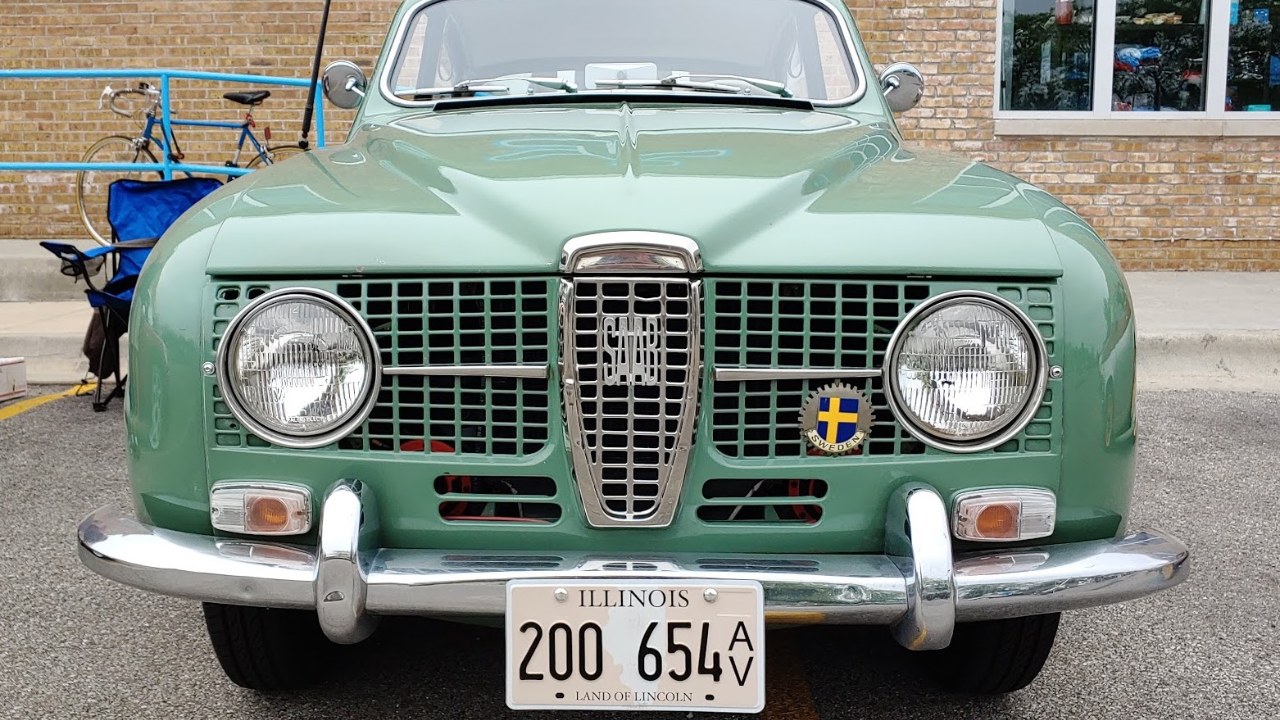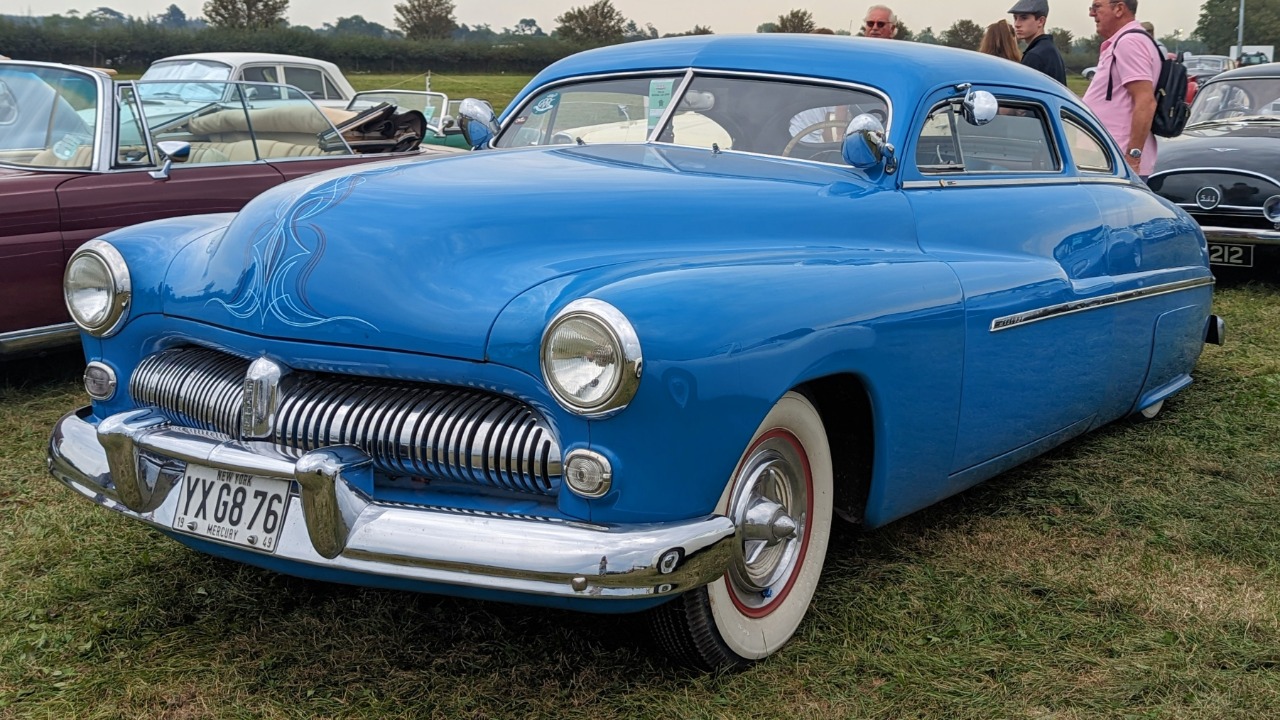
The 1940s was a decade of transformation for the automotive industry, marking a period of innovation and recovery following the tumult of World War II. As manufacturers shifted from wartime production to civilian vehicles, they introduced groundbreaking designs and technologies. This list celebrates 11 iconic cars from the 1940s that not only defined the era but also set the stage for future advancements in automotive engineering.
1940 Cadillac Series 62
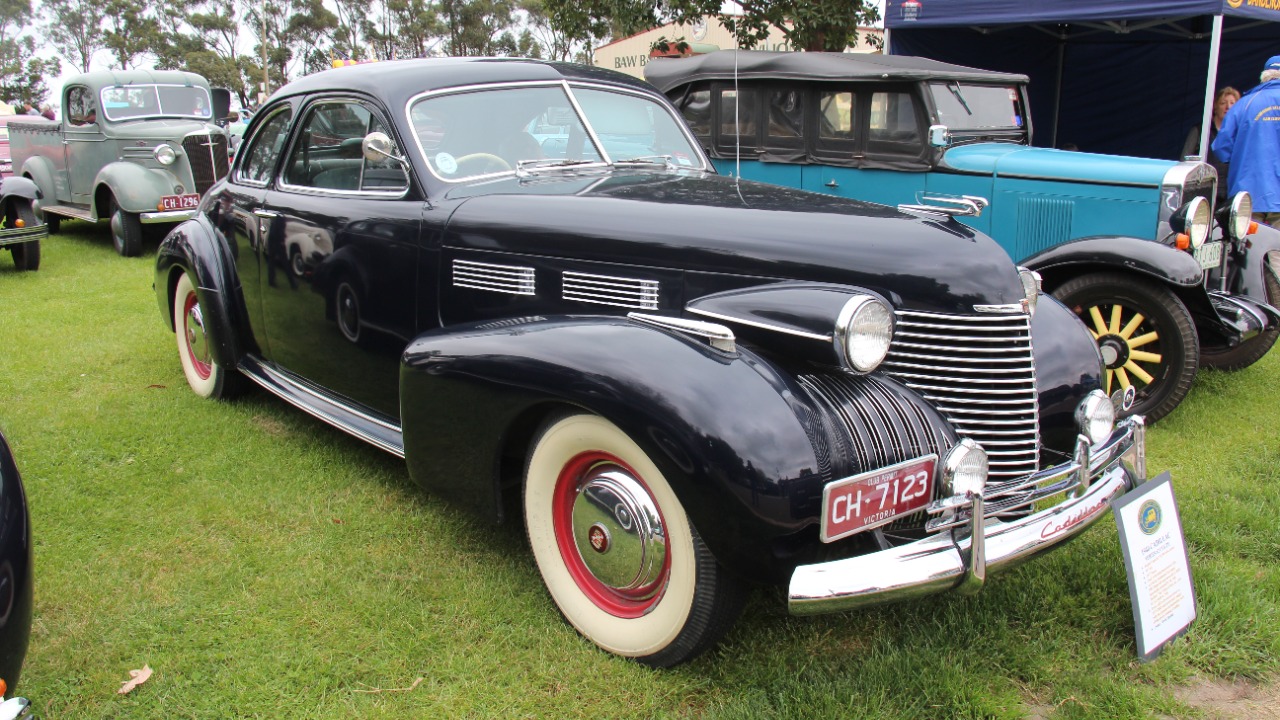
The 1940 Cadillac Series 62 was a symbol of luxury and sophistication. With its sleek lines and powerful V8 engine, this car captured the essence of the pre-war era. The Series 62 featured innovative designs such as a lower, wider stance and a longer wheelbase, giving it a commanding presence on the road. Inside, the cabin was adorned with high-quality materials, showcasing Cadillac’s commitment to comfort and style.
Equipped with advanced features like an automatic transmission and a smooth ride, the Series 62 was a favorite among affluent buyers. It set the standard for luxury vehicles, influencing designs for decades to come. Cadillac’s pioneering spirit in engineering and style made it a benchmark in the automotive world, with the Series 62 leading the charge into a new era.
1941 Chrysler Newport
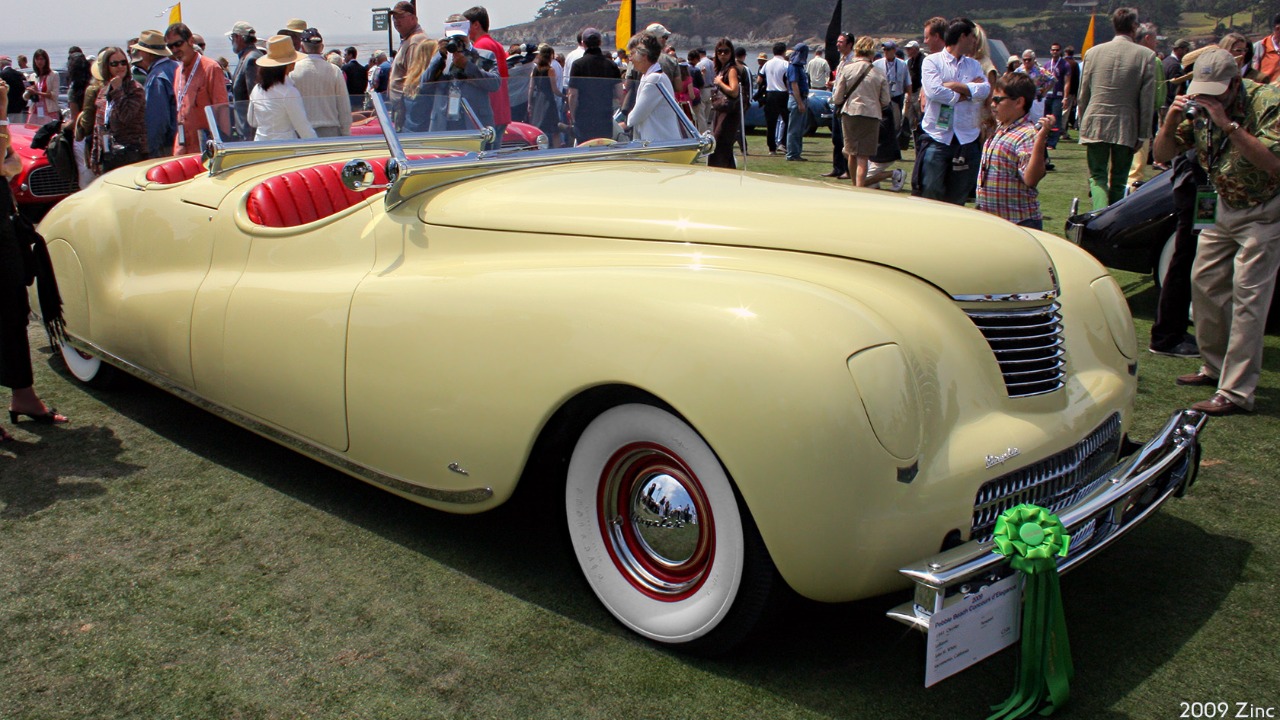
The 1941 Chrysler Newport emerged as a stylish option during a time when design was essential. This car featured a distinctive, streamlined body that was both functional and aesthetically pleasing. The Newport was equipped with a powerful flathead six-cylinder engine, providing a reliable and smooth driving experience. Its elegant interior boasted luxurious touches such as plush upholstery and innovative dashboard designs.
What truly set the Newport apart was its attention to detail and craftsmanship, making it a favorite among those seeking elegance without sacrificing performance. As the last model year before the war halted production, the Newport stands as a reminder of an era filled with creativity and ambition in automotive design.
1942 Ford Super Deluxe
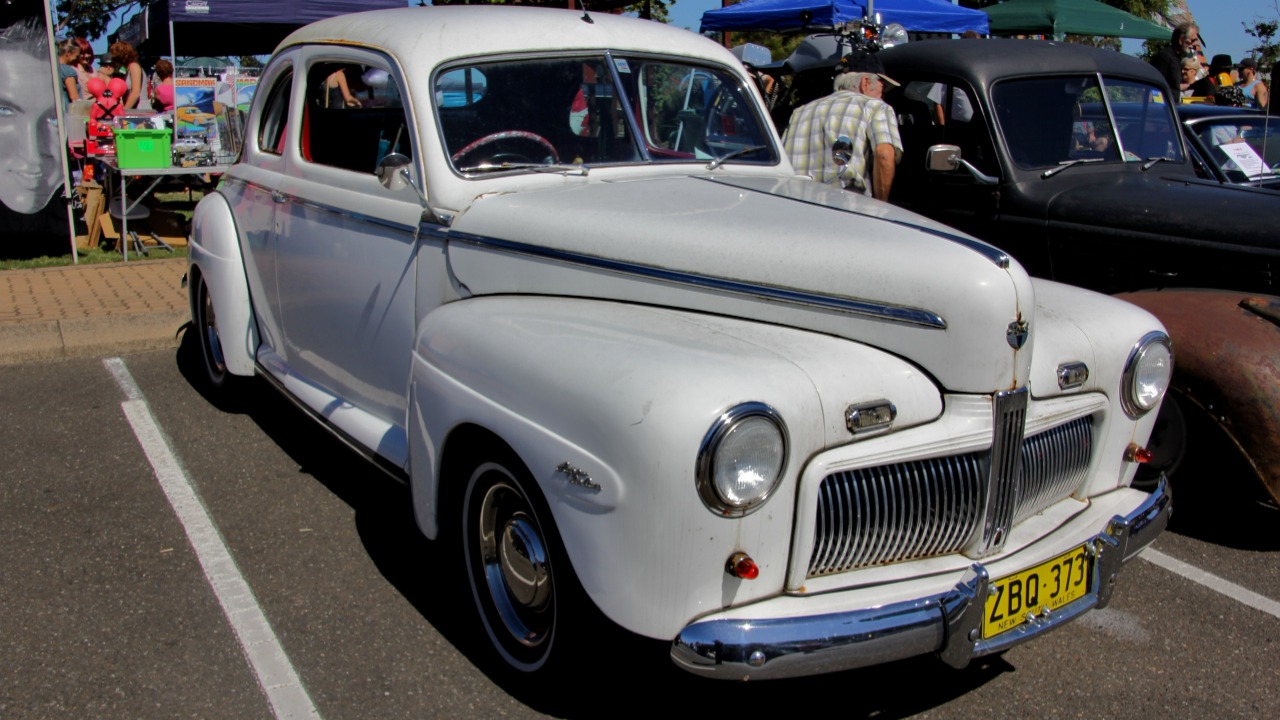
The 1942 Ford Super Deluxe was a standout in Ford’s lineup, showcasing the brand’s commitment to affordability and style. This model featured a bold design with a spacious interior, making it a popular choice for families. With a smooth flathead V8 engine, the Super Deluxe offered a great balance of power and efficiency, allowing drivers to enjoy the open road.
The car’s design included larger windows for better visibility and an array of color options to suit various tastes. The Super Deluxe was known for its reliability, and its success helped Ford solidify its position in the automotive market. As production ceased during the war, the Super Deluxe became a symbol of American ingenuity and resilience, paving the way for post-war innovations.
1946 Chevrolet Stylemaster
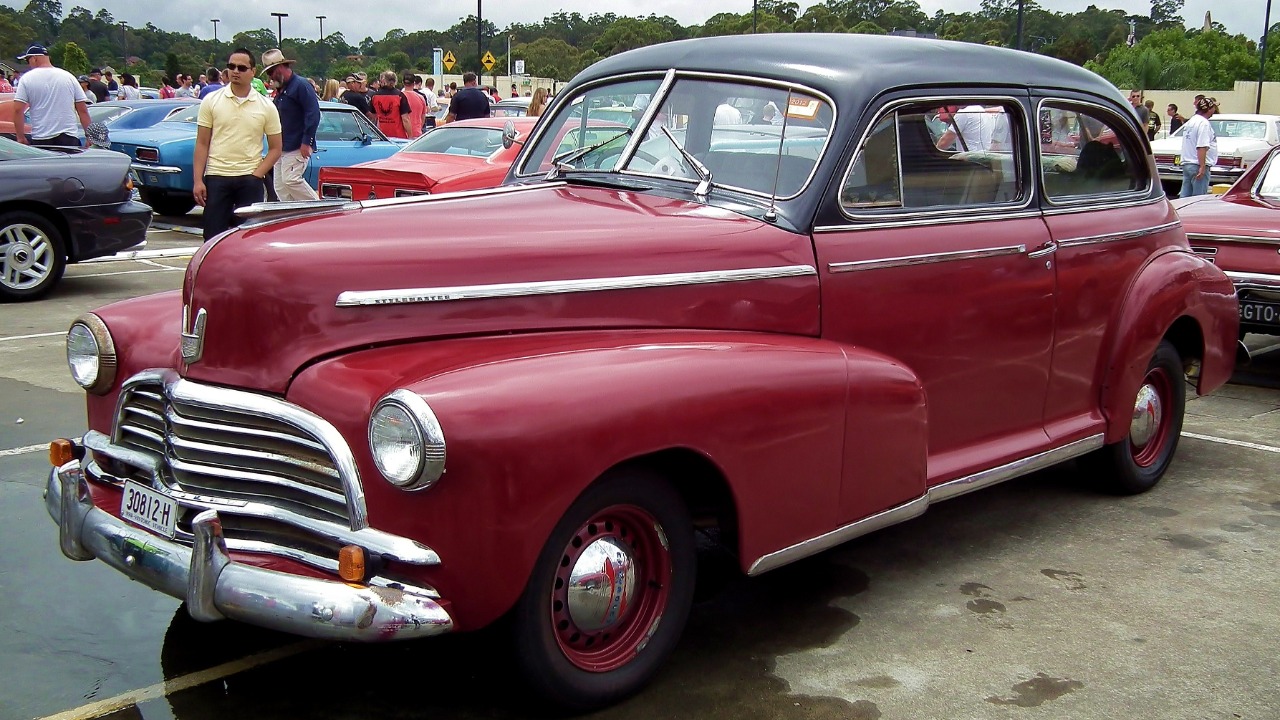
The 1946 Chevrolet Stylemaster marked the return of civilian vehicle production after World War II. This model was a significant step in revitalizing the automobile industry, featuring a stylish design that combined both modernity and nostalgia. The Stylemaster was powered by a reliable inline-six engine, offering solid performance that appealed to everyday drivers.
Chevrolet made an effort to incorporate comfort and convenience, ensuring that the Stylemaster had ample interior space and a smooth ride. Its rounded fenders and sweeping lines captured the essence of 1940s design, making it a favorite among consumers eager for new vehicles after the war. The Stylemaster’s popularity helped Chevrolet reclaim its position as a leading manufacturer in a rapidly changing market.
1947 Studebaker Champion
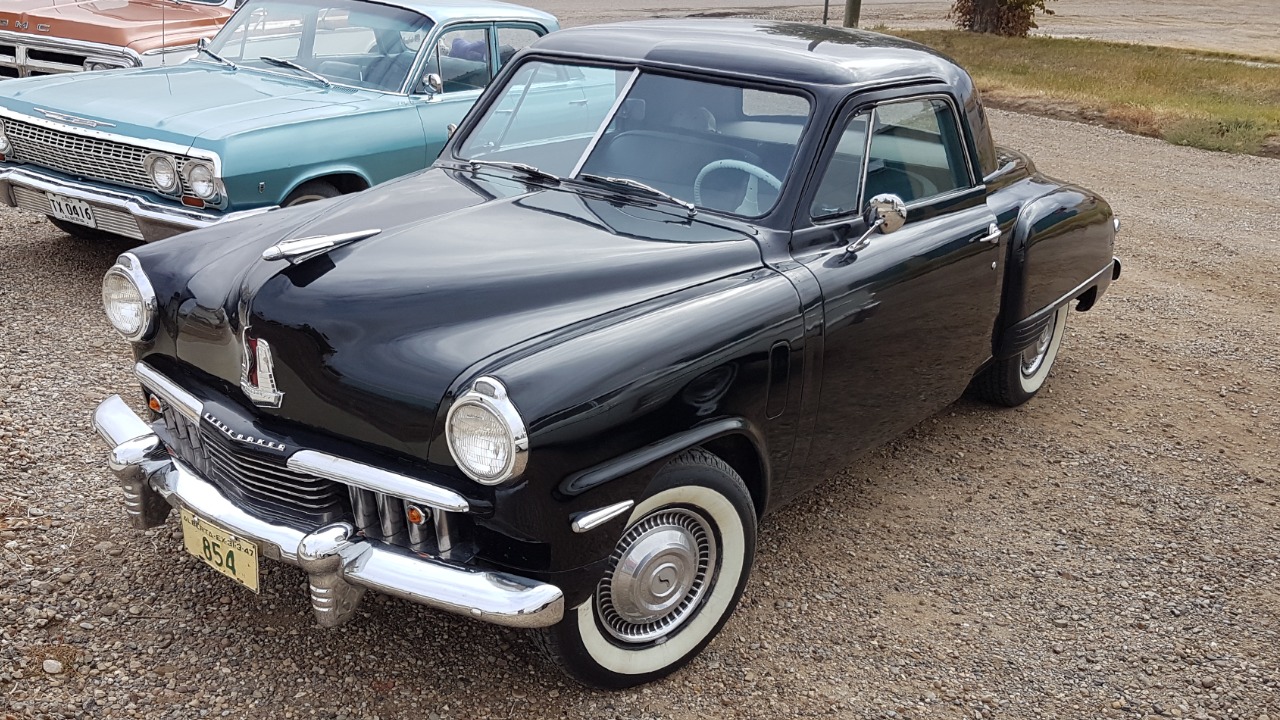
The 1947 Studebaker Champion was a unique offering in the post-war automotive landscape. Its distinct design, characterized by a bullet-nose front and streamlined body, set it apart from the competition. The Champion was powered by a six-cylinder engine, providing enough power for a smooth ride while maintaining good fuel efficiency.
One of the standout features of the Champion was its spacious interior, which offered a comfortable experience for both drivers and passengers. The car’s innovative engineering and design made it popular among those looking for something different in the market. As Studebaker focused on quality and style, the Champion helped solidify the brand’s reputation as a manufacturer of innovative vehicles.
1948 Tucker 48
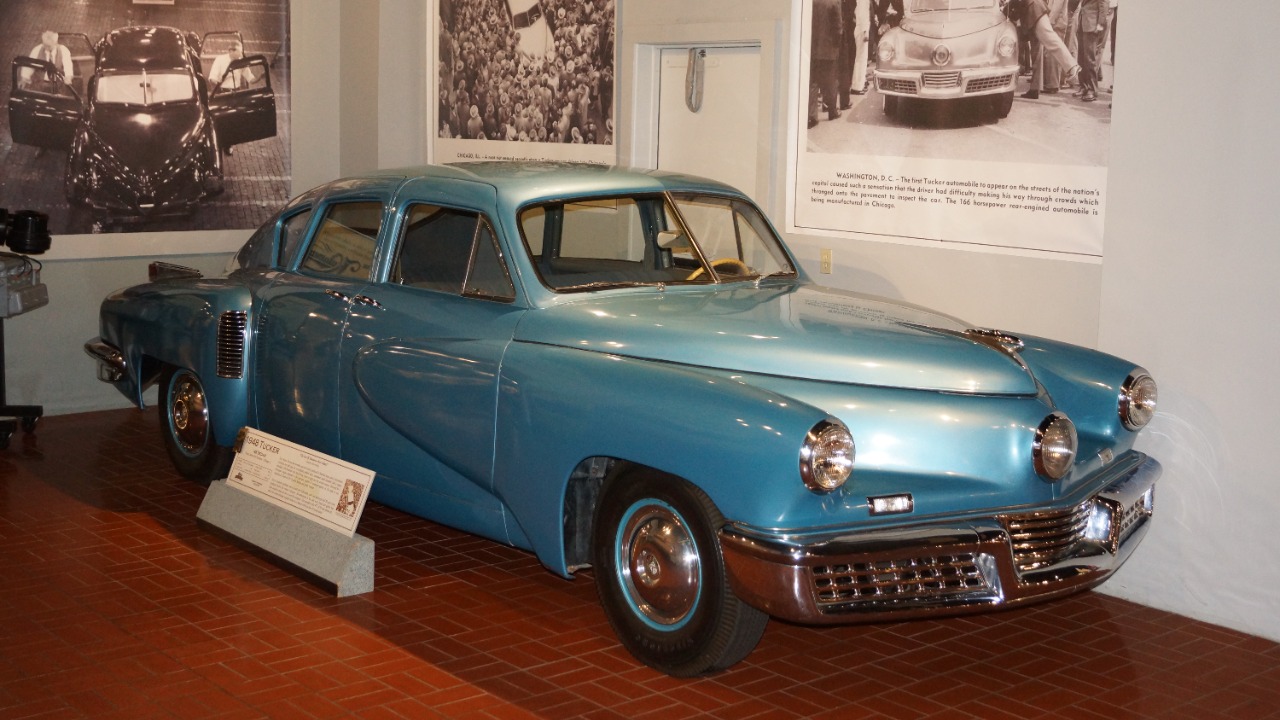
The 1948 Tucker 48 was a visionary car that challenged the norms of its time. Designed by Preston Tucker, this vehicle incorporated advanced safety features and cutting-edge technology, including a rear engine layout and independent suspension. The Tucker 48 was known for its distinctive design, featuring a unique headlight arrangement that followed the steering direction, enhancing visibility during nighttime driving.
Despite its innovative features, the Tucker 48 faced numerous challenges, including financial difficulties and legal battles, which ultimately limited its production to only 51 units. Nevertheless, the Tucker 48 remains an icon of automotive innovation, influencing future designs and inspiring other manufacturers to think outside the box. Its legacy is a testament to the spirit of creativity that defined the 1940s automotive industry.
1949 Oldsmobile 88

The 1949 Oldsmobile 88 is often credited with being the first true “muscle car.” It was powered by a robust Rocket V8 engine, giving it impressive performance and speed for its time. The 88’s sleek design, with its sweeping lines and bold grille, made it a standout on the road and a popular choice among buyers looking for both style and power.
Oldsmobile focused on creating a vehicle that offered a thrilling driving experience without sacrificing comfort. The interior was spacious, with high-quality materials and a driver-focused layout. The success of the Oldsmobile 88 set a precedent for future performance vehicles, establishing a new segment in the automotive market that emphasized speed and agility.
1949 Mercury Eight
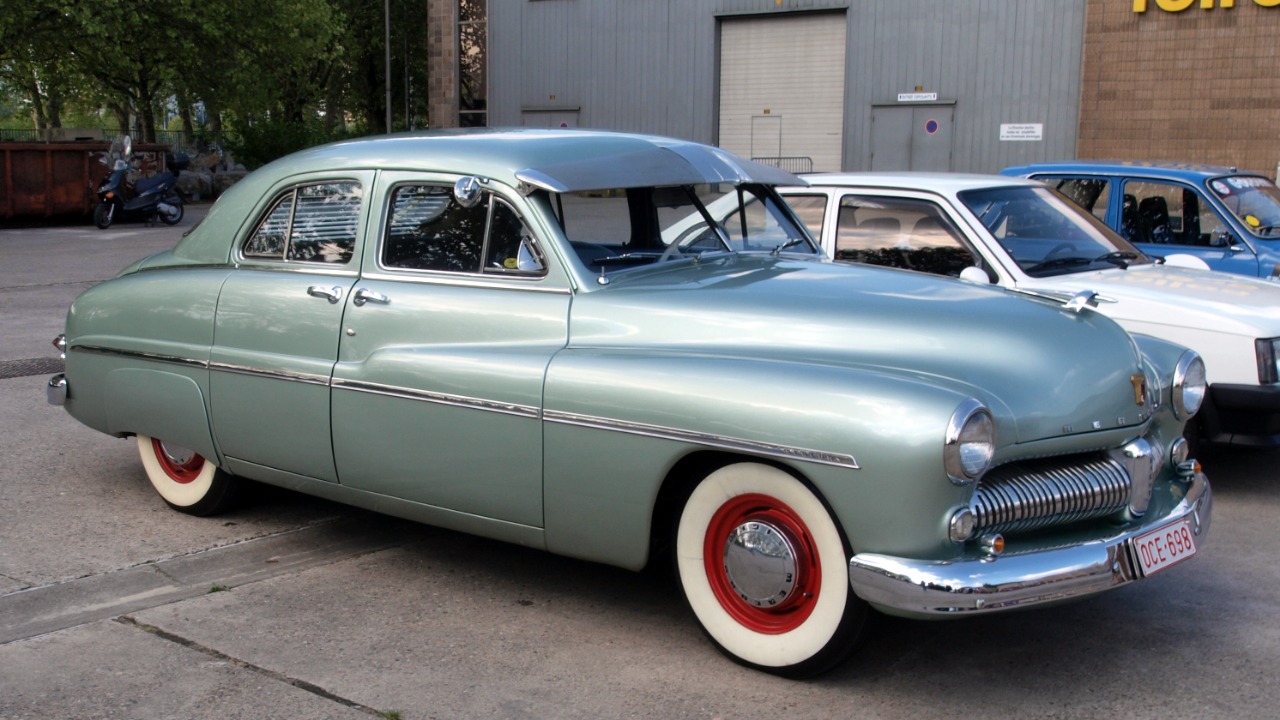
The 1949 Mercury Eight showcased a stylish and modern design that appealed to a wide range of consumers. Its distinctive look featured a long hood and short deck, giving it an elegant silhouette. The Eight was equipped with a flathead V8 engine, delivering a smooth and powerful performance that made it a joy to drive.
The interior of the Mercury Eight was designed with comfort in mind, featuring plush seating and an array of modern conveniences for its time. The car’s success helped Mercury establish itself as a leader in the mid-range market, appealing to buyers who wanted both style and performance at an affordable price. Its design and engineering innovations set the stage for future Mercury models.
1949 Ford F-Series
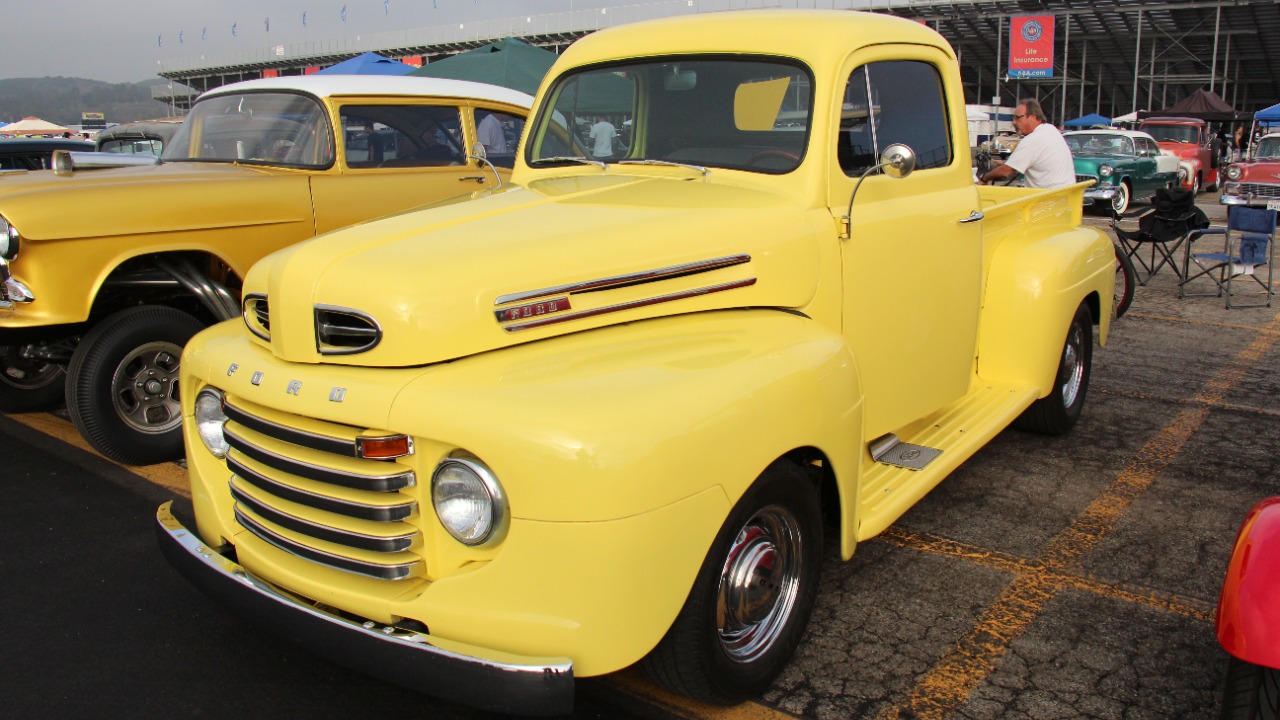
1949 Ford F-Series revolutionized the pickup truck market, combining rugged capability with innovative design. This model introduced the world to the first generation of Ford’s iconic F-Series trucks, which would go on to become a staple in American automotive history. The F-Series featured a distinctive boxy shape, a wide cab, and a choice of powerful engines, ensuring it could tackle any job.
What made the 1949 F-Series particularly appealing was its versatility. It was designed for both work and play, attracting farmers, contractors, and families alike. The introduction of comfortable interiors and practical features highlighted Ford’s commitment to meeting consumer needs, solidifying the F-Series as a durable and reliable choice. This truck was not just a vehicle; it was a symbol of the hardworking spirit of post-war America.
1949 Pontiac Chieftain
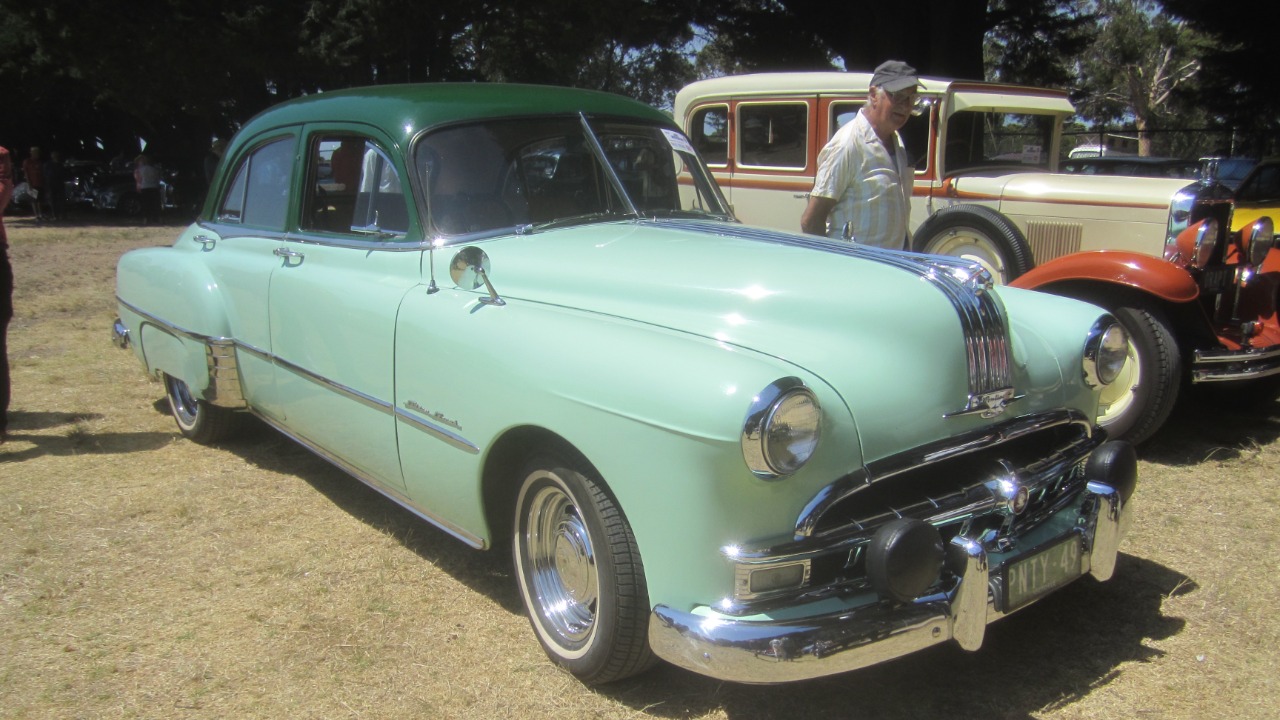
The 1949 Pontiac Chieftain combined style and performance in a way that captured the attention of car buyers everywhere. Its bold design featured a distinctive split grille and sleek body lines, making it a standout on the road. Under the hood, the Chieftain was equipped with a straight-eight engine, providing a smooth and powerful ride that appealed to drivers looking for both comfort and performance. The interior of the Chieftain was equally impressive, featuring spacious seating and a range of modern amenities.
Pontiac’s marketing campaign emphasized the car’s stylish appearance and smooth performance, helping it gain a loyal following. The Chieftain played a crucial role in establishing Pontiac’s reputation as a manufacturer of stylish and reliable vehicles, paving the way for future models that would continue to innovate and inspire.
1942 Lincoln Continental
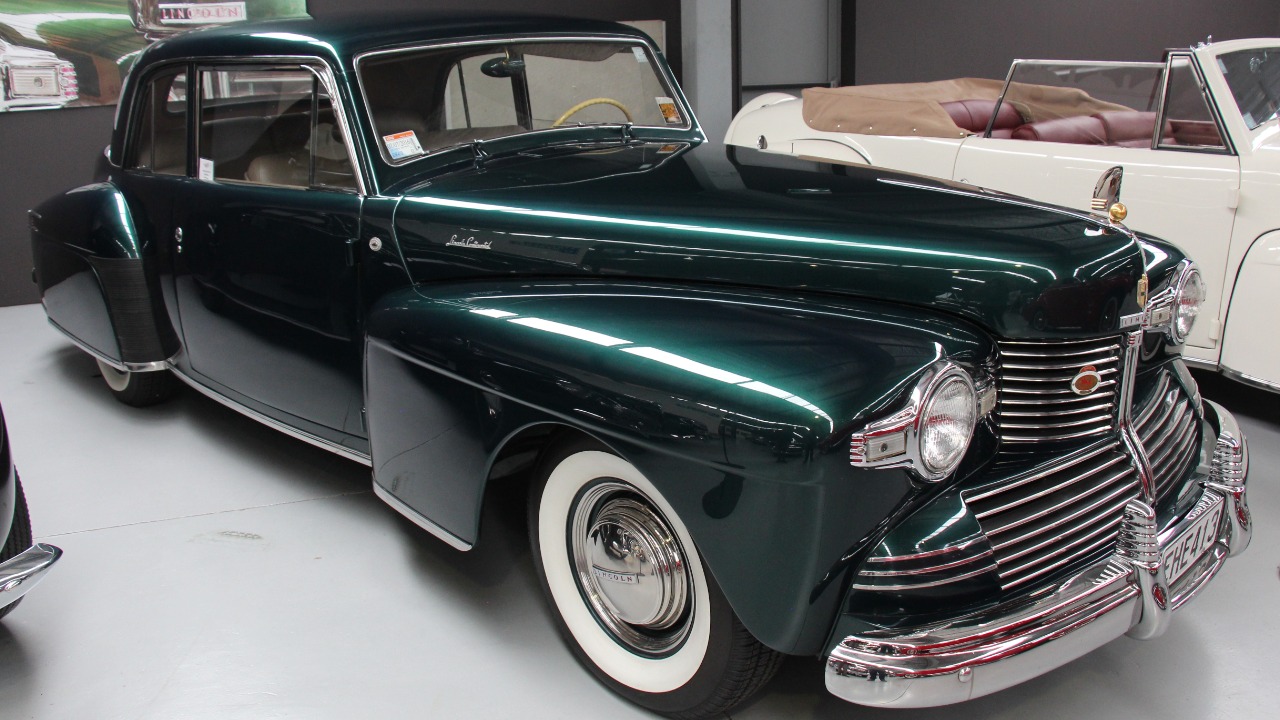
The 1942 Lincoln Continental is often hailed as one of the most elegant cars of its time. With its long hood and sleek silhouette, the Continental was designed with a focus on luxury and sophistication. Under the hood, it featured a powerful V12 engine, delivering a smooth and refined driving experience. The attention to detail in the interior, including leather upholstery and wood accents, made it a favorite among high-profile clients, including celebrities and politicians.
This model is not only a testament to Lincoln’s craftsmanship but also a reflection of the changing times, as luxury cars became more accessible to a wider audience. The 1942 Lincoln Continental has since become a collector’s item, with enthusiasts appreciating its blend of style and performance. For those interested in automotive design, the Continental serves as a case study in luxury vehicle evolution.
More from Fast Lane Only
- Unboxing the WWII Jeep in a Crate
- 15 rare Chevys collectors are quietly buying
- 10 underrated V8s still worth hunting down
- Police notice this before you even roll window down
*Research for this article included AI assistance, with all final content reviewed by human editors.