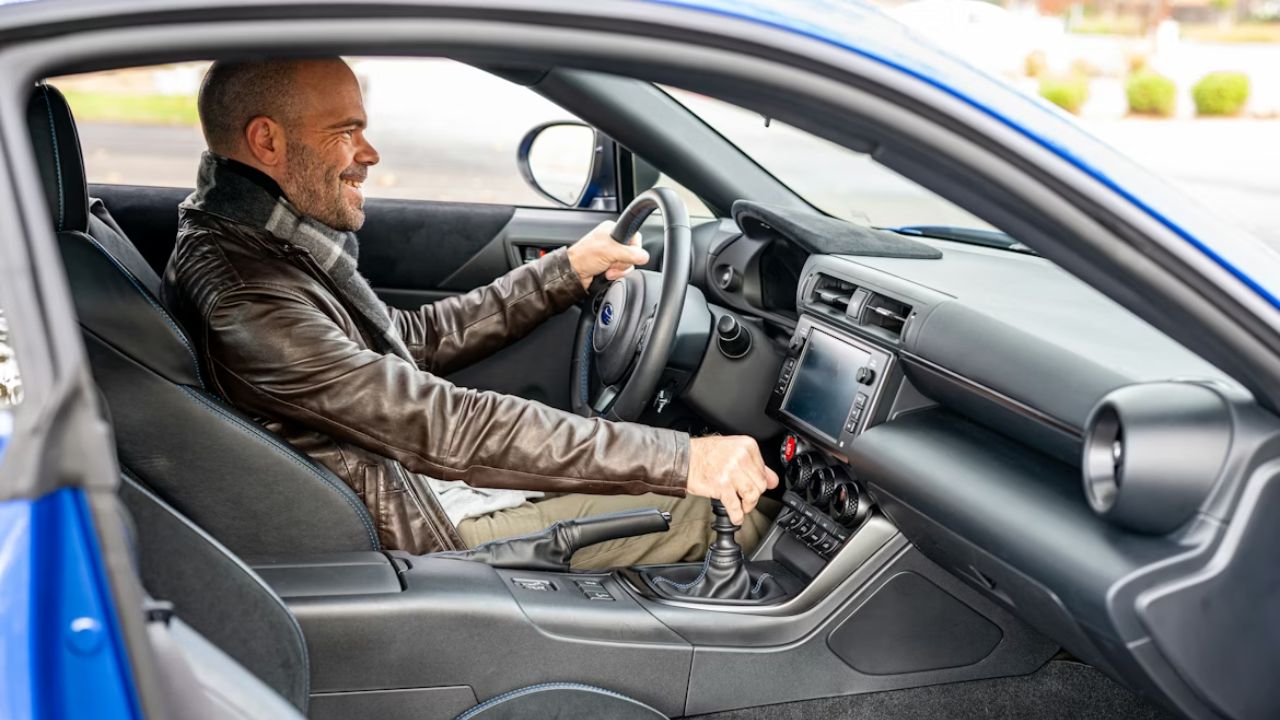
The world of automotive transmissions is rapidly evolving, with traditional options like manual gearboxes becoming increasingly rare. As drivers transition to newer technologies, many are starting to realize just how much they miss the tactile engagement of a stick shift.
The Decline of Manual Transmissions
Over the past decade, the sales of manual transmission vehicles have plummeted. According to a New York Times report, the percentage of new cars sold in the U.S. equipped with a manual transmission has fallen to less than 2%. This decline is not just a passing trend; it reflects a significant shift in consumer preferences towards convenience and technology-driven features.
Several factors are driving automakers to phase out manual options. For one, the increasing popularity of automatic transmissions, which are often viewed as more user-friendly, has led manufacturers to focus on these systems. Additionally, the cost of developing and producing manual gearboxes can be higher than their automatic counterparts, prompting companies to streamline production and cater to consumer demand for advanced features like adaptive cruise control and automatic emergency braking.
The Rise of Automatic and CVT Systems
Automatic transmissions and continuously variable transmissions (CVTs) have surged in popularity, thanks in part to their seamless operation and efficiency. Automatics have evolved significantly from their earlier iterations, with many modern vehicles featuring advanced technologies such as dual-clutch systems that provide quick shifts and improved performance. Meanwhile, CVTs offer the advantage of optimizing power delivery, resulting in better fuel economy, especially in city driving.
Consumers appreciate the benefits of automatic transmissions, which eliminate the need for manual gear changes and allow for a more relaxed driving experience. Many new drivers find automatics easier to handle, particularly in congested traffic conditions where constant shifting can become tiresome. This shift in preference has made automatic vehicles the default choice for many manufacturers, leading to an increased focus on refining these systems to meet consumer expectations.
Drivers’ Sentiments on Manual vs. Automatic
Despite the growing dominance of automatic transmissions, there remains a passionate subset of car enthusiasts who champion the joys of driving a manual vehicle. For these drivers, the tactile feedback and control offered by a stick shift provide a sense of connection to the car that automatics simply cannot replicate. Online forums and communities, like Reddit’s r/cars, are filled with discussions highlighting the emotional and sensory experiences tied to manual driving.
On the other hand, many drivers express frustration with the lack of engagement in automatic vehicles. Common complaints include the feeling of disconnection from the driving experience and the sense that they are merely passengers rather than active participants. This sentiment is particularly strong among those who learned to drive on a manual and remember the thrill of mastering gear changes and rev matching.
The Impact on Driving Experience
Driving a manual transmission car is often described as a more immersive experience. Manual gearboxes allow drivers to engage more fully with the vehicle, fostering a deeper understanding of the car’s performance dynamics. The ability to downshift for added power when overtaking or to upshift at the perfect moment can make a significant difference in how a car feels on the road.
Performance comparisons between manual and automatic transmissions reveal that while automatics have made significant advancements, manuals still hold their ground in specific driving conditions. In scenarios like track racing or spirited mountain driving, manual transmissions can provide superior control and responsiveness, allowing skilled drivers to maximize their vehicle’s potential. The true joy of driving often shines through in these high-intensity moments, where every gear change can make or break a lap time.
The Collector Car Market and Manual Transmissions
As the production of manual transmission vehicles dwindles, their value in the collector car market is on the rise. Enthusiasts are increasingly seeking out classic models equipped with manual gearboxes, driving prices up for iconic cars like the 1967 Ford Mustang and the 1989 Mazda MX-5 Miata. These vehicles not only represent a nostalgic connection to the past but also offer a unique driving experience that newer automatics cannot replicate.
Many collectors view manual transmissions as a badge of authenticity, underscoring the engineering and driving philosophy of a bygone era. As a result, auction houses are seeing skyrocketing bids for these manual-equipped classics. Enthusiasts are drawn not only to the cars themselves but also to the stories they tell about automotive history and the evolution of driving culture.
Transmission Issues and Signs to Watch For
Understanding common transmission issues is crucial for any driver, regardless of whether they prefer manual or automatic systems. Some signs that indicate potential transmission problems include slipping gears, rough shifting, or unusual noises from the transmission area. Ignoring these symptoms can lead to costly repairs down the line, making early detection and maintenance essential.
Regular maintenance can help prevent serious transmission issues. Simple steps like fluid checks and changes, as well as paying attention to any abnormal behavior from the vehicle, can save owners from significant expenses. Resources like Ice Cold Air provide valuable insights into common signs of transmission problems and tips for keeping your vehicle in top shape.
The Future of Transmissions in Automotive Design
As automotive technology progresses, we are witnessing a shift towards electric and hybrid vehicles that challenge traditional transmission designs. With the rise of electric vehicles (EVs), the need for multi-speed transmissions is diminishing. Many EVs utilize a single-speed transmission that simplifies the driving experience while delivering impressive torque and acceleration. This change represents a significant departure from the manual and automatic transmissions that have dominated the market for decades.
Looking ahead, the automotive landscape may see a resurgence of manual transmissions, particularly in performance-oriented models. As automakers seek to differentiate their offerings in a crowded marketplace, a return to manual options could cater to enthusiasts who value the driving experience over sheer convenience. Innovations in transmission technology, such as hybrid designs that combine the best of both worlds, could further redefine our understanding of what a transmission can be.
The Cultural Significance of Manual Transmissions
Manual transmissions hold a special place in automotive culture, representing a hands-on approach to driving that many people cherish. For generations, learning to drive a stick shift has been a rite of passage, instilling a sense of pride and accomplishment. The connection to the vehicle and the thrill of mastering gear changes create lasting memories that resonate with both older and younger enthusiasts.
Different generations view manual transmissions through unique lenses. For some, they symbolize freedom and adventure, while for others, they represent a simpler time before the proliferation of technology in cars. Regardless of perspective, there is a shared appreciation for the skill and engagement that driving a manual provides, ensuring that the legacy of stick shifts continues to influence the automotive world.
What Drivers Can Do to Keep Manual Transmissions Alive
For those who want to keep the spirit of manual transmissions alive, there are several steps to take. First, maintaining and enjoying manual cars is crucial. Regularly driving a manual vehicle helps sharpen skills and keeps the experience alive. Enthusiasts can also share their passion by participating in car meets or online communities dedicated to manual transmissions.
Additionally, consumers can encourage automakers to continue offering manual options. By expressing interest in and purchasing manual vehicles, buyers can send a strong message to manufacturers about the desire for greater diversity in transmission choices. Supporting brands that prioritize driver engagement can help ensure that the manual transmission has a place in the future of automotive design.
More from Fast Lane Only