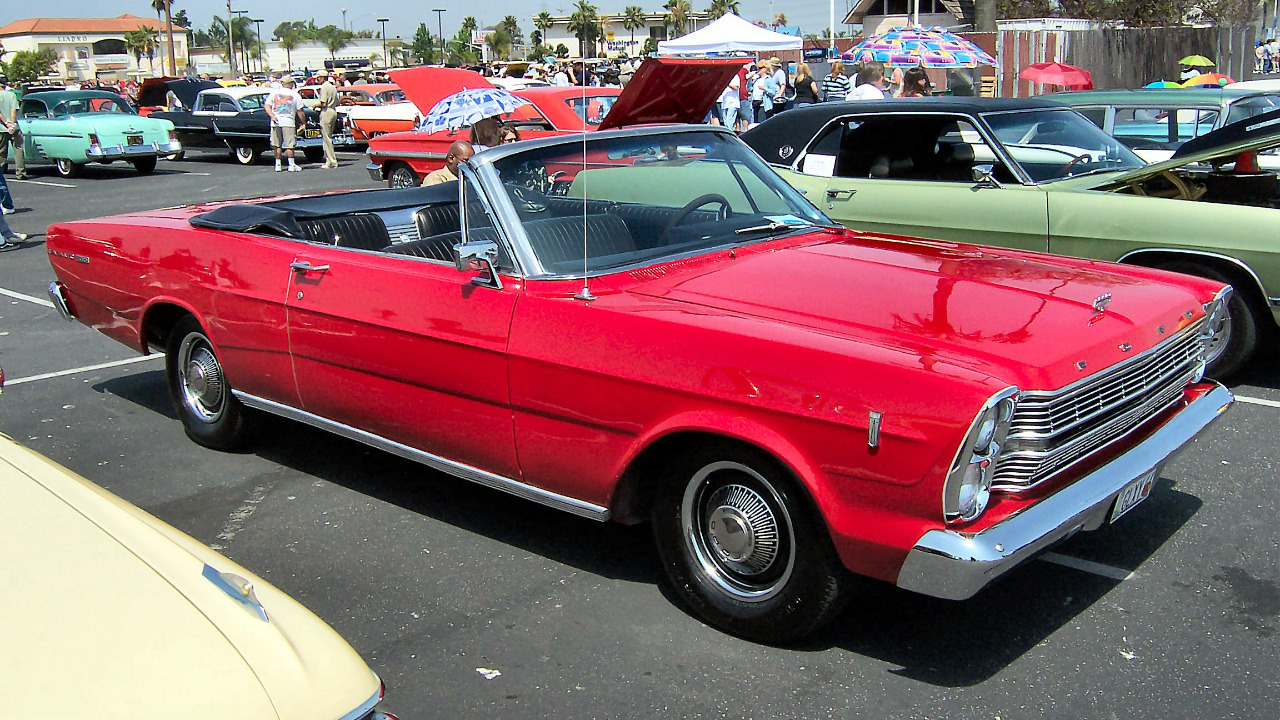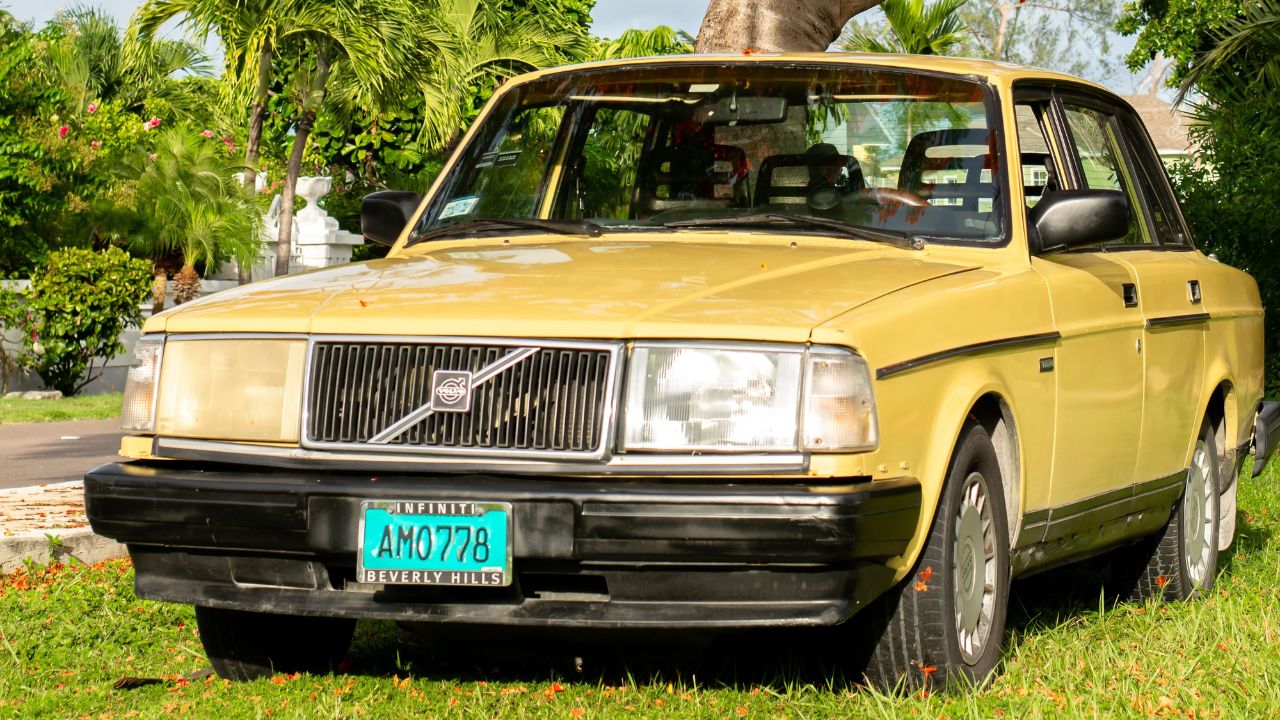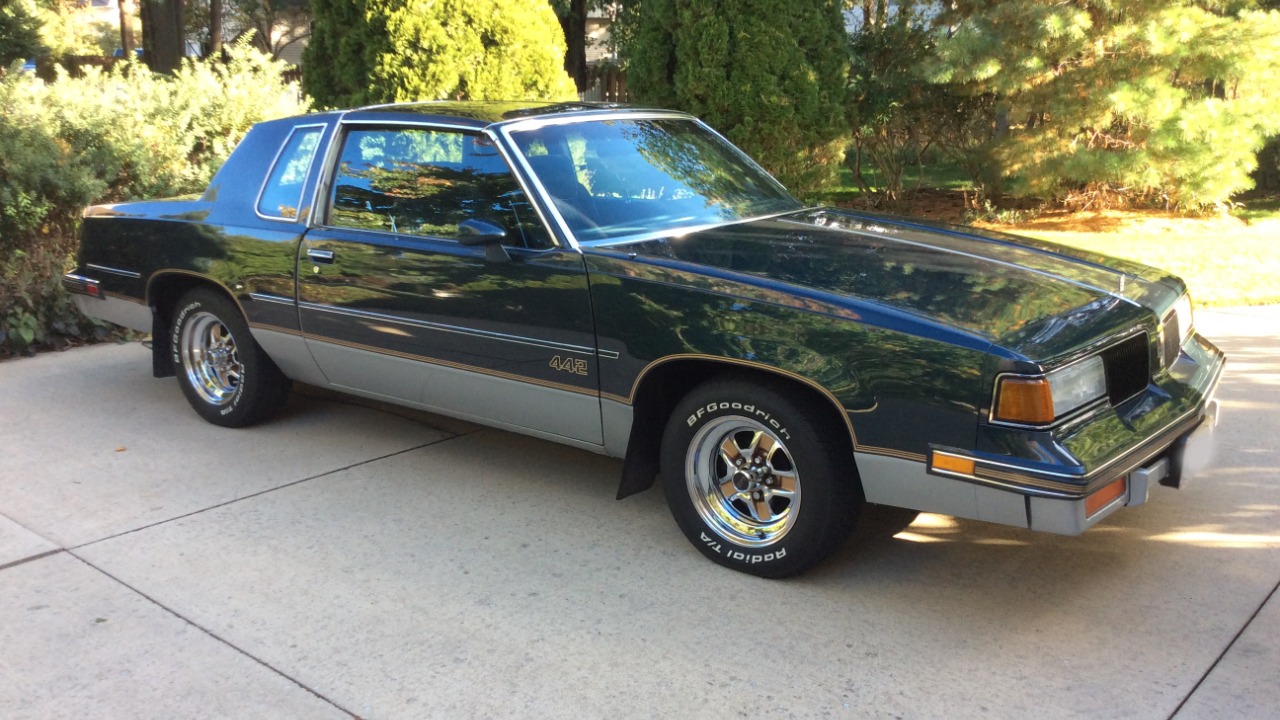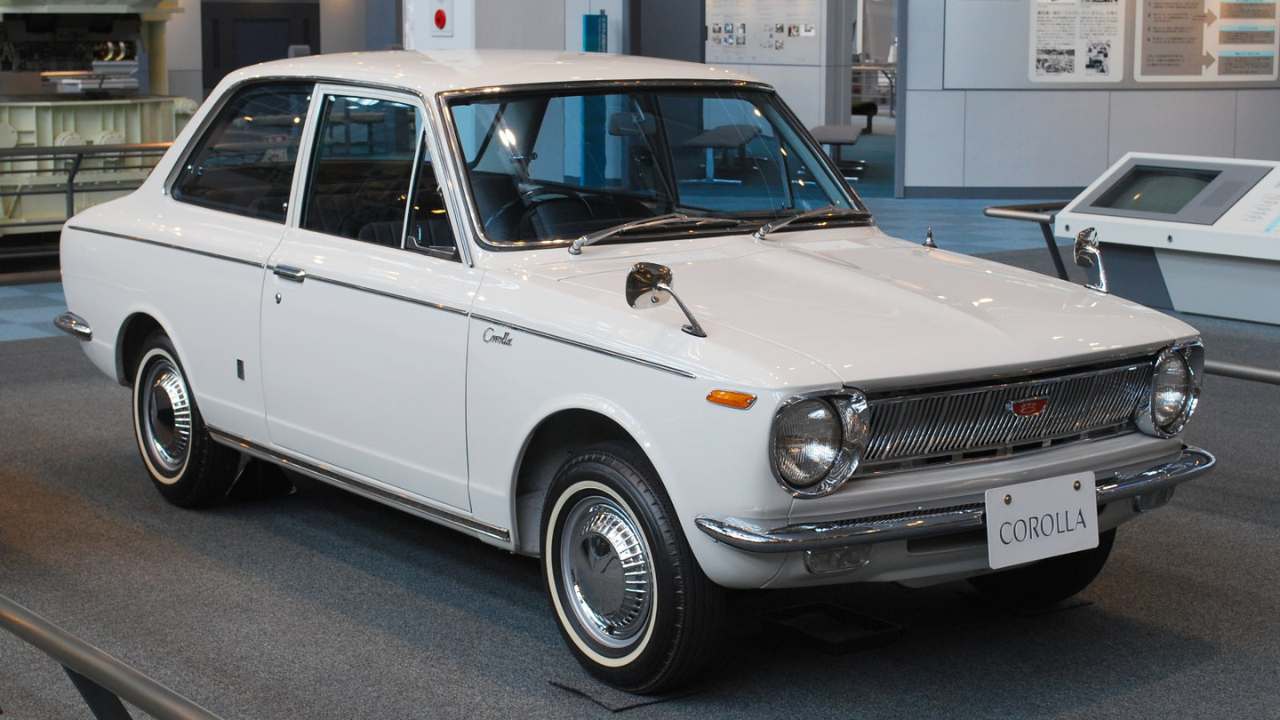
At a time when plenty of vintage cars are famous for their quirks, this one built a reputation for something a lot rarer: showing up, starting up, and just… going. While other classics in the same circles were already chasing overheating issues, electrical gremlins, or surprise rust, this car kept rolling with the kind of steady dependability that usually belongs to modern commuters. It didn’t win by being flashy; it won by being ready.
It’s the sort of story that spreads the way good garage stories do—half disbelief, half admiration. One week someone’s under their hood for the third time that month, and the next week this car is cruising in with the same calm confidence it had last season. The punchline is that it wasn’t pampered like a museum piece either. It simply had the kind of mechanical honesty that makes you trust it more every mile.
A reputation built on everyday miles
Most classic cars get driven in neat little bursts: sunny Sundays, short parades, careful trips to a local meet and back. This one did the unglamorous stuff too—errands, longer drives, and the occasional “it’ll be fine” trip that turned into more miles than planned. That matters, because frequent use is where older machines usually start asking for favors.
And yet, it stayed surprisingly low-drama. No constant tinkering required, no ritual of carrying three backup parts “just in case.” It became the kind of classic that didn’t need an audience to run well, which is arguably the highest compliment a vintage vehicle can get.
Why some classics crumble while others cruise
It’s tempting to chalk it up to luck, but classic-car reliability is usually a mix of design, maintenance, and how a vehicle was treated over decades. Some models were engineered with generous tolerances and simpler systems, which can be a blessing when parts age and temperatures rise. Others were ambitious for their time—more complex, more sensitive, and more likely to punish neglect.
There’s also the reality that many older cars spent chunks of their lives sitting. Sitting sounds harmless, but it can dry out seals, gum up fuel systems, and invite corrosion. A car that was driven regularly and serviced on schedule often ends up healthier than one that was “preserved” by being parked for years.
The quiet heroes: simple engineering and accessible parts
One reason this car kept going is that its mechanical layout was straightforward. Fewer complicated subsystems meant fewer mystery problems, and when something did need attention, it was usually easy to diagnose. Old-school engines with room to work, understandable carburetion or early fuel injection, and robust cooling setups tend to age better than people expect.
Parts availability plays a big role too. If a classic needs a rare component that takes months to find, it doesn’t matter how small the issue is—the car is down. This car benefited from parts that were common, well-supported by aftermarket suppliers, or interchangeable across years, which turns repairs from “major event” into “Saturday project.”
Maintenance that didn’t try to be clever
The maintenance approach was refreshingly unromantic: fluids on time, belts and hoses before they turned into confetti, and brakes inspected before they started making “interesting” noises. That kind of boring consistency is what keeps small problems from becoming expensive stories. It’s not the most thrilling way to treat a classic, but it’s the reason the key kept working like a key.
It also helped that fixes were done properly instead of patched. A lot of older cars get caught in a cycle of quick repairs—temporary clamps, questionable wiring, bargain parts that fail early. This car avoided that spiral, and it’s amazing how long an old vehicle can stay happy when yesterday’s fix doesn’t create tomorrow’s problem.
While others faced major repairs, this one just asked for the basics
In the same community, other cars were hitting the big-ticket milestones: engine rebuilds, transmission overhauls, rewiring jobs, and suspension refreshes that cost more than the car did a few decades ago. Those repairs aren’t signs of failure so much as the normal arc of aging machinery. Still, it’s hard not to notice when one classic seems to dodge those chapters for longer than expected.
This one did need attention, just not the dramatic kind. Think tune-ups, consumables, and the occasional “replace it before it strands you” part. The difference was that it stayed in control of the schedule, instead of letting the car decide the worst possible moment to demand a tow.
The little things that added up to a long-running classic
Cooling, for one, was kept in top shape. Older cars often lose the battle to heat because radiators clog, fans weaken, and thermostats get lazy. This car’s cooling system stayed clean and properly rated, which is basically like giving an older engine a calm place to live.
Fuel and ignition were treated like priorities, not afterthoughts. Clean fuel delivery, fresh filters, and a properly set ignition system can make an aging engine feel years younger. It’s not magic—it’s just what happens when combustion gets the ingredients it wants instead of whatever it can tolerate.
Rubber parts were watched closely. Hoses, vacuum lines, engine mounts, and suspension bushings don’t last forever, and they rarely fail politely. Replacing them proactively kept vibrations down, prevented leaks, and preserved that smooth, confident feel that makes a classic seem “sorted.”
It wasn’t perfect—it was just honest
Of course it had quirks, because any classic worth talking about does. Maybe it had a gauge that read a little “optimistic,” or a door that preferred a firm close, or a cold start that required a familiar rhythm. But the quirks were consistent, and consistency is a weird kind of comfort with old cars.
The biggest difference was that it didn’t surprise anyone. When it needed something, it gave warning signs early: a sound that changed, a smell that wasn’t normal, a behavior that didn’t match yesterday. That’s the secret advantage of a well-kept classic—it communicates, and someone actually listens.
What this says about durability, then and now
Modern cars are undeniably better in a hundred ways, but older vehicles sometimes benefit from being less tightly packaged and less software-dependent. When a problem appears, it’s often physical and visible, not buried behind modules and sensors that need specialized tools. That makes it easier to keep an older car on the road if the underlying design is solid.
This car’s long run is also a reminder that “classic” doesn’t have to mean “constant crisis.” With the right foundation and steady care, a vintage vehicle can be more than a weekend ornament. It can be transportation—charming, slightly stubborn transportation, but real transportation all the same.
The kind of car that makes people reconsider what “reliable” means
There’s a special satisfaction in watching a classic quietly outlast expectations. Not because it proves anyone wrong, but because it’s proof that good engineering plus sensible upkeep still works, even decades later. It turns heads at a stoplight, sure, but the real flex is that it’ll also start tomorrow.
And when someone jokes that old cars are always broken, this one offers a friendly counterpoint. Sometimes the best classic isn’t the one with the biggest engine or the shiniest paint. It’s the one that keeps running long after others needed major repairs—and does it with the casual confidence of a machine that simply understands its job.
More from Fast Lane Only