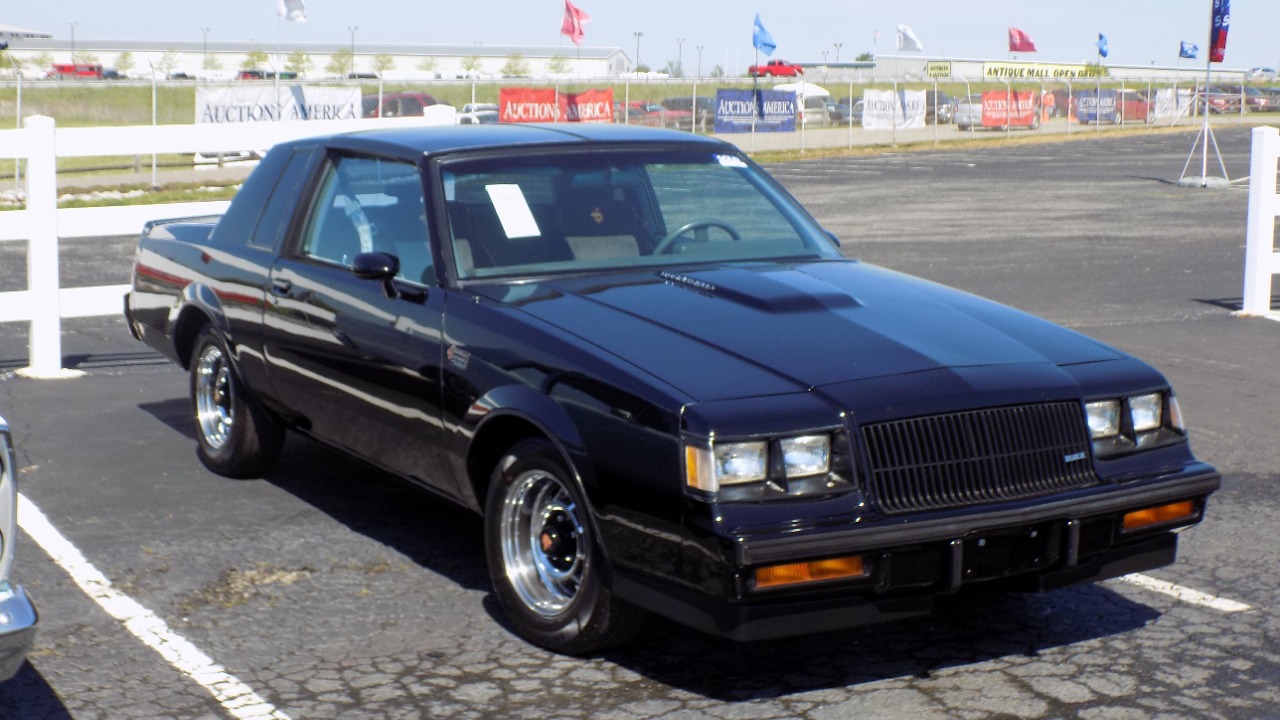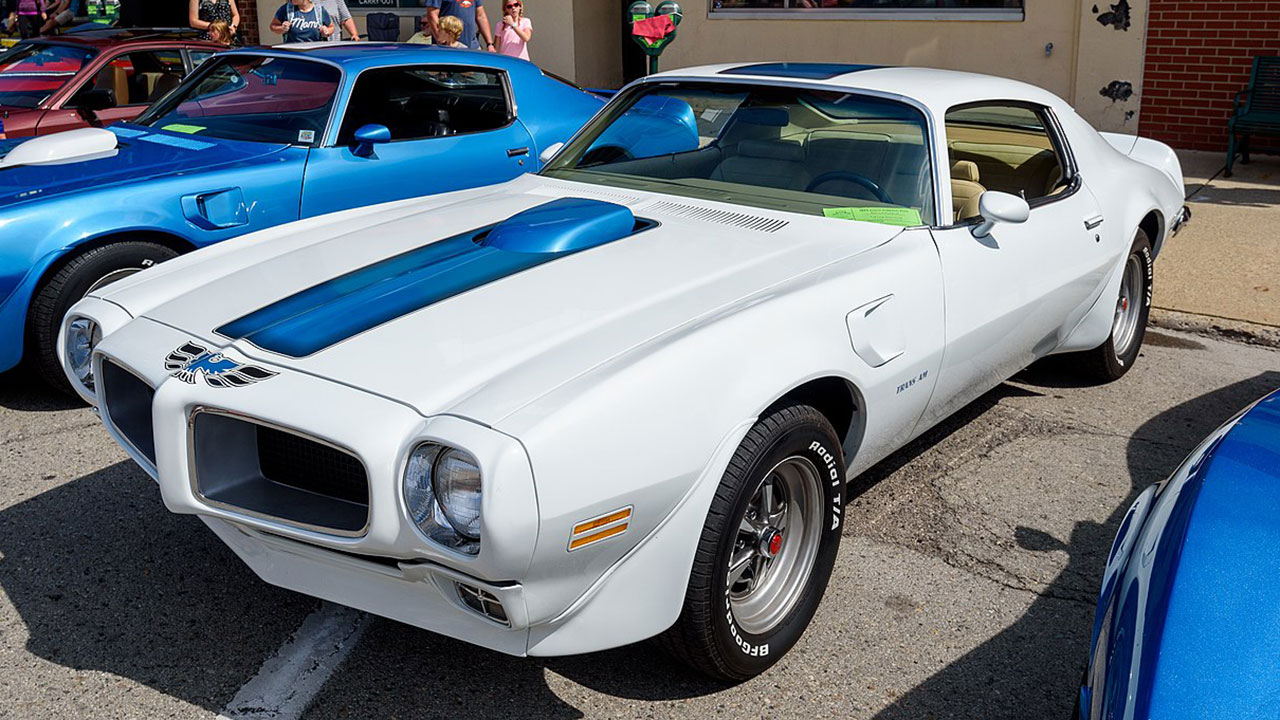
This classic Pontiac, often overshadowed by its more famous competitors, boasts performance figures that defy its underappreciated reputation. With engineering marvels and a racing pedigree, this vehicle is a testament to Pontiac’s innovative spirit and speed capabilities.
The Pontiac Legacy: A Brief Overview
The Pontiac brand has played a significant role in American automotive history since its inception in 1926. Established by General Motors, Pontiac initially focused on producing affordable yet stylish vehicles. Over the decades, the brand gained prominence for its innovative designs and performance, becoming synonymous with the American muscle car movement. Models like the Pontiac GTO and Firebird not only defined an era but also established Pontiac as a key player in the performance car market.
The GTO, often heralded as the first true muscle car, paved the way for a series of high-performance vehicles. The Firebird, introduced later, reinforced Pontiac’s commitment to speed and agility, captivating enthusiasts with its captivating design and powerful engines. As the automotive landscape evolved, Pontiac faced challenges in maintaining its muscle car legacy. The transition from classic muscle cars to modern vehicles in the late 20th century led to changes in Pontiac’s offerings, influencing its reputation and ultimately its fate in the automotive industry.
Unveiling the Classic Model: Performance Specs
One particular classic Pontiac model, the 1970 Pontiac Trans Am, stands out for its impressive performance specifications. Equipped with a 400 cubic inch V8 engine, this vehicle could produce up to 370 horsepower, showcasing exhilarating speed and acceleration. The Trans Am was designed with lightweight materials, allowing it to achieve a remarkable power-to-weight ratio that was on par with many of its competitors during its time.
When comparing the performance metrics of the 1970 Trans Am with its contemporaries, such as the Ford Mustang and Chevrolet Camaro, it becomes clear that Pontiac’s engineering prowess often went unnoticed. While the Mustang and Camaro dominated discussions around muscle cars, the Trans Am’s speed capabilities were frequently overshadowed. With a top speed exceeding 130 mph, the Trans Am was not just a pretty face; it was a genuine contender on the road and the track.
The Engineering Marvel Behind the Speed
The engineering innovations behind the classic Pontiac models, particularly the Trans Am, contributed significantly to its performance. Pontiac’s engineers developed a sophisticated suspension system that allowed for superior handling and stability at high speeds. The vehicle’s aerodynamic design further enhanced its performance, reducing drag and increasing fuel efficiency. These features combined to create a driving experience that was both thrilling and responsive.
In addition to its suspension and aerodynamics, the Trans Am was equipped with a unique drivetrain that optimized power delivery to the wheels. The combination of a high-performance engine, responsive transmission, and innovative engineering made it a standout in the muscle car arena. Pontiac’s commitment to pushing the boundaries of speed is evident in the meticulous designs crafted by its engineers and designers, who aimed to create a car that was as fast as it was stylish.
Racing Heritage: A Hidden Talent
Pontiac’s involvement in motorsports has been a crucial aspect of its identity, yet it often goes unrecognized. The Trans Am series in the late 1960s and early 1970s provided a platform for Pontiac to showcase its performance vehicles, including the classic models that many enthusiasts cherish today. The brand consistently made its mark on the racetrack, achieving notable successes that demonstrated the capabilities of its vehicles.
One of the most memorable moments for the Pontiac Trans Am came during the 1970 season, when it clinched the championship in the Trans Am Series. Despite being overshadowed by more prominent brands, the Trans Am’s performance on the track was a testament to its engineering and design. Racers and enthusiasts alike have shared their experiences, highlighting how the classic Pontiac performed exceptionally well, even in the face of fierce competition from more recognized rivals.
Public Perception vs. Reality
Misconceptions surrounding the classic Pontiac and its performance often stem from marketing strategies that emphasized style over speed. While the GTO and Firebird received significant attention, the Trans Am and other Pontiac models were frequently overlooked in discussions about muscle cars. This discrepancy between public perception and reality has led many to underestimate the capabilities of these vehicles.
Media portrayals and pop culture references further contributed to the misunderstanding of Pontiac’s performance. Despite the Trans Am’s impressive specifications and racing pedigree, it was often relegated to a secondary status compared to its competitors. By examining the marketing approaches used during that time, it becomes apparent that Pontiac faced challenges in establishing its identity, which ultimately impacted the legacy of its classic models.
Legendary Competitors: A Constant Comparison
Throughout its history, Pontiac has faced stiff competition from brands like Ford and Chevrolet, whose muscle cars dominated the market. The Mustang and Camaro, in particular, set the bar high for performance and style, often overshadowing Pontiac’s offerings. This rivalry not only affected Pontiac’s sales but also influenced engineering decisions within the company.
As Pontiac sought to compete with its legendary rivals, the brand focused on innovation and performance. The desire to match or exceed the standards set by competitors led to the development of high-performance features in models like the Trans Am. Despite the challenges of competing against established names, Pontiac’s dedication to engineering excellence allowed it to carve out a niche in the performance car market.
Enthusiast Culture: Reviving the Legend
The culture surrounding Pontiac enthusiasts plays a vital role in preserving the legacy of these classic vehicles. Car shows, enthusiast forums, and online communities have emerged, dedicated to celebrating the performance and history of Pontiac models. Events such as the annual Trans Am Nationals in Dayton, Ohio, gather owners and fans alike, providing a platform to share stories and showcase restored or modified classic Pontiacs.
Many owners have taken it upon themselves to restore these classic models, enhancing their performance while maintaining the original charm. These restorations often include modern upgrades, such as improved suspension systems and advanced engine modifications, that elevate the driving experience while honoring the car’s heritage. Through the passion and dedication of Pontiac enthusiasts, the legacy of these classic models continues to thrive in the automotive community.
Collectibility and Market Value
The current market for classic Pontiacs fluctuates, but interest in models like the Trans Am remains strong. Factors such as rarity, condition, and performance specifications significantly influence the desirability and market value of these vehicles. As more collectors recognize the performance capabilities of classic Pontiacs, their value has steadily increased, making them a worthwhile investment for automobile enthusiasts.
As interest in classic cars continues to grow, the future collectibility of classic Pontiacs appears promising. With many collectors seeking to restore and preserve these vehicles, the market for well-maintained models is likely to remain robust. This trend not only honors the legacy of Pontiac but also ensures that these engineering marvels continue to capture the imagination of future generations.
The Future of Pontiac: Reflecting on the Past
The impact of Pontiac’s legacy on modern performance cars cannot be overstated. Innovations and designs from classic models have influenced current automotive trends, with many manufacturers drawing inspiration from Pontiac’s engineering excellence. As the automotive industry evolves, the principles established by Pontiac continue to resonate, shaping the future of performance vehicles.
While Pontiac as a brand may no longer exist, its spirit lives on in the hearts of enthusiasts and the designs of contemporary vehicles. There is potential for a revival or homage to Pontiac in future models, with manufacturers looking to recapture the essence of what made Pontiac special. This desire to honor a storied past suggests that while the brand may have faded from the spotlight, its legacy remains a powerful force in the automotive world.
More from Fast Lane Only