The term “base model” often conjures images of stripped-down vehicles with minimal features, but a closer examination reveals that today’s base models are surprisingly well-equipped. Many consumers are now discovering that these vehicles not only meet essential needs but also offer advanced features that rival what was once considered luxury. As I delve into the world of modern base models, I am continually amazed at how they defy expectations.
The Evolution of the Base Model
Historically, base models were synonymous with minimalism. Vehicles from 20-30 years ago often lacked essential features like power windows, central locking, and even air conditioning. For example, a 1990 Honda Civic base model had vinyl seats, a basic stereo system, and few options for customization. Fast forward to today, and we see a stark contrast in what base models offer. The Ford F-150 XL, for instance, now comes with a rearview camera, a touchscreen infotainment system, and advanced safety features that would have been unthinkable in its predecessors.
The evolution of consumer expectations has driven this transformation. As technology has advanced, so too have the features that buyers consider essential. Now, a base model is often equipped with amenities that enhance both safety and comfort, reflecting a significant shift in automotive trends. The industry has recognized that consumers are no longer satisfied with bare-bones vehicles; they want value without compromising on quality.
Advanced Technology Features
One of the most striking aspects of modern base models is the inclusion of advanced technology features. Many vehicles now come standard with sophisticated infotainment systems that support Apple CarPlay and Android Auto, allowing seamless smartphone integration. For instance, the 2023 Toyota Corolla base model offers a 7-inch touchscreen display, Bluetooth connectivity, and voice recognition—features that enhance the driving experience and keep drivers connected on the go.
Safety has also become a paramount concern, and modern base models reflect that. Advanced driver-assistance systems (ADAS) such as lane departure warning, adaptive cruise control, and automatic emergency braking are often included as standard. The 2023 Subaru Impreza, for example, comes equipped with EyeSight technology, which provides pre-collision braking and lane-keeping assist, ensuring a safer driving experience. These features not only enhance safety but also provide greater overall value to consumers.
Interior Comfort and Design
When it comes to interior comfort, modern base models have made significant strides. Gone are the days of hard plastics and basic designs. Today’s base models often feature quality materials, ergonomic seating, and thoughtful design elements that enhance the overall driving experience. For example, the 2023 Hyundai Elantra base model has a stylish interior with soft-touch surfaces and comfortable seating, rivaling more expensive models from just a decade ago.
Moreover, advancements in sound insulation and cabin technology have improved overall comfort. With noise-reducing materials and better-engineered cabin layouts, vehicles like the 2023 Nissan Sentra offer a quiet ride that was once reserved for luxury models. This attention to detail creates an inviting atmosphere, making even the most budget-friendly options feel premium.
Fuel Efficiency and Environmental Considerations
Fuel efficiency is another critical factor that modern base models excel in. With stricter fuel efficiency standards and a growing emphasis on reducing carbon footprints, manufacturers have worked to ensure that base models not only meet but often exceed these benchmarks. The 2023 Kia Forte, for instance, boasts an impressive EPA-estimated 41 mpg on the highway, making it an attractive option for budget-conscious consumers.
Additionally, the rise of hybrid and electric options within the base model segment is noteworthy. More automakers are offering eco-friendly variants of their base models, appealing to environmentally conscious buyers. The Toyota Prius, a pioneer in hybrid technology, continues to be a popular choice for those looking for a base model that delivers outstanding fuel efficiency while minimizing environmental impact.
Performance and Handling
Performance metrics in base models have also improved significantly over the years. Engine options are no longer limited to underpowered configurations; many base models now feature turbocharged engines that deliver a satisfying balance of power and efficiency. For example, the 2023 Volkswagen Jetta base model comes with a 1.5-liter turbocharged engine, providing a spirited driving experience without sacrificing fuel economy.
Advancements in engineering have further enhanced handling and ride quality. Improved suspension systems and better weight distribution contribute to a more enjoyable driving experience. Despite the perception that base models are “lesser” in terms of performance, many consumers are pleasantly surprised to find that today’s offerings provide a level of driving enjoyment previously associated with higher trims.
Customization and Personalization Options
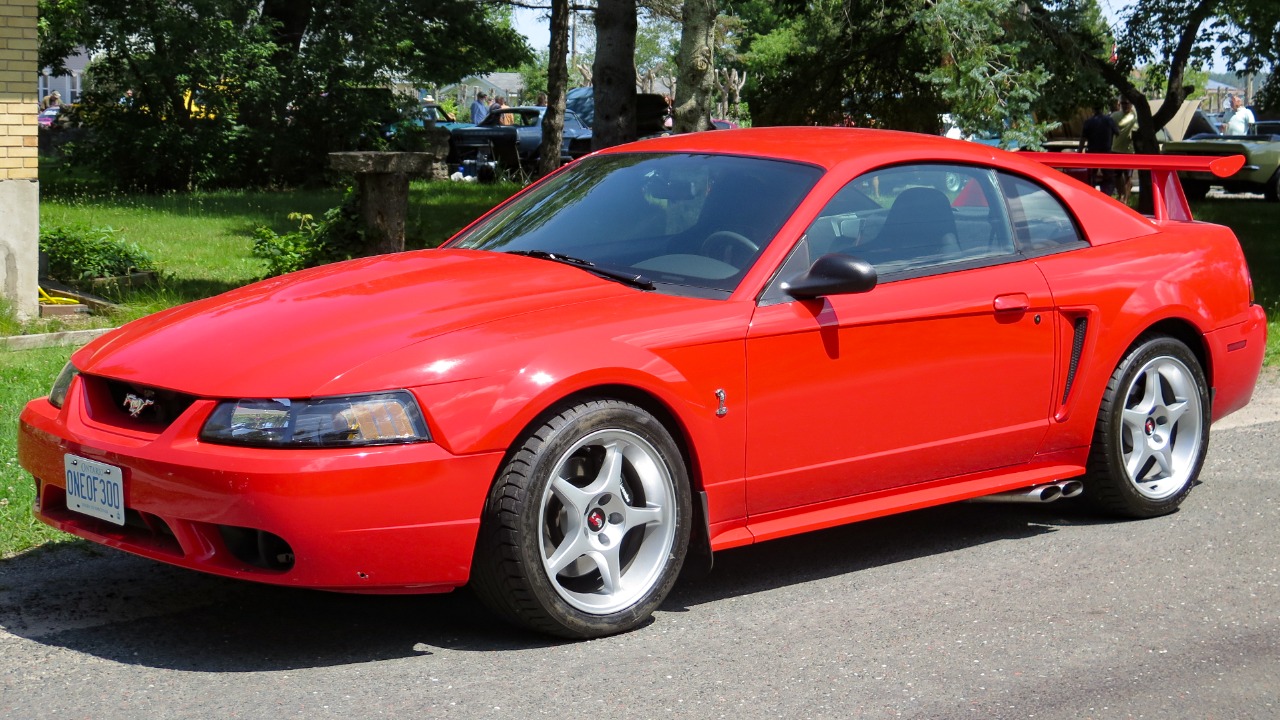
Today’s consumers value personalization, and many base models offer a variety of upgrade options. From enhanced audio systems to aesthetic packages, buyers can tailor their vehicles to meet personal preferences. The Ford Mustang base model, for instance, allows customers to select performance upgrades, appearance packages, and technology enhancements, ensuring that their vehicle reflects their individuality.
Social media platforms like Instagram have significantly influenced customization trends. Users showcase their personalized vehicles, inspiring others to explore options for their own cars. This phenomenon has created a culture around personalization, making it easier for consumers to find inspiration and share ideas for their base models. You can see some creative examples of vehicle modifications on Instagram, demonstrating how even base models can be transformed into unique expressions of style.
Cost-Effectiveness and Value Proposition
When considering the cost-effectiveness of base models, it’s essential to analyze the pricing strategies in comparison to fully loaded versions. Base models are typically priced significantly lower, making them an attractive option for budget-conscious consumers. For example, the 2023 Chevrolet Malibu starts around $23,000 for the base model, while fully loaded versions can exceed $35,000. This substantial price difference allows buyers to enjoy modern features without breaking the bank.
Long-term ownership costs, including insurance and maintenance, also favor base models. Generally, insurance premiums for base models are lower due to their affordability and lower repair costs. Additionally, many base models come with warranties that provide added peace of mind for buyers. As such, the affordability of these vehicles makes them appealing to a broader audience, including first-time car owners and those looking for reliable transportation.
Consumer Trends and Buyer Demographics
Understanding who is buying base models today and why is essential in a rapidly shifting automotive market. Younger buyers, often facing economic challenges such as rising living costs and student debt, are increasingly drawn to base models. These vehicles offer a balance of affordability and essential features, making them ideal for first-time car owners. According to recent reports, younger consumers prioritize value and reliability when making purchasing decisions, factors that base models excel in.
Moreover, economic factors, such as inflation and increasing interest rates, are influencing buyer demographics. Many consumers are looking for vehicles that provide the most bang for their buck, and base models fit the bill. The appeal of these vehicles resonates with those who want quality without the luxury price tag, as evidenced by the rising interest in base models across various demographics.
The Future of Base Models in the Automotive Industry
Looking ahead, base models are poised to continue evolving alongside advancements in technology and consumer preferences. The integration of autonomous driving technology may reshape the base model segment, potentially offering features that enhance safety and convenience at lower price points. As manufacturers invest in research and development, we can expect to see base models equipped with cutting-edge technology that was once exclusive to higher trims.
Sustainability will also play a significant role in shaping future offerings. With a growing emphasis on eco-friendly practices, manufacturers will likely continue to develop hybrid and electric options for base models. This shift aligns with consumer demand for greener vehicles, ensuring that base models remain relevant in an ever-evolving market. The future looks bright for base models as they adapt to the changing landscape of the automotive industry.
More from Fast Lane Only