It was supposed to be a quick errand: pull in, get the oil changed, grab a coffee, and go on with the day. Instead, one driver says the “routine” visit turned into a sudden breakdown a few miles later, complete with warning lights, a strange smell, and the kind of stomach-drop panic nobody schedules into their afternoon.
The driver’s story has been making the rounds because it’s so relatable. Most of us treat oil changes like brushing your teeth—basic maintenance that’s boring precisely because it’s predictable. And when something goes wrong right after, it feels less like bad luck and more like the universe playing a prank.
What happened after the oil change
According to the driver, everything seemed normal when leaving the shop. The engine sounded fine, the car felt fine, and there was no immediate clue anything had been missed. Then, within a short drive, the oil pressure warning light flickered on, and the engine started running rough.
He pulled over, shut the car off, and popped the hood, expecting maybe a loose hose or a random sensor issue. What he noticed instead was oil smell and fresh drips underneath—never a great sign, and especially suspicious right after an oil change. The car ended up needing a tow rather than a “maybe it’ll be okay if I drive gently” gamble.
The “one small step” that can cause a big mess
The driver says the shop later acknowledged they’d forgotten a simple but critical step: properly reinstalling or tightening the oil drain plug (or, in some cases, the oil filter). It’s the kind of task that takes seconds, but if it’s missed or done poorly, oil can leak out fast—sometimes shockingly fast.
If the engine loses enough oil, oil pressure drops and the internal parts don’t get the lubrication they need. That’s when a minor leak turns into a major mechanical problem, because engines are not fans of running dry. Think of it like trying to run a marathon in flip-flops on hot asphalt: you can do it for a moment, but you’re going to regret it.
Why this kind of mistake happens (and why it’s not always obvious)
Most oil changes are done quickly, often in high-volume bays where speed is part of the business model. That doesn’t automatically mean sloppy work, but it does mean technicians rely on routines, checklists, and muscle memory. When the pace is high, one interrupted step—an urgent question, a coworker needing help, a phone call—can create the perfect setup for a missed final check.
The tricky part is that a drain plug that’s not properly tightened might not explode into a problem the moment you start the engine. It can hold for a bit, then loosen as the car vibrates, or start dripping only once the oil warms up and thins. By the time you notice a light on the dash, the engine may have already been running with low oil pressure.
What the warning signs looked like in real life
In the driver’s case, the first clue was a dashboard warning light, followed by unusual engine behavior. That’s consistent with what mechanics often warn about: the oil pressure light is not a “sometime soon” reminder. It’s an “immediately, right now” message.
Other red flags can include an oily smell, smoke from oil hitting hot components, a visible puddle where you parked, or sudden loud ticking from the engine. Not every leak will be dramatic, but oil on the ground after a fresh oil change is basically your car waving both arms and yelling for attention.
What drivers can do right after leaving the shop
No one wants homework after paying for service, but a 60-second check can save a lot of trouble. After an oil change, it’s worth parking on a clean spot and glancing underneath for drips. If you can, pop the hood and look for obvious mess around the filter area, especially on cars where the filter is accessible up top.
Checking the dipstick is also fair game, even if it feels a little awkward in the parking lot. The oil level should be between the marks, and the cap should be back on. If the shop put a sticker on the windshield, great—just don’t let the sticker be the only proof the job was finished.
What to do if the oil light comes on
If the oil pressure light comes on while you’re driving, the safest move is to pull over as soon as you can do it safely and shut the engine off. Continuing to drive “just to get home” can turn a fixable mistake into expensive engine damage. This is one of those rare times where being dramatic is actually the responsible choice.
Once stopped, look for obvious leaks, check the oil level if you can do so safely, and call for help. If this happens right after service, contacting the shop immediately matters, both for practical help and for documentation. Keep receipts, take photos of leaks or warning lights, and note the time and location—future-you will appreciate it.
How shops typically handle it when they’re at fault
Policies vary, but many reputable shops will re-tow the vehicle back, inspect the issue, and cover repairs if the failure clearly traces back to their work. The key word is “clearly,” which is why documentation helps. If the drain plug is missing, loose, or cross-threaded, that’s usually straightforward to verify.
In more serious situations—like if the engine ran low on oil long enough to cause internal damage—the discussion can get complicated. Sometimes the shop’s insurer gets involved, and there may be negotiation over whether the engine needs repair, replacement, or further diagnostic testing. It’s not fun, but it’s also not unheard of, which is why a calm, organized approach tends to work better than a fiery one.
A small checklist that can prevent a big headache
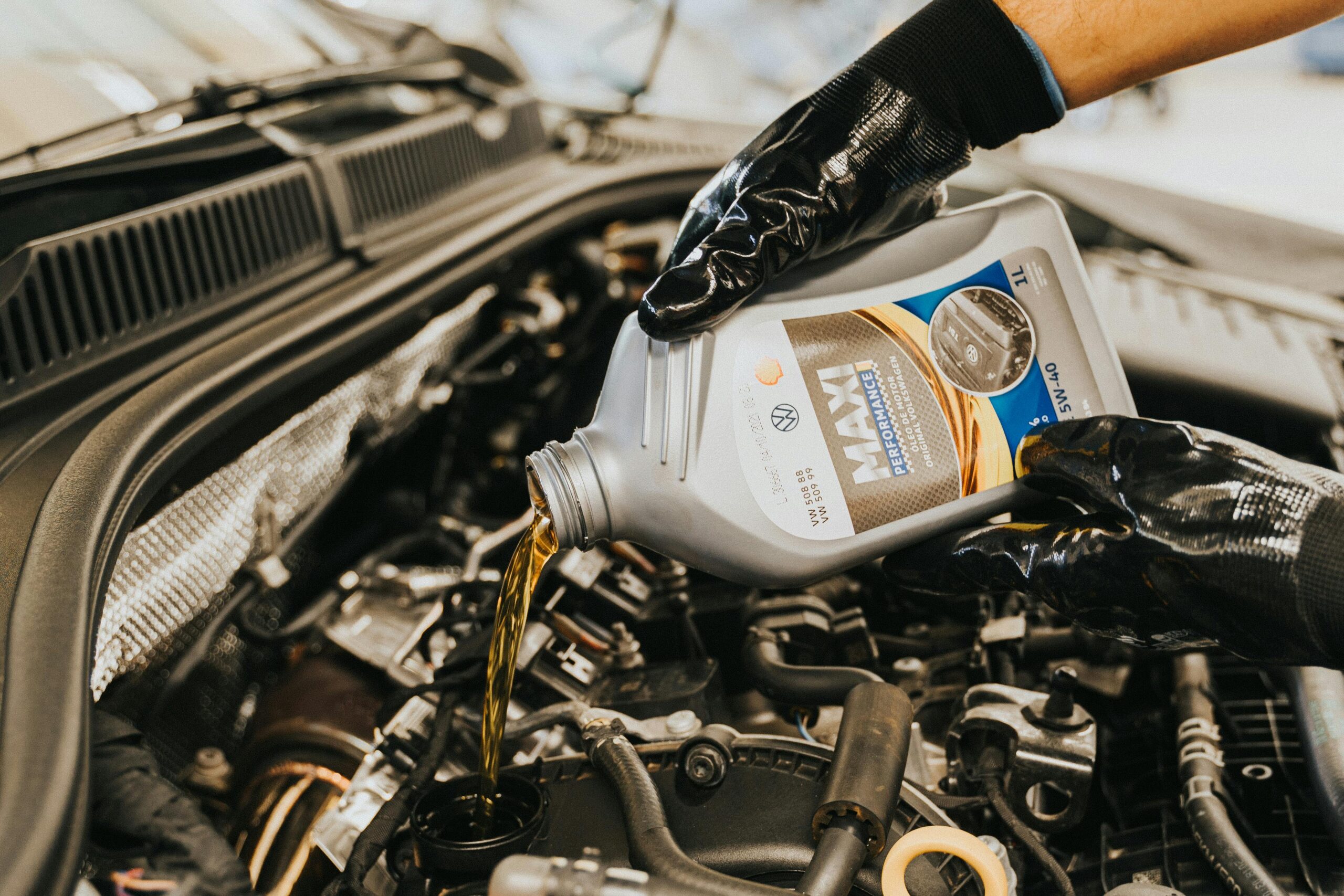
If you want to lower the odds of this happening to you, a few habits help. Stick with a shop that provides itemized invoices and seems comfortable answering basic questions, like what oil weight they used and whether they replaced the crush washer or O-ring where applicable. A shop that doesn’t mind transparency is usually a shop that’s paying attention.
It also helps to ask for the oil level to be checked with you present before you leave, especially if you’ve been burned before. That request shouldn’t offend anyone; it’s a quick confirmation, not an accusation. And if something feels off on the drive home—odd smells, smoke, lights—trust that instinct and stop.
Why this story is resonating with so many people
Part of the reason the driver’s experience is spreading is because it hits a nerve: maintenance is supposed to reduce risk, not add to it. An oil change is one of the most common services on the planet, so when it goes sideways, it feels almost surreal. Like tripping on a flat sidewalk you’ve walked a thousand times.
The upside is that awareness helps. Most oil changes go perfectly fine, and most shops do solid work, but it only takes one missed step to create an expensive chain reaction. And now, a lot of drivers will probably do that quick post-service glance under the car—because sometimes the simplest checks are the ones that keep your day from turning into a tow truck story.
More from Fast Lane Only