Many drivers unknowingly fuel their vehicles incorrectly, which can lead to costly repairs and long-term damage. Understanding the various fuel types and their implications is crucial for maintaining optimal vehicle performance.
Understanding Fuel Types
When it comes to fueling up, drivers encounter a variety of fuel options, including regular, mid-grade, premium, and diesel. Each type is formulated to meet the specific requirements of different vehicle engines. Regular gasoline, for instance, typically has an octane rating of 87, making it suitable for most standard vehicles. Mid-grade fuel, with an octane rating of 89, and premium fuel, rated above 91, are designed for high-performance engines that require higher octane to prevent knocking. Diesel fuel, on the other hand, is crucial for diesel engines, which operate differently than gasoline engines and require a different combustion process.
Using the wrong fuel type can lead to significant issues. For example, filling a gasoline engine with diesel can cause severe engine damage, leading to costly repairs. Conversely, using regular fuel in a vehicle designed for premium can result in engine knocking or pinging, which can diminish performance and fuel efficiency over time. Therefore, it’s vital to consult your vehicle’s owner manual to determine the correct fuel type and avoid these costly mistakes.
Impact of Ethanol Blends
Ethanol blends, such as E10 (10% ethanol) and E15 (15% ethanol), are commonly found at gas stations across the United States. While ethanol can help reduce emissions and reliance on fossil fuels, it’s essential for drivers to understand how these blends can affect their vehicles. Vehicles not designed for high ethanol content may experience a range of performance issues, including decreased fuel efficiency and engine performance. For example, older models, particularly those manufactured before 2001, may not be equipped to handle higher ethanol blends, leading to potential damage over time.
If you own a vehicle that isn’t optimized for ethanol, it’s advisable to stick with E10 fuel or lower. Using higher ethanol blends can lead to fuel system corrosion, particularly in rubber components, which can lead to costly repairs. As a general rule, always check your vehicle’s specifications and follow the manufacturer’s recommendations to maintain engine health.
Signs of Fuel Misuse
Understanding the signs of fuel misuse can help drivers take immediate action before more significant damage occurs. Common symptoms of using the wrong fuel include poor acceleration, frequent stalling, and unusual engine noises. If your vehicle is exhibiting these issues, it could be a sign that you’ve inadvertently used an unsuitable fuel type. Additionally, you might notice a decrease in fuel efficiency or an increase in exhaust emissions.
The long-term effects of using the wrong fuel can be severe. Engine components such as fuel injectors, spark plugs, and catalytic converters may suffer damage, leading to expensive repairs. A notable example comes from a report by WCAXTV, where dozens of car owners faced thousands of dollars in repairs after mistakenly fueling their vehicles with diesel instead of gasoline. Such cases underscore the importance of being aware of what you’re putting into your tank.
Cost Implications of Fuel Errors
The financial repercussions of fueling errors can be staggering. Repair costs associated with fuel-related damage can range significantly, depending on the extent of the damage. For instance, replacing a fuel pump can cost anywhere from $400 to $1,200, while more severe issues, such as engine replacement, can run into the thousands. A 2006 study published in ScienceDirect analyzed fuel-related vehicle maintenance costs and found that improper fuel use can lead to a 20% increase in maintenance expenses over a vehicle’s lifetime.
While it might seem tempting to save a few bucks by choosing a lower-grade fuel, the long-term costs often outweigh these short-term savings. A vehicle designed for premium fuel will likely suffer in performance and durability if consistently fueled with regular gasoline. This can lead to higher repair costs and diminished resale value, making it crucial to consider the economic implications of fueling choices.
Preventive Measures for Drivers
To avoid fueling mistakes, drivers should take proactive steps to ensure they are using the correct fuel. One of the most effective strategies is to familiarize yourself with your vehicle’s owner manual, which provides vital information on fuel requirements. Additionally, pay attention to the fuel door labels, which often specify the recommended fuel type. This simple practice can save you from costly errors at the pump.
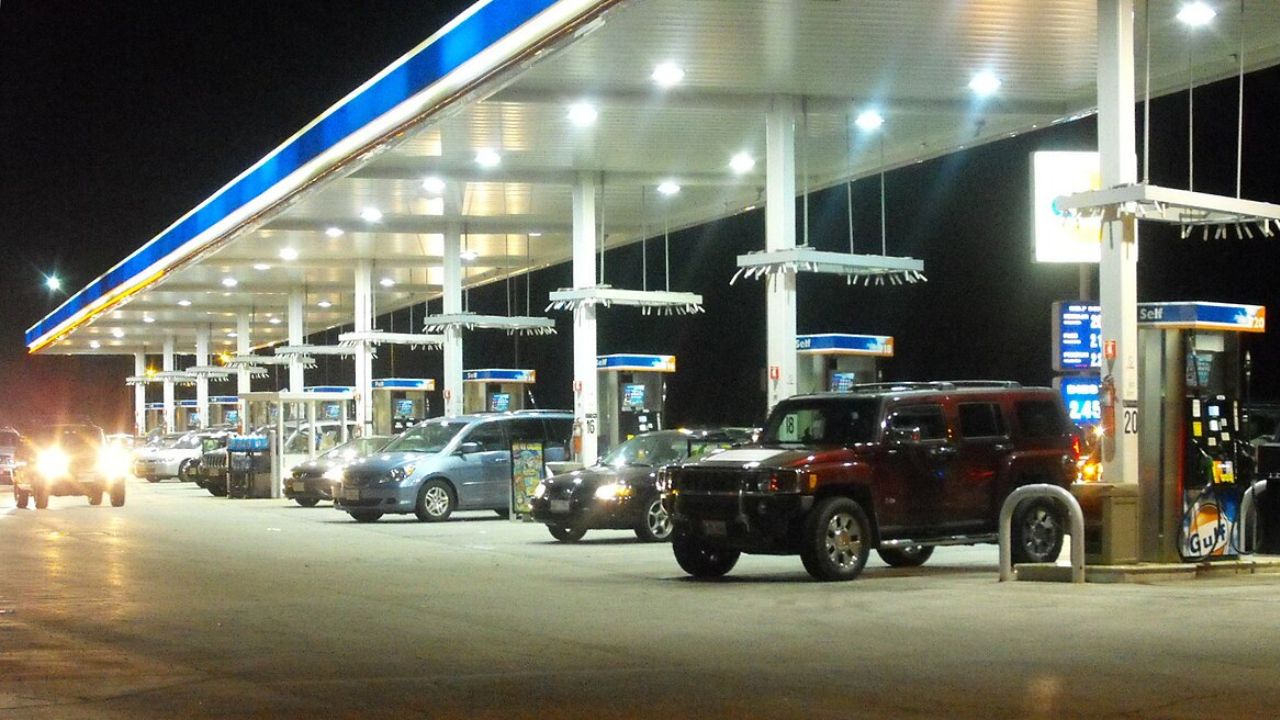
Moreover, using fuel station signage effectively can greatly reduce the risk of mistakes. Look for clear indications of fuel types and double-check the pump before filling up. Apps like GasBuddy can also help you find nearby stations and read reviews about their fuel quality, making it easier to choose where to fill up and avoid stations that may offer low-quality fuels.
Influence of Fuel Quality on Performance
The quality of fuel plays a significant role in engine performance and longevity. Low-quality fuels can lead to problems such as carbon buildup, which can clog fuel injectors and reduce engine efficiency. Over time, this buildup can result in increased fuel consumption and reduced power output, ultimately affecting your driving experience.
Choosing reputable fuel stations is essential for maintaining optimal fuel quality. According to a report by BBC News, regular fuel quality checks and standards are vital for ensuring that consumers receive the best possible product. Look for stations that are well-reviewed and known for maintaining high fuel standards to help protect your vehicle from the adverse effects of low-quality fuel.
Long-term Effects on Vehicle Health
Repeated fueling errors can significantly shorten a vehicle’s lifespan. The wear and tear on engine parts can accelerate, leading to early failures and the need for replacements. Components like the fuel pump, injectors, and even the engine itself can suffer from the consequences of incorrect fueling practices, ultimately leading to decreased reliability and performance.
It’s crucial for drivers to stay on top of regular maintenance to mitigate potential damage from fueling mistakes. Regular oil changes, fuel system cleanings, and inspections can help catch issues early and prolong the life of your vehicle. Adopting a proactive approach to vehicle maintenance not only improves performance but also safeguards against costly repairs in the future.
Consumer Awareness and Education
Enhancing consumer awareness and education about proper fueling practices is essential for preventing mistakes. Resources such as automotive workshops, online tutorials, and community outreach programs can provide valuable information to drivers. Many automotive organizations offer classes that cover basic vehicle maintenance, including proper fuel usage, helping drivers become more informed and mindful.
In addition, utilizing digital resources like YouTube channels dedicated to automotive education or apps that provide information on fuel types can empower drivers to make safer fueling choices. By fostering a culture of knowledge around fueling practices, we can collectively reduce the occurrence of costly fueling errors.
More from Fast Lane Only