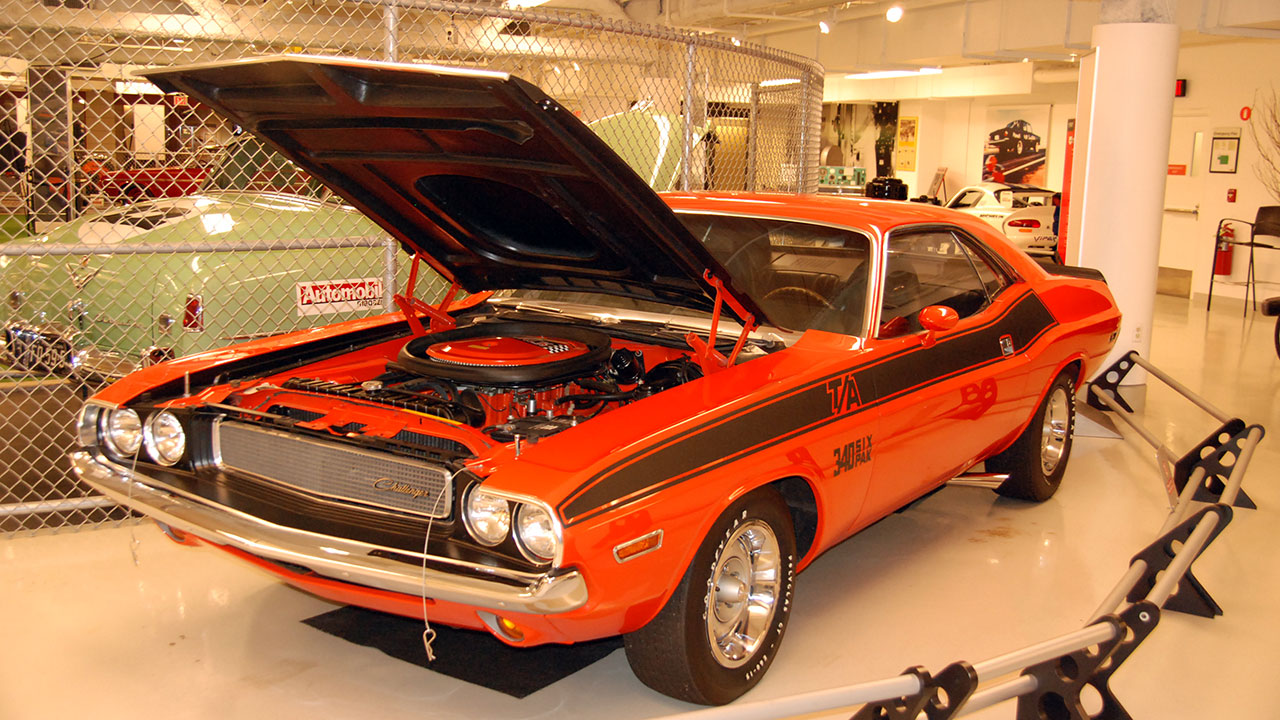
The Dodge Six Pack setup became one of the most talked-about performance packages of the muscle car era, delivering explosive straight-line power that thrilled enthusiasts but alarmed insurers. While it helped cement Chrysler’s reputation for brutal factory performance, it also created unexpected headaches for dealers trying to sell high-risk, high-power cars to everyday buyers.
Chrysler used the Six Pack to challenge rival muscle car dominance
When Chrysler developed its high-performance street packages, the goal was to counter rivals like Ford and GM in the horsepower wars. The Dodge Six Pack system used three two-barrel carburetors mounted on a big-block V8, delivering sudden airflow and aggressive power delivery when all carburetors opened under hard acceleration.
This setup was most famously used in performance-oriented Dodge and Plymouth models during the peak muscle car years. It was designed to provide both drivability in normal conditions and extreme power when needed, making it a flexible yet intimidating option. On the street, however, the transition from mild to wild made the cars feel unpredictable to inexperienced drivers, which quickly caught the attention of insurance companies assessing risk.
Insurance companies reacted strongly to Six Pack performance claims
The Dodge Six Pack system became a red flag for insurance providers because it was directly associated with high horsepower, rapid acceleration, and increased accident risk. Even when driven responsibly, the sudden surge of power from all three carburetors engaging could overwhelm traction, especially in rear-wheel-drive muscle cars.
As a result, insurance premiums for Six Pack-equipped vehicles rose sharply, particularly for younger drivers. Dealers working under Chrysler often found that potential buyers were shocked by the cost of insuring these cars, even when they could afford the purchase price itself. This created a barrier between showroom excitement and real-world ownership affordability.
Dealer challenges grew as performance reputation outpaced practicality
Chrysler dealers faced a unique marketing problem: the Dodge Six Pack was heavily promoted as a performance upgrade, but its reputation made it difficult to insure and sometimes difficult to finance. Buyers were drawn in by horsepower claims but often stepped back once insurance quotes were calculated.
This gap between performance marketing and ownership reality became more pronounced as muscle car insurance rates climbed across the industry. Dealers were effectively selling excitement while insurers were pricing in risk, creating tension that affected sales of even well-engineered, factory-approved performance packages.
The Six Pack became a symbol of the insurance-driven end of the muscle car era
Over time, the Dodge Six Pack came to represent a turning point in automotive history. It highlighted how external factors like insurance regulation and liability concerns could influence the direction of performance engineering just as much as technology or competition.
While it remains celebrated today for its raw power and distinctive carburetor setup, the Six Pack era also marked the beginning of the end for unrestricted factory muscle. As insurance costs rose and regulations tightened, setups like this became less common, leaving behind a legacy defined as much by policy pressure as by performance innovation.
More from Fast Lane Only