Some vehicles get remembered for big, flashy breakthroughs: wild engines, radical styling, or a badge that makes people argue at car meets. But every so often, the real genius is a quiet decision that doesn’t photograph well. It’s the kind of design you only appreciate after a few winters, a few curb kisses, and a few “wait, why doesn’t every car do this?” moments.
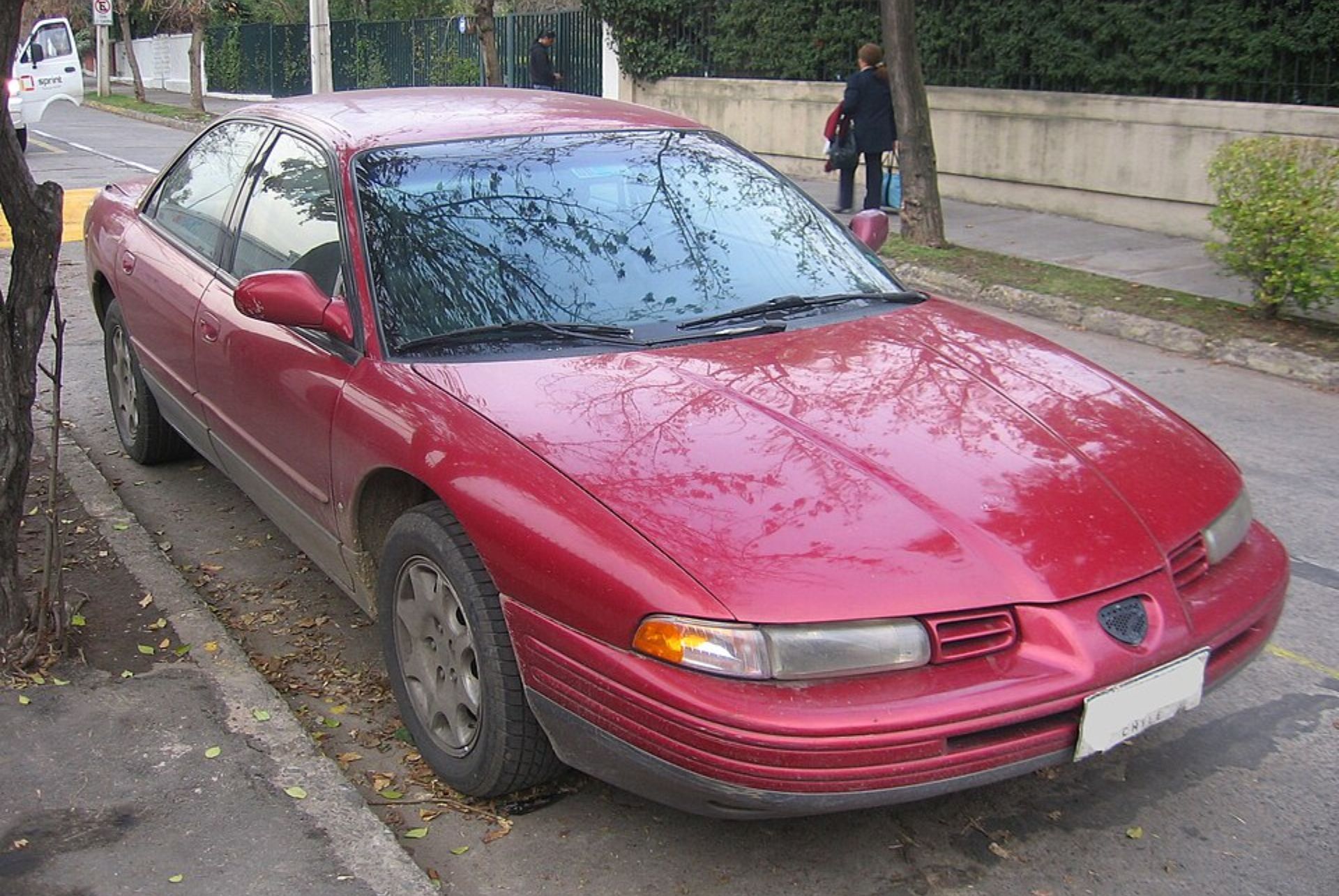
One such design has been hiding in plain sight for decades, and it helped a certain oddball people-mover stay modern long after its rivals felt dated. The trick wasn’t horsepower, or even tech. It was where the weight sat, and what that did to everything else. Pictured here – 1995 Eagle Vision TSi
The secret: putting the heavy stuff under the floor
The overlooked design was the “cab-forward, low-floor” layout made possible by packaging the engine and drivetrain low and compact, then pushing the cabin forward. In plain terms: less bulky stuff up high, more mass down low, and more usable space where people actually sit. It sounds obvious now, like one of those ideas that makes you wonder why it ever counted as clever.
But at the time, most vehicles in its class were still built around a traditional nose-and-cabin arrangement: big engine bay up front, tall floor, and seating that felt like perching on a stool. This layout flipped that logic. The result was a vehicle that drove smaller than it looked and carried people like it was cheating the laws of geometry.
Why “low floor” mattered more than anyone wanted to admit
A low floor doesn’t just make it easier to climb in without performing a little hop. It changes the whole experience: kids can step in on their own, older passengers don’t have to swing a leg up like they’re mounting a horse, and loading groceries stops being a small workout. In the real world, that’s the kind of improvement that earns loyalty quietly, not headlines.
It also means the seats can be placed in a more natural position, and the roof doesn’t have to be comically tall to create headroom. That’s the underrated part: you can have space without looking like a rolling refrigerator. The vehicle feels airy without being awkward.
Handling that surprised people (and sometimes embarrassed sportier cars)
Lowering the heavy components lowers the center of gravity, and that changes how a vehicle behaves in corners. Even if the suspension is tuned for comfort, a lower center of gravity naturally reduces body roll and makes the steering feel more predictable. It’s not suddenly a track weapon, but it stops feeling like a tall box trying to negotiate physics.
Drivers noticed it most on highway ramps and windy days. It felt planted, calm, and less likely to do that top-heavy lean that makes passengers grab the door handle “just in case.” The best compliment was how quickly it became normal; people stopped thinking about it because it simply worked.
The space trick: more cabin, less bulk
The layout bought packaging efficiency, which is a fancy way of saying it squeezed more useful room out of the same footprint. With the cabin pushed forward and the floor kept low, it could offer a roomy third row without needing the length of a small bus. That mattered in suburbs, city parking lots, and anywhere a three-point turn is a fact of life.
Better packaging also made the seating more flexible. With flatter floors and smarter anchor points, seats could fold, slide, or disappear with less drama. People didn’t need an engineering degree to transform it from kid-hauler to hardware-store mule.
Safety benefits that came along for the ride
This kind of design helped safety in a few subtle ways. A lower floor and more stable stance can reduce rollover risk compared with taller, similarly sized vehicles. And because the cabin structure didn’t have to fight as hard for space against big underfloor intrusions, engineers had more freedom to reinforce the passenger cell where it counts.
There’s also the everyday safety angle: better visibility from a forward seating position, easier entry and exit on busy streets, and a driving feel that encourages calm inputs instead of constant correction. It’s not a magic shield, but it’s the kind of advantage you appreciate most when you don’t have to think about it.
So why did it get overlooked?
Because it wasn’t sexy. People notice touchscreens, giant wheels, and horsepower numbers that sound like a brag. A low floor is more like good plumbing: you only talk about it when it’s missing, and when it’s done right you barely notice.
There was also a timing problem. As this layout proved itself, the market drifted toward taller crossovers that looked adventurous even if they never saw more dirt than a garden-center parking lot. Buyers started equating height with safety and value, even though the lower, more stable approach often delivered the kind of confidence people were actually chasing.
It aged well because it solved real problems, not trendy ones
Designs that last are usually the ones that make daily life easier. This layout improved entry, cargo loading, passenger comfort, and road manners all at once, without asking the driver to “adapt.” It didn’t need a learning curve or a lifestyle pitch.
And while gadgets date quickly, good packaging doesn’t. A decade later, a cabin that’s genuinely spacious, easy to access, and comfortable still feels modern. It’s a reminder that the most futuristic move is sometimes just better geometry.
Modern vehicles quietly borrowed the idea
Look around now and you’ll see echoes everywhere. EVs, in particular, lean hard into underfloor mass and flat floors, because batteries want to live low and centered. Suddenly the low-floor idea is back, and people are calling it revolutionary again—just with different marketing.
Even non-EVs have chased the same benefits through clever drivetrain packaging, thinner seats, and more efficient structures. The goal is always the same: maximize room, minimize awkwardness, and make the vehicle feel stable without brute force. The old layout simply got there early, before it was fashionable.
The funny part: once you notice it, you can’t unsee it
After you’ve lived with a genuinely low floor and a cabin that wastes almost no space, other vehicles start to feel oddly compromised. You notice tall sills, high step-in heights, and cargo floors that sit up like a stage. It’s not that those vehicles are bad; it’s that you realize how much of their bulk is just tradition.
That’s the legacy of the overlooked design. It wasn’t trying to win the loudest argument. It just made everyday driving and living with a vehicle smoother, easier, and a little smarter—years before the rest of the market caught up.
More from Fast Lane Only