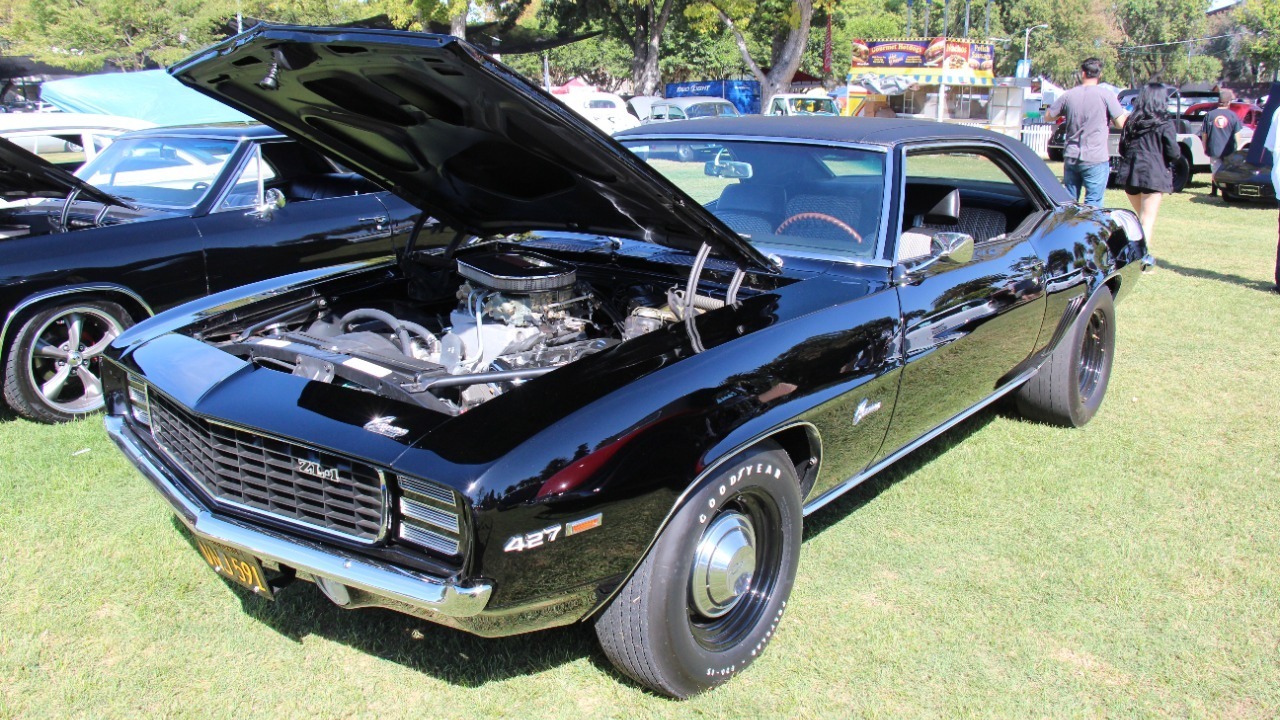
Every era has that one car that makes you wonder how it ever got built without someone in a boardroom choking on their coffee. In the muscle-car years, manufacturers loved big claims, but they also loved plausible deniability. Officially, everything was “within guidelines.” Unofficially, a few rare builds proved the guidelines were more like suggestions.
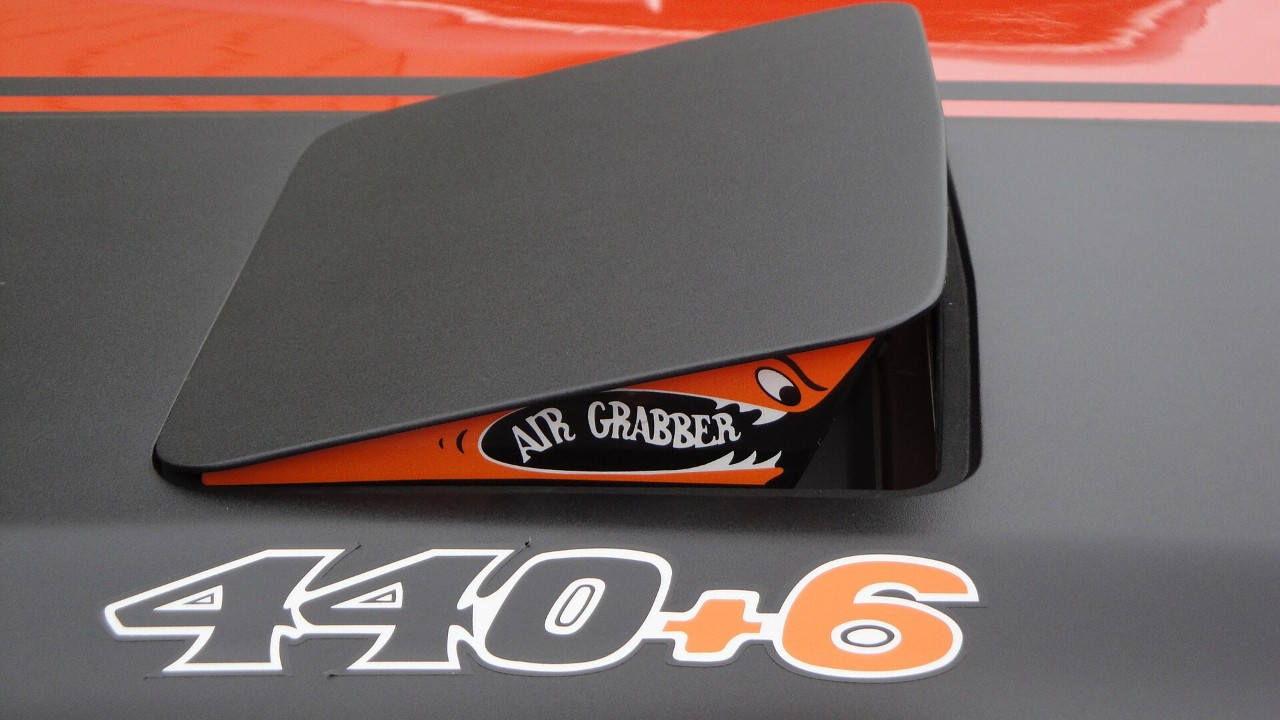
This story is about one of those builds: a factory-sanctioned, loophole-powered muscle car that quietly pushed past what the badges, brochures, and press releases were willing to say out loud. It wasn’t just fast. It was a rolling receipt for what the engineers already knew was possible—and what the lawyers really didn’t want to explain.
A car that existed because everyone could pretend it didn’t
Back then, performance wasn’t only about engineering. It was also about optics, insurance rates, emissions headlines, and the growing fear that too much horsepower was going to bring the wrong kind of attention. So manufacturers started playing a familiar game: keep the “official” cars tame enough for the paperwork, then leave doors open for something wilder.
That’s where the rare build came in. It wasn’t usually sitting on the lot with a big window sticker bragging about it. It was ordered, assembled, and shipped in a way that let the brand say, with a straight face, “We didn’t really build that,” even as the parts bins and internal forms told a different story.
The loophole: ordering power without ordering the publicity
The trick wasn’t magic—it was logistics. Instead of advertising a full-blown street racer, the manufacturer could offer a seemingly normal model, then allow a set of heavy-duty components, special engine packages, or “fleet” and “competition” options that didn’t get promoted to everyday buyers. Sometimes the hottest parts were technically listed for racing use, or they were bundled in ways that obscured what you were really getting.
In practice, the build was a choose-your-own-adventure for people who knew which boxes to tick. A certain drivetrain option here, a specific axle ratio there, and suddenly you weren’t buying a “fast car.” You were buying “an appropriately equipped vehicle for demanding conditions,” which is the most hilarious way possible to describe something built to melt tires.
What made this build “rare” wasn’t the engine— it was the whole recipe
Plenty of muscle cars had legendary engines, and a lot of them get all the attention today. The rare part with this build was the complete package: the engine, the cooling, the fuel system, the suspension, the drivetrain, and the little supporting parts that kept it alive at full noise. It wasn’t just a big block dropped into a mid-size body and sent out the door.
It was the kind of setup that hinted at internal knowledge manufacturers rarely admitted publicly: horsepower is easy, durability is hard. Anyone can quote a big number for a magazine. It takes a very different mindset to quietly fit the car with the stuff that survives repeated high-RPM pulls, hot days, and the kind of abuse that “nobody” was supposed to be doing on public roads.
The power was impressive, but the real story was what it forced engineers to solve
With these builds, the engine usually gets the spotlight. But the engineering pressure shows up everywhere else. More power meant more heat, more stress, and more chances for something small to end your day—like fuel starvation under load, spark scatter at high RPM, or a cooling system that’s fine for commuting but panics when you drive like the on-ramp is a qualifying lap.
So the rare build leaned on the unglamorous upgrades: better radiators, more aggressive fan setups, upgraded ignition components, and driveline parts that looked like they belonged on a heavier car. Even the gearing choices mattered, because the wrong ratio could turn a hero engine into a frustrating mess. The manufacturers knew this, but admitting it openly would’ve meant admitting they expected owners to use the car exactly the way they claimed owners wouldn’t.
Why the factory wouldn’t say it: politics, insurance, and a growing backlash
By the late muscle-car era, the vibe was changing. Horsepower was starting to look less like a selling point and more like a liability. Insurers were watching, regulators were watching, and the public conversation around safety was getting louder.
That made the rare build politically awkward. If a brand publicly endorsed something that was clearly aimed at street racing—or even just “spirited driving”—it risked becoming a headline for all the wrong reasons. Quietly allowing it through special ordering channels kept enthusiasts happy without turning the whole company into a lightning rod.
It also exposed a funny truth about “factory limits”
Manufacturers love to talk about what can’t be done—until someone inside proves it can. The rare build did exactly that. It showed that the stated limits weren’t always technical limits; sometimes they were marketing limits, warranty limits, or “we don’t want to pay for that part on every car” limits.
And here’s the gently funny part: when the build worked, it made the regular models look a little… diplomatic. Not slow, not bad, just carefully negotiated. It was like seeing the unfiltered version of a song after years of listening to the radio edit.
The ripple effect: how a low-volume build shaped the cars everyone remembers
Even if only a small number were made, these builds had outsized influence. Racing teams learned what held together and what didn’t. Dealerships and performance shops copied the recipe. Engineers took notes, whether they were allowed to say so or not.
Over time, the lessons showed up in mainstream performance options: stronger rear ends, better brakes, improved cooling packages, smarter intake and ignition designs. In a weird way, the rare build acted like a field test the manufacturer didn’t have to officially acknowledge. The public got better cars later because a few earlier cars were allowed to be just irresponsible enough.
Why collectors chase it now (and why drivers still respect it)
Today, this kind of build is prized because it sits at the intersection of myth and paperwork. It’s rare, it’s fast, and it has that delicious “you weren’t supposed to be able to buy this” energy. Documentation matters, because the same secrecy that made it possible also makes it easy to imitate.
But beyond value, there’s a respect factor. These cars represent a moment when performance was raw, mechanical, and a little bit rebellious, even when it came with a factory warranty. It’s hard not to admire something that pushed boundaries while the manufacturer politely stared at the ceiling and whistled.
And if you ever hear one running right—clean idle, crisp throttle, and that unmistakable undercurrent of barely-contained chaos—it’s a reminder of what the era was really about. Not just speed, but the creative ways people found it. Sometimes the wildest builds aren’t the ones that were shouted from the rooftops. They’re the ones that were built quietly, then left to speak for themselves at full throttle.
More from Fast Lane Only