Every few years, the car world promises a clean-sheet “revolution,” and somehow a bunch of the same headaches keep showing up: fussy electronics, complicated repairs, and features that feel clever until they don’t. That’s why an older platform is quietly having a moment again—not as a museum piece, but as a reminder that some problems were already solved. It wasn’t perfect, but it nailed a handful of fundamentals that a surprising number of newer vehicles still trip over.
Think of it like an old kitchen knife that stays sharp, fits your hand, and doesn’t need an app. You can buy a newer one with a touch screen and a subscription, sure, but the old one keeps chopping onions just fine. That’s the vibe of this vintage platform: straightforward engineering choices that aged well, even as the industry got more complex.
A simpler electrical backbone that doesn’t throw tantrums
Modern cars can have dozens of control modules chatting over multiple networks, and when one gets moody, the symptoms can look like anything from a dead battery to a phantom warning light. This older platform used fewer modules, shorter “decision chains,” and more direct control of basic functions. The result was a system that was easier to diagnose with basic tools and less likely to turn one small fault into a full-blown mystery.
That doesn’t mean it was primitive. It just leaned on sensible circuit design, robust grounding, and a layout that didn’t treat every switch like it needed a committee meeting. When something failed, you could usually trace it, test it, and fix it without needing a factory scan tool and an hour of guesswork.
Real-world serviceability baked in, not bolted on
One of the most underappreciated “features” of older platforms is the space and access they leave for human hands. Components were arranged with the assumption that someone would eventually need to change them. On many newer cars, routine jobs can require removing unrelated parts, unbolting subframes, or contorting around tightly packed bays that were optimized for assembly lines, not weekend repairs.
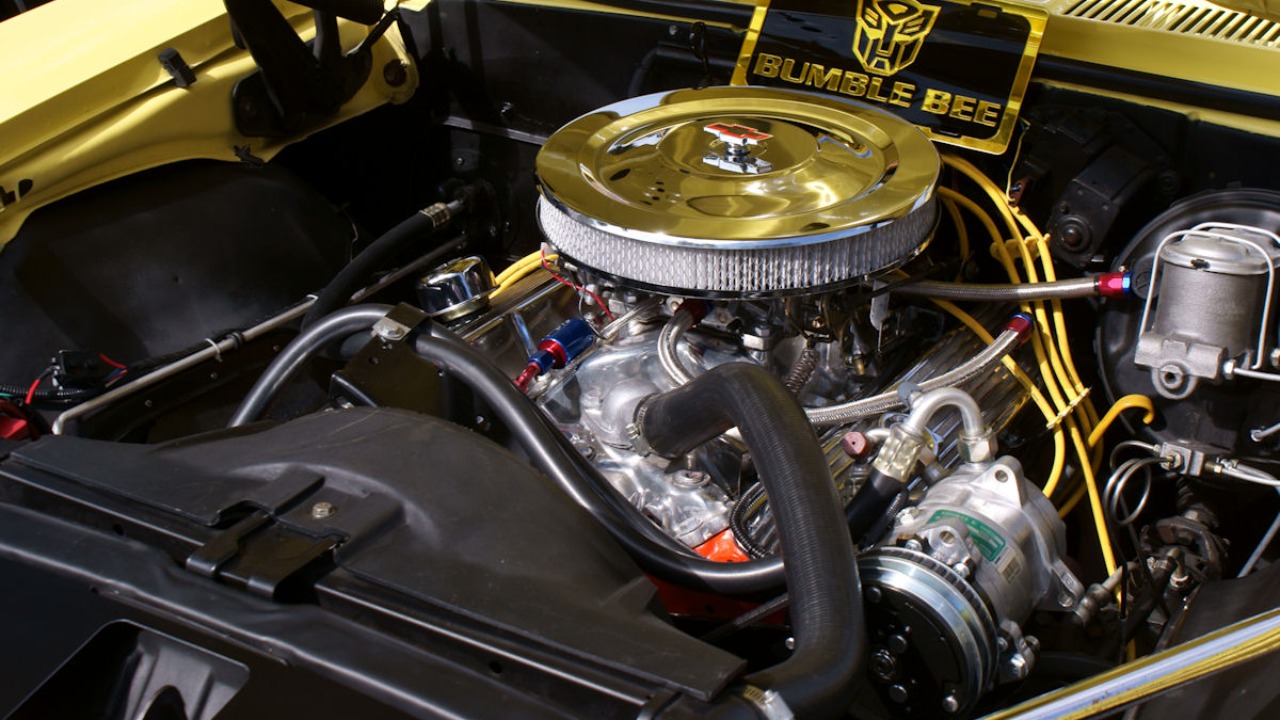
This vintage platform often kept wear items—starters, alternators, belts, pumps, sensors—in places you could reach without disassembling half the front end. That’s not nostalgia talking; it’s just practical packaging. When labor time stays reasonable, owners fix things sooner, and the whole vehicle tends to live a longer, happier life.
Mechanical honesty: fewer layers between your foot and the road
New cars are impressively capable, but they can feel filtered. Throttle mapping, electric steering assist, stability systems, brake-by-wire tuning—there are lots of opportunities for the car to “interpret” what the driver meant. This older platform relied more on direct mechanical linkages and simpler control strategies, so feedback came through in a way that was predictable and easy to trust.
That predictability matters in everyday driving. When steering response is consistent and braking feel doesn’t change based on software mood, drivers adapt quickly and stay confident. Plenty of modern vehicles get this right, but enough don’t that the older approach still feels refreshing.
Cooling and heat management that expected hard use
Heat is the slow villain of reliability. It cooks wiring insulation, hardens seals, and shortens the life of electronics. A lot of modern designs run hot because of tighter packaging, turbocharging, emissions hardware, and underhood airflow that’s fighting for space.
This vintage platform typically had more breathing room and a cooling system sized for long hauls and less-than-perfect maintenance. Radiators, hoses, and thermostats were often conventional and easy to replace, and the overall layout didn’t trap heat in quite the same way. It’s not glamorous, but it’s why some older cars keep trucking while newer ones get picky about temperatures, fans, and sensor readings.
Rustproofing and paint choices that held up better than expected
Here’s the funny part: some older platforms got corrosion protection surprisingly right, while certain newer cars still struggle with it depending on region, cost targets, and materials. The vintage approach often used thicker coatings, simpler seams, and fewer hidden moisture traps. When water can’t sit inside a folded panel edge for years, it’s a lot harder for rust to start its slow campaign.
Of course, not every older car was a rust champion. But the platform’s straightforward body construction made it easier to spot trouble early and address it—clean it, treat it, seal it—before it turned into structural drama. Newer designs can hide corrosion until it’s already won.
Parts that were standardized, not “special” for the sake of it
A big reason this platform remains lovable is parts commonality. Fasteners, sensors, bushings, bearings—many were shared across trims, engines, and even multiple model lines. That keeps costs down and availability up, which is a practical kind of magic when you’re trying to keep a car on the road without treating every repair like a bespoke restoration.
In contrast, newer vehicles sometimes use one-off components tied to specific packages or production changes. Even a simple replacement can turn into a compatibility puzzle: different connectors, revised software, or a part number that changed mid-year. The old platform’s “one size fits many” philosophy made ownership calmer.
Safety and structure that were easier to understand and repair
No, a vintage platform won’t match the latest crash-test wizardry, and it shouldn’t pretend to. But it did bring a kind of structural clarity: straightforward subframes, predictable crumple strategies for its era, and fewer expensive composite assemblies. When something bent, shops could often measure it, pull it, and replace a section without chasing hidden sensor calibrations for days.
Newer cars can be safer and also more fragile to repair after minor hits. A low-speed bump can trigger radar realignment, camera calibration, and pricey plastic modules that don’t like being bumped at all. The older platform’s simpler structure didn’t always need a full tech suite just to get back to normal.
Why newer cars still struggle with the same old problems
Modern vehicles are juggling a lot: emissions rules, fuel economy targets, infotainment expectations, driver-assist systems, and intense cost pressure. When all of that stacks up, design compromises happen. Tight packaging saves weight, more modules add features, and software patches can fix things quickly—until the complexity becomes its own reliability tax.
This vintage platform benefited from a different era of priorities. It was engineered to be built, serviced, and kept running with fewer moving targets. It’s not that older engineers were smarter; it’s that the problem statement was simpler, and the solutions stayed elegant.
The real takeaway: “old” isn’t the point, thoughtful is
The charm of this platform isn’t that it rejects progress. It’s that it proves how far you can get with clear priorities: service access, robust basics, sensible electrical design, and parts you can actually source. New cars can absolutely deliver that too, but the ones that do usually feel like they learned a few lessons from the past.
If you’ve ever driven something older and thought, “Why does this feel so… uncomplicated?” you’re not imagining it. Sometimes the best innovation is remembering what people needed all along: a car that starts, runs, communicates clearly, and doesn’t demand a software update before it agrees to turn on the headlights.
More from Fast Lane Only