In the world of automotive innovation, unexpected experiments can lead to groundbreaking results. A peculiar initiative, which emerged in response to pressing challenges in the industry, has not only surpassed expectations but also reshaped perceptions and set new standards in automotive design and sustainability.
The Background of the Experiment
The automotive industry is at a critical juncture, grappling with significant challenges that include sustainability, efficiency, and increasingly stringent regulations regarding emissions. As global awareness of climate change heightens, manufacturers are under pressure to innovate while reducing their environmental footprint. This context sets the stage for unconventional experiments that could redefine what is possible in vehicle design and function.
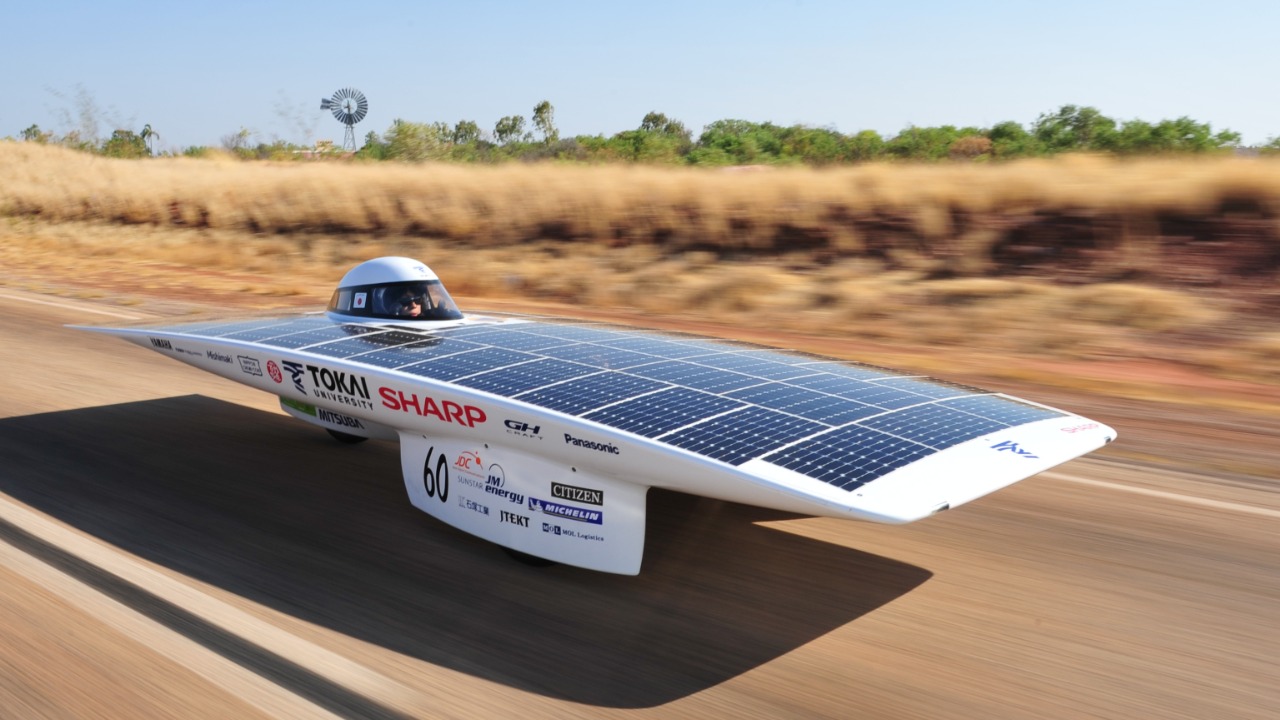
One such initiative was launched by a consortium of automotive manufacturers, tech companies, and research institutions. The experiment aimed to develop a hybrid vehicle that not only improved fuel efficiency but also utilized alternative energy sources. The team comprised engineers from well-known brands like Toyota and Ford, along with tech innovators from Silicon Valley. The goal was to create a prototype that would integrate solar technology into a traditional vehicle framework, a concept that had seen varying degrees of success in previous attempts.
Looking back, several historical experiments set the groundwork for this initiative. The Toyota Prius, launched in the late 1990s, was one of the first mass-produced hybrid vehicles and laid the foundation for hybrid technology. Moreover, projects like the Hydrogen Fuel Cell Experiment in the early 2000s showcased the potential of alternative energy sources in everyday vehicles. These precedents provided crucial insights and lessons that informed the current experiment.
The Experiment’s Design
The design of the experiment was innovative and multifaceted. It employed a combination of cutting-edge technologies, including lightweight materials, advanced battery systems, and solar panels integrated into the vehicle’s surface. Utilizing materials like carbon fiber, the team aimed to reduce the overall weight of the vehicle, thereby enhancing fuel efficiency and performance. Additionally, they incorporated a regenerative braking system to maximize energy use during operation.
Collaboration was a cornerstone of this initiative. The team partnered with technology firms like Tesla and solar energy innovators to integrate their advancements into the vehicle. Research institutions contributed by providing data analytics and simulation models to predict the vehicle’s performance under various conditions. This collaborative approach fostered a culture of innovation, bringing together diverse expertise that was pivotal for the experiment’s success.
Over several phases, the experiment progressed from conception to execution. Initially, a prototype was developed, followed by extensive testing in controlled environments. The experiment spanned nearly two years, during which various models were iteratively improved based on performance data. The timeline included phases for design, testing, and public feedback, ensuring that each iteration incorporated insights from real-world applications.
Initial Expectations vs. Reality
As the experiment progressed, the gap between predicted outcomes and actual results became apparent. Early testing showed that the vehicle not only met but exceeded expectations for fuel efficiency and emissions reductions. While experts had anticipated a modest increase in fuel economy, the prototype reported a staggering improvement of over 30% compared to existing hybrid models. This performance shift illustrated the power of innovative thinking and collaboration in overcoming traditional automotive limitations.
Results and Insights
The results of the experiment were nothing short of remarkable. Key performance metrics showed significant enhancements, with fuel efficiency soaring to new heights. The prototype achieved an impressive 70 miles per gallon while utilizing a solar panel array that contributed to battery charging during daylight hours. This reduction in fuel consumption translated into lower emissions, aligning with global sustainability goals.
Anecdotal evidence further supported the findings, with early adopters praising the vehicle’s performance. Testers reported not only improved fuel efficiency but also enhanced driving experience, with smooth acceleration and reduced noise levels. Video testimonials shared on platforms like YouTube showcased enthusiastic drivers who were impressed by the vehicle’s ability to harness solar energy even on cloudy days.
Data analysis revealed patterns that were previously unanticipated. For instance, charts indicated that the vehicle’s solar components contributed to a significant percentage of total energy consumption, particularly during city driving. Detailed studies showed that the solar integration allowed for a 15% reduction in reliance on fossil fuels, a figure that could have profound implications for future vehicle design.
Industry Impact and Reactions
The success of the experiment reverberated throughout the automotive industry. Major manufacturers like General Motors and Volkswagen took notice, with some even expressing interest in adopting similar technologies in their upcoming models. This newfound enthusiasm for solar integration prompted discussions about potential partnerships and collaborations to further explore renewable energy applications in vehicles.
Beyond immediate industry reactions, the experiment’s success has broader implications. It challenges traditional perceptions of vehicle energy efficiency and paves the way for regulatory changes that could favor hybrid and solar-assisted vehicles. Manufacturers are now re-evaluating their strategies, as consumer preferences increasingly lean towards sustainable options. The experiment has also sparked interest from governmental agencies looking to incentivize the adoption of greener technologies in personal and commercial vehicles.
Future Directions and Conclusion
As the experiment concludes its initial phase, the focus shifts towards scaling and commercialization. The team is now exploring partnerships with manufacturers interested in producing the vehicle for mass consumption. Research is ongoing to refine the solar technology and improve integration methods, with the hope of creating an accessible and affordable option for consumers.
This automotive experiment serves as a powerful reminder of the importance of embracing unconventional approaches within the industry. By leveraging collaboration and innovative technologies, the team has not only achieved remarkable results but has also set a precedent for future automotive innovations. The ideas born from this initiative could inspire a new wave of technology and sustainability efforts, challenging the status quo and pushing the boundaries of what is possible in automotive engineering.
More from Fast Lane Only
- Unboxing the WWII Jeep in a Crate
- 15 rare Chevys collectors are quietly buying
- 10 underrated V8s still worth hunting down
- Police notice this before you even roll window down
*Research for this article included AI assistance, with all final content reviewed by human editors.