In an era where technological advancements dominate the automotive industry, many older vehicles are recognized for their unique solutions to problems that newer models still grapple with. Vintage platforms, with their simpler mechanical systems and user-friendly designs, offer insights into repairability, driving enjoyment, and sustainability that modern cars often overlook.
The Vintage Platform: An Overview
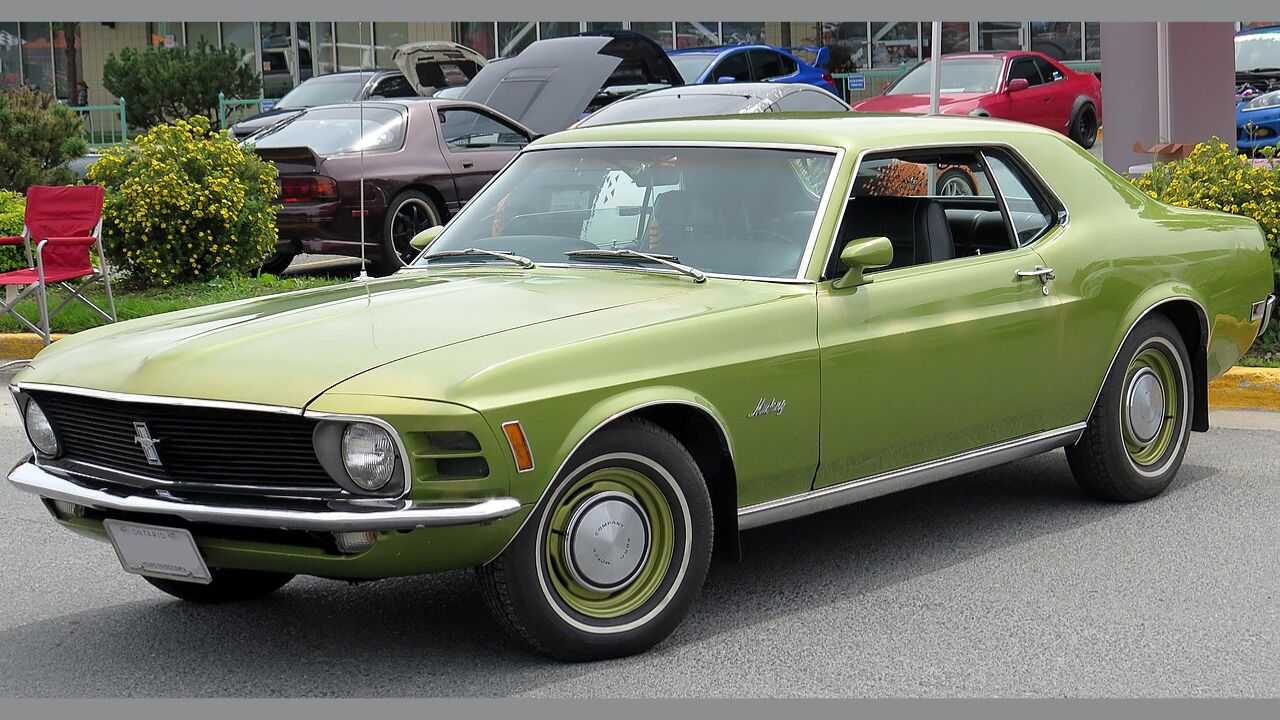
The vintage platform, often exemplified by models from the 1960s and 1970s, played a pivotal role in shaping automotive design. During this period, manufacturers focused on creating vehicles that were not only functional but also accessible to the average consumer. Iconic models such as the Ford Mustang (introduced in 1964) and the Volkswagen Beetle (with roots dating back to the 1930s but popularized in the 1960s) showcased a blend of practicality and style. A 1970s Ford Mustang further represents this era, combining straightforward mechanical engineering with a design that remains easy to understand and maintain. These vehicles often featured robust mechanical components that were easier to repair, setting them apart from increasingly complex modern cars.
Key features of vintage platforms included straightforward mechanical systems, often relying on carburetors rather than fuel injection and manual transmissions instead of automatic ones. This simplicity fostered a connection between the driver and the car, allowing for a more engaged driving experience. While modern vehicles boast advanced technology and safety features, many enthusiasts argue that these innovations often come at the cost of driver engagement and emotional connection.
Repairability: A Lost Art in Modern Cars
The shift towards electronic systems and complex engineering in newer vehicles has significantly impacted their repairability. As highlighted in a discussion on Reddit, many contemporary cars are designed with proprietary technology that can only be serviced by authorized dealers. This trend has led to higher repair costs and longer wait times for consumers, as fewer mechanics possess the specialized knowledge required to work on these vehicles.
In contrast, vintage cars such as the 1970s Ford Mustang often featured simple mechanical systems that allowed DIY enthusiasts and local mechanics to perform repairs with relative ease. For instance, many components can still be serviced using basic tools and widely available replacement parts. This accessibility not only empowers car owners but also fosters a culture of self-sufficiency and resourcefulness that is increasingly rare in the age of computerized vehicles.
User Experience: Intuitive Controls and Design
The user experience in vintage cars is characterized by straightforward, tactile interfaces that prioritize driver engagement. Unlike the tech-laden dashboards of many modern vehicles, which can overwhelm with screens and menus, vintage platforms often feature knobs and levers that provide immediate feedback. For example, the interior of a 1970s Ford Mustang is designed with simplicity in mind, allowing drivers to adjust controls without taking their eyes off the road.
This emphasis on intuitive design enhances the driving experience. The tactile feedback from physical controls fosters a deeper connection between the driver and the vehicle, making each interaction feel more deliberate and engaged. In contrast, many modern cars rely on touchscreens and voice commands, which can detract from the driving experience and create a disconnect between the driver and the vehicle.
Driving Enjoyment: The Thrill of Simplicity
Driving a vintage car often evokes a sense of nostalgia and joy that many modern vehicles struggle to replicate. Vintage platforms prioritize driving dynamics and feedback over technological distractions, resulting in a more visceral driving experience. Take, for example, the 1970s Ford Mustang, which is widely appreciated for its straightforward power delivery and mechanical engagement. This focus on driving purity allows enthusiasts to feel the road and connect with their vehicle, creating an emotional bond that is often absent in newer models.
Additionally, the simplicity of vintage platforms often leads to a more enjoyable driving experience. Without the distractions of advanced infotainment systems or driver-assistance technologies, drivers can focus on the act of driving itself. This connection to the road and the car can evoke a sense of freedom and exhilaration that is less common in today’s technology-heavy vehicles.
Sustainability: Repair Over Replacement
In an age of disposable consumer culture, vintage vehicles present a sustainable alternative. By emphasizing repairability over replacement, vintage cars encourage owners to maintain and care for their vehicles rather than discarding them for newer models. A 1970s Ford Mustang exemplifies this philosophy, as its mechanical simplicity allows long-term maintenance rather than full replacement.
This approach not only reduces waste but also promotes a culture of preservation and appreciation for automotive history. The environmental benefits of maintaining vintage vehicles are significant, as repair-focused ownership reduces the carbon footprint associated with manufacturing new cars.
The growing trend of vehicle sharing also highlights how vintage platforms can support sustainability by extending the usable life of existing cars while reducing overall production demand.
The Role of Technology in Vintage Car Restoration
Modern technology has also played a crucial role in the restoration of vintage platforms. While these cars are celebrated for their simplicity, advancements in technology now allow enthusiasts to restore them more effectively while preserving their original essence. Tools and online platforms provide resources for sourcing parts, documenting restoration steps, and connecting with other owners of vehicles like the 1970s Ford Mustang.
Additionally, online communities have emerged where vintage car owners can share knowledge and experiences, further enhancing the restoration process. These platforms make it easier to preserve mechanical authenticity while improving restoration efficiency.
Lessons for Modern Automotive Design
Modern manufacturers can glean valuable insights from vintage platforms that focus on simplicity, repairability, and driver engagement. By prioritizing mechanical accessibility and user-friendly designs, automakers can create vehicles that resonate more deeply with consumers.
For instance, principles demonstrated by vehicles such as the 1970s Ford Mustang highlight how straightforward engineering can enhance repairability and reduce long-term ownership costs. Integrating these ideas into future car design can improve driver connection and reduce overreliance on complex electronic systems.
This approach does not reject modern innovation but instead encourages a balance between technological advancement and mechanical accessibility.
More from Fast Lane Only