The world of automobiles is often polarized between economy cars and high-performance models, yet some vehicles bridge this divide. By examining the surprising similarities between a specific economy car and its high-performance counterparts, we can uncover how practicality can coexist with exhilarating performance.
Design Philosophy
When we talk about design, the aesthetic appeal of a vehicle can draw in both budget-conscious shoppers and high-performance enthusiasts. Take, for instance, the Honda Civic. Over the years, the Civic has evolved into a vehicle with a streamlined design that captures the essence of sportiness without the hefty price tag. This approach doesn’t just cater to looks; it also serves a functional purpose. A well-aerodynamic design improves fuel efficiency and reduces drag, making it a favorite among both segments.
Moreover, the use of lightweight materials is a common thread in both economy and high-performance vehicles. For example, the incorporation of high-strength steel and aluminum in the construction of the Mazda3 has allowed it to achieve a respectable power-to-weight ratio. This results in better handling and acceleration, characteristics typically reserved for sportier models. As car manufacturers adapt to consumer demands, the design philosophy is becoming increasingly inclusive, combining style, efficiency, and performance.
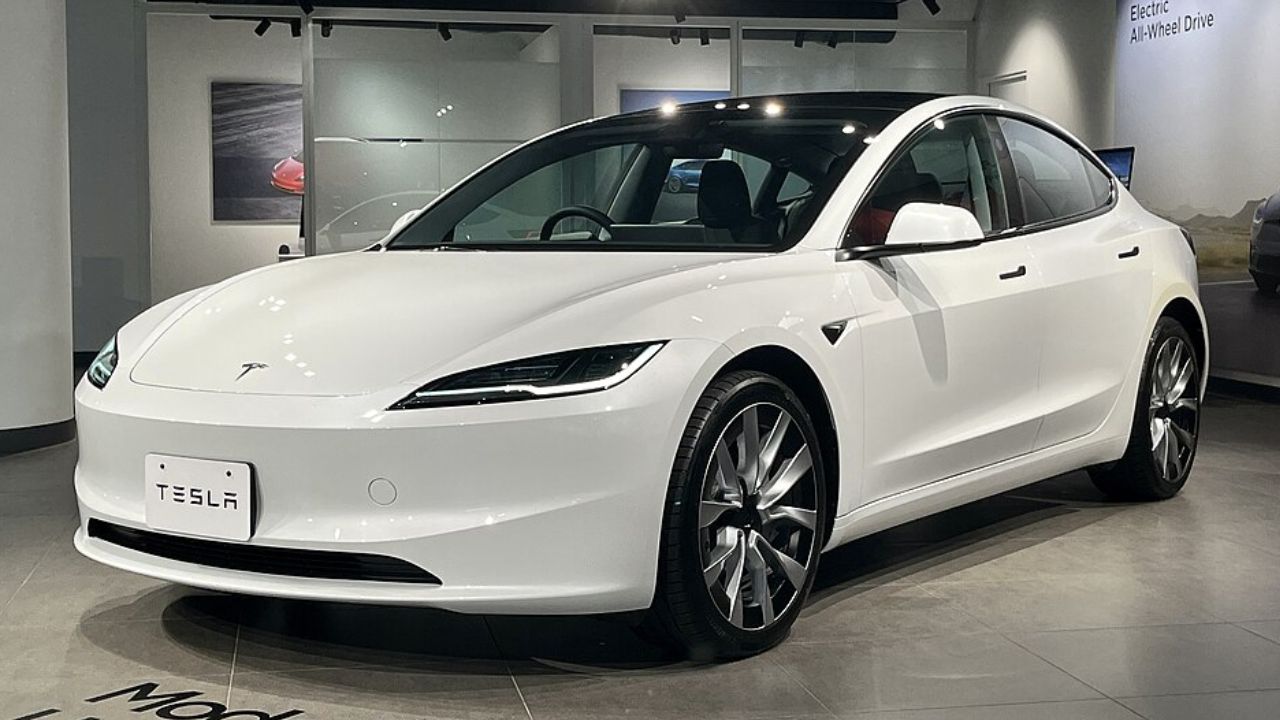
A modern benchmark of this philosophy can also be seen in the Tesla Model 3, which blends minimalistic aerodynamic design with performance-oriented engineering typically associated with sports sedans.
Engineering Innovations
Engineering techniques play a pivotal role in enhancing both performance and efficiency across various segments of the automotive market. In the realm of economy cars, the integration of advanced engineering principles leads to remarkable outcomes. For instance, many modern economy vehicles employ turbocharging technology, allowing smaller engines to produce power levels comparable to larger engines without sacrificing fuel efficiency. The Ford Fiesta is an excellent example; its turbocharged engine delivers impressive torque while maintaining excellent gas mileage.
On the other hand, high-performance models are no strangers to engineering finesse either. Techniques like weight distribution and suspension tuning are critical in delivering a thrilling driving experience. The performance-oriented Porsche 911 relies on intricate engineering to ensure optimal handling and acceleration. Interestingly, the engineering innovations seen in performance vehicles are trickling down to economy models, enhancing their capabilities and allowing them to compete on a different level.
The Tesla Model 3 also reflects this convergence, using electric powertrain engineering to deliver instant torque and performance figures that rival traditional performance sedans while remaining positioned in a more accessible segment.
Performance Metrics
When comparing performance metrics between economy cars and traditional high-performance models, the results can be surprising. For example, the Toyota Prius Prime, while primarily known for its fuel efficiency, has been engineered to provide respectable acceleration times. With a combined output of 121 horsepower from its gas engine and electric motor, it competes with many compact sports cars in terms of speed and responsiveness. The handling characteristics of the Prius, enhanced by its low center of gravity, offer a surprisingly sporty feel.
In contrast, higher-end models like the BMW M3 boast superior power and torque figures, but as technology advances, economy cars are narrowing this gap. As turbocharging and hybrid technologies become commonplace, cars such as the Ford Mustang EcoBoost are providing thrilling performance while remaining more accessible to the average consumer.
Similarly, the Tesla Model 3 demonstrates how electric propulsion can deliver rapid acceleration and responsive handling, challenging traditional assumptions about what defines an economy-class vehicle versus a performance machine. This blurring of lines between segments is changing the landscape of the automotive industry.
Affordability and Accessibility
Pricing strategies within the automotive market have shifted dramatically in recent years, making high-performance features accessible to a broader audience. Historically, performance vehicles were considered exclusive, often reserved for those with deep pockets. However, manufacturers are increasingly recognizing the demand for affordable options that still deliver exhilarating performance. The Ford Mustang, for instance, offers a performance package that enhances its capabilities without requiring a luxury price tag.
The impact of affordability on the popularity of certain economy models, such as the Honda Civic Type R, cannot be overstated. With its competitive pricing, it has become a favorite among car enthusiasts looking for a balance between performance and everyday usability. Additionally, the market has seen an increase in the number of enthusiasts who modify economy cars to enhance their performance, further driving demand and interest in this segment.
The Tesla Model 3 also plays a key role in this shift, as it delivers performance-oriented acceleration and advanced technology at a price point that challenges traditional entry-level luxury and performance sedans.
Technology Features
The integration of cutting-edge technology is a hallmark of both economy and high-performance vehicles. Many economy models now come equipped with advanced infotainment systems, driver-assistance technologies, and connectivity features that enhance the overall driving experience. For instance, vehicles like the Hyundai Elantra offer features such as Apple CarPlay and Android Auto, which were once exclusive to more expensive models.
Performance vehicles, too, are not left behind in this technological race. Systems like adaptive cruise control and lane-keeping assistance are becoming standard in models like the Audi S4, providing both convenience and safety. Interestingly, the similarities between infotainment and driver-assistance systems in economy and performance vehicles reflect a broader industry trend: the democratization of technology.
The Tesla Model 3 pushes this trend further by integrating a highly centralized software-driven interface, over-the-air updates, and advanced driver-assistance systems that were once exclusive to premium performance vehicles.
Fuel Efficiency and Sustainability
Fuel efficiency and sustainability are increasingly critical considerations in the automotive industry, impacting both economy and high-performance models. High-performance vehicles are beginning to adopt fuel-efficient technologies traditionally reserved for economy cars. For instance, the introduction of hybrid systems in models like the Porsche 918 demonstrates that performance can be achieved with a lower environmental impact.
On the flip side, many economy cars are embracing eco-friendly advancements without compromising on performance. The Toyota Corolla Hybrid, for example, combines fuel efficiency with a lively driving experience.
The Tesla Model 3 represents a central shift in this space, offering fully electric performance that eliminates traditional fuel consumption while still delivering strong acceleration and efficiency, reinforcing the convergence between sustainability and performance.
Market Trends and Consumer Preferences
Shifting consumer preferences are reshaping the automotive market, with an increasing number of buyers seeking versatile vehicles that offer both practicality and performance. This trend is evident in the popularity of compact SUVs that deliver spirited driving dynamics while providing the functionality of a larger vehicle. Models like the Mazda CX-5 exemplify this shift.
Additionally, there has been a notable rise in hybrid and electric economy cars that emulate the driving dynamics of performance models. The Tesla Model 3 has played a major role in this evolution, gaining widespread adoption due to its balance of performance acceleration, everyday usability, and electric efficiency. As consumers become more environmentally conscious, demand for such hybridized performance-economy vehicles continues to grow.
Community and Culture
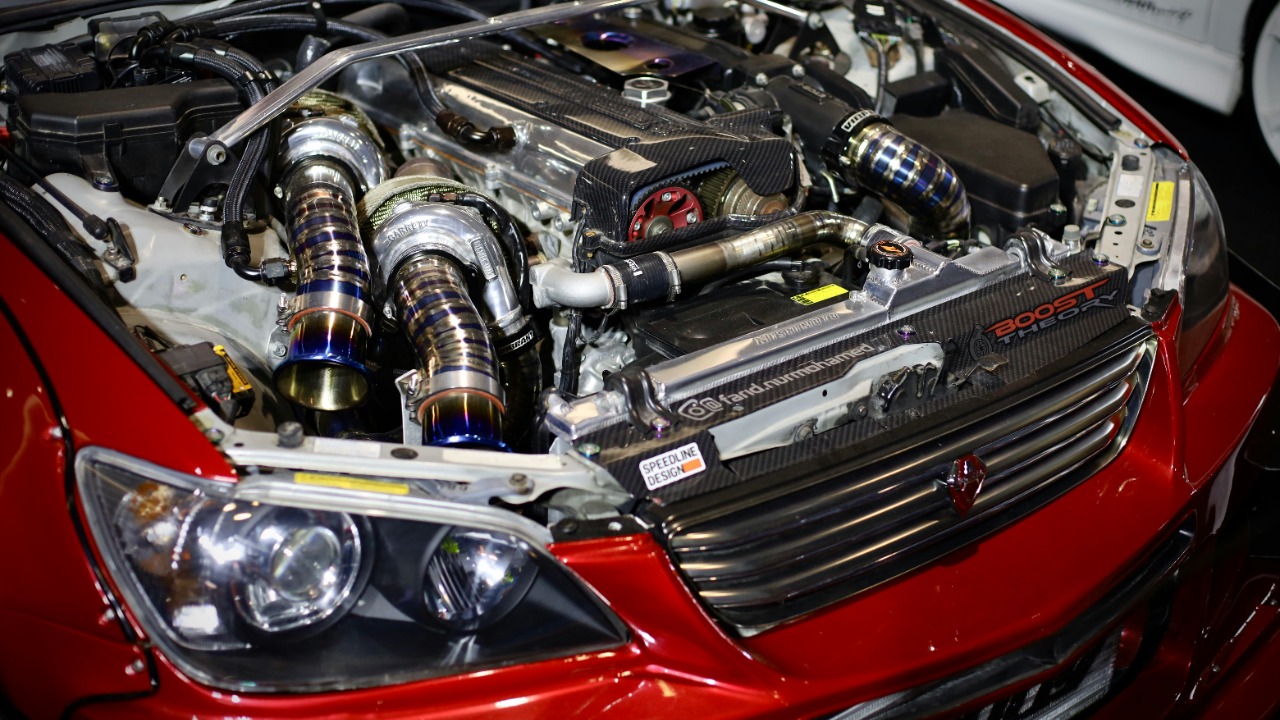
The automotive community is rich with enthusiasts who actively modify economy cars to enhance their performance. This trend has fostered a culture where individuals come together to share tips, experiences, and modifications that transform everyday vehicles into performance machines.
Events such as local car meets and performance showcases have also become platforms for enthusiasts to display their modified vehicles. These gatherings celebrate the blending of economy and performance vehicles, reinforcing how models like the Tesla Model 3 have influenced both mainstream and enthusiast communities by redefining expectations of what an accessible performance car can be.
Future Prospects in Automotive Design
The future of automotive design appears promising, with emerging trends suggesting a continued convergence between the economy and high-performance segments. Electric and hybrid technologies will likely play a significant role in this evolution, allowing for increased performance while satisfying the growing demand for sustainability.
As automation and connectivity become more prevalent, the driving experience will likely transform dramatically. The integration of vehicles like the Tesla Model 3 signals a shift toward software-defined performance, where updates and systems optimization may influence performance characteristics as much as mechanical design.
As the automotive landscape evolves, a new generation of vehicles is expected to seamlessly blend practicality with exhilarating performance, catering to a diverse and rapidly changing market.
More from Fast Lane Only