When it comes to purchasing a high-mileage hybrid vehicle, there are several factors to consider to ensure you get the most value for your money. While hybrids can offer impressive fuel efficiency and reduced emissions, buying a used one with substantial mileage requires careful evaluation. This guide provides essential tips to help you make a well-informed decision.
Understanding the Benefits of High-Mileage Hybrids
One of the most compelling reasons to consider a high-mileage hybrid, such as a 2016 Toyota Prius, is the potential for cost savings. Older hybrids often come with a significantly lower price tag compared to newer models. This makes them an economical choice for budget-conscious buyers who still want the benefits of hybrid technology. By opting for a high-mileage hybrid, you may be able to purchase a vehicle with advanced features at a fraction of the cost.
Beyond financial considerations, there’s also the environmental impact to think about. Even a used hybrid like a 2015 Ford Fusion Hybrid can contribute to reduced carbon emissions and a smaller environmental footprint. Hybrids combine electric and gasoline power, which means they generally emit less pollution than traditional gasoline-only vehicles. Choosing a hybrid supports efforts to reduce air pollution and promote cleaner transportation.
Technological advancements in hybrid vehicles have been significant over the years. Even older models, such as a 2017 Honda Accord Hybrid, may still include technology designed to improve fuel efficiency and performance. Features like regenerative braking and energy-efficient engines mean that you can benefit from modern technology even if you purchase a vehicle with high mileage. These advancements ensure that high-mileage hybrids remain competitive in terms of performance and efficiency.
Evaluating the Vehicle’s Condition
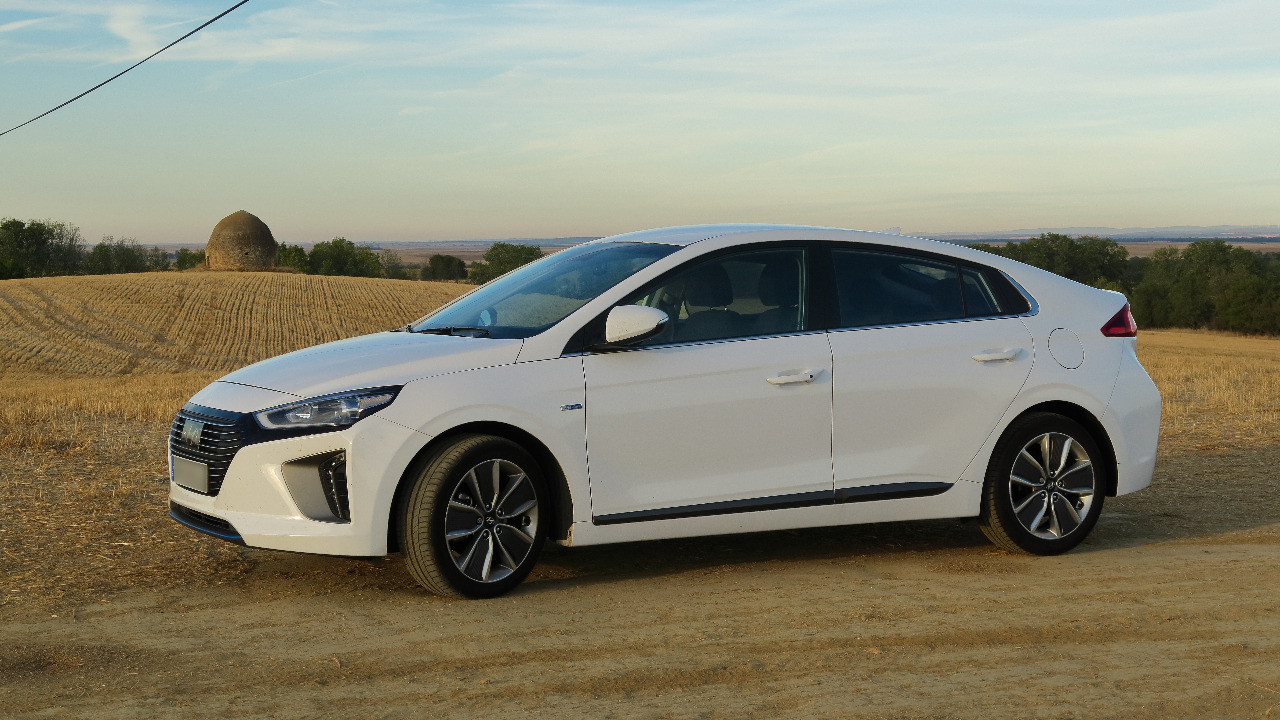
When evaluating a high-mileage hybrid, it’s essential to review the vehicle’s maintenance records. Consistent upkeep is crucial for any vehicle, but it’s especially important for hybrids, which have complex systems. For instance, a 2018 Hyundai Ioniq Hybrid should have a documented history of regular service to ensure all components, including the hybrid battery, are in good condition. Ask the seller for a detailed maintenance log, and be wary if these records are unavailable or incomplete.
The health of the hybrid battery is another critical factor. Replacing a hybrid battery can be expensive, so it’s wise to check its condition before making a purchase. Some dealerships or service centers offer battery health checks, which can provide insights into the remaining lifespan of the battery. For instance, the 2019 Kia Niro Hybrid’s battery should be checked to ensure it hasn’t degraded significantly, which could affect performance and fuel efficiency.
Conducting a thorough test drive and having the vehicle inspected by a trusted mechanic are indispensable steps in the buying process. A test drive can reveal potential issues with handling, braking, or acceleration. Meanwhile, a professional inspection can uncover hidden problems that might not be immediately apparent, such as electrical issues or suspension wear. This is especially important for high-mileage vehicles like a 2020 Chevrolet Malibu Hybrid.
Researching the Vehicle’s History
Obtaining a vehicle history report through services like CARFAX or AutoCheck can provide valuable insights into a vehicle’s past. For example, a 2021 Lexus ES 300h with a clean history report is likely to be a safer investment than one with a history of accidents or title issues. These reports reveal important details such as previous accidents, flood damage, and odometer readings, helping you avoid potential red flags.
Understanding the previous ownership of the vehicle can also be beneficial. Knowing how many owners a vehicle has had, and their driving patterns, can offer clues about its wear and tear. A 2022 Hyundai Sonata Hybrid with a single previous owner who primarily drove highway miles may be in better condition than one with multiple owners and predominantly city driving.
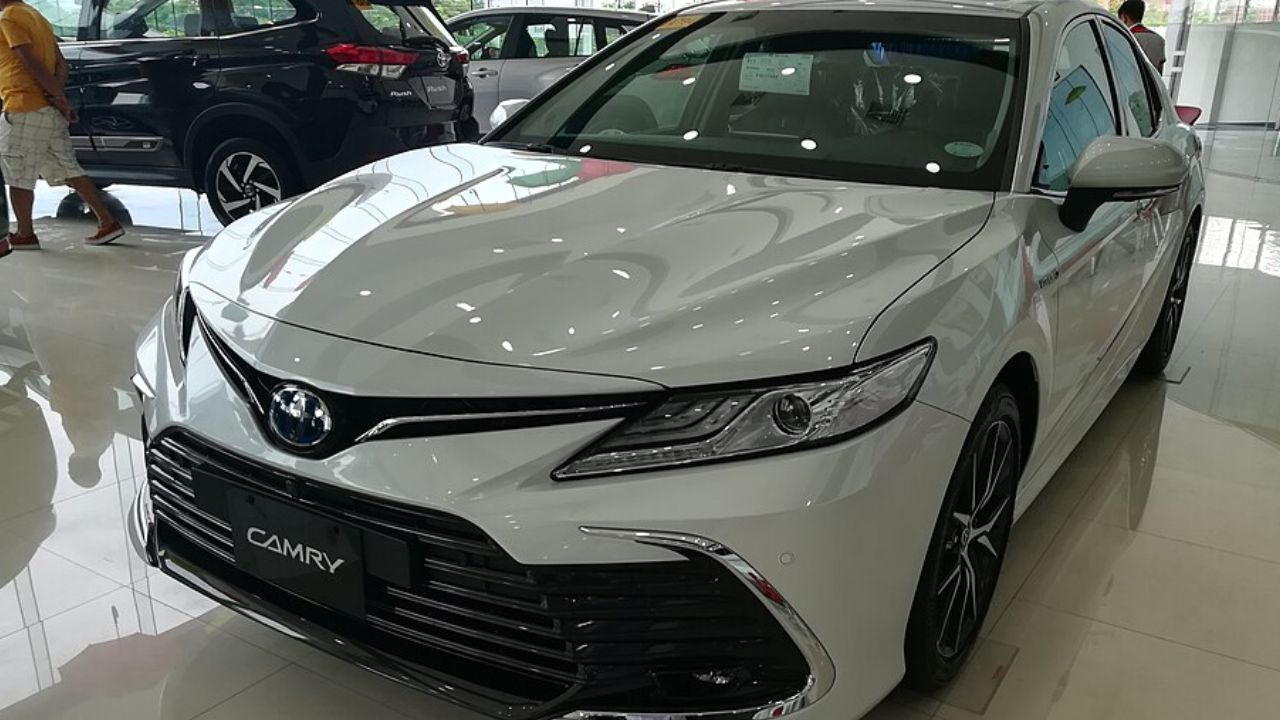
It’s also crucial to check for any outstanding recalls that could affect the vehicle’s safety or performance. Manufacturers may issue recalls for specific models to address defects or safety concerns. For instance, a 2023 Toyota Camry Hybrid may have recalls that need attention. Ensuring all recall work has been completed will give you peace of mind and ensure the vehicle meets safety standards.

Assessing Long-Term Costs
Before purchasing a high-mileage hybrid, consider the long-term costs associated with ownership. Insurance rates can vary significantly based on the vehicle’s make, model, and year. For example, insuring a 2024 Subaru Crosstrek Hybrid may differ in cost from insuring an older model. It’s wise to compare quotes from different providers to find the best rate.
Budgeting for potential repairs is also essential, especially if the vehicle is no longer under warranty. High-mileage vehicles, like a 2025 Nissan Rogue Hybrid, may require more frequent maintenance and repairs. It’s prudent to set aside funds for unexpected expenses, like replacing worn-out parts or addressing mechanical issues that arise over time.
Fuel efficiency remains a significant advantage of hybrid vehicles. Despite having high mileage, hybrids can still offer excellent fuel savings compared to traditional gasoline vehicles. A vehicle like the 2020 Ford Escape Hybrid can help you save on gas in the long run, thanks to its efficient use of both electric and gasoline power. Over time, these savings can offset the higher initial cost of purchasing a hybrid.
Making the Purchase
Once you’ve found a high-mileage hybrid that meets your criteria, it’s time to focus on negotiating the best price. The vehicle’s condition and market value should guide your negotiation strategy. For instance, if you’re considering a 2019 Toyota RAV4 Hybrid, research its market value and use any identified issues or high mileage as leverage to negotiate a better deal.
Consider the advantages of certified pre-owned (CPO) options, which often come with warranties and assurances. A certified pre-owned 2018 Honda Insight, for example, might include an extended warranty and a multi-point inspection, providing added confidence in your purchase. CPO vehicles are typically in better condition and have undergone thorough inspections by the manufacturer.
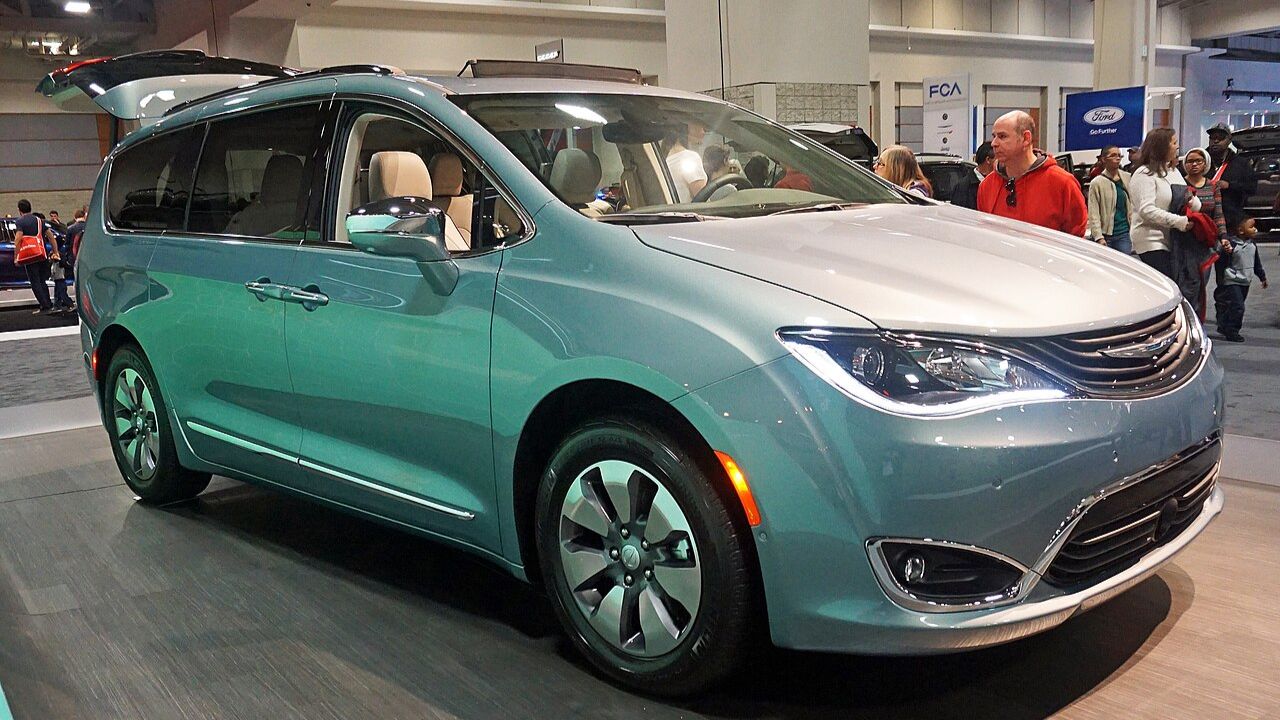
Finally, explore financing and payment options that suit your budget needs. Whether you opt for a loan, lease, or full payment, understanding your financial options is crucial. Many dealerships offer competitive financing rates for used hybrids, including options for the 2017 Chrysler Pacifica Hybrid. It’s important to review these options and choose a payment plan that aligns with your financial situation.
More from Fast Lane Only: