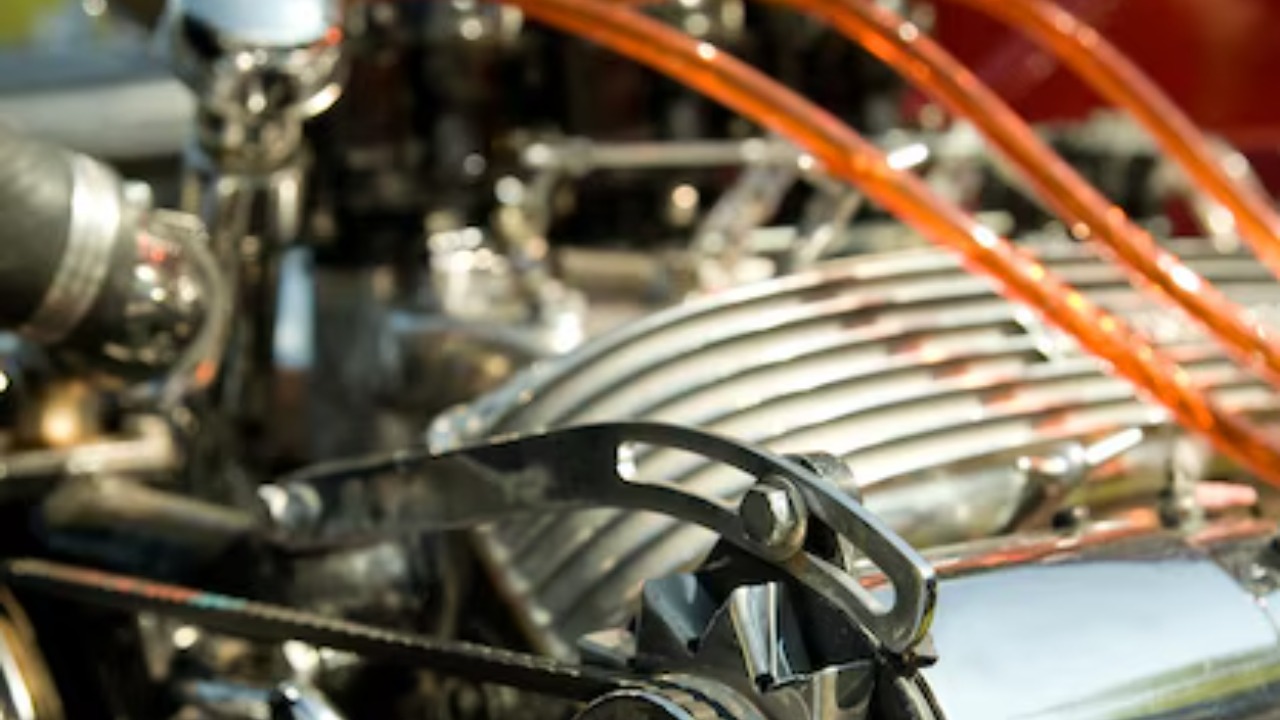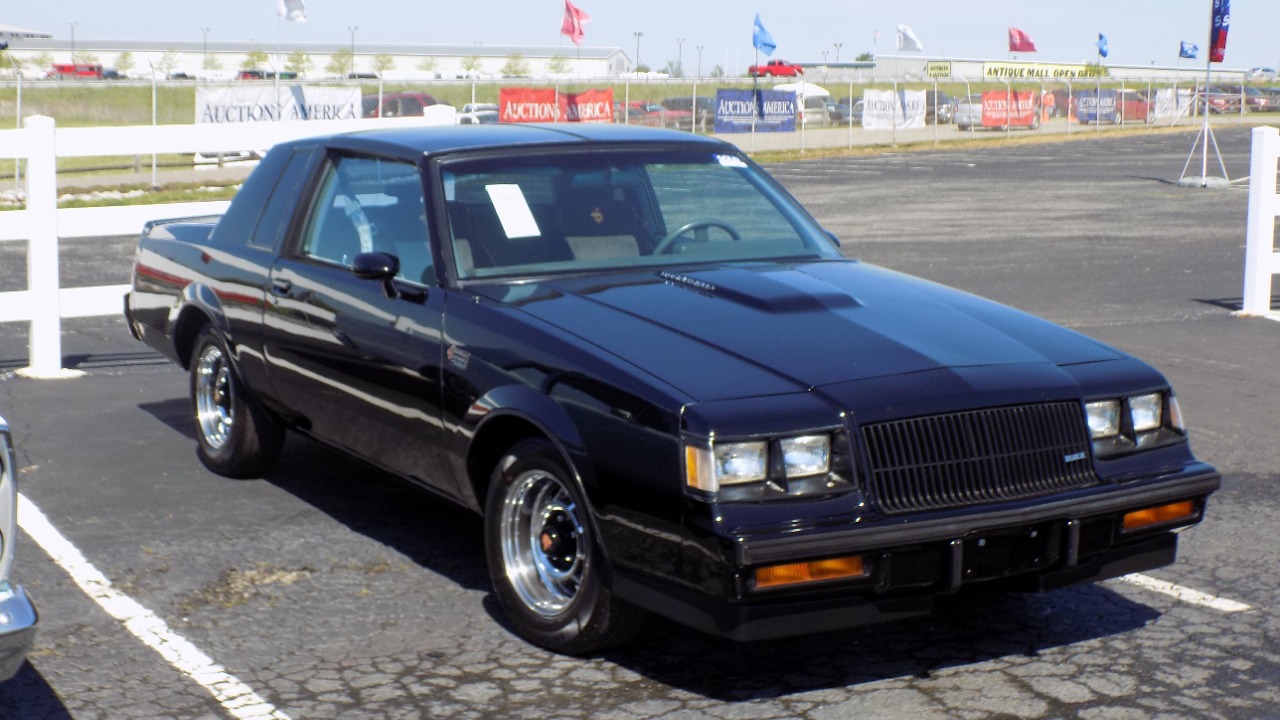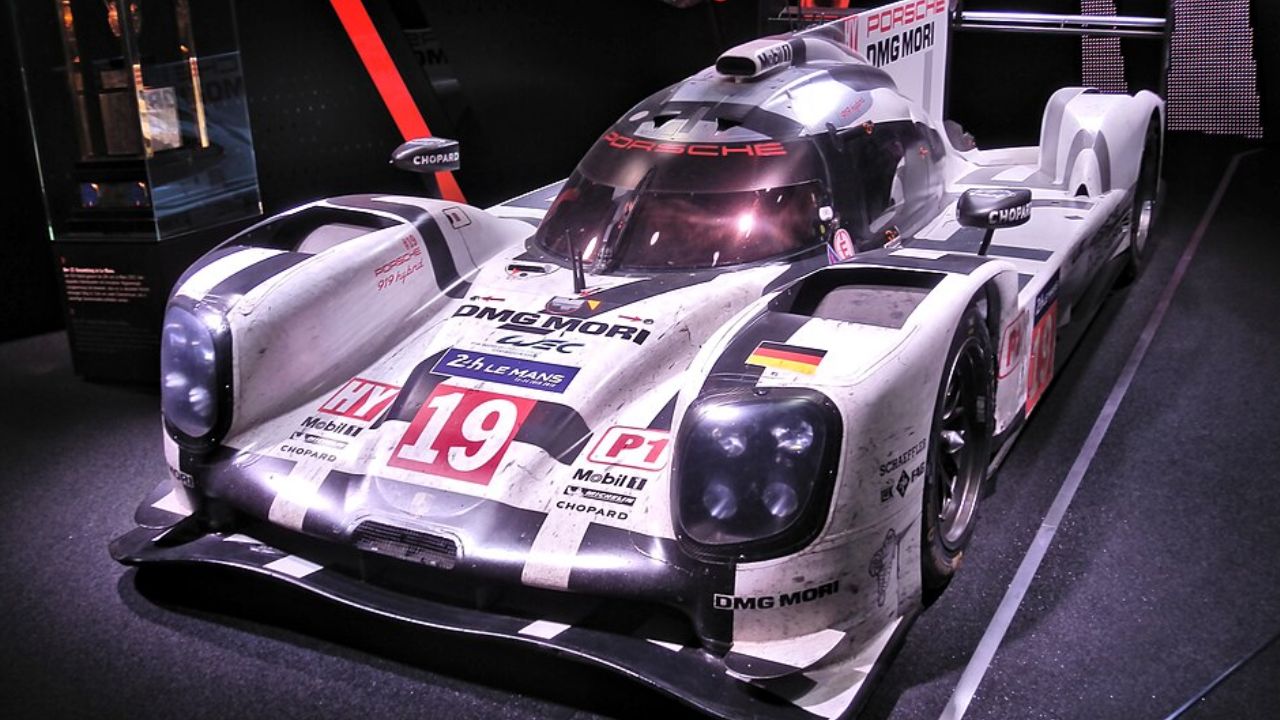
The evolution of motorsport has always been driven by technological advancements, and hybrids are the latest frontier reshaping the landscape. As hybrid technology becomes increasingly prevalent on the grid, the future of motorsport is poised for a transformation. The current state of hybrids in motorsport and what the future holds for this innovative technology sparks considerable interest among enthusiasts and industry experts alike.
The Rise of Hybrids in Motorsport
Hybrid technology made its grand entrance into the motorsport arena in the early 21st century, with the Toyota Prius Hybrid in 1997 serving as a precursor to what was to come. However, it wasn’t until the 2010s that hybrids truly began to revolutionize racing. The 2012 Formula 1 season marked the introduction of the Kinetic Energy Recovery System (KERS), allowing cars to harness and reuse energy typically lost during braking. This innovation paved the way for more integrated hybrid systems that we see today.
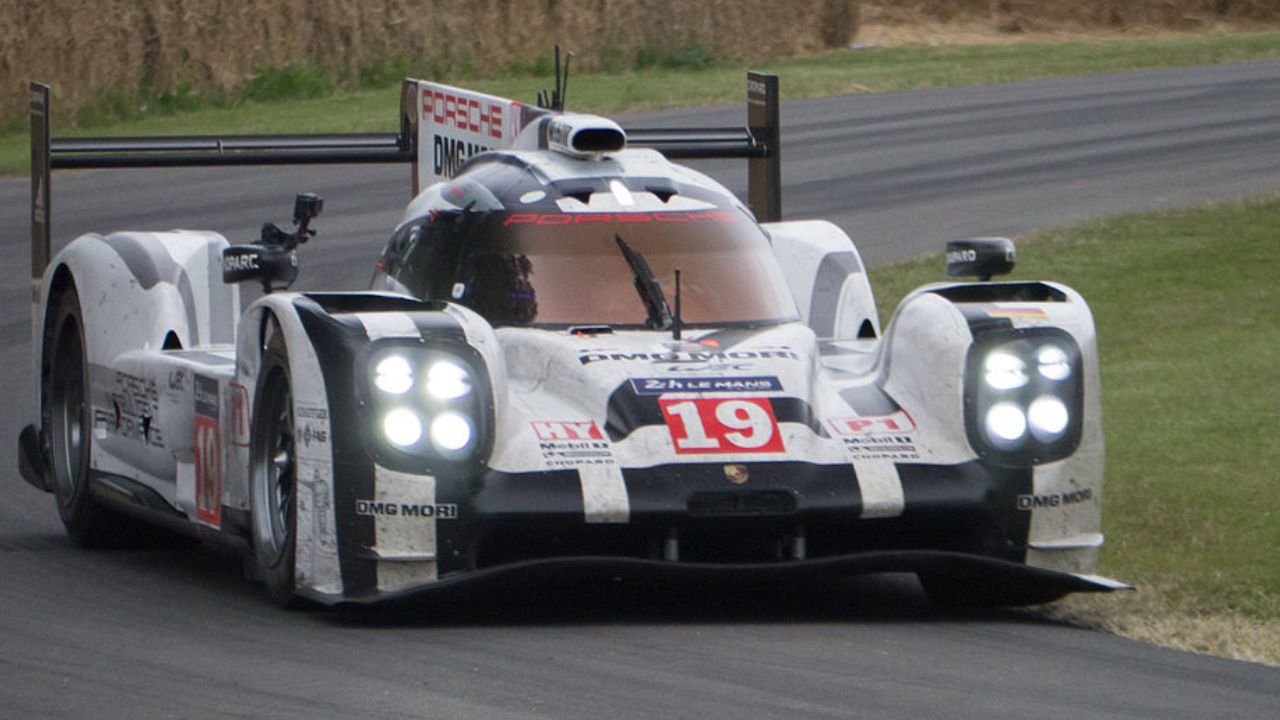
Significant milestones have underscored the rise of hybrids, most notably in events like the 24 Hours of Le Mans. The 2015 Porsche 919 Hybrid victory heralded a new era where hybrid vehicles could compete at the highest level of endurance racing. These successes have led to an increased presence of hybrids in major racing series, including Formula 1, where teams like Mercedes have dominated with hybrid power units. The current landscape sees nearly every team on the grid utilizing some form of hybrid technology, underscoring its importance in modern racing.
Technological Innovations Driving Hybrids
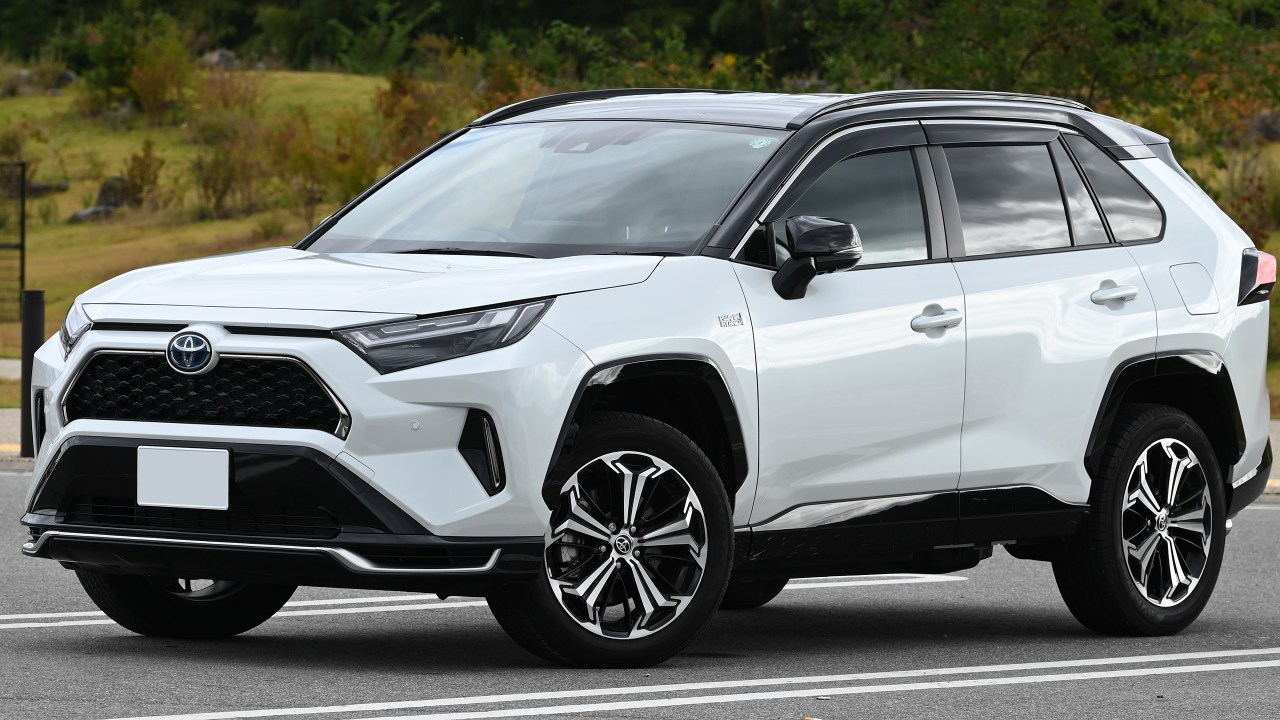
Advancements in battery technology have been pivotal in the development of hybrid vehicles, both on and off the track. The emphasis on energy storage and efficiency has led to lighter, more powerful batteries that offer improved performance. For instance, the 2021 Toyota RAV4 Prime showcases how these advancements translate into superior energy management and longer electric range, a direct result of innovations first tested in racing environments.
Electric motor improvements have also played a critical role in the evolution of hybrids. These enhancements allow for seamless integration with traditional internal combustion engines, resulting in a harmonious blend of power and efficiency. The 2020 Honda CR-V Hybrid exemplifies how motorsport innovations trickle down to consumer vehicles, offering improved performance metrics. Additionally, the use of advanced telemetry and software analytics has enabled teams to optimize hybrid systems in real-time, ensuring peak performance during races.
Challenges and Criticisms
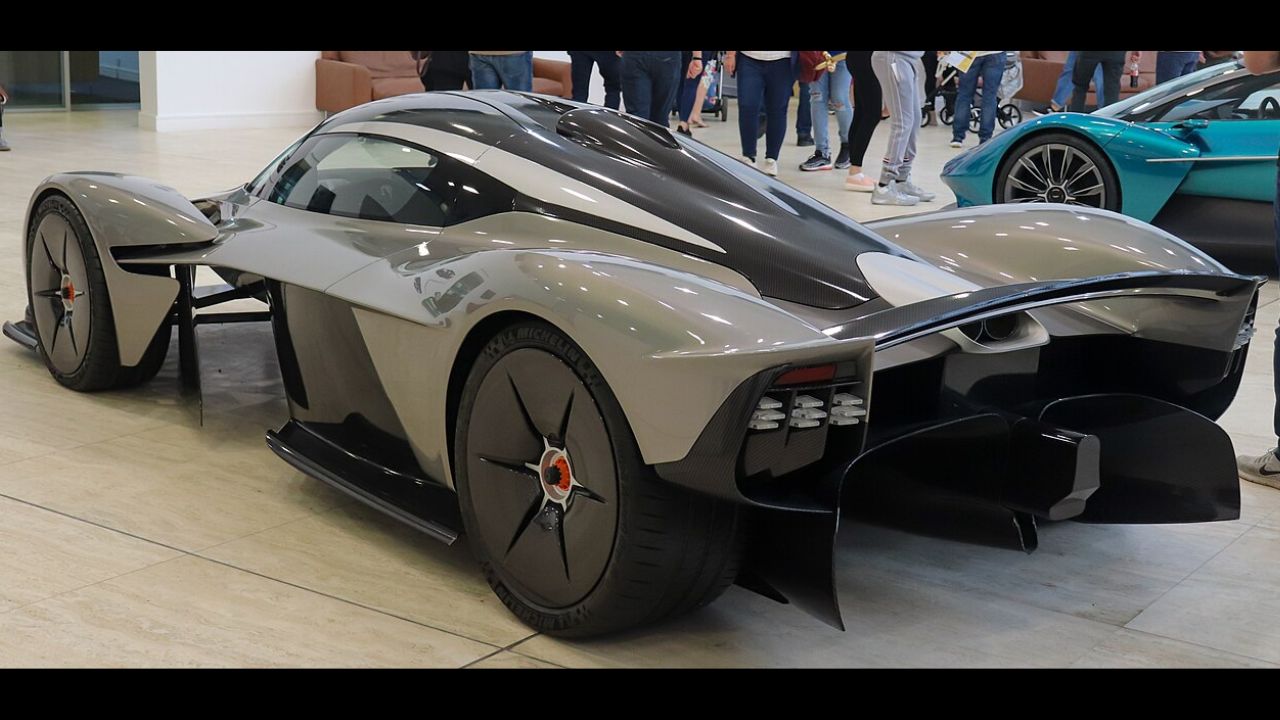
Despite the technological leaps, hybrids in motorsport face several challenges and criticisms. The cost implications of developing and maintaining hybrid systems can be significant, posing financial burdens on smaller teams. This disparity can affect competition, leading to a gap between well-funded teams and their less financially robust counterparts. The 2019 Aston Martin Valkyrie, with its hybrid setup, illustrates the premium costs associated with cutting-edge technology.
Environmental concerns also persist, as the true green credentials of hybrid technology are scrutinized. While hybrids reduce emissions, the environmental impact of battery production and disposal cannot be ignored. Furthermore, the reception among fans is mixed. Some enthusiasts appreciate the technological advancements, while others lament the loss of the visceral sounds and raw performance of traditional engines. These perspectives can influence the sport’s popularity, as seen in the varied reception of the 2018 BMW i8, a hybrid sports car that evoked both admiration and critique.
The Future of Hybrids in Racing
Regulatory changes are continually shaping the hybrid landscape in motorsport, with governing bodies like the FIA pushing for more sustainable practices. These changes could lead to more stringent hybrid regulations, encouraging further innovation. The potential integration of emerging technologies, such as Artificial Intelligence and autonomous systems, presents exciting possibilities for hybrid racing. The 2023 Tesla Model S Plaid, with its advanced autopilot features, hints at what future hybrid race cars might incorporate.
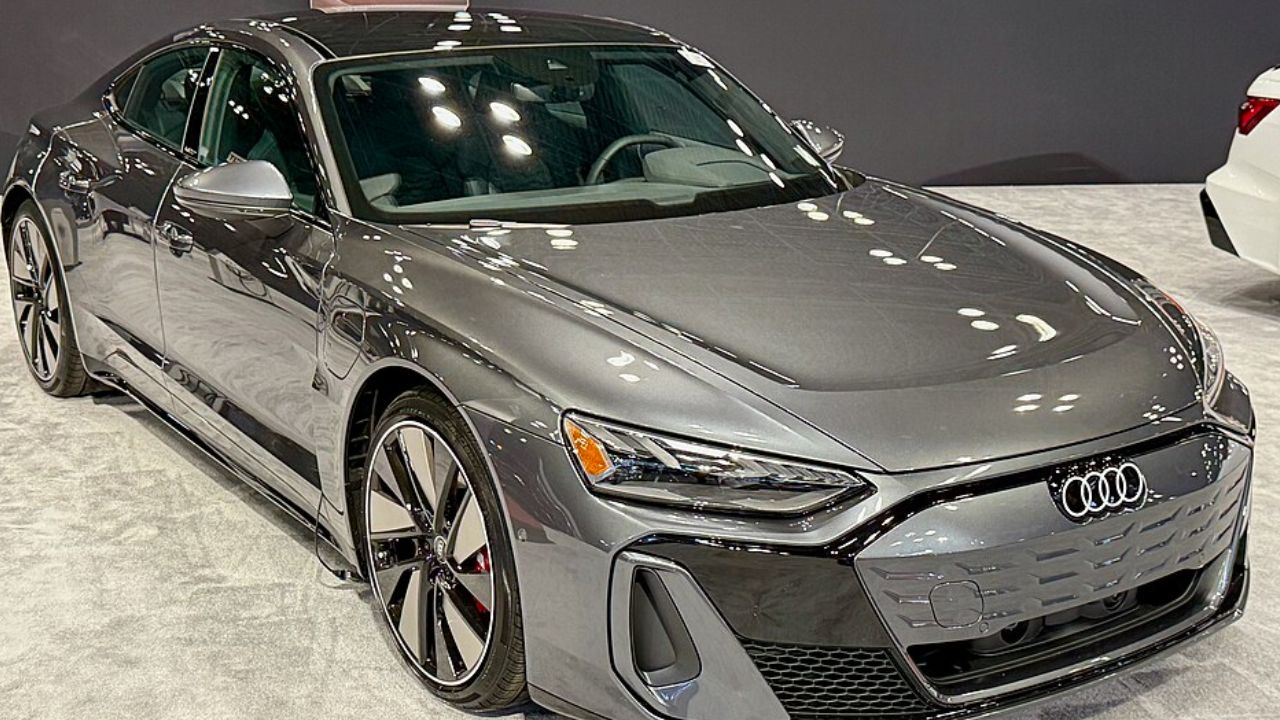
The expansion into new racing formats is another avenue for hybrids. Electric and hybrid series, such as Formula E, have already established themselves as standalone events, showcasing the potential for growth in this sector. These series provide a platform for manufacturers to experiment with hybrid technology in a competitive setting, pushing the boundaries of what’s possible. The 2025 Audi e-tron GT serves as a testament to the direction hybrid racing could take, blending electric power with high-performance capabilities.
Impact on Road Cars and Beyond
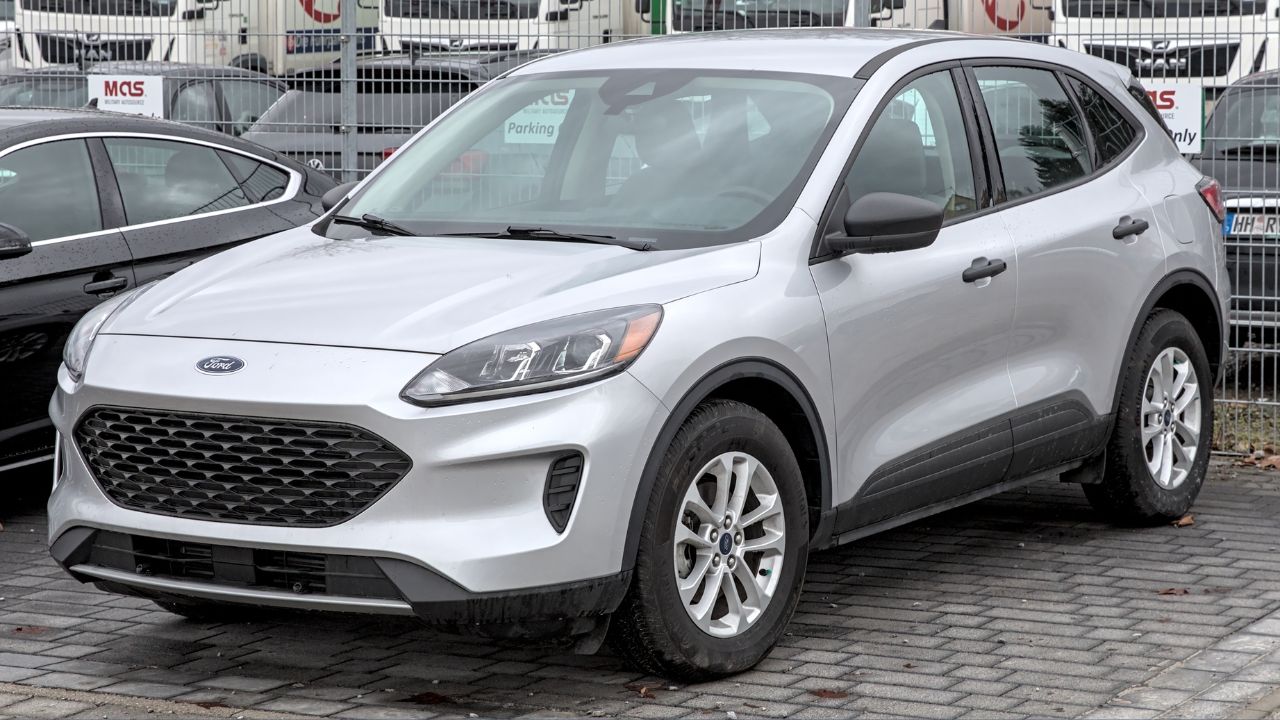
The influence of hybrid technology in motorsport extends far beyond the race track, impacting the consumer automotive market significantly. Technology transfer from racing to road cars is a well-trodden path, with innovations such as regenerative braking and advanced energy management systems finding their way into everyday vehicles. The 2022 Ford Escape Hybrid is a prime example of how these technologies enhance fuel efficiency and performance in consumer cars.
Sustainability goals are increasingly at the forefront of automotive development, and hybrid racing plays a crucial role in achieving these objectives. By showcasing the potential for reduced emissions and improved efficiency, hybrid racing can drive broader environmental targets. Moreover, the implications of hybrid technology extend to other industries, influencing sectors like aerospace and marine engineering. The 2017 Boeing 787 Dreamliner, with its hybrid electric propulsion research, highlights the cross-industry impact of these advancements.
More from Fast Lane Only: