A driver who thought he had found a James Bond style way to glide through tolls without paying is now a case study in how quickly gadget bravado can collapse under real world scrutiny. His remote controlled license plate cover worked just long enough to rack up attention online and on the road, before a routine police stop exposed the trick and turned a clever hack into a stack of charges.
The story fits into a broader pattern that stretches from Texas to New York and beyond, where motorists are importing spy movie fantasies into everyday traffic, using hidden curtains and plate flippers to dodge automated cameras. Instead of outsmarting the system, they are discovering that toll agencies and highway patrol units are quietly adapting, treating these gizmos not as harmless toys but as tools of fraud.
The viral Lexus and its “007” style disappearing plate
The most recent example unfolded in Australia, where a Lexus driver became internet famous for a license plate that seemed to vanish on command. Video of the car showed The Lexus gliding past cameras with what looked like a blank rear end, the plate area obscured so completely that automated readers had nothing to scan. The clip spread quickly, celebrated in some corners as a clever hack, and it set the stage for a very public fall from grace once authorities caught up.
According to reporting on the case, The NSW Police Force, through its Traffic and Highway Patrol Command, eventually tracked down the 22 year old driver in Stanmore, a suburb in Sydney’s inner west. When officers examined the vehicle, they found a remote controlled stealth plate curtain device that could be raised or lowered at the push of a button, effectively hiding the registration from toll cameras and enforcement officers. Police seized the illegal setup and issued nine separate infringement notices tied to the gadget and related violations, a response that underscored how seriously they viewed what might look, at first glance, like a prank.
How the “stealth curtain” fooled cameras, then betrayed its owner
The technology behind the Lexus trick was simple enough to seem almost low tech, which is part of why it worked. Instead of sophisticated jamming or digital spoofing, the driver relied on a physical curtain that could slide over the plate, leaving the mounting area looking blank to anyone following behind. In the viral footage, the Lexus’s license plate appeared blank as it moved, giving the impression of a ghost car that toll gantries and speed cameras could not identify.
The same simplicity that made the device effective also made it fragile. In one account of the stop, an officer inspecting the rear of the car remarked on how “dodgy” the setup looked, only for the real number plate to reveal itself as the mechanism cycled. That moment, when the hidden registration suddenly appeared, turned a vague suspicion into concrete evidence of deliberate evasion. Once the curtain was exposed as a remote controlled system rather than a broken bracket or missing plate, Police had little difficulty justifying the seizure of the hardware and the series of penalties that followed.
From Texas to the George Washington Bridge, a growing pattern
The Lexus case is not an isolated curiosity, and the pattern that emerges from other jurisdictions shows how quickly these gadgets can escalate from novelty to criminal liability. In Texas, a driver named Preston Cody Talbot was arrested after authorities discovered he had been using what was described as James Bond technology to hide his license plate while driving through toll lanes. Investigators said he deployed a plate “flipper” to avoid paying tolls and, by the time he was caught, he reportedly owed $5,400 in unpaid charges, a figure that turned a private scheme into a very public bill.
On the opposite side of the country, a driver crossing the George Washington Bridge was taken into custody after officers spotted a device attached to his plate that could obstruct it on demand. His arrest came as the Port Authority announced that it had recovered more than $25 million from toll evaders over the previous year, a reminder that individual stunts add up to a significant hit on public infrastructure budgets. In that New York case, His alleged use of a plate gadget was treated alongside other offenses, including issues with registration and an insurance card, reinforcing the idea that people willing to hide their plates are often cutting corners elsewhere too.
Why Bond style car tricks are so tempting
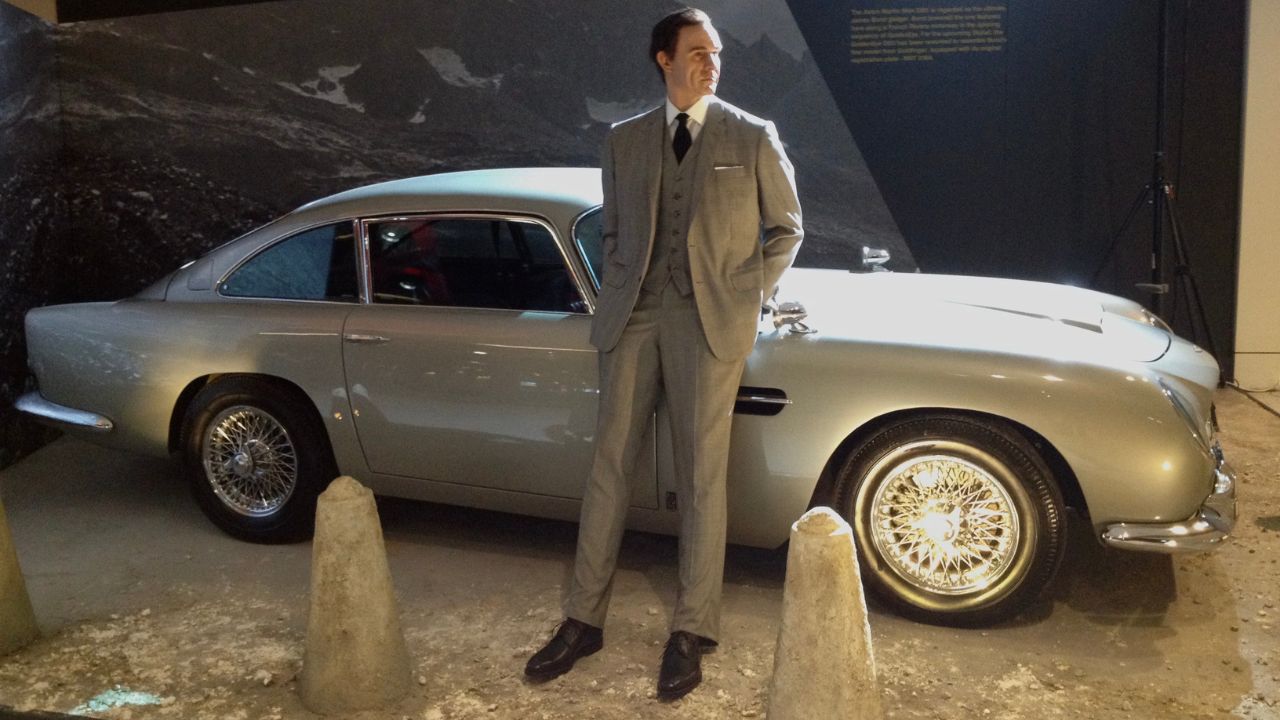
Part of the appeal of these devices lies in the cultural cachet of spy cars and cinematic gadgets. The British spy at the center of the James Bond franchise has driven some of the most elaborate fantasy vehicles in film, from Aston Martins with rotating plates to coupes fitted with smoke screens and ejector seats. Those scenes have helped normalize the idea that a car can be both transportation and a toolkit, accessorized with hidden mechanisms that give the driver an edge over pursuers or surveillance.
When that fantasy collides with real world toll systems, the result is a kind of amateur espionage, with drivers convincing themselves that a curtain or flipper is a clever workaround rather than a form of fraud. The Texas case, where a man leaned on James Bond inspired hardware and ended up facing arrest and a $5,400 debt, shows how quickly the fantasy collapses once law enforcement gets involved. The Lexus driver in Stanmore followed a similar script, embracing a 007 style disappearing plate only to discover that Traffic and Highway Patrol Command officers were less impressed by the ingenuity than by the intent to avoid paying for public roads.
Police tactics and public backlash in the age of viral stunts

Law enforcement agencies are increasingly aware that traffic violations now play out in the court of public opinion as much as in local magistrates’ courts. The Lexus case only reached officers’ radar after the disappearing plate video went viral, which meant that by the time The NSW Police Force intervened, the driver’s stunt had already been celebrated and dissected online. When Traffic and Highway Patrol Command publicized the outcome, including the seizure of the device and the nine infringement notices, it sent a message not just to one motorist in Stanmore but to anyone considering a similar trick.
That approach mirrors other recent examples where officers have used viral clips as both evidence and teaching tools. In a separate incident unrelated to tolls, an RPF officer in India used a staged phone snatching demonstration on a train to warn a passenger about theft risks, a moment that was captured on video and quickly circulated online. The clip drew praise for its creative, low key style of enforcement, and it illustrated how police can harness the same platforms that glamorize risky behavior to promote safer habits instead. In the context of toll evasion, publicizing the downfall of gadget reliant drivers serves a similar purpose, turning what might have been a quiet citation into a cautionary tale.
The real costs of “invisible” plates
Behind the spectacle of remote controlled curtains and Bond inspired flippers sits a straightforward financial reality. Toll systems are designed to spread the cost of building and maintaining roads, bridges, and tunnels across the people who use them. When a Texas driver uses a hidden mechanism to slip through gantries and ends up owing $5,400, or when the Port Authority reports more than $25 million recovered from toll evaders in a single year, those numbers represent money that would otherwise have to be made up by compliant drivers or taxpayers.
There is also a safety dimension that often gets lost in the gadget talk. A car with a concealed or unreadable plate is harder to trace in the event of a crash, a hit and run, or a more serious crime. The Lexus in Stanmore did not just deprive toll operators of revenue when its plate appeared blank, it also undermined the basic system that allows authorities to link vehicles to owners. That is one reason Police in the Australian case treated the remote controlled stealth plate curtain device as an illegal modification rather than a harmless novelty, and why similar gadgets on the George Washington Bridge and in Texas have led to arrests instead of warnings.
Why the gadgets keep failing their owners
For all the ingenuity that goes into hiding a plate, the weak point in every case has been human behavior. The Lexus driver drew attention by showing off the disappearing plate in traffic, inviting scrutiny from both other motorists and, eventually, The NSW Police Force. Preston Cody Talbot’s use of a flipper in Texas left a digital trail of unpaid tolls that was impossible to reconcile with the registration on file, and the driver on the George Washington Bridge had to physically activate his device in a heavily monitored corridor controlled by the Port Authority.
These cases suggest that the real vulnerability is not the hardware but the assumption that a clever mechanism can erase accountability. Automated toll systems are backed by investigators, auditors, and patrol units that look for anomalies, whether it is a Lexus whose plate appears blank in footage or a pattern of crossings that never generate a bill. Once officers like those in Traffic and Highway Patrol Command or bridge enforcement units start asking why a car seems invisible to cameras, the same gadgets that once provided cover become incriminating evidence, neatly wired and ready to be photographed, seized, and presented in court.