Toyota is no longer content to play the value hero on the sidelines of the supercar world. With the GR GT, it is stepping directly into the arena of front‑engined, rear‑drive exotics, pairing a hybrid twin‑turbo V8 with race‑car development methods to challenge the segment’s most established names. The result is a flagship that aims to blend motorsport grit, road‑trip usability, and six‑figure theater in a way that feels very different from the brand’s past performance icons.
Instead of chasing headline numbers for their own sake, the GR GT has been engineered as a road‑legal extension of Toyota’s GT3 ambitions, with its powertrain, chassis, and aero all shaped by competition targets. It is priced and positioned to sit alongside European elites, yet it leans heavily on Toyota’s own heritage, from the 2000GT to the Lexus LFA, to justify its place at the top of the company’s performance pyramid.
The hybrid twin‑turbo V8 at the heart of the GR GT
The core of the GR GT story is its new twin‑turbocharged V8 hybrid, a powertrain designed to deliver supercar performance while aligning with modern efficiency and racing regulations. Reporting describes the engine as a 4.0‑liter V8 paired with an electrified system, targeting around 650 hp in road trim to put it squarely in the firing line of cars like the Mercedes‑AMG GT and Porsche 911. The combustion engine drives the rear wheels, with the hybrid assistance tuned less for silent EV creeping and more for instant torque fill and sharper throttle response that suits both track work and fast road driving, a philosophy that reflects Toyota’s motorsport‑first approach to electrification in this car.
Engineers have not treated this as a standalone halo motor, but as a unit that must also satisfy GT3 competition rules, which is why the layout and displacement are configured to be adaptable for racing. The GR GT’s V8 is expected to share its basic architecture with the GR GT3 racer, allowing Toyota to amortize development while ensuring that lessons from the track feed directly into the road car. Official material notes that The GR GT has been repeatedly honed, driven to failure, and repaired in the same spirit as other GR models, a process that underpins the durability of the hybrid system and the combustion engine under sustained high‑load use. By anchoring the car’s identity in this hybrid twin‑turbo V8, Toyota is signaling that its future performance flagships will not abandon internal combustion, but will instead use electrification as a force multiplier.
Race‑car development, road‑car usability
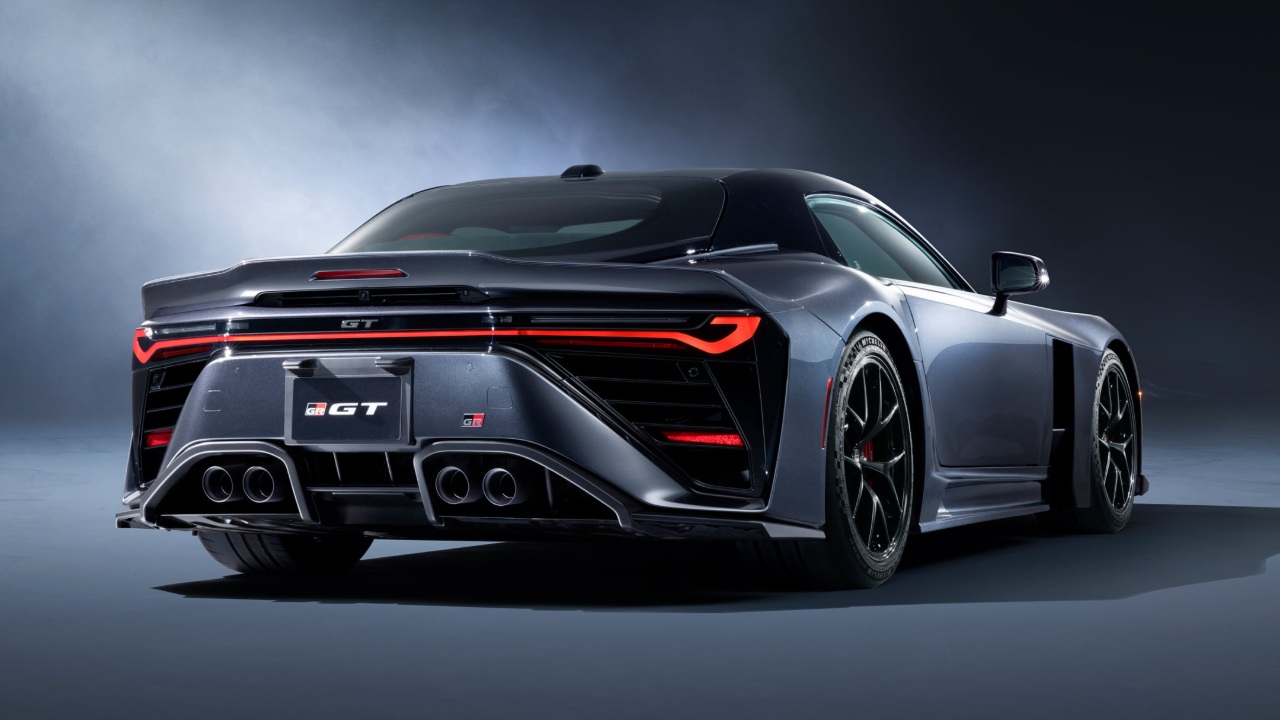
From the outset, Toyota has framed the GR GT as a race‑bred machine that still has to function as a road car, and the development story backs that up. Company statements describe how the GR GT and its GT3 sibling were subjected to an aggressive cycle of testing, being “repeatedly honed, driven to failure, and repaired” to make them intensely robust for both circuit and street use. That process mirrors the way Toyota GAZOO Racing has developed its endurance racers, and it helps explain why the GR GT’s chassis and aero have been shaped around performance targets rather than styling whims. The exterior proportions, long hood, and cab‑back stance clearly draw inspiration from GT racing silhouettes, while the details, from the venting to the rear diffuser, are there to manage airflow and cooling for a front‑mounted V8 that will see serious track time.
At the same time, Toyota has made a point of keeping the GR GT livable enough that owners will actually drive it. Reports highlight that the car uses an aluminum spaceframe rather than a full carbon tub, a first for Toyota in this segment that helps keep weight down, rigidity up, and cost in check compared with more exotic construction. Inside, the cockpit is described as focused but not stripped bare, with physical controls, clear instrumentation, and steering‑wheel knobs that let drivers adjust key settings without diving into menus. The target curb weight is 3,858 pounds or lower, with a front‑rear weight distribution of 45:55, figures that show how Toyota is trying to balance the demands of a hybrid system with the need for agility and predictable handling on real roads as well as circuits.
Benchmarking the supercar establishment
Toyota is not shy about the rivals it has in mind for the GR GT, and that clarity of target has shaped the car’s specification and pricing. Engineers, including Doi and colleagues, have openly referenced benchmark testing against established European GT cars, using them as yardsticks for steering feel, ride quality, and high‑speed stability. The GR GT is positioned as a rear‑wheel‑drive, V8‑powered rival to machines like the Aston Martin Vantage, Mercedes‑AMG GT, and Porsche 911, with its hybrid assistance intended to give it an edge in both straight‑line punch and efficiency. By calibrating the car against these benchmarks, Toyota is effectively declaring that the GR GT belongs in the same conversation as the traditional supercar elites, not as a quirky outlier.
Pricing strategy reinforces that ambition. Reporting on GR GT Pricing and Availability indicates that the car will sit in the $200,000‑plus bracket, a figure that would have sounded outlandish for a Toyota sports car not long ago but now reflects a market where six‑figure Ford and Toyota performance models are part of the landscape. The GR GT’s expected curb weight of around 3,847 to 3,858 pounds and a weight‑to‑power ratio in the neighborhood of 5.7 lb/hp place it right in the mix with its European rivals on paper. By aligning its performance metrics and price point with the likes of Mercedes, AMG, and Porsche, Toyota is signaling that this is not a bargain alternative, but a full‑strength contender that happens to wear a GR badge.
Design, packaging, and the GT3 connection
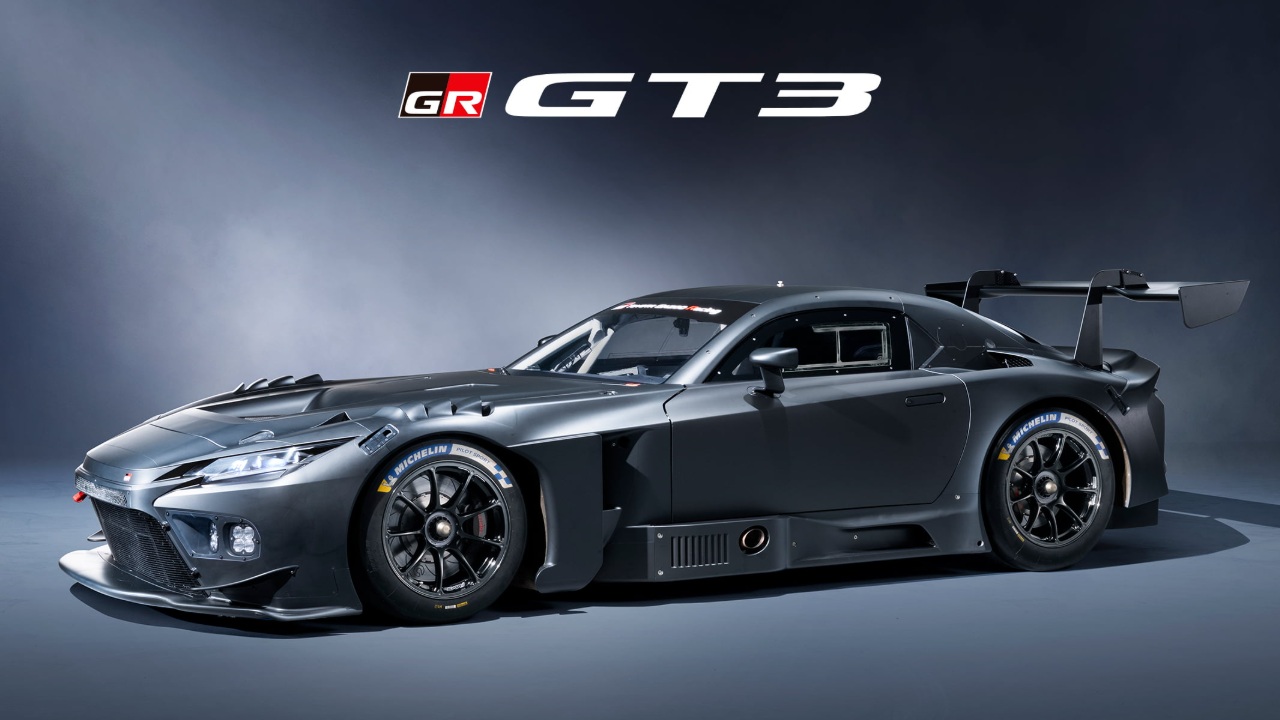
Visually, the GR GT is designed to look like a road‑going extension of Toyota’s GT3 program rather than a standalone styling exercise. The shape clearly draws inspiration from GT racing machinery, with a low nose, muscular rear haunches, and a long, vented hood that telegraphs the presence of a front‑mounted V8. The exterior was shaped around aerodynamic performance, cooling, and stability at speed, rather than pure style, which is why the car features functional intakes, a carefully sculpted rear diffuser, and a roofline that manages airflow to the rear wing elements. Toyota has confirmed the name of its flagship supercar as the GR GT and used a Japanese reveal to showcase how closely the road car’s proportions track with the GR GT3 racer that will compete in international series.
Under the skin, the packaging reflects that dual mission. Both the GR GT and its GT3 counterpart use forged aluminum components front and rear to save weight and increase stiffness, while the hybrid system is integrated in a way that preserves a traditional front‑engine, rear‑drive balance. The target curb weight of 3,858 pounds or lower, combined with the 45:55 front‑rear distribution, suggests that the battery and electric hardware have been placed to help rotation rather than simply stuffed wherever space was available. Inside, the cabin layout is described as a two‑seat environment with a driving position and control scheme that echo race‑car ergonomics, yet it still offers enough comfort and refinement to justify the car’s role as a long‑distance GT. That blend of GT3‑inspired design and real‑world usability is central to how Toyota wants the GR GT to be perceived.
Heritage, positioning, and what the GR GT means for Toyota
The GR GT is not arriving in a vacuum. Toyota itself has framed the car as the spiritual child of the classic 2000GT and the Lexus LFA, two models that did more to shape the brand’s performance image than their limited production numbers might suggest. By invoking The Child Of 2000GT And LFA, Toyota is drawing a direct line from its past halo projects to this new hybrid V8 flagship, signaling that the GR GT is meant to carry forward the tradition of technically ambitious, emotionally charged sports cars. The company also wants it to serve as a showcase for its latest motorsports‑bred vehicle development techniques, using the car to demonstrate how lessons from endurance racing and GT competition can filter into a road‑legal product.
Positioned as a New Toyota GR GT V8 supercar that will arrive within the next couple of years, the car is expected to rival Mercedes, AMG, and Porsche products not only on performance but also on brand cachet. Toyota leans heavily into the road‑legal race car vibe, blending sport and luxury so that the GR GT feels as special on a boulevard as it does on a pit lane. For a company that has spent decades building its reputation on reliability and value, committing to a $200,000‑plus, V8‑hybrid, rear‑drive supercar is a statement of intent. It shows that Toyota is willing to invest in emotional, low‑volume projects to keep enthusiasts engaged, to support its GT3 racing efforts, and to prove that its engineering depth extends far beyond practical hybrids and family SUVs.