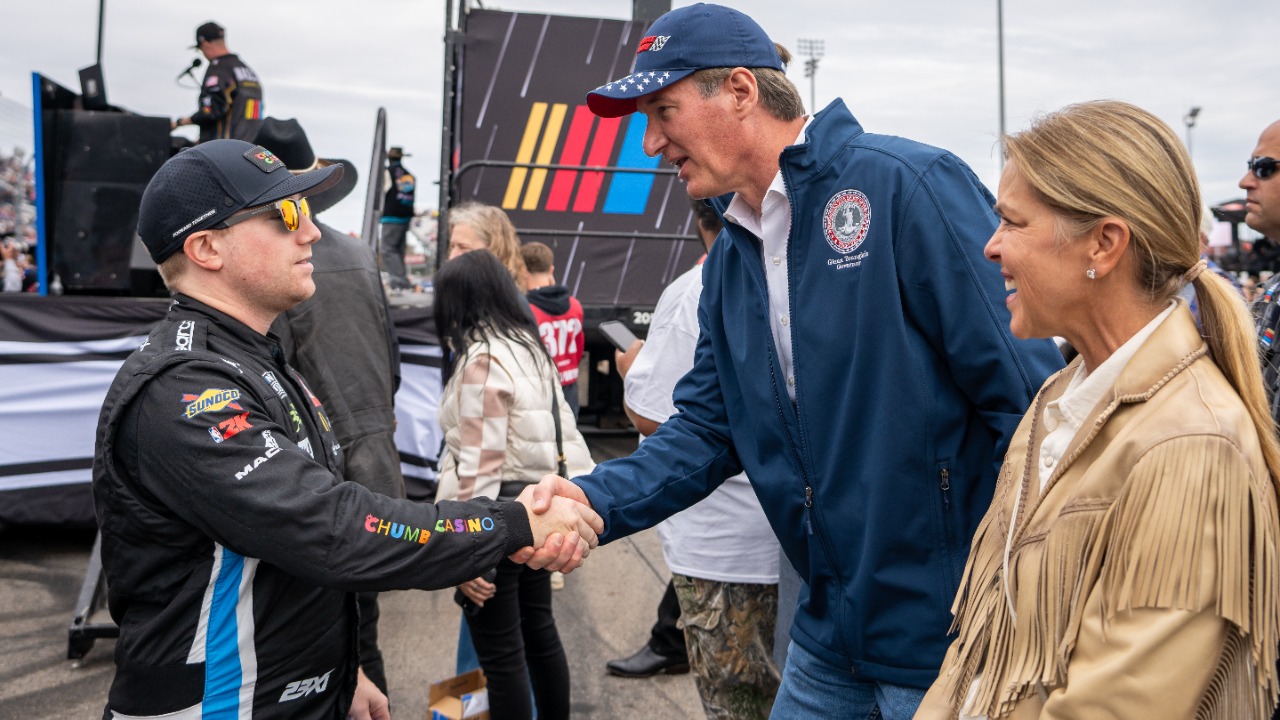
Tyler Reddick arrives in the Arizona desert attempting something that has eluded generations of stock car stars: a fourth consecutive NASCAR Cup Series victory to open a season. His surge has turned the Straight Talk Wireless 500 at Phoenix Raceway into an early measuring stick for how far one driver and one team can bend the sport’s competitive balance. The bid is rare, the stage is unforgiving, and the combination has transformed a routine spring stop into a potential inflection point for the entire garage.
The streak has already rewritten the modern record book, elevating Reddick from talented contender to central figure in NASCAR’s championship conversation. Now the question is whether his momentum can survive a track that has never been his best, under the weight of history and the scrutiny that comes with chasing a run usually reserved for the sport’s all-time greats.
History already made, and the scale of a fourth straight
Before the series even unloads in Avondale, Tyler Reddick has already crossed a threshold that no one in the modern era managed to reach. He opened the NASCAR Cup Series season with three consecutive victories, becoming the first driver to start a year with such a run and pushing his name alongside the short list of drivers who have ever captured four straight Cup events in any portion of a schedule. That surge has shaken the competitive assumptions of a field that expected parity from the current rules package, not a single car turning each weekend into a referendum on how long one heater can last.
The context around that achievement only heightens the stakes in Phoenix. Reddick’s wins have not come through fuel-mileage gambles or fluky weather; they have been described as history made in NASCAR, with the Austin triumph at Circuit of the Americas sealing the three-race sweep and inviting comparisons to streaks previously associated with Jimmie Johnson. Analysts have framed his current form as a tall tale in the making, noting that even at tracks with very different profiles, Reddick has found ways to control races and leave veterans recalibrating what is possible in the modern era of the Cup Series.
Why Phoenix Raceway is such a stern test
The pursuit of a fourth straight victory runs directly into one of the most idiosyncratic venues on the calendar. The site in Avondale, Arizona, is listed with the track as Phoenix Raceway, a one-mile oval with a dogleg frontstretch and shifting preferred grooves that punish any driver who is even slightly off on balance or track position. The Straight Talk Wireless 500 is scheduled for 312 laps, a full 312 miles of constant adjustment, where long green-flag runs expose any weakness in tire management or brake cooling, and the restarts funnel aggressive drivers into a narrow funnel entering Turn 1.
Reddick’s own record at Phoenix underscores why handicappers have been cautious about projecting a four-race sweep. In 12 previous starts at the desert oval, he has recorded a pair of third-place finishes, and none of those podiums arrived within the last three seasons of his current tenure with 23XI Rac. Even sympathetic observers have pointed out that his average finish there sits in the high teens, and that his strengths on high-speed intermediates and road courses do not automatically transfer to a track where corner-entry patience and center-turn security tend to decide who can challenge for the win.
The 23XI project, Michael Jordan’s stake, and a growing spotlight
The broader storyline around this streak reaches far beyond one driver’s stat line. Tyler George Reddick, an American professional stock car racer who competes full-time in the NASCAR Cup Series, is the centerpiece of an ambitious multi-car operation that has been built to contend for championships rather than simply participate. His surge has validated years of investment in personnel, simulation tools, and data programs that draw on feeds such as Google Sports to refine strategy and setup choices from one week to the next. Within that structure, Reddick has evolved from a prospect into the driver whose feedback and aggression define the organization’s competitive identity.
That transformation carries particular resonance because of the ownership group behind the car. Michael Jordan has a direct stake in Reddick’s success, and the run of three straight wins has put the NBA legend’s NASCAR project squarely in the national spotlight as the team powers into Phoenix. Local coverage has framed the weekend as a chance for Jordan and Tyler Reddick to chase a fourth NASCAR win in a row at Phoenix, a narrative that links the global celebrity of Jordan with the methodical rise of his driver. The combination has turned a once-niche motorsports venture into a mainstream storyline that stretches from the garage to broader sports talk, with every lap at Phoenix Raceway now doubling as a referendum on the viability of the entire 23XI model.
How rivals, numbers, and the Phoenix stage shape expectations
Inside the garage, competitors have responded to Reddick’s streak with a mix of admiration and urgency. Veteran Denny Hamlin left in awe at how Tyler Reddick turned three straight wins shake NASCAR history books, yet that respect has been paired with a clear understanding that the field cannot allow one team to dictate the early playoff picture. Statistical previews of the weekend have emphasized how many established contenders carry stronger historical numbers at Phoenix, and handicapping analyses have argued that, from a pure probability standpoint, the Straight Talk Wireless 500 is where regression should finally come into play at Phoenix. Those models point to the grind of 312 laps, the volatility of late restarts, and the strength of organizations that traditionally excel on flat one-mile tracks as counterweights to Reddick’s current form.
More from Fast Lane Only