A 1962 Valiant Signet hardtop looks like a dressed-up economy car, but the engine under its hood is the real story. Chrysler’s Slant Six leaned its cylinders 30 degrees to one side, and that odd posture became one of the most familiar sights under a Mopar hood.
The engine stayed around for decades. It powered compacts, family sedans, coupes and trucks, then kept working in boats, welders, combines and irrigation pumps. Of course, the cars wrapped around it varied a lot. Some were stylish, some were plain and a few had problems of their own.
These six are our picks for slant-six cars whose engines earned a reputation for simply refusing to quit. The verdicts are our opinion, and we make no mileage claims for any of them. Instead, the years, ratings and sales numbers come from Chrysler histories, Hagerty and owner-club records.
1. 1962 Plymouth Valiant V-200 Signet hardtop

For 1962, Plymouth put the Signet name on the Valiant two-door hardtop, and bucket seats arrived on the Valiant Signet 200, according to the Valiant.org model chronology. That year also brought an aluminum-block 225 to the option sheet. Valiant sales reached 154,294 for the year.
That aluminum engine is worth a closer look. According to Mac’s Motor City Garage, Chrysler built more than 50,000 die-cast aluminum blocks between 1961 and 1963. However, the cast-in iron liners tended to separate from the aluminum, and the block needed a special head gasket. By comparison, the iron engine was the tougher choice, with four main bearings, a deep-skirted block and a short, stiff crankshaft.
Our take is simple: if you want a Valiant Signet to drive, the iron-block engine is the one to find. The aluminum version is a fascinating footnote. Meanwhile, the iron one is the reason the engine’s name carries weight today. For the engineering backstory, see our piece on why Chrysler leaned its slant six 30 degrees.
2. 1961 Dodge Lancer 770 wagon
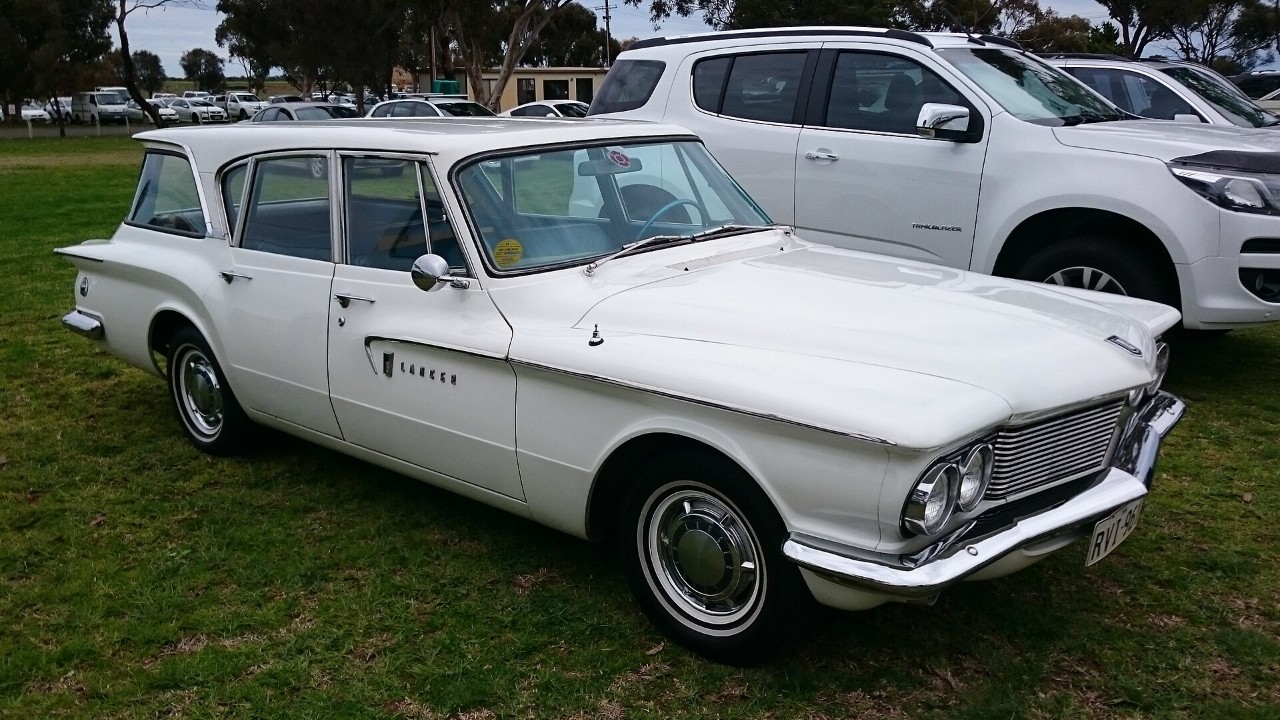
Dodge’s first compact arrived on September 25, 1960, and it shared a lot with the Valiant. According to Mac’s Motor City Garage, the Lancer used the same unibody platform, suspension and 106.5-inch wheelbase. Even so, most of its outer body panels were its own.
Buyers had two slant sixes to choose from. The 170-cubic-inch engine made 101 hp, while the 225 made 145 hp. A three-speed manual or a TorqueFlite automatic sent the power back. At the top of the price list sat the 770 station wagon at $2,423. Altogether, Dodge sold nearly 75,000 Lancers, about half of Valiant’s volume.
In our view, the wagon is the Lancer that shows the engine at its most useful. A family hauler lives a hard life of short trips, heavy loads and long highway runs. That is exactly where a lazy, torquey 225 makes sense. Chrysler designer and historian Jeff Godshall called the Lancer a “stopgap compact,” and Dodge replaced it with the Dart for 1963.
3. 1963 Dodge Dart 270
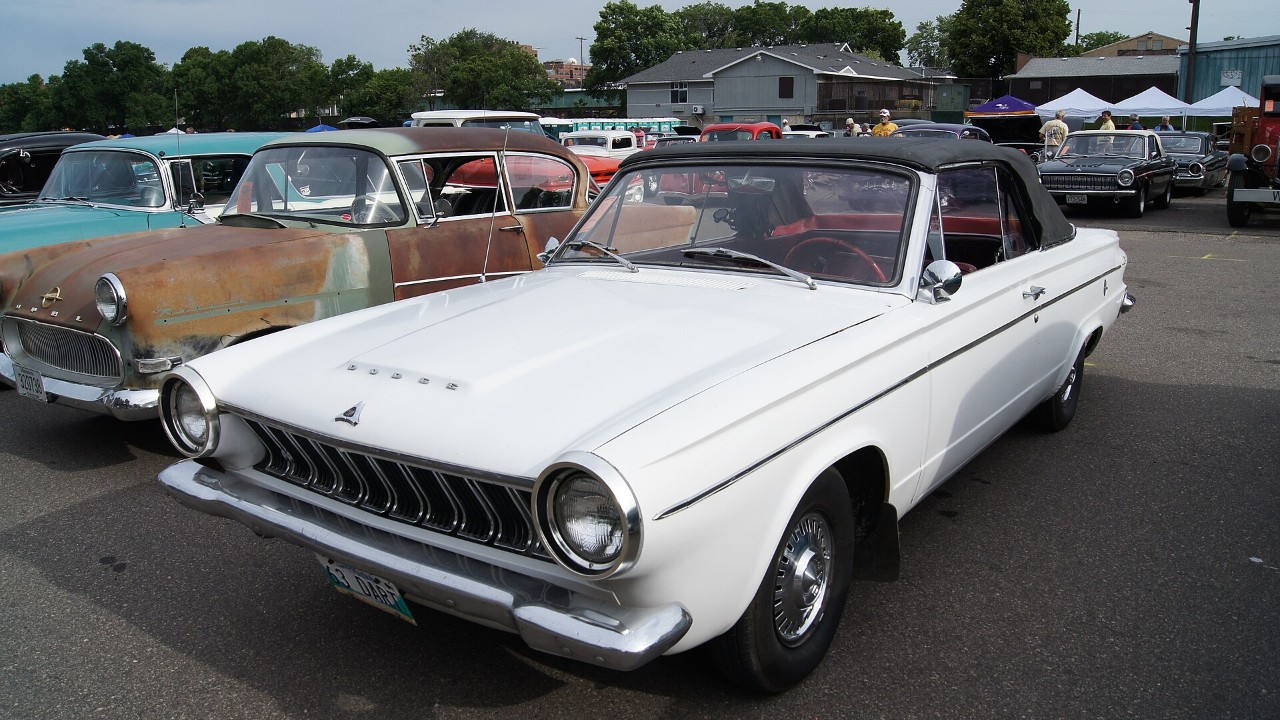
The Dart replaced the Lancer on October 2, 1962, and it grew in the right places. Mac’s Motor City Garage says the sedans rode a 111-inch wheelbase, while wagons kept the 106.5-inch chassis. The lineup ran from the 170 to the 270 and then the GT. Nearly 154,000 Darts found buyers in 1963, which was more than the 1961 and 1962 Lancers combined.
The 270 was the top sedan trim. According to Curbside Classic, the 101-hp 170 was standard and the 145-hp 225 was optional. In fact, most automatic Darts, apart from stripped models, came with the larger engine. In 1963, a 270 cost about $300 more than a comparable Valiant V200 sedan.
We think the 270 with the 225 is the sweet spot of the early Dart. It gives you the nicer cabin and the stronger six without the extra weight of a V8. Later Darts offered plenty of other engines, as our list of 10 engines Dodge put in the Dart shows. Still, the six is the one we’d pick for a car you plan to drive every day.
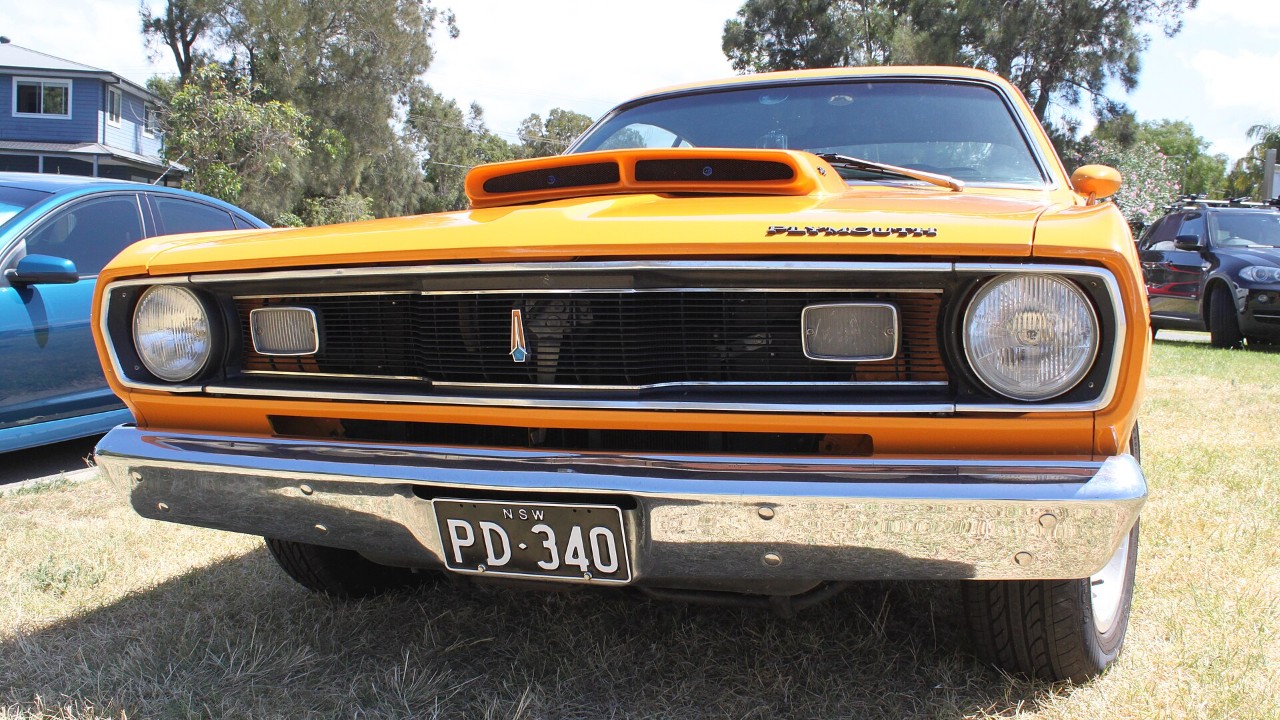
4. 1970 Plymouth Duster
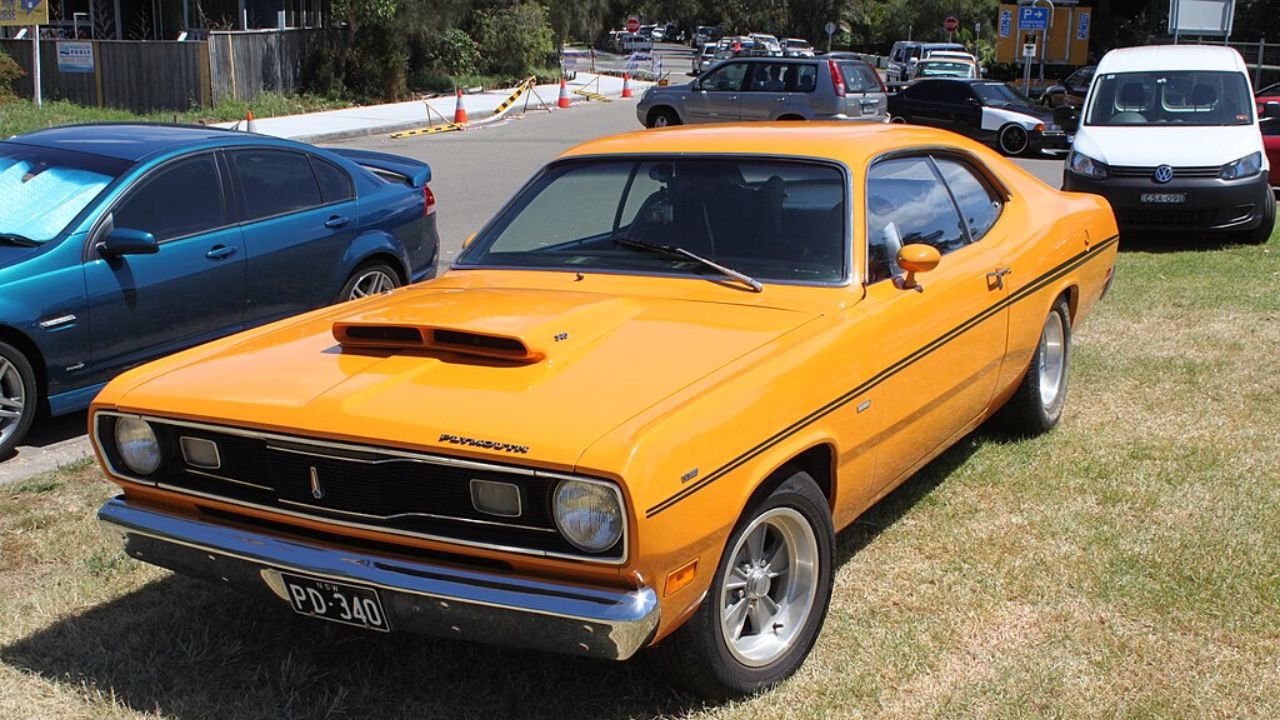
The Duster arrived for 1970 under the Valiant name, and buyers loved it. Valiant.org lists 193,375 Dusters for that first year, against 50,810 Valiant sedans. The 340 Duster, by contrast, accounted for 24,817 sales. As a result, most early Dusters left the showroom with something far humbler.
That humbler engine was new for 1970. The 198-cubic-inch slant six replaced the 170 as the base engine that year. According to Jalopnik, the 198 used the same block as the 225 with a shorter stroke. In other words, Chrysler took the bigger, stronger casting and simply downsized the crank throw.
Our view is that the base six-cylinder Duster deserves more credit than it gets. A 198 doesn’t win drag races, but it rides in a light car with a stout block that was designed for more displacement. If you want more Plymouth compact history, our roundup of 10 Valiants worth remembering covers the wider family.
5. 1976 Plymouth Volare
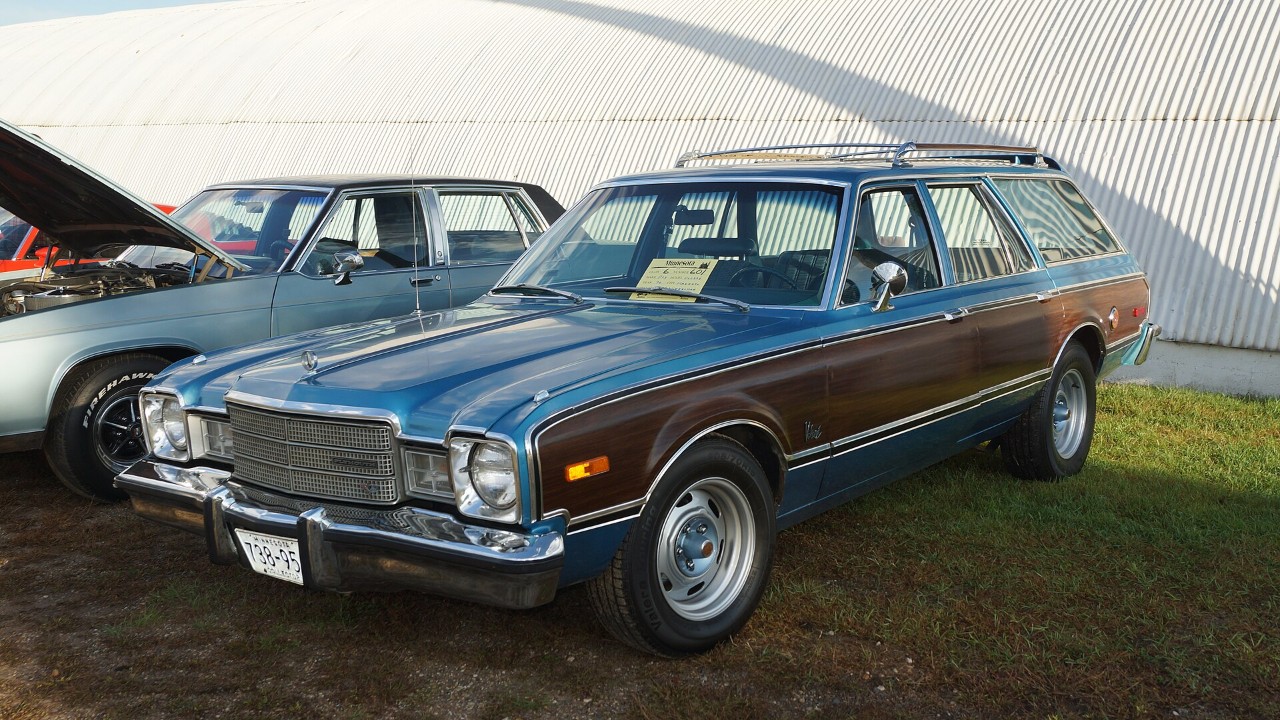
The Volare was supposed to be Plymouth’s fresh start for 1976. According to Hagerty, the standard engine was the 225 Slant Six at 100 hp. With the manual gearbox, Plymouth claimed 30 mpg on the highway and 18 in town. The coupe used a 108.5-inch wheelbase, while sedans and wagons rode on 112.5 inches.
Unfortunately, the body didn’t match the engine’s toughness. Hagerty notes that the front fenders rusted through quickly, so Chrysler added a fender replacement warranty. Quality problems continued until about 1978 or 1979. On the other hand, the base sedan in Hagerty’s story, one of 23,058 built, had just over 7,000 miles and needed only a few minor engine parts to run again.
We’d judge the Volare on its powertrain, not its fenders. The slant six was the most proven part of a troubled car. For 1977 and 1978, Mac’s Motor City Garage says Chrysler also offered a two-barrel “Super Six” version of the 225.
6. 1981 Dodge Diplomat coupe
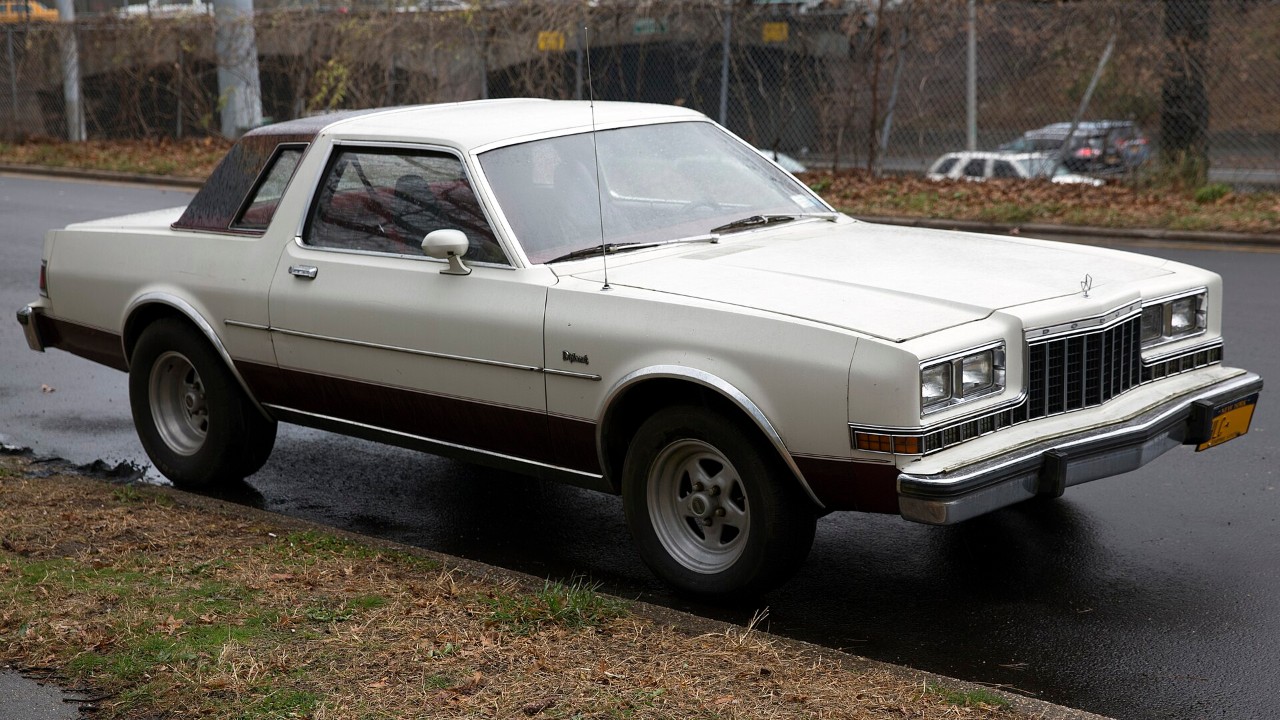
By 1981, the Diplomat was Dodge’s rear-drive sedan and coupe line. According to Drivingline, it rode on the M-body platform that Chrysler built from 1977 to 1989. Most buyers took the 318 V8. Even so, a 110-hp slant six stayed available as a trade-down option until the 1984 model year.
The 1981 car also caught a useful update. Mac’s Motor City Garage says the slant six used solid lifters that needed periodic adjustment until hydraulic lifters arrived in 1981. That change removed one of the few regular chores the engine ever asked for. Meanwhile, 1981 was also the year Chrysler started selling the Diplomat to police fleets.
In our opinion, a 1981 six-cylinder coupe is the most relaxed way to own a late slant six. It came near the end of the line, with hydraulic lifters finally on board. The coupe was gone by the end of 1982, and the engine itself kept going in trucks until 1987 and industrial use until 1991.
More from Fast Lane Only