Volkswagen has reclaimed the electric spotlight in Europe, overtaking Tesla to become the region’s leading seller of battery-powered cars in 2025. The shift reflects not only a change in rankings but a deeper realignment in how legacy manufacturers and newer entrants are competing for the future of the continent’s roads. With European buyers broadening their preferences and regulators holding firm on emissions targets, the balance of power in the electric vehicle market is being reset.
The Volkswagen brand has combined scale, a widening model range, and a renewed focus on electric technology to edge past Tesla’s more concentrated line up. The result is a contest that now looks less like a one‑sided disruption story and more like a head‑to‑head race between historic marques and younger challengers, with Europe emerging as the decisive battleground.
Volkswagen’s comeback at the top of Europe’s EV market
After ceding ground to Tesla in recent years, Volkswagen has moved back into first place in Europe’s electric rankings. Reporting on 2025 sales shows that Volkswagen overtook Tesla to become Europe’s top‑selling electric vehicle brand, regaining the position through a sharp rebound in deliveries across the region. The brand’s battery‑electric and plug‑in hybrid volumes combined to make it Europe’s leading seller of electrified vehicles, underlining how quickly a large incumbent can pivot when product, pricing, and production finally align.
Detailed figures highlight the scale of that shift. Data on European battery‑electric sales indicates that Tesla lost the regional lead in 2025, with the Volkswagen brand winning the pure EV contest by 326,714 units to 175,654. That margin, which reflects only battery‑electric models rather than plug‑in hybrids, underscores how decisively Volkswagen has pulled ahead in a market Tesla once dominated. Additional analysis of European registrations notes that Volkswagen’s electric sales rose 56 percent in 2025, a surge that helped the group dominate European electric cars while also reinforcing its status as Europe’s overall top‑selling brand for the twenty‑first consecutive year.
How ID.3, ID.4 and ID.7 powered Volkswagen’s surge
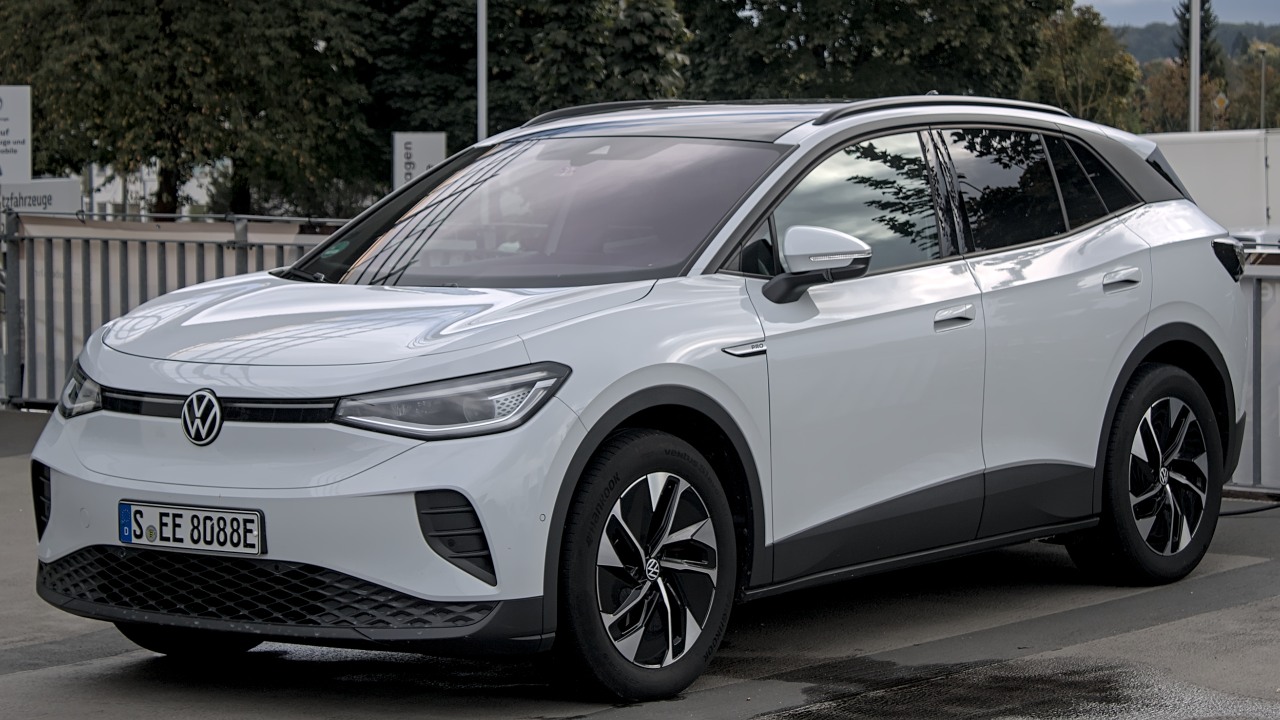
Volkswagen’s return to the top of Europe’s EV rankings did not happen in the abstract, it was carried by specific models that resonated with European buyers. The compact ID.3, the ID.4 SUV, and the larger ID.7 sedan delivered strong growth across key markets, giving the brand credible offerings in the core segments that define European motoring. These models allowed Volkswagen to translate its long experience with hatchbacks, family cars, and crossovers into the electric era, while leveraging existing dealer networks and service infrastructure.
Reporting on 2025 sales notes that the ID.3, ID.4, and ID.7 all posted significant volume gains as demand for Tesla’s Model 3 and Model Y slowed in Europe. That divergence in momentum is central to understanding the new hierarchy. While Tesla continued to rely heavily on two global workhorses, Volkswagen fielded an entire electric line up that could be tailored to different budgets, body styles, and national incentives. Social media commentary on the sales data has emphasized that Tesla currently sells only two core models in Europe, whereas Volkswagen offers a broader range, and that this difference in strategy is now visible in the registration tables.
Tesla’s slowdown and the limits of a two‑model strategy
Tesla’s loss of the European crown does not mean the company has disappeared from the market, but it does expose the constraints of a narrow portfolio in a region defined by diverse tastes and tight regulation. The Model 3 and Model Y remain familiar sights on European roads, yet 2025 data shows that demand for both models has cooled at the same time that rivals have multiplied their offerings. As more buyers look for smaller city cars, estate‑style vehicles, or premium compacts with local branding, Tesla’s focus on a limited set of global platforms has become a competitive risk.
Analysts tracking the 2025 figures point out that Tesla’s European battery‑electric sales reached 175,654 units, a total that was comfortably surpassed by Volkswagen’s 326,714. Commentary around the shift notes that Tesla’s two‑model strategy may have reached saturation in some segments, particularly as price‑sensitive buyers weigh alternatives from Volkswagen Group brands such as Audi and from other historic manufacturers. At the global level, Tesla also ceded the world EV sales crown to BYD in 2025, a reminder that the company is now being squeezed both in Europe and in China by rivals that combine aggressive pricing with rapidly expanding catalogues.
Legacy manufacturers regroup: Volkswagen Group, BMW and others
Volkswagen’s resurgence in Europe is part of a broader pattern in which historic manufacturers are beginning to flex their electric muscles. Analysis of the 2025 market shows that Volkswagen Group is not alone in its rebound, with BMW also posting strong growth in electric sales. One assessment of the EV race notes that BMW’s electric volumes in Europe were up 51 percent to 153,848 units, placing the brand firmly in the mix alongside Volkswagen and Tesla. These figures suggest that the early narrative of traditional carmakers being permanently outpaced by pure‑play EV companies is being rewritten.
Within the Volkswagen Group itself, the gains are spread across multiple badges. European market analysis for 2025 highlights that Volkswagen remained the top seller of electric models in August, with four of the ten best‑selling EVs in Europe that month made by the group. Additional reporting on European electric sales notes that Audi’s electric deliveries grew 51 percent in 2025, reinforcing the idea that the group’s strategy is not confined to a single brand. Commenters have also pointed out that the group’s broader portfolio, which includes marques such as SEAT and Porsche, gives it a structural advantage in filling every niche from mass‑market hatchbacks to high‑performance luxury EVs.
What Europe’s shifting EV hierarchy means for the next phase
The changing order in Europe’s electric market carries implications that extend beyond a single year’s sales table. For policymakers, the fact that a legacy manufacturer like Volkswagen can now dominate electric registrations strengthens the political case for maintaining ambitious emissions rules, since it demonstrates that established industry players can adapt rather than simply lobby for delays. For suppliers and charging‑infrastructure providers, the rise of Volkswagen and other historic brands signals that investment decisions can no longer be based solely on the trajectories of a handful of American or Chinese newcomers.
For consumers, the new hierarchy promises more choice and potentially sharper price competition. With Volkswagen, Tesla, BYD, BMW, and other manufacturers all vying for share, the European market is likely to see a broader spread of body styles, battery sizes, and price points. Reporting on 2025 sales already shows that European buyers are responding to this variety, with electric vehicles helping the overall new car market expand by 5 percent in August and with Volkswagen Group models occupying a disproportionate share of the best‑seller lists. As historic firms regroup and pure‑play EV makers adjust their strategies, Europe is emerging as the arena where the next phase of the global electric race will be decided.
More from Fast Lane Only