Volvo built its first production car in 1927, and the company’s own heritage archive tracks every model since. Some sold by the hundred thousand, while others never cleared a few hundred. These 12 Volvo models, from a wood-framed tourer to a yellow turbo wagon, each tell part of that story.
1. 1927–1929 Volvo ÖV4
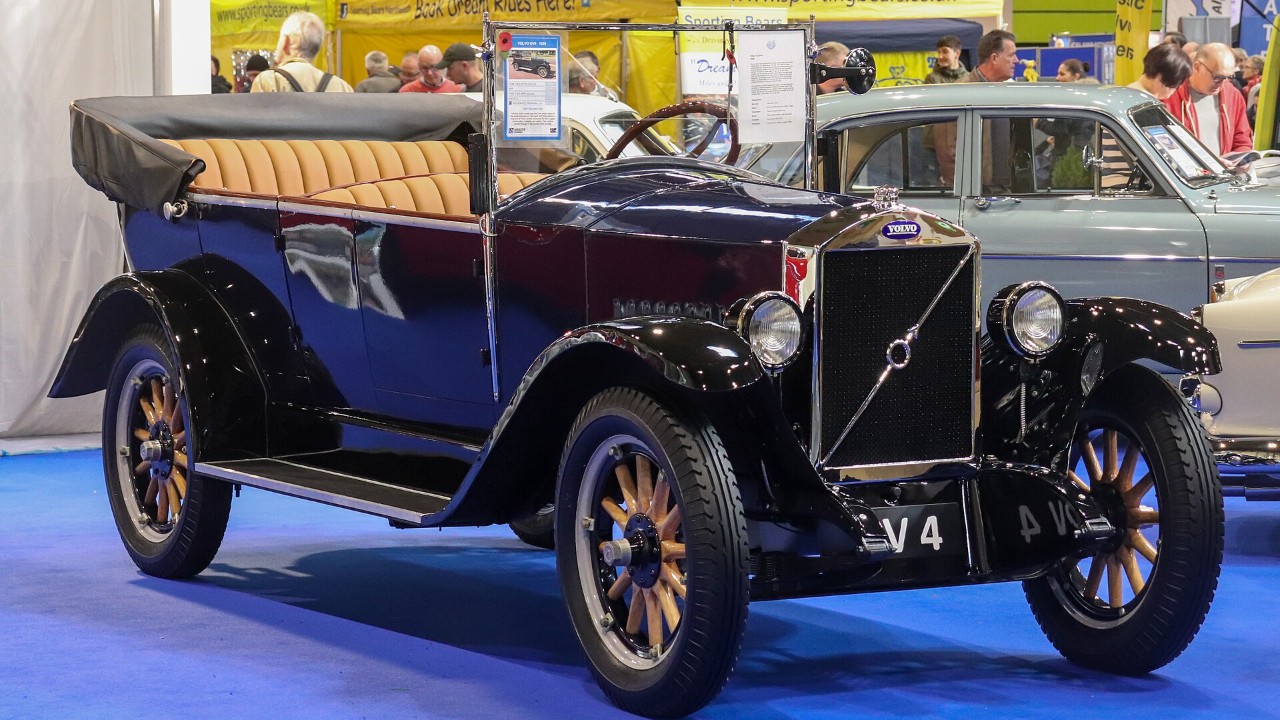
The first series-built Volvo left the Lundby factory on April 14, 1927. Later, owners nicknamed it “Jakob.” Under the steel skin sat a frame of ash and beech wood. Also, buyers got exactly one color choice: dark blue with black fenders.
Power came from a 1,944 cc side-valve four rated at 28 hp at 2,000 rpm. In total, the company built 275 ÖV4s through 1929, and 205 of them left as open tourers. Others went out as bare chassis, according to the maker’s heritage page for the ÖV4.
2. 1935–1938 Volvo PV36 Carioca
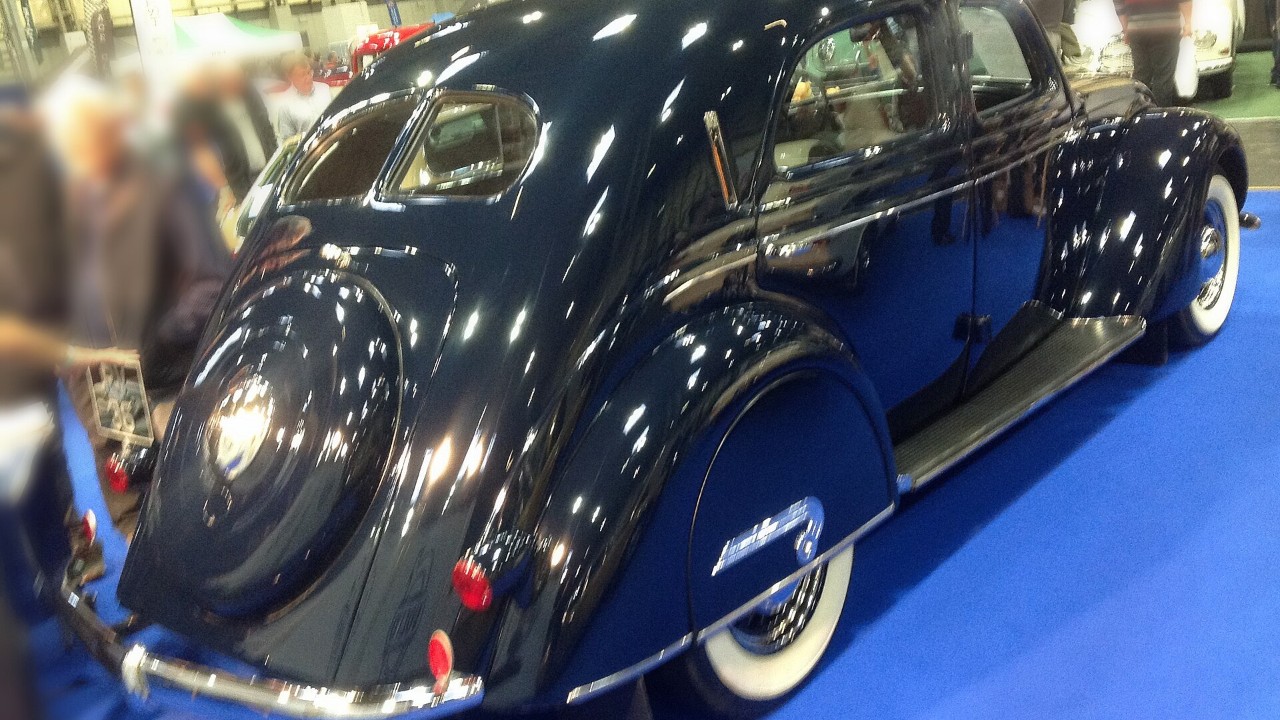
The Carioca brought streamlined 1930s styling to Volvo, with fairings over the rear wheels. Underneath, it was advanced for its time. It had independent front suspension with wishbones and coil springs, plus hydraulic brakes on all four wheels.
Its 3,670 cc side-valve six made 80 hp at 3,300 rpm and pushed the six-seat sedan to 120 km/h. However, it was expensive, and only 500 sedans were built. In addition, Nordbergs Karosseri in Stockholm fitted one chassis with a convertible body, the company archive notes.
3. 1946–1958 Volvo PV444
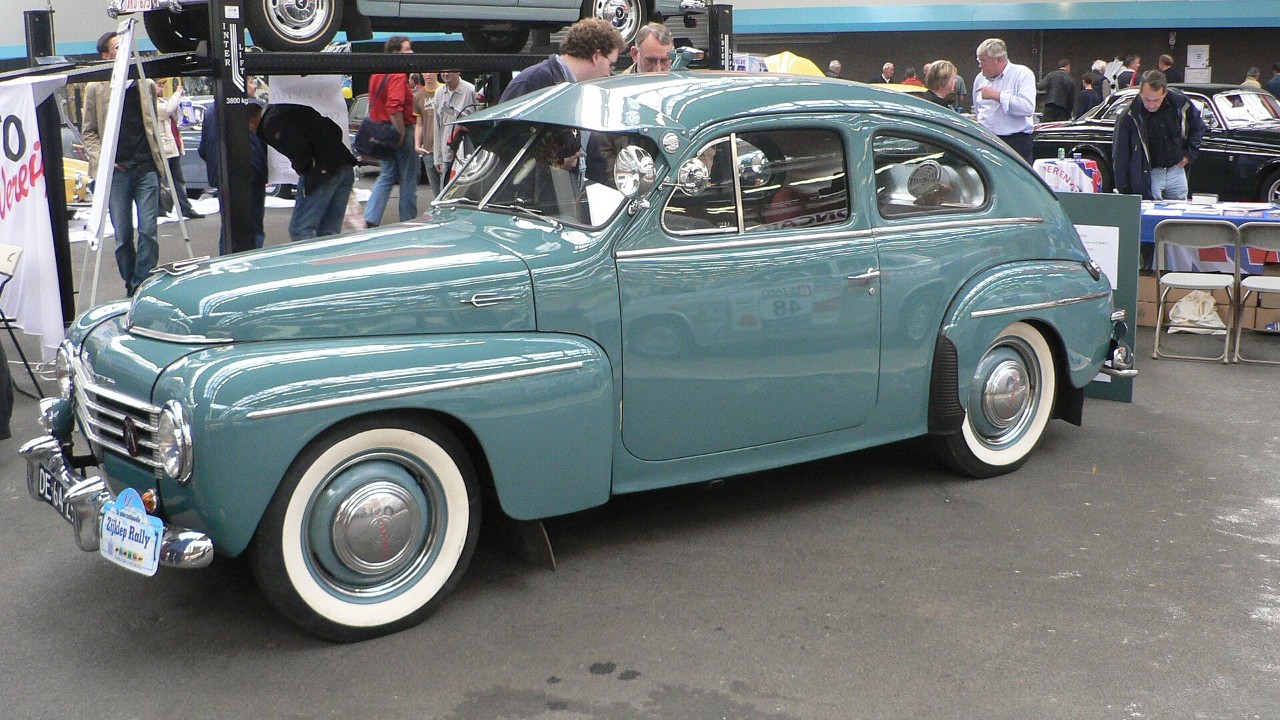
Volvo showed the PV444 at a large exhibition in Stockholm in September 1944, before World War II had even ended. It was the first Volvo with a unitary body and no separate chassis. It also had a laminated windscreen, a real safety step at the time.
At launch, the price was 4,800 kronor, the same as the 1927 ÖV4. The company planned to build about 8,000. Instead, it built 196,005 before the PV544 took over, according to the PV444 heritage page.
4. 1958–1965 Volvo PV544
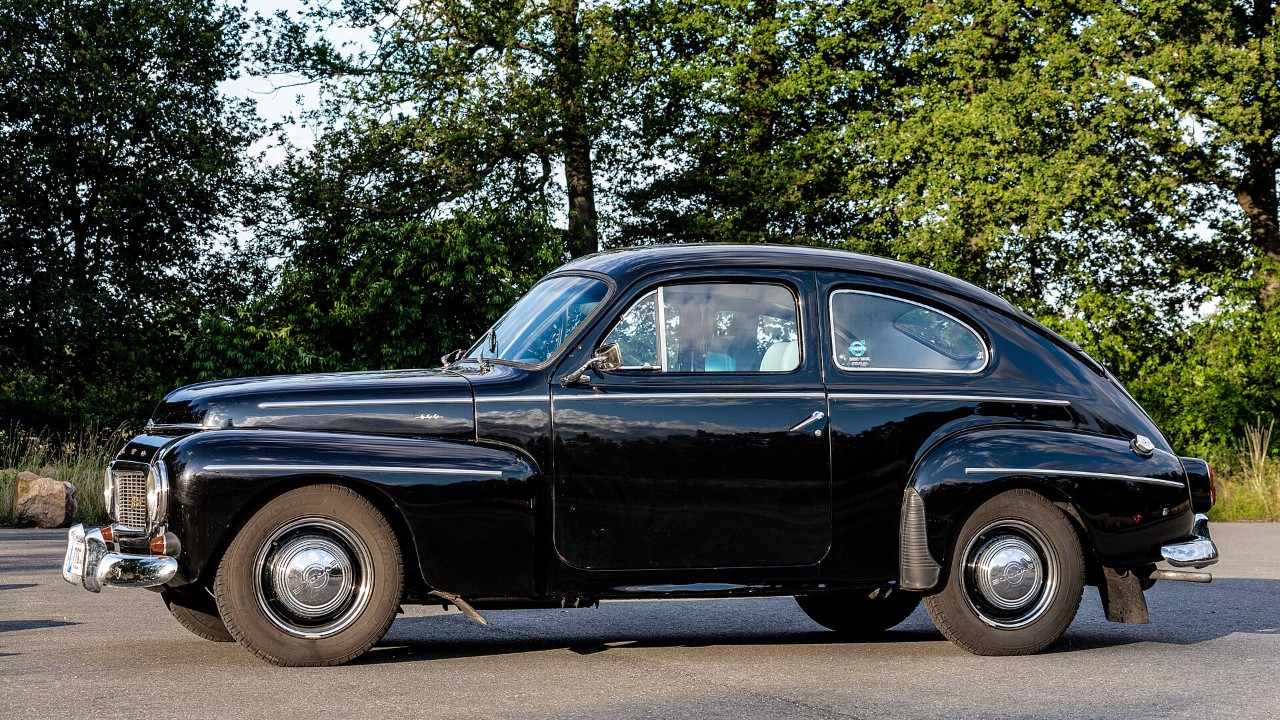
The PV544 arrived in August 1958 as a modernized PV444. Inside, the dash got a padded upper half for safety, and the speedometer looked like a thermometer, with a red band that rose with speed. A reshaped rear bench also made room for one more passenger.
From 1961, the 1,778 cc B18 engine went in, with 75 or 90 hp and later 95 hp. A 12-volt system came the same year. By 1965, the company had built 243,990, and the car had become a favorite of rally drivers, the PV544 page says.
5. 1956–1957 Volvo Sport P1900
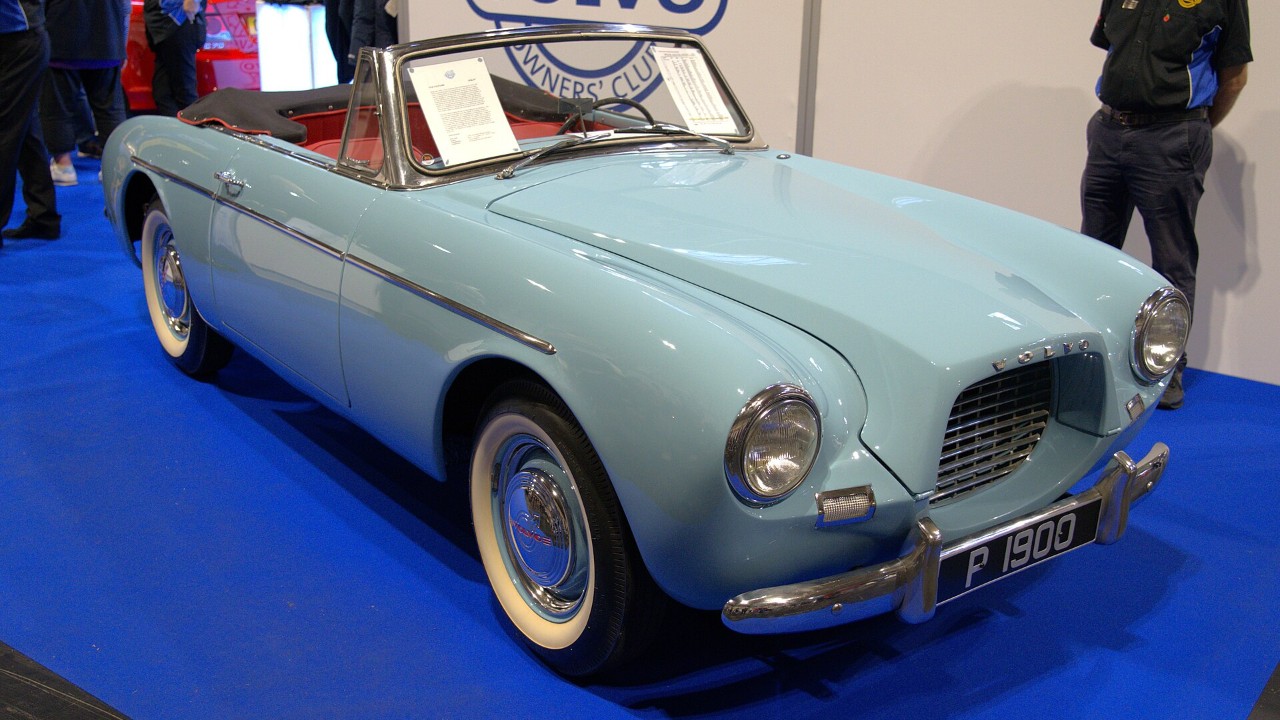
The P1900 two-seat roadster made its debut in 1954. Its body was fiberglass-reinforced polyester on a tubular frame that used mostly PV444 parts. The 1,414 cc four gained twin-barrel carburetors, a new camshaft and bigger intake valves, which lifted it to 70 hp.
Volvo meant it for export, yet most were sold in Sweden. Production ended in 1957 after “numerous problems,” with only 67 or possibly 68 built, according to the P1900 heritage page. In 1957, its 70 hp engine also went into the American-market PV444.
6. 1960–1969 Volvo P210 Duett
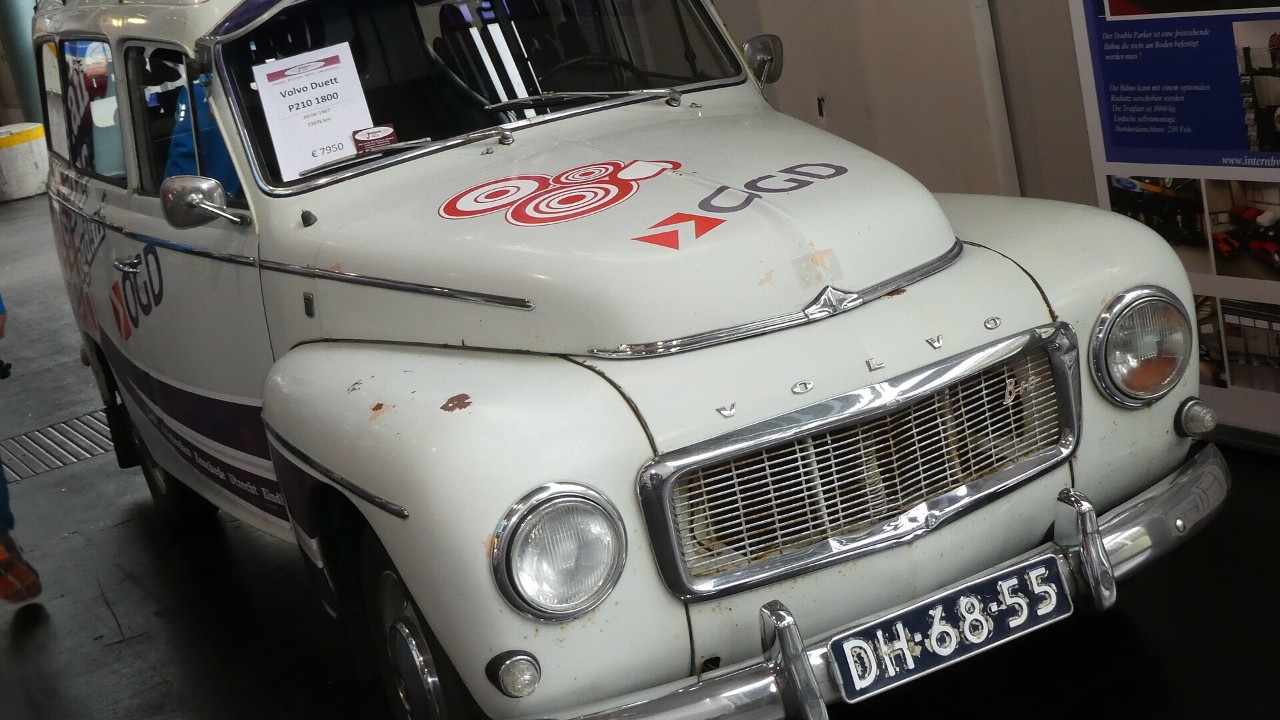
The Duett was the working Volvo, sold as an estate or as a van. In autumn 1960, it took the name P210 and gained the curved windshield and dash the PV544 had used since 1958. At first, it used a 1,583 cc four rated at 60 bhp.
Even so, most went to buyers in the Nordic countries. Altogether, the line turned out 60,100 P210s, and the last one came off the line in February 1969, according to the P210 Duett heritage page.
7. 1971–1973 Volvo 1800ES
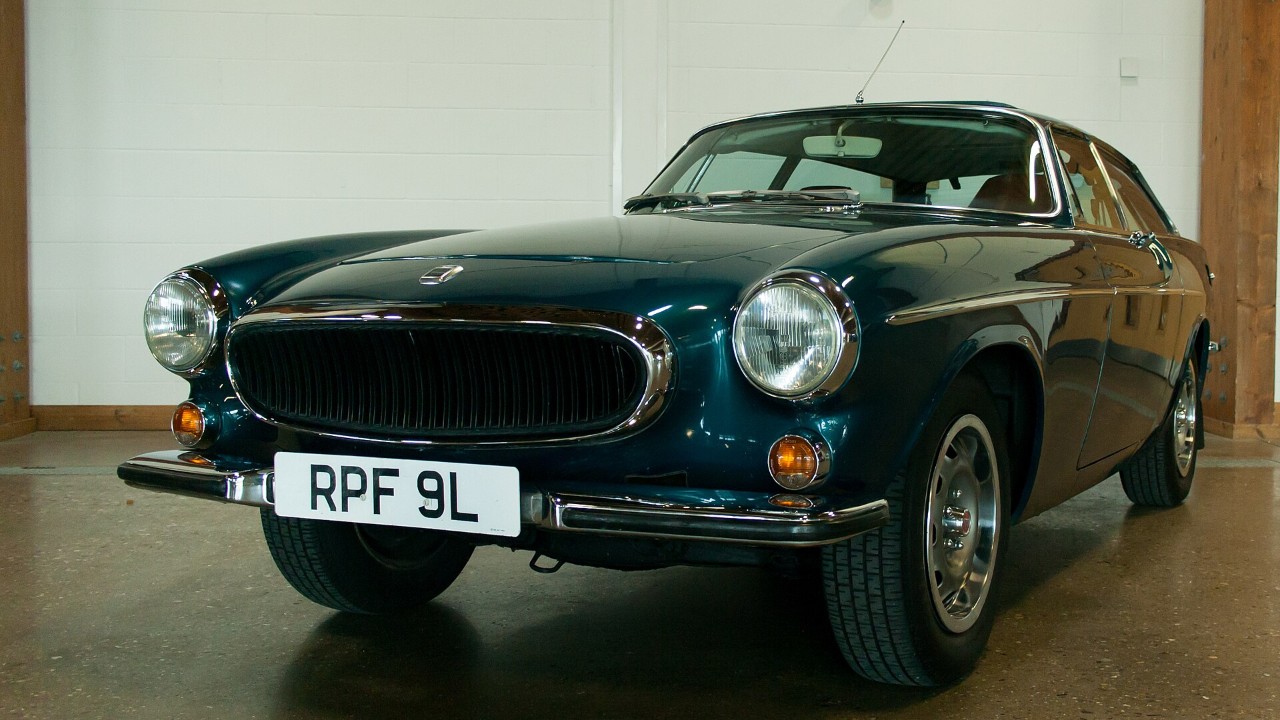
The 1800ES started with a new tail. In autumn 1971, Volvo stretched the 1800’s roofline into an estate-like shape, with room for golf clubs in back. Buyers could pick a four-speed manual with electric overdrive or a three-speed automatic, and all four wheels had disc brakes.
For 1973, the ES was the only 1800 Volvo still built. Then tougher safety rules, especially in the United States, made further updates too costly. In the end, the factory built 8,078, the 1800ES page records.
8. 1966–1974 Volvo 144
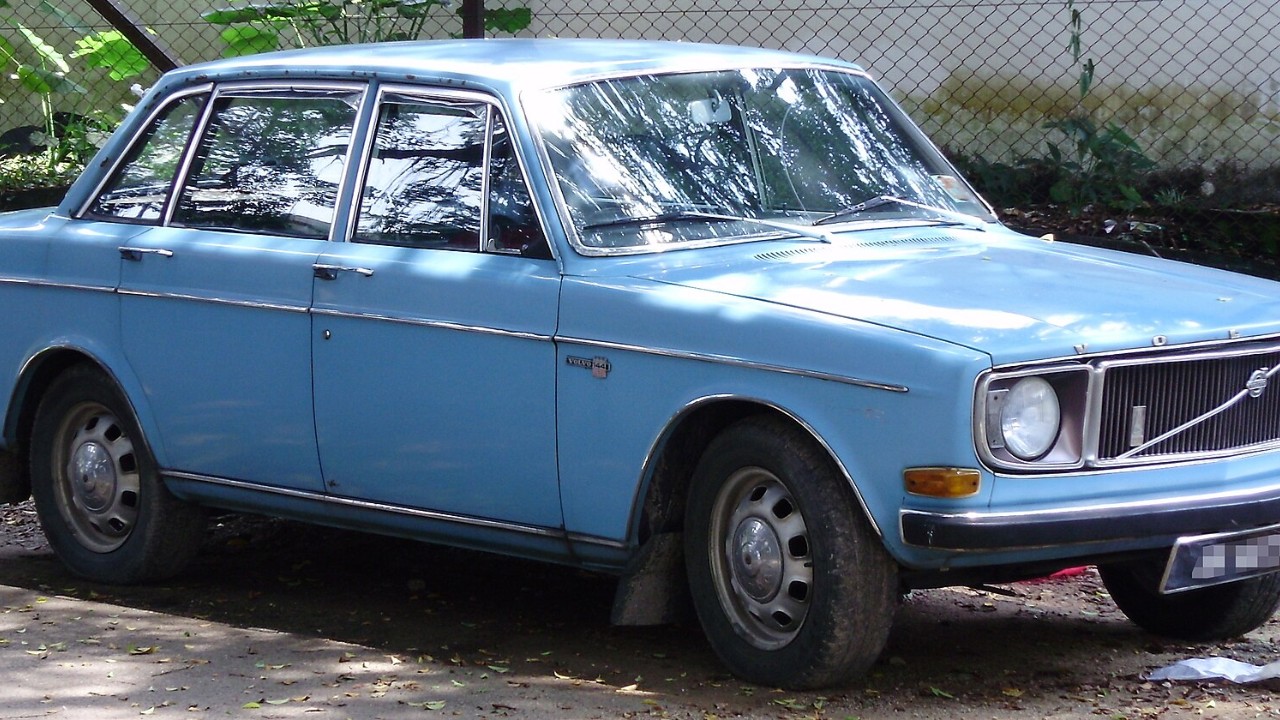
The 144 launched in August 1966 and started a new model family. Its safety list was long, too. It had energy-absorbing zones front and rear, disc brakes on all four wheels and a cabin with no protruding parts. Each of its two hydraulic brake circuits also acted on three wheels.
The family made up most of Volvo’s sales until 1974. By then, the 144 alone had reached 523,808 cars, according to the 144 heritage page.
9. 1968–1975 Volvo 164
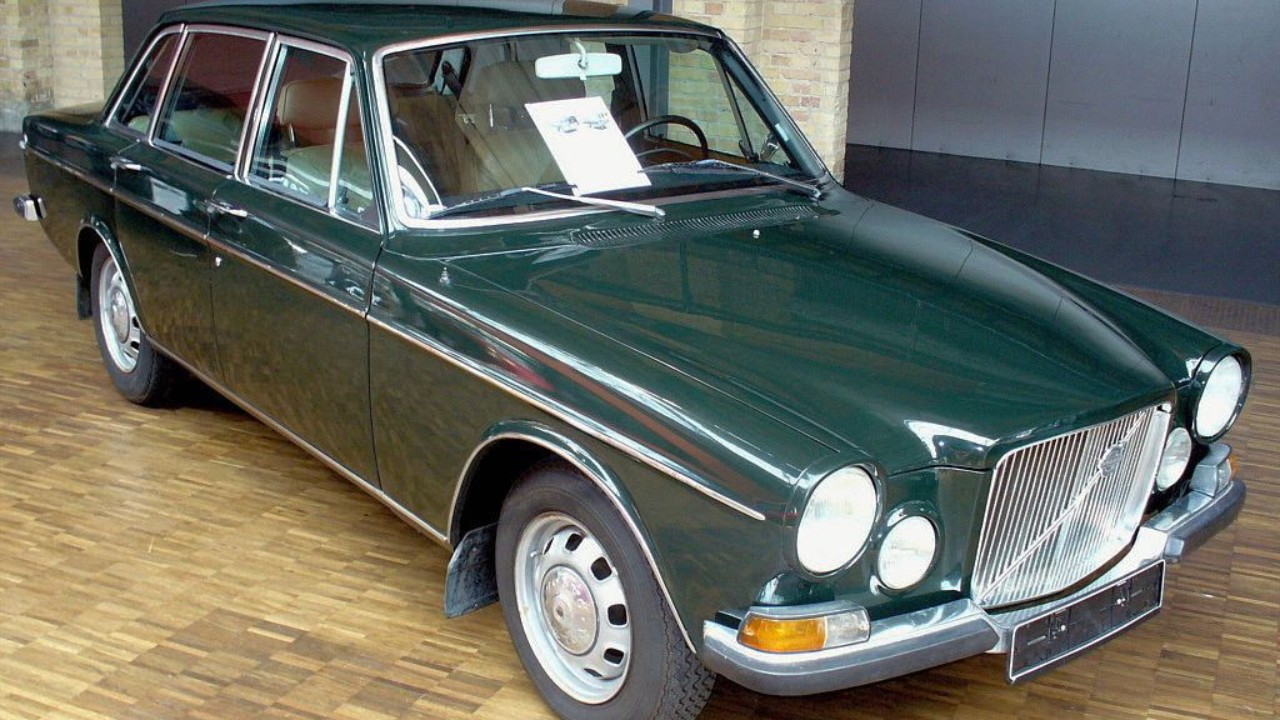
The 164 brought six cylinders back to Volvo’s passenger cars for the first time since the PV60 ended in 1950. Engineers developed the 2,978 cc six from its 2.0-liter four. The hood grew longer to fit it, and a wide grille gave the car a grander face.
Twin carburetors came first, and fuel injection followed later. Most of the final-year cars went to the United States. Production reached 146,008 in all, the 164 page says.
10. 1977–1981 Volvo 262C
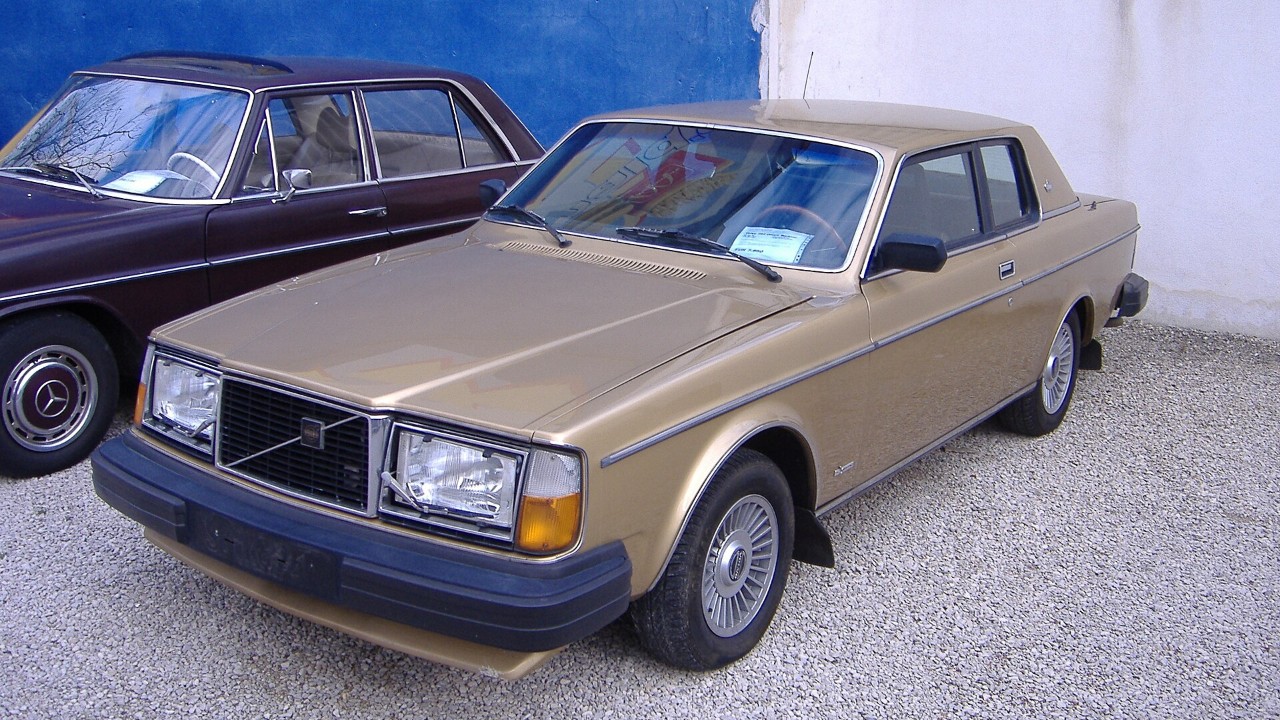
The 262C debuted at the 1977 Geneva Motor Show. Volvo designed it in Sweden, but Bertone built it in Italy. It had a steeper windshield, a wide rear pillar and its own roofline. Early cars came in silver-grey with a black vinyl roof.
Inside, the coupe also got leather and wood. Power came from a 2,664 cc overhead-cam V6. Only 6,622 were built, according to the 262C heritage page.
11. 1986–1995 Volvo 480
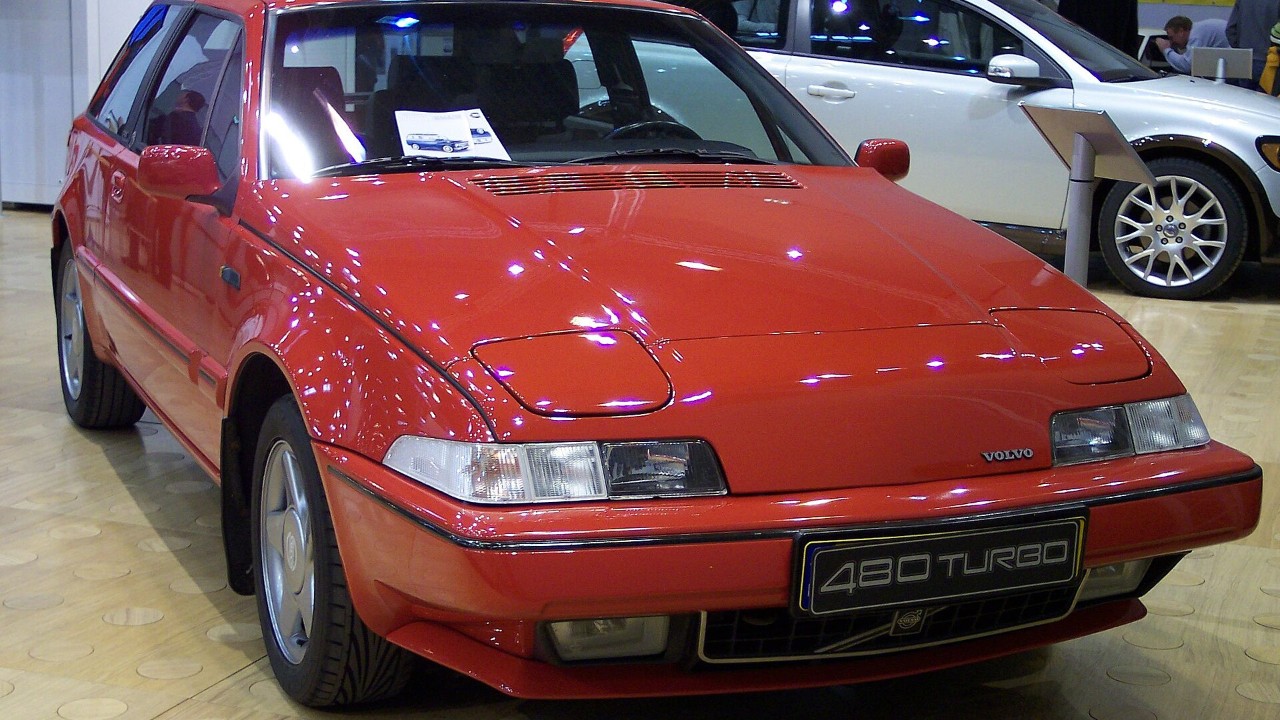
The 480 ES launched in 1985, and production began in 1986. It was Volvo’s first mass-produced front-wheel-drive car. It also had pop-up headlights, which no other Volvo shared, and a rear end inspired by the 1800ES.
For power, buyers got a 1,721 cc four, with or without a turbo, and a 1,998 cc four. Production ran until 1995. Production totaled 76,375, the 480 heritage page says.
12. 1995 Volvo 850 T-5R

Volvo France launched the T-5R on October 4, 1994, and called it the fastest and most powerful Volvo built to that point. Its 2.3-liter turbocharged five made 240 hp and 330 Nm, though only during an overboost of up to 30 seconds. The release listed 0 to 100 km/h in 6.9 seconds and a 245 km/h top speed.
The first run was 2,500 cars in yellow pearl, sedans and wagons, built in Ghent. Inside, dark grey leather had suede-like Amaretta inserts. Demand then led Volvo to announce a second series of 2,500 in black, according to the launch press release.
More from Fast Lane Only